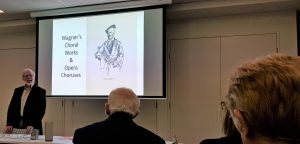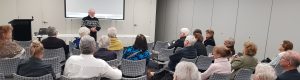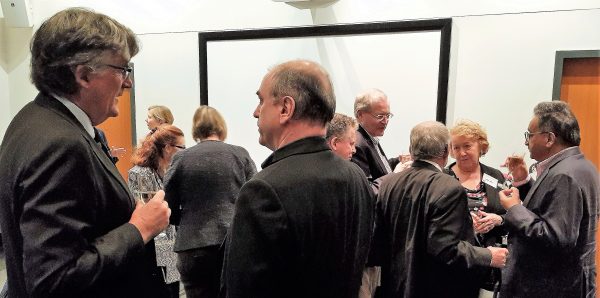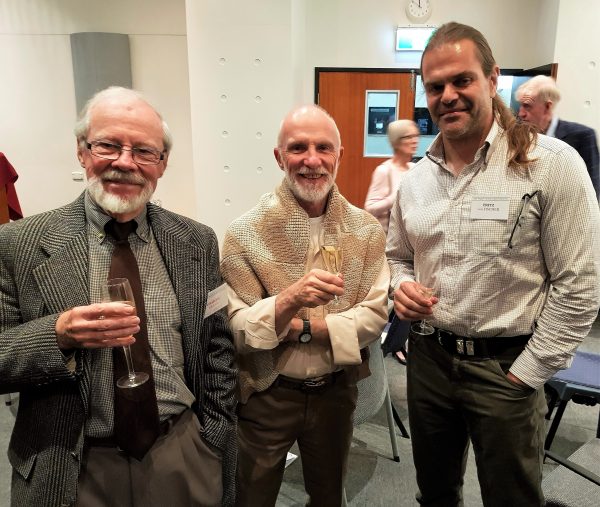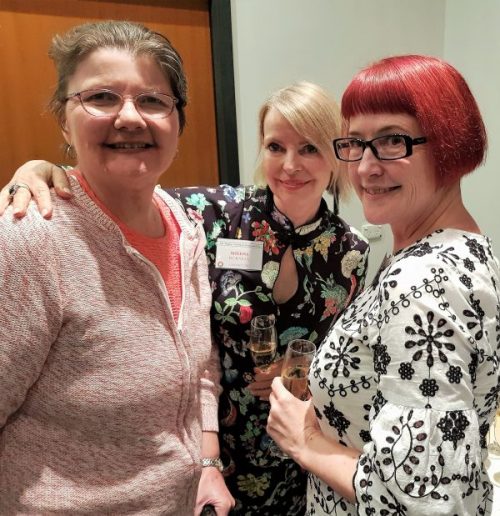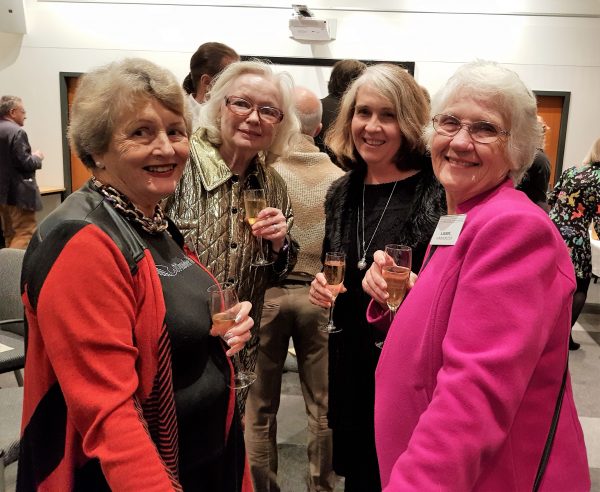
‘BACK TO OPERA AGAIN’: Some problems in the text and music of Götterdämmerung. Talk by Professor Michael Ewans. Saturday 21st March 2026
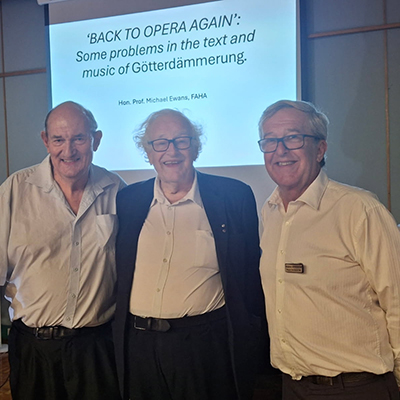
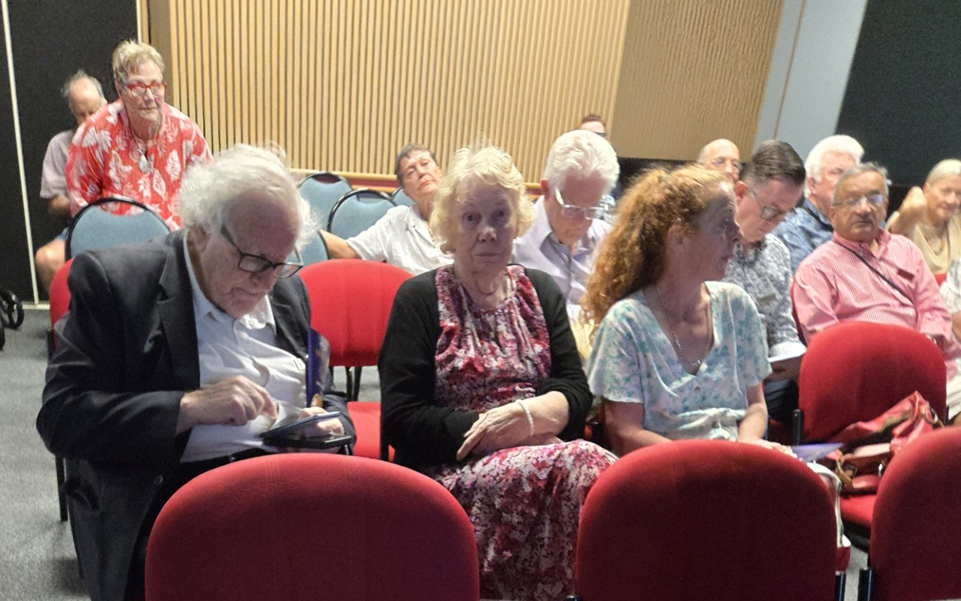
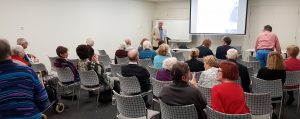
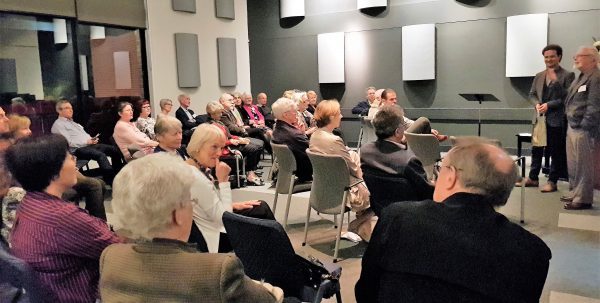
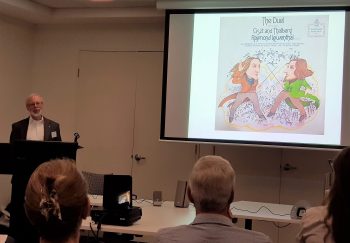
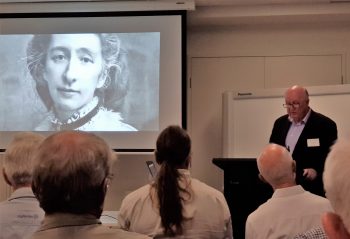
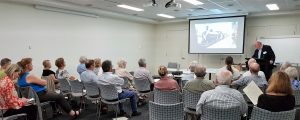
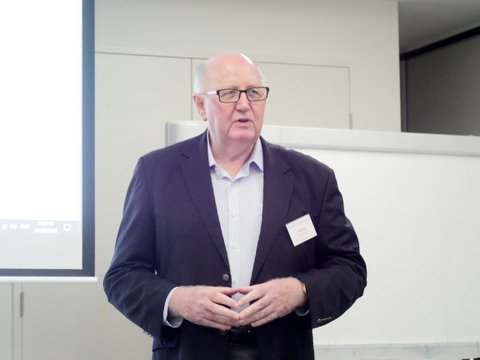
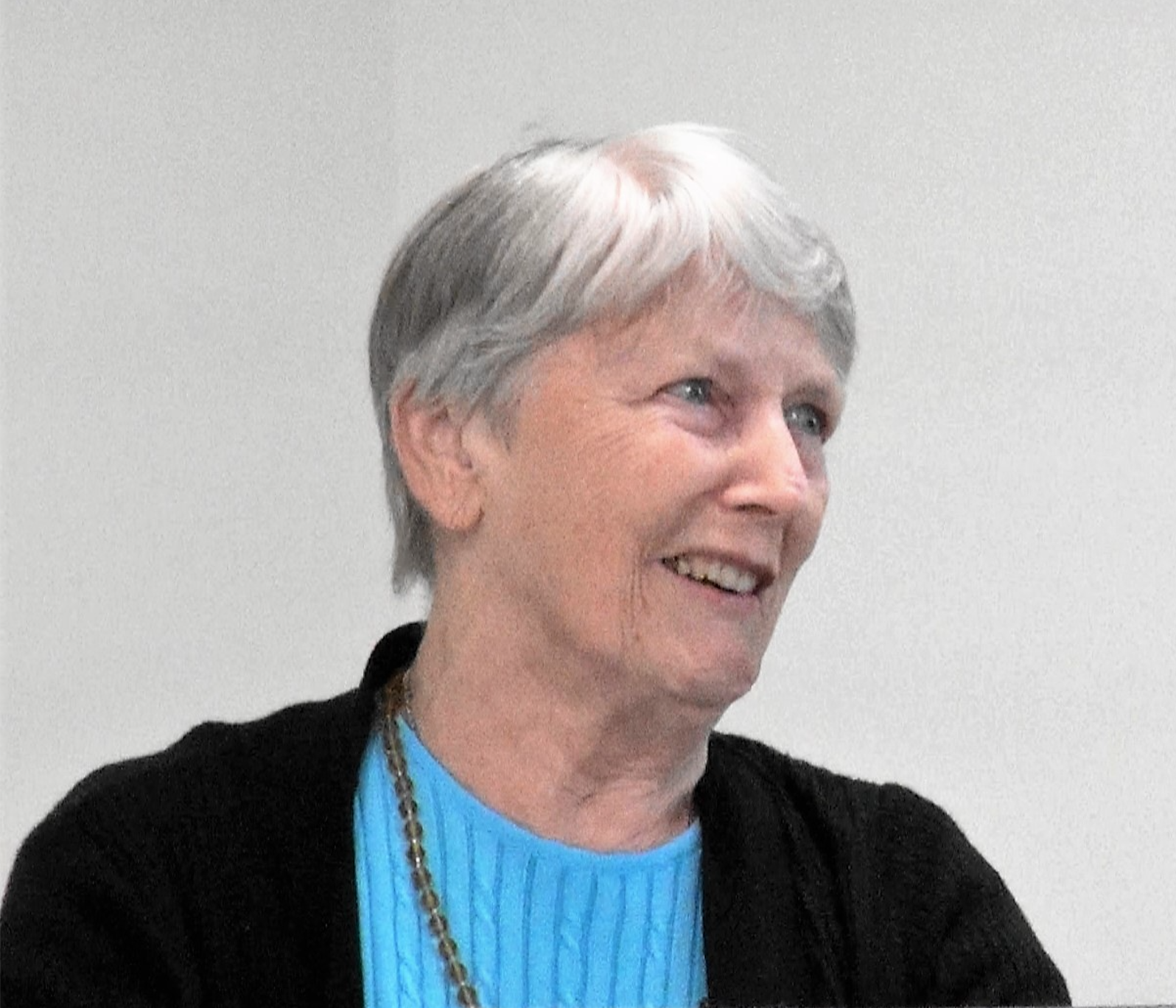
On 21st March we welcomed the distinguished scholar and author Professor Michael Ewans. The talk was exceedingly impressive in his detailed knowledge and command of the Ring cycle dramas. His particular concern, explored across his many published books, has been to interrogate the interactions between the drama and the music, in particular focussing on how music can illuminate the meaning behind the words. This perspective underpinned his approach at every stage of this presentation.
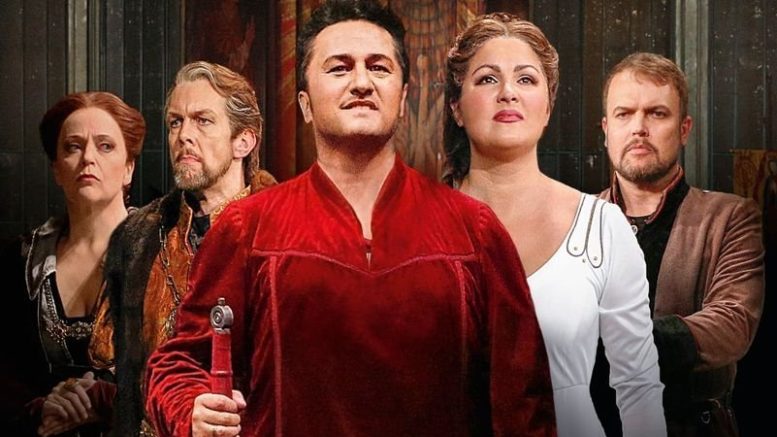
Titled “Back To Opera Again”, the talk interrogated the dramatic effectiveness of Götterdämmerung as the closing opera of the Ring cycle. As was explained in detail, the prolonged period over which both the text and music was developed had led to some awkward challenges and incongruities for the composer to reconcile. The original libretto/conception of Siegfried’s Death (that would become Götterdämmerung) had been developed in 1848. By the time he came to compose the music in the 1870s Wagner’s musical language – indeed his revolutionary conceptions of opera/music drama – had transformed profoundly. Among the questions raised, Professor Ewans interrogated whether Wagner reoriented Götterdämmerung sufficiently from its original conception to make it a worthy and convincing finale to the Ring cycle. Provocatively, he was hesitant to answer that question with a resounding “Yes” and went on to build his case.
The issue had been identified by George Bernard Shaw (in The Perfect Wagnerite of 1898) who noted a regression moving away from the revolutionary principles of the earlier music dramas in the Ring and a return to more traditional “stagey” operatic practices. These included the return to the employment of a chorus (in Act 2) and vocal ensembles. Notable examples considered included the revenge trio at the end of Act 2 and the Siegfried – Brunnhilde duet in the prologue (which was contrasted with the duet between Siegmund and Sieglinde in Act 1 of Die Walküre.)
But beyond such observations Professor Ewans also drew attention to some key moments in the work that he finds dramatically unconvincing. One notable example was in the final scene when Hagen goes to take the ring from the dead Siegfried only to be repelled by the supernatural raising of the hero’s hand. Professor Ewans argued that Hagen’s retreat here was implausible – “Why couldn’t Hagen just take the ring from Siegfried’s finger?” – especially when armed with his spear and with his ultimate life’s goal within seemingly easy reach.
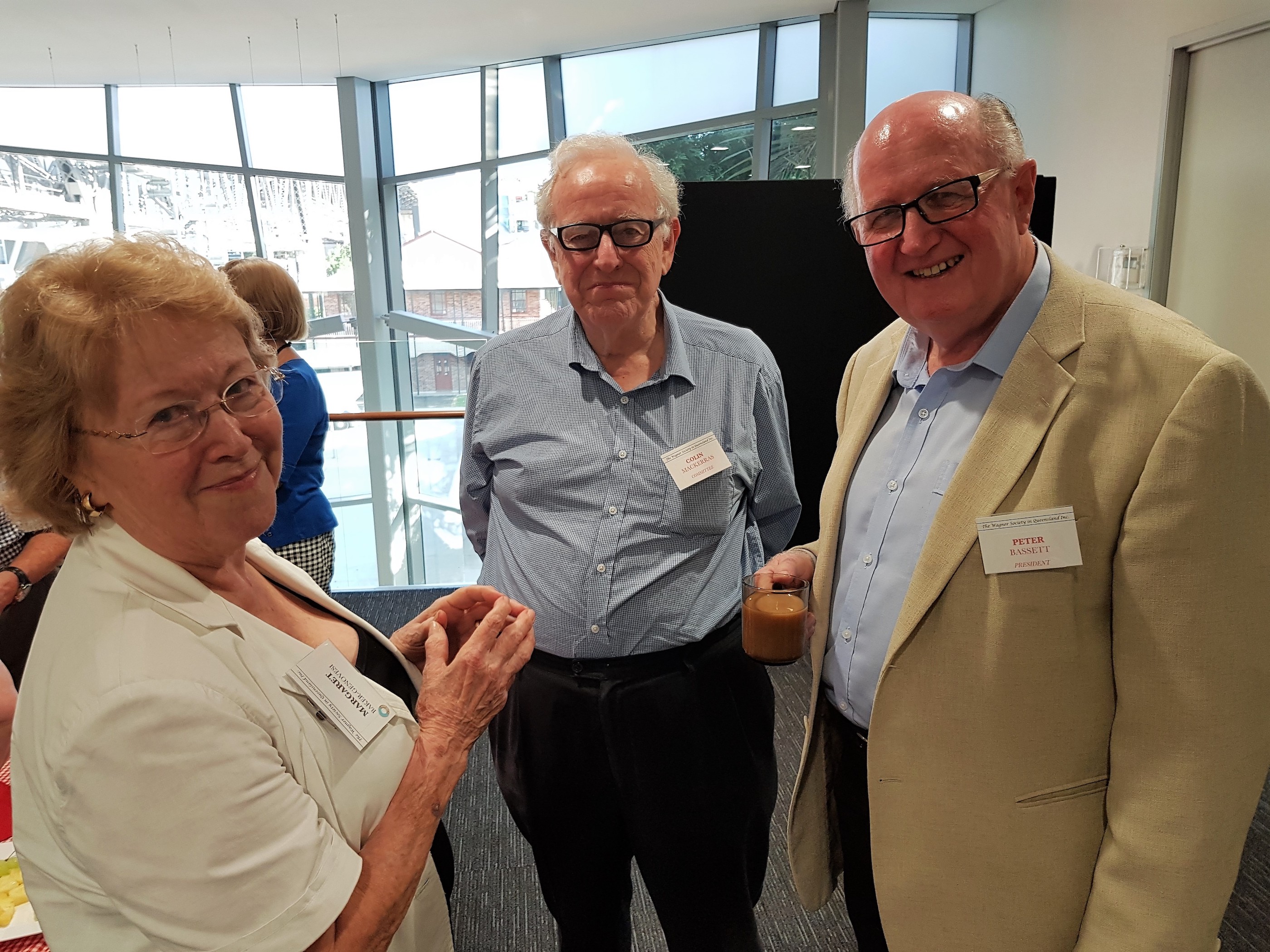
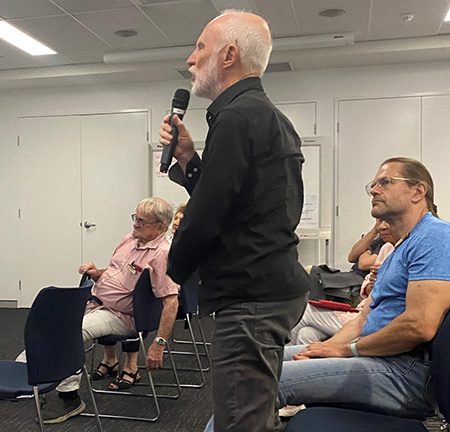
This point provoked discussion and dialogue at the end of his talk with a couple of members suggesting psychological reasons for Hagen’s yielding at this point. Among them, Colin Mackerras underlined how the music is so extraordinary at this point with Brunnhilde’s commanding entrance that one is easily swept away by it. In any case, none of us will now view that scene in quite the same way as we have before.
Professor Ewans generously illustrated his talk with video examples drawn from the Bayreuth production directed by Patrice Chereau conducted by Pierre Boulez. Being among the most dramatically compelling productions, the choice was most apt and it was a pleasure to be reminded of that landmark production half a century after its premiere in 1976.
Having been critical of several scenes, Professor Ewans concluded his talk by showing one of the most compelling ones, Hagen’s Watch at the end of Act 1 where music, drama and staging (and in fact filming) all work so powerfully together.
Overall this was a hugely stimulating and thought-provoking presentation and we remain most grateful to Professor Ewans for sharing his deep expertise with us.
Observations by Stephen Emmerson
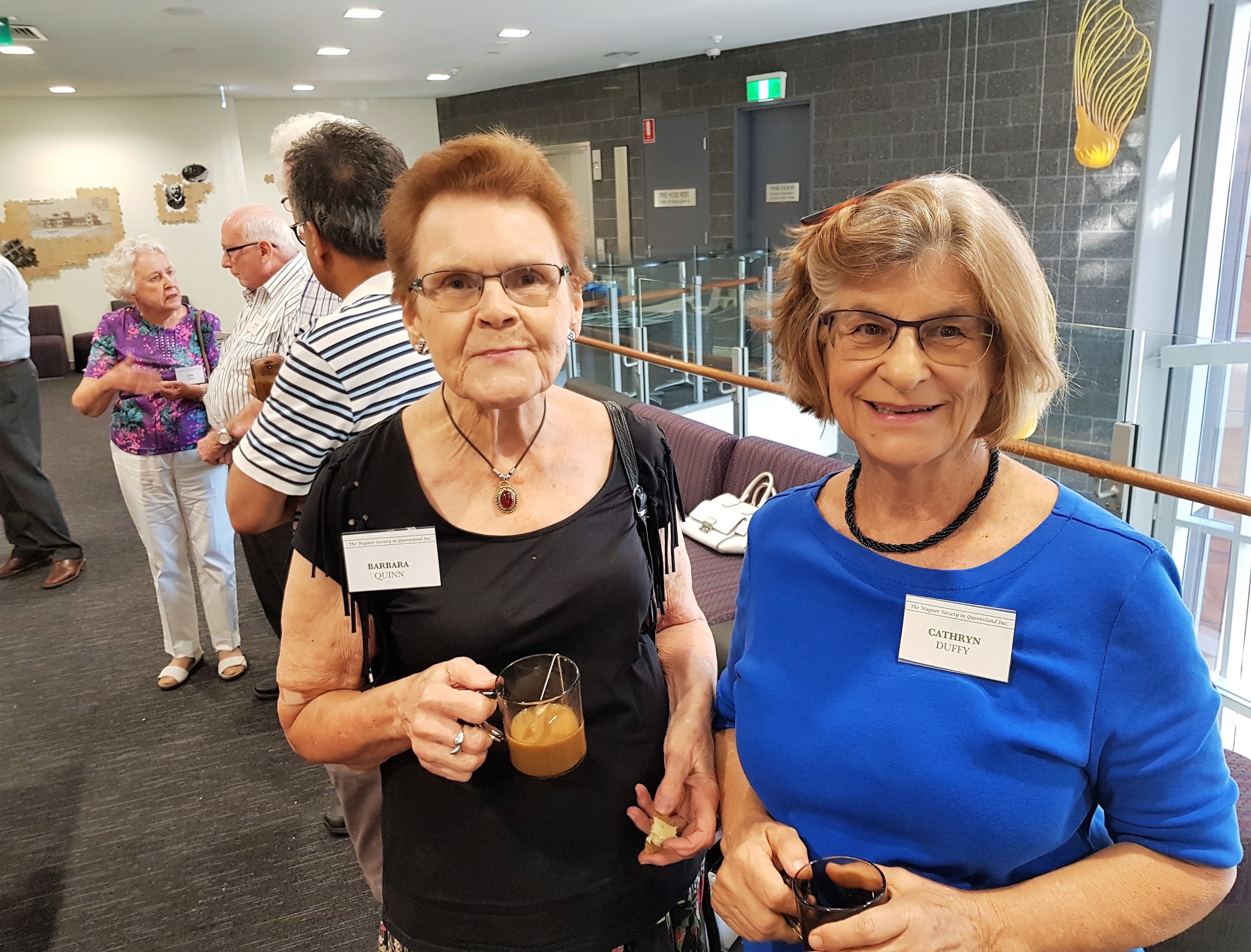
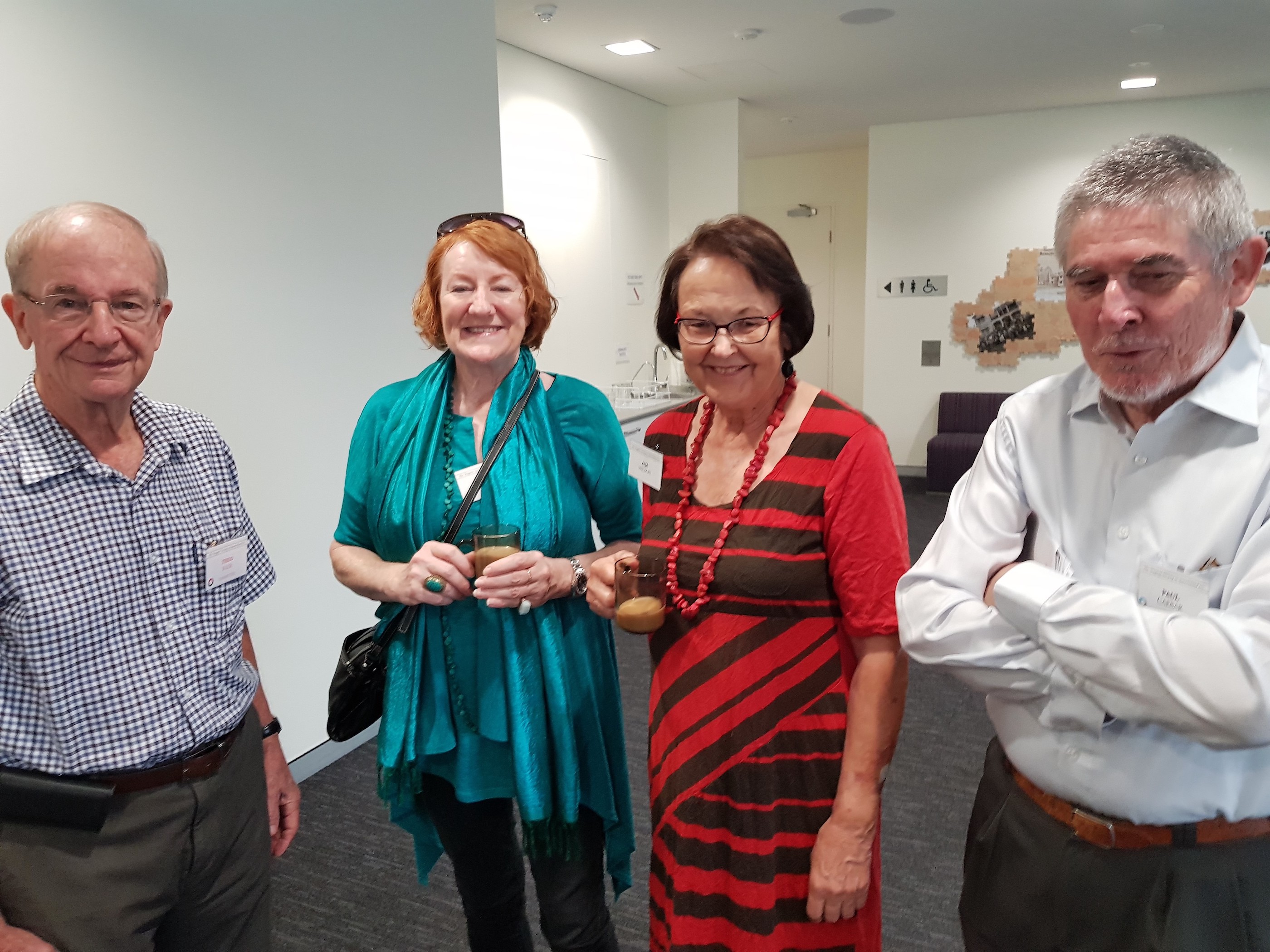
Photography by Cathryn Duffy, Judy Xavier and Veronica Mackerras
‘DIE MEISTERSINGER – AN APPRECIATION’ BY COLIN MACKERRAS, FOLLOWED BY DIE MEISTERSINGER ACT 1 PRELUDE ARRANGED FOR PIANO 4 HANDS AND PERFORMED BY STEPHEN EMMERSON WITH ROGER CUI (Head of Music, Queensland Ballet). Saturday 21st February 2026
Our new year began with a memorable meeting on 21st February chaired with flair by our newly elected President Stephen Emmerson. It involved an accomplished presentation by Vice-President Colin Mackerras about Wagner’s sublime comedy Die Meistersinger von Nūrnberg (created between 1845 and 1867). Colin’s talk focused on the context and background of this wonderful work, its inspiration drawn from the lives and experiences of historical people including the medieval guilds of mastersingers and the widowed Hans Sachs (1494-1576), the emergence of Luther’s Protestantism, a growing attachment to German Art at a time of political uncertainty, Schopenhauer’s ideas on the creative importance of dreams and the transformative power of renunciation, the value of art rather than class and privilege in a reformed world, and Wagner’s own involvement with the women in his life. Colin also mentioned the central importance of Wagner’s growing association with King Ludwig II of Bavaria, and the effect on the composer’s musical development caused by interrupting work on the Ring in order to compose both Tristan und Isolde and Die Meistersinger.
To illustrate important aspects of Die Meistersinger (and especially the creative importance of dreams) Colin played excerpts from historic recordings featuring Friedrich Schorr – notably the Flieder Monologue and the Wahn Monologue. He also treated us to a recording of the wonderful Quintet, which is a rare example of Wagner’s use of overlapping multiple voices. Colin’s observations were engaging and thought-provoking, and a window on a wonderful work that ends happily without the more usual Wagnerian dramatic reliance on death, tragedy and magic.
Our meeting was brought to a radiant close with the Prelude to Act I of Die Meistersinger, performed brilliantly by Stephen Emmerson and Roger Cui in an arrangement for piano four hands.


Observations by Peter Bassett www.peterbassett.com.au
Photography by Matthew Simpson and Judy Xavier
CHRISTMAS LUNCH AT La Belle Vie French Restaurant, Bardon. Saturday 29th November 2025


The following members and guests attended our most enjoyable Christmas Lunch: Peter & Carol Bassett, Manus & Margaret Boyce, Richard Bryden & Guest, Rosemary Cater-Smith, Hal Davis, John Drew, Tom Elich, Stephen Emmerson, Robert Feldman & Rochelle Le Bon, Geoff & Annette Fisher, Madeleine Hamon, Moira Killen, Colin Mackerras & Guest, Eric Pawsey, Marion Pender, Mark Reedman & Julie Straughair, Mat Simpson, Allen & Mitzi Smith, Jim Spence, Gidia Timmerman, Christian Trapp & Guest, Kerry Ward, Margaret West.
Photography Matthew Simpson
ANNUAL GENERAL MEETING, FOLLOWED BY A PRESENTATION ON LEITMOTIVES by Professor Alpha Yap Saturday 8th November 2025


For the newly elected Management Committee, see the Home Page of this website.
Wagner’s Calling Cards: Leitmotifs – What, Why, How?
Professor Alpha Yap gave an insightful presentation on the subject of Wagner’s use of the Leitmotif. The classic definition of the German Leitmotif is a short, recurring musical theme associated with a particular person, object, place or idea. As discussed by Professor Yap, Wagner radically expanded its operation in the scores of his mature music dramas.
Wagner’s use of leitmotifs was not just to remind the audience of past characters and plots. He didn’t use leitmotifs as a narrative exercise. Wagner developed a technique to bring a sense of unity and structure to the overall drama and contextualise important plot points. An example of this, as Alpha presented playing the piano, were motifs recapitulated in Brūnnhilde’s Immolation Scene. One hears the initial Rhine Water motif and other motifs that have brought her to that final scene. So, Wagner has created musical features – leitmotifs – and they are processed into a symphonic development of the drama. Wagner did not use leitmotifs because it was a common practice of composition. He did not follow how other composers used the technique. For instance, Siegfried’s leitmotif is not just for the audience to associate with the character Siegfried, it also represents the heroic ideal. Wagner created melodic moments of feeling that were structured upon blending together the motifs and guiding the audience through a music drama. They are not calling cards of the action on stage, but instead, there is created a much deeper connection built into their relationships.
Thank you Alpha for sharing your deep understanding and appreciation of Wagner’s use of leitmotifs.
Observations by Paul Caesar
Photography by Cathie Duffy, Jennifer Lawrence and Judy Xavier
WAGNER’S SIEGFRIED AND THE POWER OF NATURE, by Peter Bassett Saturday 18th October 2025


The President of our Society, Dr Peter Bassett, delivered a thought-provoking talk which addressed Wagner’s view of nature and man’s relationship to the natural world. His talk was enriched with expertly curated images and appropriate musical excerpts.
From childhood, Wagner had a great love of nature and animals. He was strongly opposed to hunting as a sport and to scientific experiments on animals and humans. Wagner kept such animals as dogs and parrots as pets; in his time at Tribschen he maintained a large variety of animals.
Peter observed that the concept of compassion (Mitleid) which shaped Wagner’s thoughts was directly associated with the relationship between the human and animal worlds. Here Wagner was influenced by Eastern religions and the philosophy of Arthur Schopenhauer. As the Upanishads declare: ‘I am all these creatures’.
The link between animals and humans is revealed in Wagner’s operas by the use of hybrid creatures, half human, half animal. The Rhinemaidens in the Ring, semi-divine mermaids, are closely associated with the natural world. Peter referred to the myths of the swan maidens, which Wagner employed in the draft libretto of Wieland der Schmied. And he noted that similarities may be discerned between the Rhinemaidens and swan maidens. The Valkyries, who figure so prominently in the Ring, were often associated with swan maidens. The wings of the swan maidens perhaps have a trace in the winged helmets of the Valkyries. Swan symbolism is of course also to be found in Lohengrin and Parsifal.
Wagner’s unrivalled ability to evoke the beauties of the natural world in his operas is particularly seen in the Good Friday music from Parsifal and the Forest Murmurs music from Siegfried. This music goes beyond the usual Romantic orchestral scene painting. It reveals a deep engagement with the natural world and sensitivity to the place of humans within that world. For Peter, Siegfried is a crucial turning point in the Ring. It marks a transition from an old mythological view of humanity in thrall to pagan gods to a focus on the power of nature – the world as we see and know it. The crux of the transition is the scene between Wotan (as the Wanderer) and Erda, (whose name is the Old High German word for ‘Earth’), when Wotan bequeaths the future to the young Siegfried, the child of nature. In Wotan’s subsequent encounter with Siegfried, the latter asserts the primacy of the natural world by shattering the former’s spear with the sword Notung. The gods are now powerless to affect the course of events and are absent from the unfolding drama of the Ring.
The young Siegfried is a child of nature. His knowledge of the world, other than that imparted by his evil guardian Mime, has been gained by his wanderings in the forest and his communing with the animals. He is at ease in the animal kingdom as is seen when he playfully leads a bear into the presence of Mime. Indeed Siegfried and Wagner himself show such an affinity with the bear that the animal receives an almost anthropomorphic portrayal.
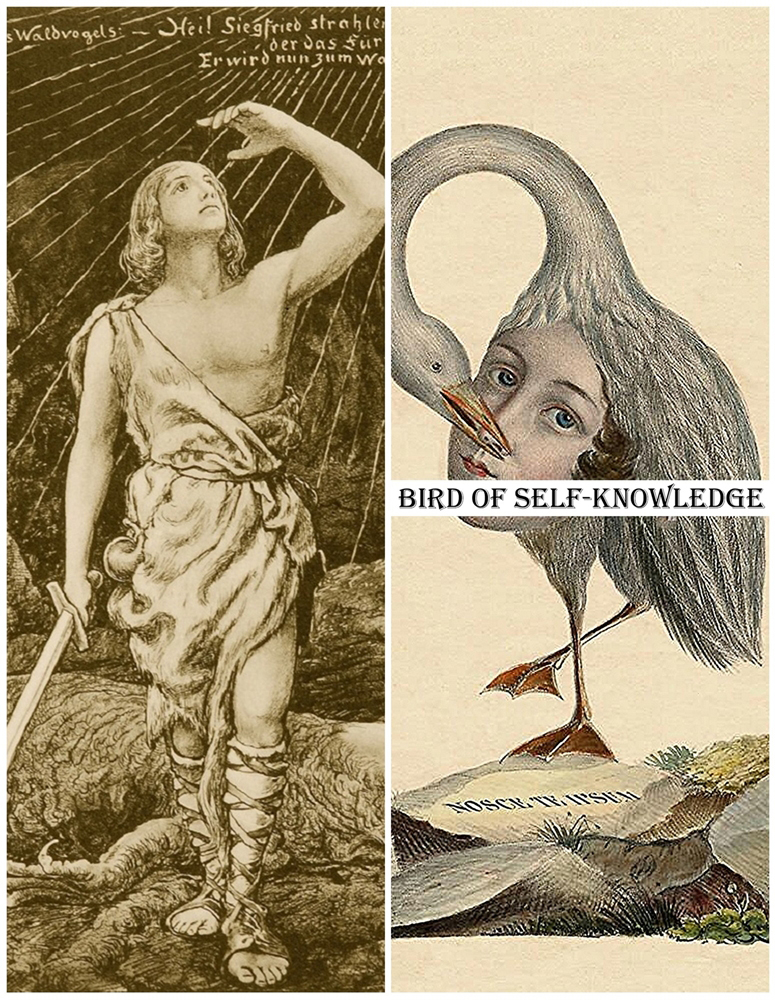
When Siegfried encounters the woodbird, Peter considers that the voice of nature becomes the main catalyst for change in the Ring. Having tasted the blood of Fafner the dragon, Siegfried can now understand birdsong. The woodbird warns Siegfried of the treacherous Mime and tells him of a wonderful wife for him, Brünnhilde, sleeping on a rock surrounded by fire. Through its sweet and caring song to Siegfried, the woodbird manifests itself for Wagner as “Sieglinde’s maternal soul’. In myth, birds can be regarded as a means for the getting of wisdom and Peter referred here to the allegorical figure of the “bird of self-knowledge”.
Once Siegfried reaches the summit of Brūnnhilde’s rock, he discovers Brūnnhilde’s horse, Grane. The attachment of Brūnnhilde to Grane is so close that the horse is in a way an aspect of the Valkyrie’s own personality. Brūnnhilde and Grane awake at the same time. Upon awakening, Brūnnhilde addresses not Siegfried but the sun. However Peter sees that in a sense these are one and the same. In Norse mythology the phenomena of nature were often symbolised as mirroring the course of love. Having lost her supernatural nature, Brūnnhilde embraces the natural world and love of Siegfried. She willingly farewells the splendor of the gods in favour of the reality of human love.
Photography by Jennifer Lawrence and Judy Xavier
Observations by Geoff Fisher
SCREENING OF LOHENGRIN ACT III from the 1990 Bayreuth Festival production. Saturday 20th September 2025


On Saturday 20 September, the Wagner Society had a very pleasant and satisfying afternoon at the Elizabeth Picture Theatre, in Brisbane City, with Act III of Lohengrin. It was a Bayreuth Festival production, with Peter Schneider conducting the Bayreuth Festival Orchestra and Chorus. The cast was dominated by famous singers, including Paul Frey as Lohengrin and Cheryl Studer as Elsa.
Our President Peter Bassett gave us a brief introduction, stating the story, context and significance. As usual his talk was informative and interesting. After the film, the members were treated to “Prosecco and Cake”. The afternoon was very pleasant. The cinema is heritage-listed and very stylish and comfortable, while the “Prosecco and Cake” were truly delicious.
There is no doubt about the beauty and dramatic qualities of Act III of Lohengrin. The music is lyrical and melodious, and of course the bridal chorus has become the most famous and widely used of wedding themes. The story takes us back to the tenth century. It ends sadly when the knight Lohengrin has to leave his newly wed wife, after revealing his origin and identity. The centrepiece is Lohengrin’s “In fernem Land” (In a distant land). It features the ethereal music dominated by strings in a high register that sets the opera apart.
My reaction to the film was generally very positive but, as with most items from Bayreuth, it was better from a musical than production point of view.
The singers were generally excellent. Paul Frey sang with beautiful tone and delivery. He also looked the part. Although Lohengrin’s age is not defined and he may in fact be older than we usually imagine, Frey certainly acted and sang with conviction.
As Elsa Cheryl Studer also sang beautifully, though she did not act or look quite as good for the part. The others, such as the unbelieving and villainous Ortrud, don’t have much to do in the third act. However, as Ortrud, Gabriele Schnaut did sing well the very brief, though loud and high, section near the end of the opera where she imagines herself to have changed Elsa’s brother Gottfried into a swan through her evil magic powers.
In terms of production, I was less satisfied. I accept that minimalist productions are common nowadays, but the wedding scene at the beginning of the act was just a bit too mundane for me. I didn’t get any sense of the importance of such an event. Even worse was the final scene. Lohengrin’s narrative “In fernem Land” was beautifully sung, but I got no sense of the majesty or intense drama of the situation.
Perhaps I needn’t be too critical. It was a really nice afternoon, with pleasant and old-fashioned (in the best sense) surroundings, and a superb musical experience. I think it is great to have good films featured in the Wagner Society’s timetable, as well as good and thought-provoking talks.
We are most grateful to one of our valued members for sponsoring this event.
Photography by Simon Buchanan, Jennifer Lawrence and Judy Xavier
Observations by Colin Mackerras
RECITAL BY DALLAS TIPPET (baritone) & MARK CONNORS (piano). Saturday 16th August 2025


At our 16 August meeting, the Wagner Society in Queensland was treated to a splendid recital of Wagner excerpts. These included three of the Wesendonck Lieder, short sections from Lohengrin and Tannhäuser and a piano solo from Liszt’s Année de pèlerinage (Years of Pilgrimage).
The singer for the recital was baritone Dallas Tippet, a young graduate from the Queensland Conservatorium of Music at Griffith University. His accompanist was Mark Connors (piano). Dallas is not new to our Society in that we have heard him before, in June 2024. Also, he won our Society’s Encouragement Award in 2023. It is one of our Society’s functions to promote young singers of Wagner’s works, in order to help carry on the magnificent tradition of performers. In my opinion, Dallas showed the good contribution our Society can make.
I loved the format of the afternoon. It consisted of our President, Peter Bassett, giving a brief explanation of the historical background of the piece about to be performed, together with a question to the performer on what he thought about it. I thought this gave very good context that increased the enjoyment and appreciation of the item we were about to hear.
Dallas has a naturally beautiful but also well-trained voice, and his cooperation with his accompanist worked very well. He performed with a wide voice range, but his voice tends to be high baritone rather than low.
The pieces performed were in some ways chosen to show Wagner’s use and understanding of the baritone voice. For example, it began with an early piece (1839) called “Mignonne” (Darling), followed by two even earlier (1831) songs from Goethe’s Faust, both called “Lied des Mephistopheles”. Dallas handled them with sensitivity and a real sense of style.
Songs that were perhaps not so pertinent to the baritone voice were three of the Wesendonck Lieder (1857-58). As is well known, Wagner’s love for Mathilde Wesendonck was a major factor inspiring his great love opera Tristan and Isolde. The Wesendonck Lieder were written for the female voice, and the three songs chosen were quite high. For me, Dallas grasped the emotional expressiveness of the songs, especially the last one “Träume” (“Dreams”), so evocative of the Tristan love duet.
On the other hand, Henry the Fowler’s item from Lohengrin, “Mein Herr und Gott” (“My Lord and God”), is definitely at the low end of Dallas’s range. The other excerpt he sang was Wolfram’s beautiful hymn to the evening star, “O du, mein holder Abendstern” (“O Star of Eve”). This comes from Act III of Tannhäuser.
One item I should mention was a piano solo played by Mark Connors. It was “Les cloches de Genève” (“The Bells of Geneva”) from Franz Liszt’s Années de pèlerinage of 1848-54. Liszt and Wagner had a very special relationship. Not only was Liszt Cosima’s father (and hence Wagner’s father-in-law), but they influenced each other in special ways musically. Connors played this item with passion and conviction, showing himself master not only of the art of accompaniment but of solo pianist.
All announced pieces performed were by Wagner, appropriate to our Society, but the encore was Valentin’s aria from Gounod’s Faust in which he asks for protection for his sister Marguerite, with whom Faust is in love, before he goes to war.
Dallas handled all items excellently. His beauty of tone, sensitivity to the meaning of what he was singing, and his sense of style all showed me the Society was right to give him an Encouragement Award. He has great potential. I predict a good future for him as a baritone and, in particular, for opera roles, including those in Wagner’s works.
I should add that, at a time when we are seeing withdrawal of government funding for the arts, it is more than ever essential to maintain training programmes and awards from societies such as ours. Dallas Tippet and our Society’s contribution to his career give me hope for the future. Certainly, his recital was excellent, and I wish him all the best.
Photography by Jennifer Lawrence
Observations by Colin Mackerras
SCHUMANN AND WAGNER: THEIR LIVES AND MUSIC IN PARALLEL. BY PROFESSOR PETER ROENNFELDT. Saturday 19 July 2025


Our meeting on Saturday 19 July featuring Professor Peter Roennfeldt on the relationship between Wagner and Schumann, was a fascinating exploration of two great composers who crossed paths in their formative years but ultimately went their separate ways. Oh, to have been a fly on the wall in the 1830s and ‘40s! In so many ways, their lives were in parallel – Saxons by birth and almost the same age, they followed similar patterns of learning and travel. They found inspiration in the works of Beethoven and Bach and, if I am correct, talked to each other about how the past underpinned what they themselves were trying to achieve. But Schumann was keen to remain true to what went before, whereas Wagner regarded the past as a springboard to the future. Liszt was supportive of both composers but, given his own inclination towards the ‘music of the future’, it is hardly surprising that he felt more in tune with Wagner’s way of looking at the world. As Peter Roennfeldt pointed out, Liszt conducted the first, successful, staged performance of Wagner’s Lohengrin and, later, a repeat performance of Schumann’s Genoveva which had been poorly received when Schumann had conducted its premiere. Deeply disappointed by the reaction to Genoveva, Schumann turned away from opera to focus on piano music, songs, chamber music and concert works. Schumann, it seems, was deaf to Wagner’s futuristic ideas, and Wagner found him disinterested. Nevertheless, Wagner was happy to contribute articles to Schumann’s New Journal for Music, and this periodical became a launching pad for Wagner the polemicist.
Peter Roennfeldt drew some fascinating comparisons between aspects of Schumann’s compositions and some of Wagner’s works – notably between Das Paradies und die Peri (1843) and Tannhäuser (1845) and between aspects of Schumann’s music and the music of Tristan und Isolde (1856-59). The question though, is how much of Wagner’s musical inspiration can be traced to Schumann and how much directly to Bach or Beethoven?
I recall that Schumann once observed: “In Beethoven’s later quartets …treasures may be found which the world scarcely yet knows, and amid which we may mine for years to come.” Wagner in fact did ‘mine’ some of those treasures for Tristan und Isolde, and Hans von Bülow was one of the first to recognize this, claiming that: “In Tristan, Wagner was taking up where Beethoven of the late quartets had left off.” Wagner also acknowledged Bach as a seminal source of ideas, saying of Bach’s music: “That made me what I am. My unending melody is predestined in it.” Die Meistersinger provides many examples of this.
Schumann had been attracted to the Tristan story as a possible operatic drama, although, in the end, nothing came of this. Professor Roennfeldt referred to my article on ‘Wagner, Schumann and the other Tristan’, which can be accessed here.
Members and guests enjoyed discussing this fascinating topic with Peter Roennfeldt during afternoon tea, generously organised by Moira Killen, Robert Feldman, Rochelle Le Bon and Gidia Timmerman, and to which many members had contributed.
The audience joined me in welcoming and congratulating Dr Graham Bruce on becoming our Society’s most recent Life Member. Graham’s well-deserved award of Life Membership was acknowledged with a round of applause.
Photography by Cathie Duffy
Observations by Peter Bassett
WAGNER AND BRAHMS. PRESENTATION AND RECITAL BY STEPHEN EMMERSON AND WARWICK ADENEY. Saturday 21 June 2025


On Saturday 21 June, our Wagner Society was treated to a splendid lecture and recital on Wagner and Brahms. The lecture featured Professor Stephen Emmerson, while he was joined for the recital by Warwick Adeney, former Concert Master of the Queensland Symphony Orchestra. Stephen spoke with his usual modest yet authoritative and knowledgeable style about the differences between the two composers. He pointed to Brahms as a conservative using familiar modes such as symphonies, concerti and chamber music, while Wagner went for the more innovative form of music-drama. At first both composers treated each other with great respect, even deference, but Wagner was apparently very upset by the fact that Brahms failed to attend the first Bayreuth Festival in 1876 and reacted with insults. For me, as an admirer of both composers (though I would rank Wagner well above Brahms), Stephen’s account was both penetrating and fascinating.
The concert was even better. Both Stephen and Warwick are magnificent performers and their contribution to Australia’s, especially Queensland’s, music is immeasurable. There were three items. The first was the Prize Song from Die Meistersinger, with the vocal part played on the violin, followed by Brahms’s Violin Sonata No. 2 in A major, Op. 100, nicknamed “Meistersinger” because the first three notes are identical in tune and harmony to the opening of the Prize Song. This was a beautiful and sensitive performance clearly based on deep knowledge of the score.
But for me the best part was a piano and violin arrangement, by Stephen himself, of Die Walkűre. It featured a long section from the opening of the opera, just a taste of the Todesverkűndigung in Act II , and finally the Fire Music, the last few minutes of the opera. What music this is, surely among the greatest ever written, and what a magnificent performance! Really memorable, and a great conclusion to a wonderful afternoon!
Colin Mackerras
What a splendid afternoon’s engagement! Characterised by Stephen’s warm and inimitable style, members received firstly a revealing and critically reflective lecture contrasting the musical-cum-ideological positions of these two late Romantic German masters, Richard Wagner and Johannes Brahms. Following this most pleasant elucidation, Stephen (piano) and Warwick (violin and viola) presented a recital in three distinct divisions. Firstly, two songs; Walther’s ‘Prize Song’ from Die Meistersinger (1868), and Brahams Wie Melodien zieht es mir (Opus 105, 1886). These delights were followed by two further treats, Brahms A major sonata for piano and violin, Opus 100 (1886), and three new excerpts from Die Walkūre, arranged specially by Stephen for violin/viola and piano.
Stephen’s lecture highlighted two opposed artistic standpoints, and their joint societal reception – humorous and absurdly one-eyed in the main, yet sadly at the extreme-end vitriolic. Wagner can be seen as a compositional futurist; forward thinking in ‘total art’ operatic style, with a vision glimpsing the absolute and noumenal – “ … (an operatic score) should derive it’s coherence from its relationship to drama …”. In contrast, Brahms was the conservative; uninterested in composing opera, and a virtuoso pianist, he was devoted to arranging ‘absolute music’, music on its own terms (for the concert hall, not the stage), and, in the service of this ideal, he sympathetically mined tradition and earlier works for structural insights and accomplishments. In part clarifying public polarisation which became attached to these composers, Stephen underscored that post-Beethoven, a discerning critical appraisal turned a new light upon music; in a nutshell, composition being judged against other work for its quality. Interestingly, Wagner and Brahms met only once (an amicable evening, Wagner twenty years the senior). One particular intrigue – the affection of Mathilda Wesendonck for both men. Members are well familiar with Wagner’s ‘Wesendonck Lieder’, and his subsequent composition of passion: Tristan und Isolde. Fascinatingly, some ten years after Wagner’s departure from Zūrich, Mathilda Wesendonck was in warm correspondence with Brahms, with Stephen speculating as to whether he took up her offer to visit (“to lay his head upon her hearth”), perhaps even staying in the very bed previously occupied by Wagner!
Turning to the recital, may I commence by pointing out a further interesting appreciation. Warick’s violin was crafted in Venice in 1710, by the luthier, Carlo Guiseppi Testore, whereas his viola was crafted by the German Ludwig Hofer and bears the date 1975; some two hundred years of difference in manufacture. Members have greatly enjoyed Stephen and Warwick in duet previously and, true to form with their earlier performances, this forty-five minute recital was poignantly virtuosic. In my estimation, this accomplishment is due to these musicians almost complete disavowal of any effort to impress or captivate through contortions when playing. Both exceptional musicians, respectively well-known nationally, play as master craftsmen, allowing their product to stand on its own merit. One gets the sense that Stephen could almost seek to understate an arrangement; his fluid sight reading and translation to playing, produces clear, well-proportioned sound, always striking the Goldilocks zone of ‘just right’. Moreover, and true to his pedigree as a consummate academic, Stephen’s enthusiastic instruction regarding Brahms’ deployment and repetition of three notes from Wagner in the A major sonata – moving from piano to highlight upon the projected image – felt unpretentiously personal. Warwick, perhaps contrary to the image of a prior QSO Concert Master, seldom moves at his podium; there are no extravagant dips or flourishes of bowing, simply straight-up execution of precise technique to render simply exquisite musical sound. In concluding, one only wishes the entire afternoon’s presentation – lecture and recital, had been recorded by 4MBS.
Michael John
Observations by Colin Mackerras and Michael John
Photography by Cathie Duffy and Michael John
RICHARD WAGNER’S BIRTHDAY LUNCH, AND TALK BY DR MICHAEL JOHN. Saturday 24 May 2025
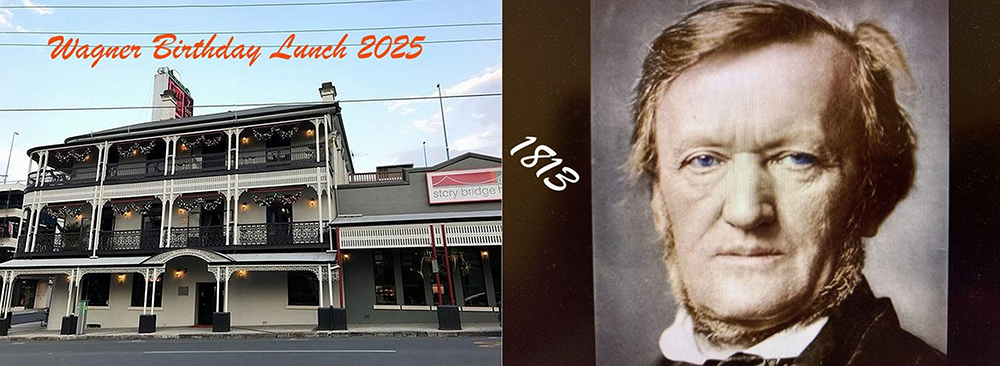
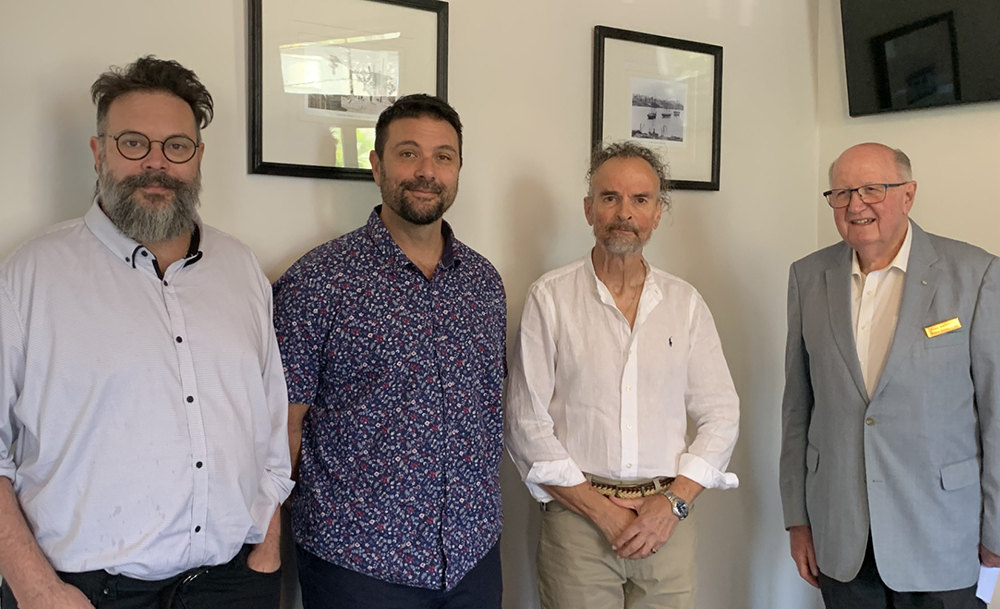
Our Society held a Lunch in the Heritage Room of the Story Bridge Hotel on Saturday 24th May to celebrate the 212th anniversary of the birth of Richard Wagner. Twenty-nine members and their guests enjoyed the delicious lunch which was coordinated by Rosemary Cater-Smith (thank you Rosemary!) and was followed by a stimulating talk by Michael John.
Wagner’s Quest for the Ideal: Music, Drama, and the Poetics of Opera (Some excerpts from Michael John’s presentation)
“Wagner was through and through an artist; he thought, felt, saw and encountered the world as only a committed artist may. It may be argued that music as an art form affects a person more deeply than written or spoken text, a theatre production, or art in the form of canvases or sculpture. Wagner’s clear intention in his mature operas was to summon intangibles to present themselves as fully as may be possible through the medium of an aesthetic totality composed of music, singing/libretti, acting and staging.
Wagner undeniably was an arch Romantic, a bold voyager on a radical critical adventure in sublime art to embrace the realm of the Gods, a journey informed additionally by his classic idealism which privileged the golden age of Hellenic Greek culture and the misty, dark deep woods of Germanic folk tradition. We might profitably unpack some relevant considerations regarding a critical poesis from the writings of Wagner’s Irish contemporary, Gerard Manley Hopkins, and, in particular, his theory of poetic form.
In Hopkins’ eyes poetry may be qualitatively differentiated from ordinary language by its structure or artifice. Poetry is a kind of language frequently distinguished by structural regularities, patterned sound (rhyme & metre) and semantic content. Here we encounter the aesthetic principle of ‘inscape’, the actual rhyme and meter of a babbling, gurgling, splashing Irish rivulet must sing forth from the stress in the language of the recited poem. Anyone even cursorily acquainted with The Wreck of the Deutschland, Hopkin’s most formally perfect poem, a monumental poem which lurches and surges over 280 lines telling of the death in swirling winter foam of five Franciscan Nuns who drowned in those horrid hours when the foundered Deutschland slowly broke-up between midnight and morning of December 7th 1875, will have no perception of an ongoing counterpoint in sprung rhyme with the distribution of stresses in its 35 stanzas. Hopkins’ theory of poetic form, which he sought to perfect in his works, is that the more highly and intricately structured a work is, the more it will appear to have no structure at all.”
Photography Jennifer Lawrence and Marion Pender
RICHARD WAGNER AND THE ART OF SONG BY PETER BASSETT. Saturday 29 March 2025
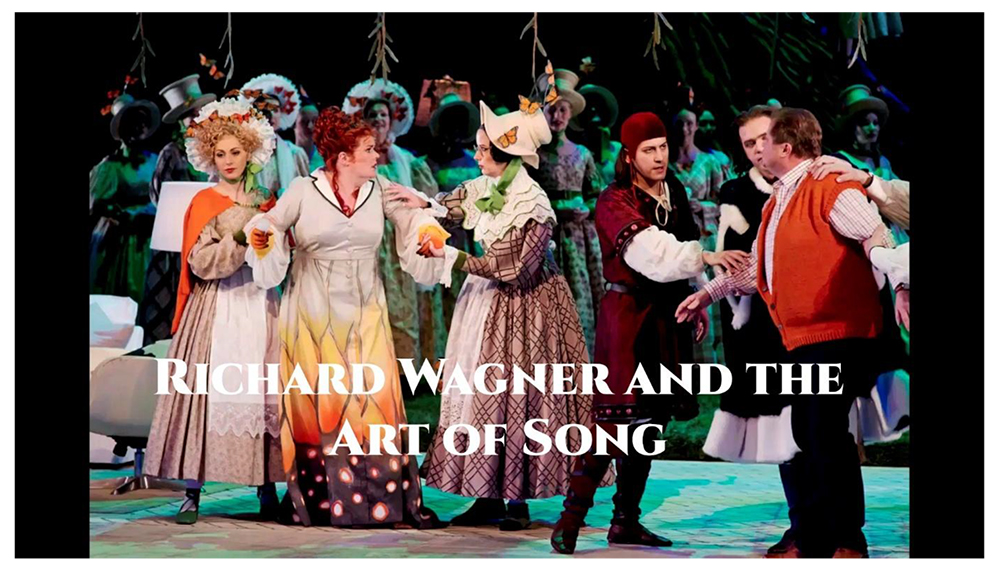
This brilliant talk by our President Dr Peter Bassett (hereafter Peter) was fascinating not only because of its subject and style of presentation but because it was filled with relevant pictures and many wonderful musical excerpts.
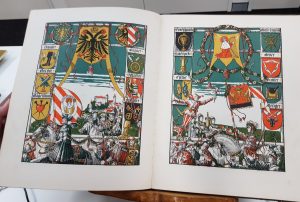
These illustrated the topic of the talk which was how Wagner developed in his way of treating the human voice, which he regarded as the premium musical instrument. The main point of Peter’s talk was the importance of singing and the art of song throughout Wagner’s career from his earliest opera Die Feen (The Fairies) [shown above] through to his last, Parsifal. His stress was on how Wagner’s process of development in song showed his genius as a composer and innovator. But the range of singers was also great, from all periods, but also all ranges, soprano, mezzo, tenor and baritone.
The talk began with examples of singers who had actually been active in Wagner’s time. Though sound recording was not invented until after Wagner died, there are still recordings of singers known to Wagner or who sang in Wagner’s time. For example, Hermann Winkelmann who premiered the role of Parsifal in 1882 made a still surviving recording from 1905.
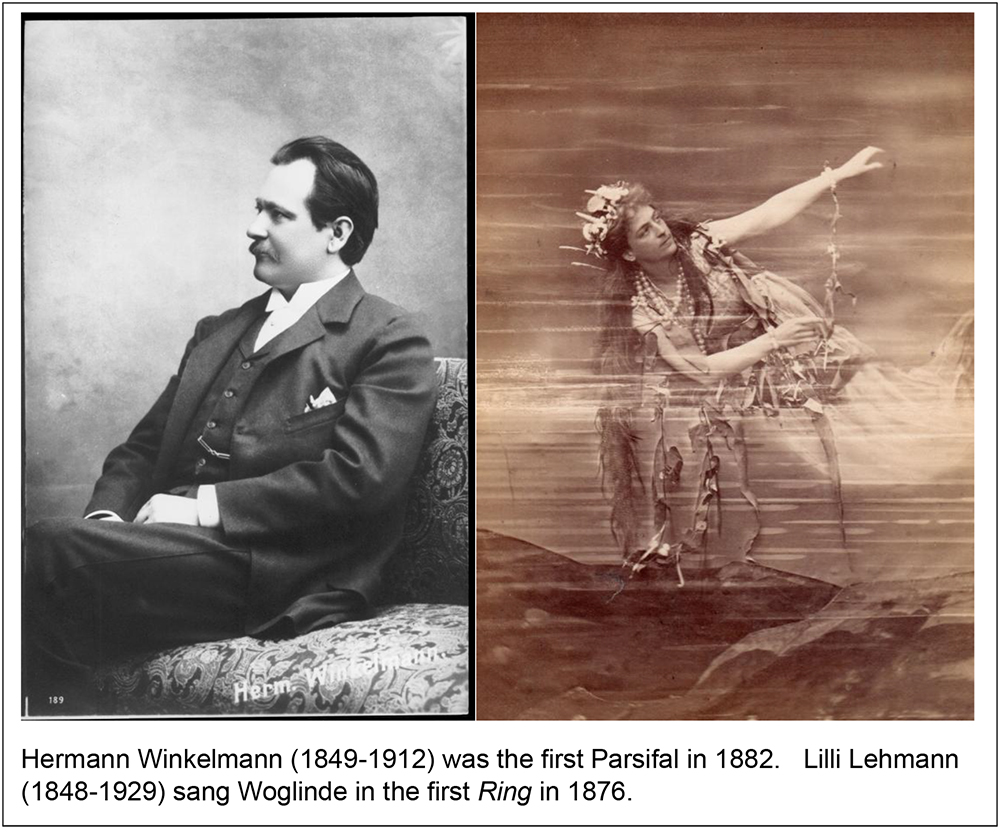
Winkelmann’s fine voice was exemplified in the Prize Song in Die Meistersinger, accompanied by a piano, not an orchestra, but it showed us the quality and strength of Winkelmann’s voice. The famous Lilli Lehmann, not to be confused with the later Lotte Lehmann, made a still surviving recording in 1907. Peter collected these when in Germany and they still give us a fascinating glimpse into the earliest singers of Wagner’s music.
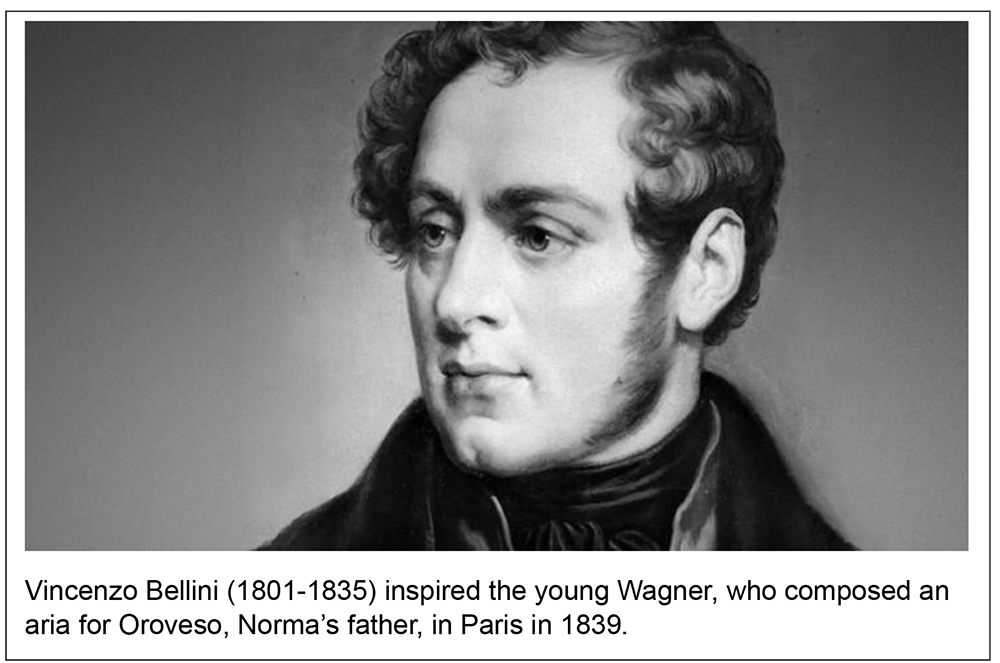
What made this talk so interesting was Wagner’s development from earlier in his life, when he took Italian Vincenzo Bellini as his model, to the mature Wagner who changed music with his epoch-making and highly original Trisan und Isolde, to his last work Parsifal.
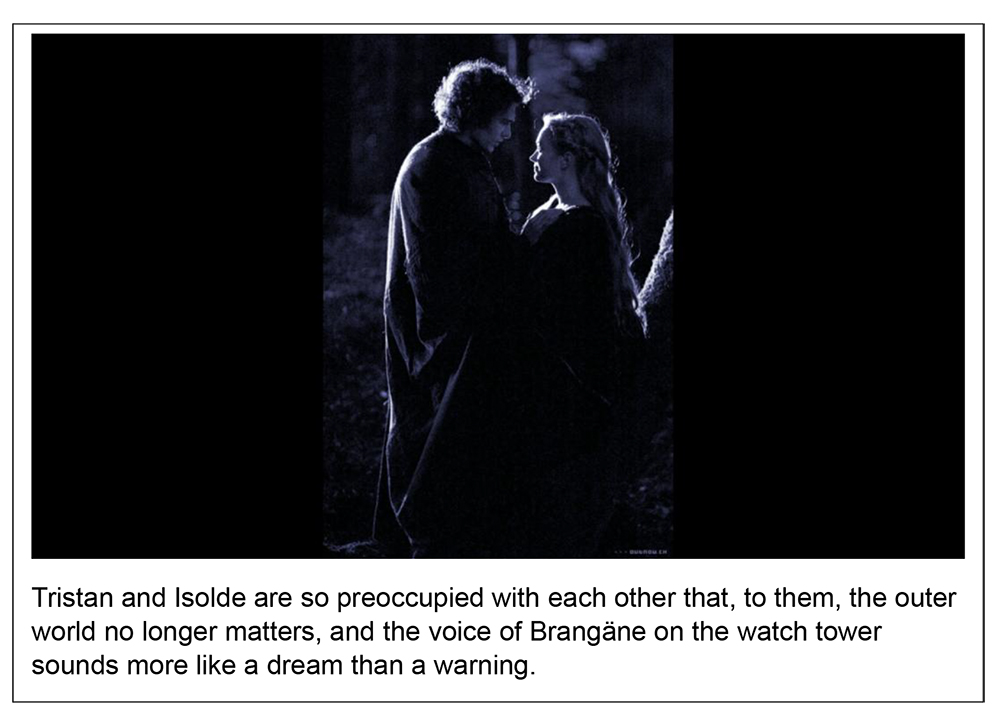
The musical illustrations were too numerous to list. One that struck me with particular force was Peter’s reference to the marvellous Wilhelm Fürtwängler recording of Tristan from 1952, which featured also Kirsten Flagstad as Isolde and Ludwig Suthaus as Tristan. He said listening to this recording as a youth had changed his life through its magnificence and through its exposure of the wonderful, epochal work that is Tristan, and through it to Wagner in general. I would like to add, on a personal note, that I bought this recording very soon after it came out and was similarly affected by this wonderful music and recording. The excerpt he played was Brangäne’s warning from Act II, with Blanche Thebom singing. This extremely innovative music has a unique dreamlike quality about it, with innovative harmonies and the kind of sound never heard before. And Brangäne’s last words “Schon weicht dem Tag die Nacht” (“Soon night will give way to day”) shows its expression of night, and connection with love! What music this is!! I have even heard it claimed as the most beautiful music ever written.
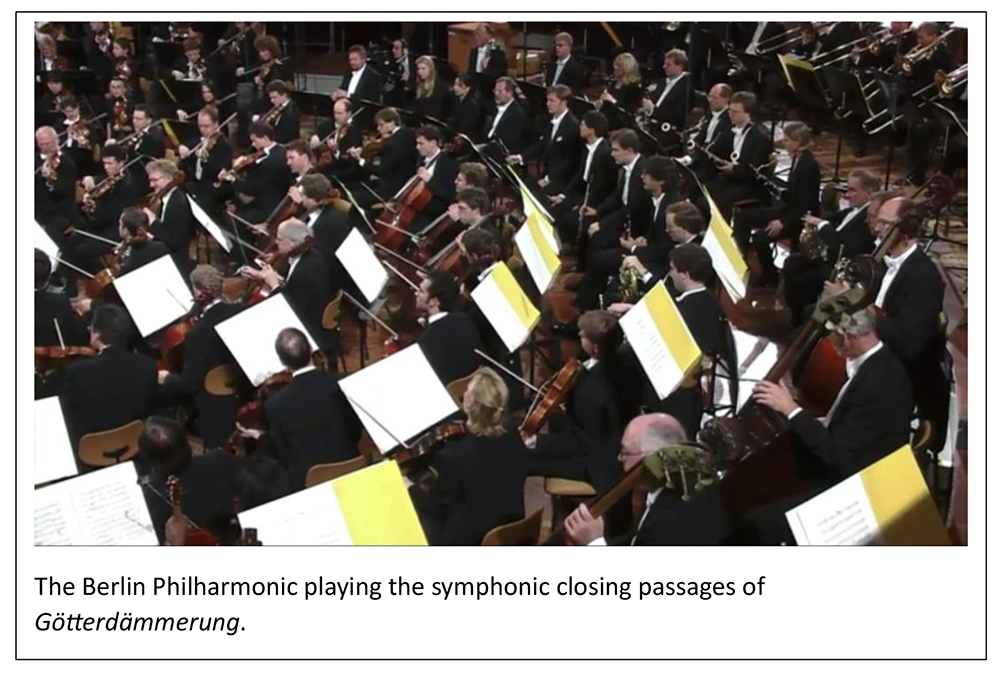
Another illustration was the last pages of Parsifal, also among the most beautiful music ever written. Peter’s comment was that singing was still central to Wagner even in passages that are mainly instrumental. After all, a chorus sings “Erlösung dem Erlőser” (Redemption to the Redeemer) even after Parsifal has sung his last notes.
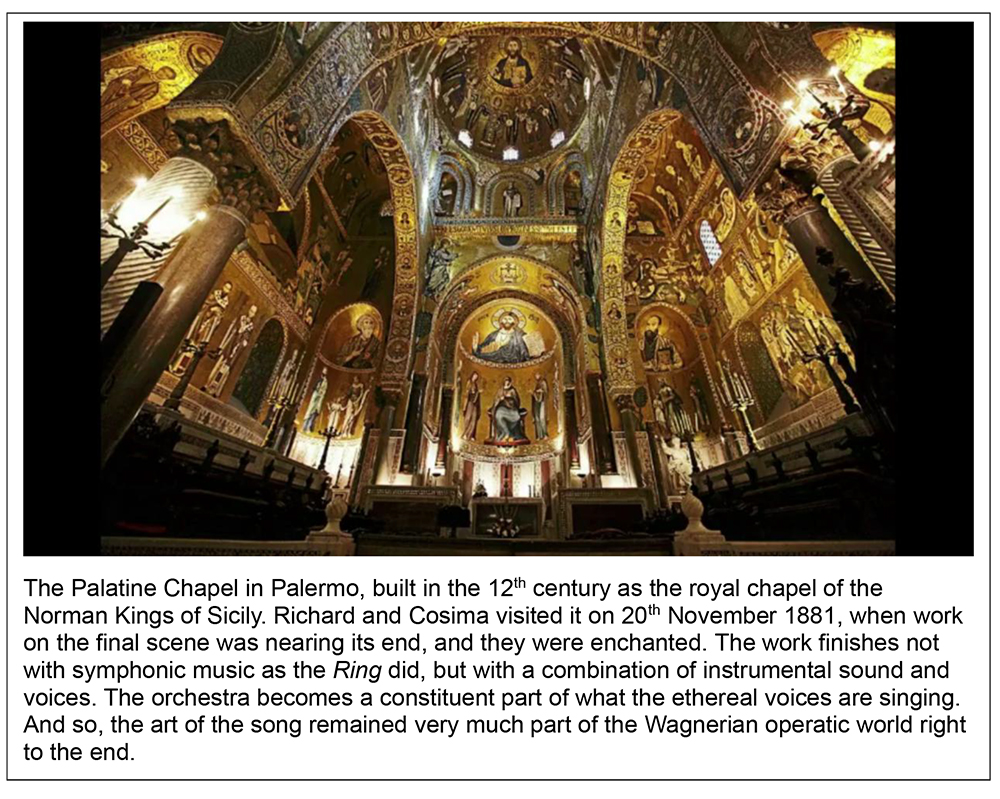
Peter’s vast scholarship on Wagner and clarity of presentation, together with many excerpts of really beautiful music, the great majority illustrating stages in Wagner’s approach to singing, made this an uplifting, fascinating and wonderful talk.
Observations by Professor Colin Mackerras
Meeting photography by Judy Xavier
PARSIFAL REANALYSED BY PROFESSOR COLIN MACKERRAS. Saturday 15 February 2025
Some forty WSQ members and guests were treated to a masterful presentation by Prof Mackerras (hereafter Colin) which commenced our lecture series at the reclaimed venue of 4MBS. The orientation of Colin’s address was to surmount the diehard humbugs of antisemitism and blasphemy not infrequently directed at Wagner’s last opera, and, achieving this, from the standpoint of ‘redemption’ to consider the philosophical and spiritual fabric of this mighty work as conveyed by its music as much as the libretto. Certainly, no small feat given the allotted time of seventy minutes, even for an accomplished scholar.
Structurally, Colin opted to stretch members’ processing capacity with twenty-seven PowerPoints, each made-up of around six detailed dot points, such that the lecture was guided into three long excerpts of music – no mean feat. Colin traversed this material with pivotal excerpts from the libretto as sung in German, and here his fluency, emphasis and passion greatly aided grasping key features of the opera’s plot. Wagner defined his masterpiece as a ‘Bühnenweihfestspiel’ – a stage consecration festival drama – and moreover, defended the work from accusations of being puritanical on sex and sacrilegious (Nietzsche – Robert Greenberg was worse still!) by stating that ‘art saves the spiritual value, it doesn’t represent religious allegories being the composer’s invention’. Interestingly, the Nazis (never known for insight) wouldn’t allow the opera’s performance as they judged it too pacifistic. Having demolished the misanthropic charges of humbugs, Colin leant into the conceptual fabric and frequently sublime music of Parsifal.
Compassion and forgiveness, the twin elements of redemption. Here consummate Soprano Frida Leider is Kundry; ‘Ich Sah das Kind’ lilts forth in smooth marshmallow tones as she seeks to seduce our innocent fool. Having thus enchanted her prey, she seeks his damnation with ‘the first kiss of love’, manoeuvring a mother’s mortal longing for her lost son into the wanton embrace of sexual abandonment. ‘Nein! Nein!’ Parsifal cries forcefully with agonised remembrance of Amfortas, ‘Redeemer save me from this woman’. Colin held us spellbound. The curse is broken, innocence is lost and Parsifal sees the world clearly. While consumed herself with longing for redemption, Kundry, condemned to endless transmigration of her soul through her mocking of Christ, remarkably refuses Parsifal’s bargain to bestow this miracle simply in exchange for her guidance back to the Grail’s sanctuary.
To depressurise members, Colin moved us to Act III, Good Friday, and the melodious, spiritually-swooning duet between Ludwig Weber (Gurnemanz) and Wolfgang Windgassen (Parsifal) – Bayreuth, 1951 – as the new Grail Knights’ King is anointed, and then into the exquisite music of the final scene (Met production) where Kundry, in her dying gratitude, reaches her hands towards Parsifal with the Grail.

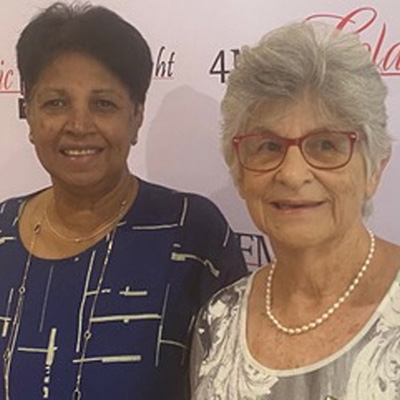
Observations by Michael John
Photography by Cathie Duffy and Jennifer Lawrence
WAGNER SOCIETY AGM & RECITAL. Saturday 30 November 2024.
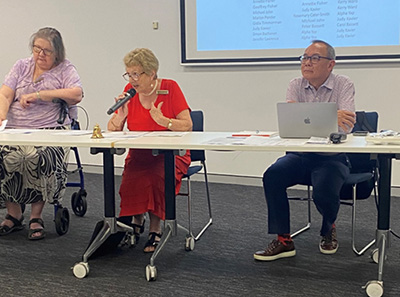
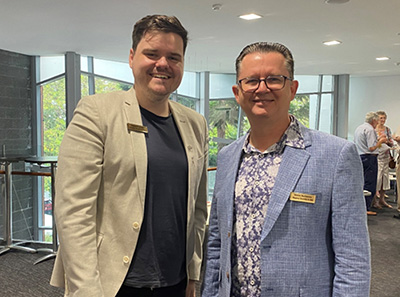
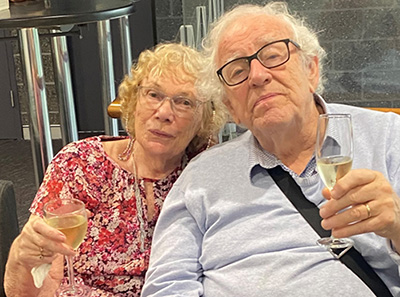
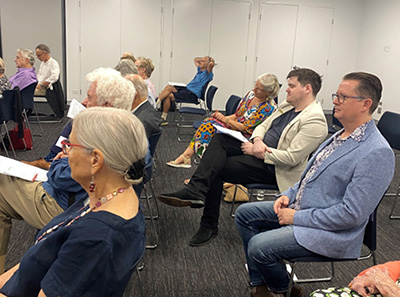
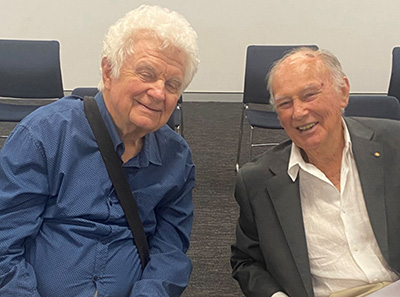
Our final meeting of the year began with the AGM for 2024, which thanked Rosemary Cater-Smith for her dedication and service as President, and welcomed the 2025 Committee led by President-elect, Peter Bassett. This was followed by our traditional Christmas party with a special added treat: violin and piano arrangements of selections from Wagner’s work performed by Warwick Adeney (former concertmaster of QSO who effortlessly segued between violin and viola) and Stephen Emmerson. They played an already-existing version of the Prize Song from Die Meistersinger; Träume, the final song of the Wesendonck Lieder – unmodified except that Warwick’s viola took the place of the voice, and Stephen’s new arrangements of two scenes from Die Walküre: Sieglinde’s narrative from Act I and the Magic Fire Music from the very end of the opera.
It might have seemed a rather quixotic thing to arrange Wagner’s eloquent orchestral narratives for the duo format. But, as Stephen noted in his introductory comments, this was a common thing before the age of recordings, indeed arrangements played as house-music would have been how many people discovered the music. And it was fascinating and magical. If the Meistersinger Prize song sounded a little like salon music, perhaps this was how the music was commonly refracted in the home. In contrast, the eloquence of Träume and the Walküre extracts was direct and moving in the performances. Especially striking was how well the viola worked substituting for Sieglinde. It was a wonderful way to celebrate the end of 2024.





Observations by Alpha Yap
Photography by Cathie Duffy and Jennifer Lawrence
THE FLYING DUTCHMAN – COMMENTARY AND ANALYSIS by Peter Bassett. Saturday 19 October 2024.
For the text of Peter Bassett’s talk, please click here to download pdf.
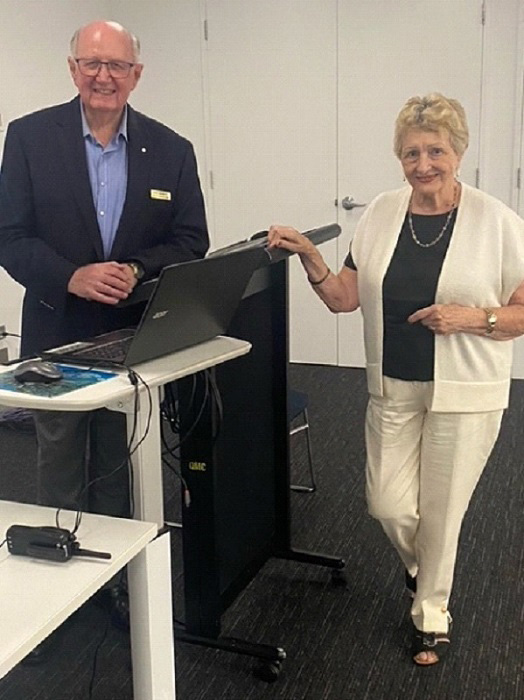
Tour de force: Der fliegende Holländer, Dr Peter Bassett
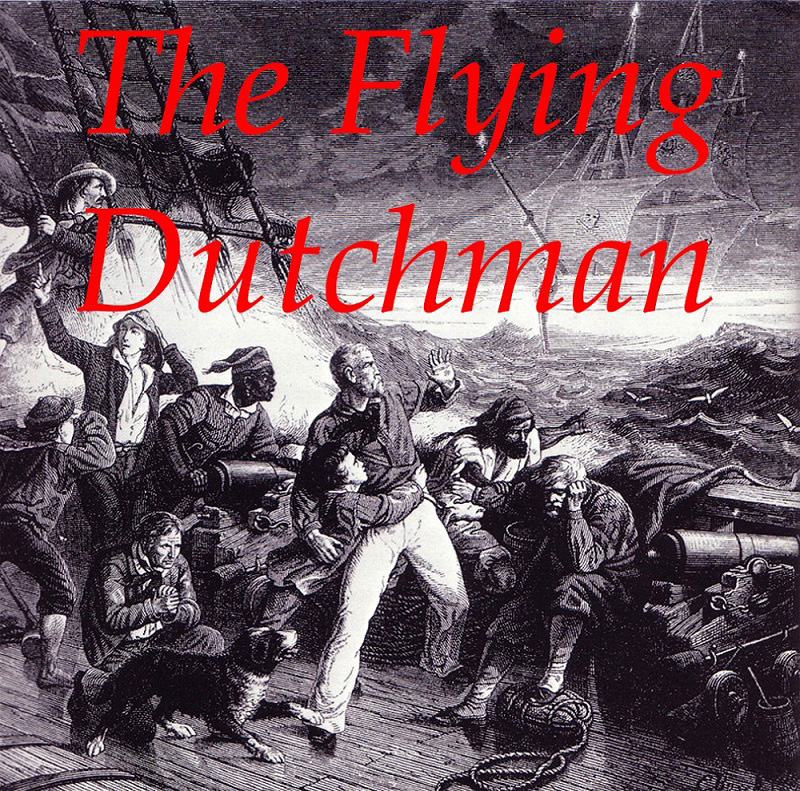
Peter loosely structured his lecture around three domains of interest: (i) The opera’s presented content; (ii) the characters’ psychological machinations, and (iii) fate or forces beyond human control. My lecture commentary will follow suit. As members have come to anticipate from Peter, he comprehensively traversed the opera’s three acts with seven selected excerpts of duets and arias to counterpoint the deeper themes being played out: Daland’s desire for a win/win outcome (wealth and a married daughter), Senta’s belief in her higher-purpose (redemption of the Dutchman), Erik’s tedious pedestrianism, and the Dutchman’s longing for peace through eternal oblivion. Clearly much more than a poignant potion for tragedy. I might mention additionally Peter’s attention to the condemned crew of the Flying Dutchman’s ship, confused and wretched ghosts who wrote letters to long-dead loved ones at home.
Regarding the opera’s psychological insights into Wagner’s mind, Peter built the case that, indeed, Wagner was a Dutchman-like driven genius, making landfall only periodically (releasing a new work) and then setting sail for an idealised new creation to contain his music and dramatic artistry. Allied to this thesis, Peter highlighted the familial deaths (especially his beloved older sister) and emotional longing which blighted Wagner’s early development, and hence, moreover, Wagner’s need of assured women who, in turn, he could idealise. Hence, Peter revisited the standpoint of ‘the eternal feminine’ infusing the Wagnerian ‘total aesthetic’. Fascinatingly too, Peter supported the understanding that Wagner’s Paris experiences with his influential predecessor Giacomo Meyerbeer were at the root of Wagner’s later distinctive antisemitism.
Finally, what does Der fliegende Holländer reveal about Wagner’s philosophical historicity? We plainly see oblivion overturned by faith leading to transfiguration; the way is thus open for a more sophisticated analysis of apparent human reality as captured particularly with Tristan und Isolde (with a big shout-out to Mathilde Wesendonck). So, is it an esoteric sensibility which we commonly represent under the umbrella term ‘love’ which best epitomises the total aesthetic of drama and music quested for by Wagner? It’s a working hypothesis certainly, and yet we are ourselves haunted by the closing scene of The Ring, a tranquil Rhine perhaps depicting a force above gods or fate … we feel its presence.
Observations by Dr Michael John
Meeting photography by Jennifer Lawrence
MOVIE AFTERNOON – DIE MEISTERSINGER GLYNDEBOURNE PRODUCTION – Elizabeth Picture Theatre. Saturday 21 September 2024.
“New is my heart, new my mind, new is everything I do.” (Walther von Stolzing)
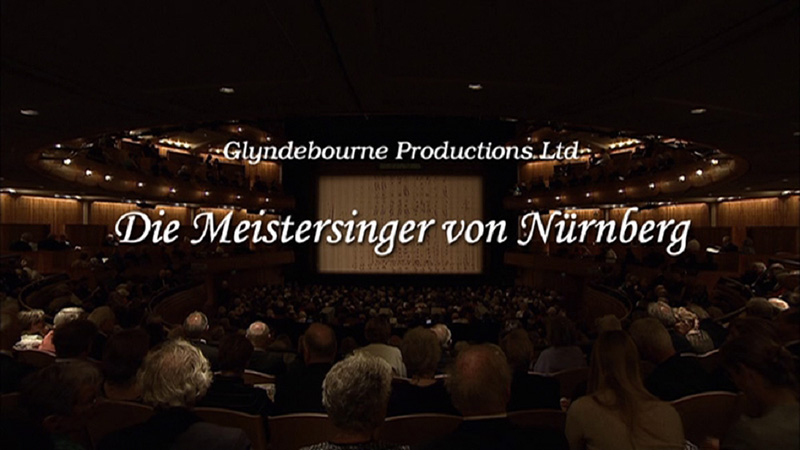
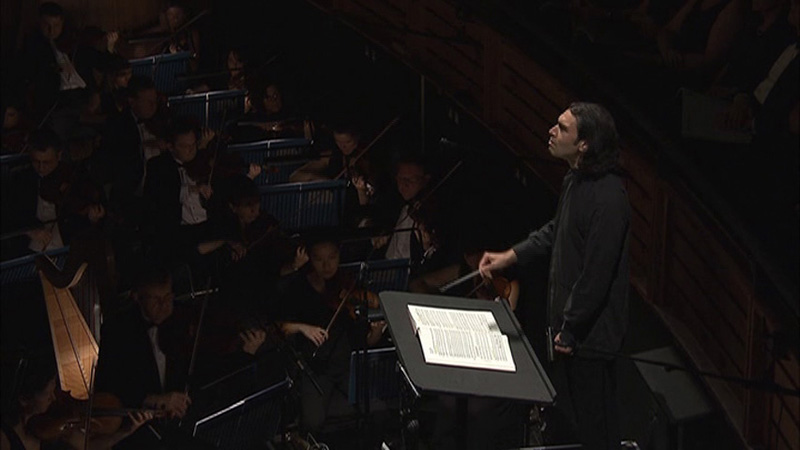
Die Meistersinger von Nürnberg Prelude
The orchestral prelude begins with a broad, confident theme of the guild of Mastersingers and their dedication to Nuremberg and to the arts of poetry and music.
The lyrical second theme, with its hint of impetuous ardour, is a foretaste of Walther’s prize song. It gently ruffles the prevailing mood of self-satisfaction.
Doubts are swept aside by the third theme, a magisterial fanfare derived from an authentic Mastersinger melody of the 16th Century. The guild draws strength from its traditions and from its patron, the harpist and poet King David – a connection emphasised by the prominent use of the harp throughout this passage.
A fourth theme emerges – a soaring expression of the Mastersingers’ devotion to poetry and music, which leads directly into a fifth theme – the final melody of the prize song expressing Walther’s love for Eva. The implication is clear (to the composer if not to the Mastersingers at this stage) – those who value art should be willing to embrace new forms if these flow genuinely from the heart.
All five themes and related motifs burst into a flowering of different ideas and feelings until the first, third and fifth combine in counterpoint to express the unity of the old and the new. The fourth theme with its soaring paean to poetry and music returns to put its seal on all that has gone before, and to bring the prelude to a radiant close.
Description of the Prelude from Peter Bassett’s eBook on Die Meistersinger von Nürnberg, provided with the author’s compliments to all members of the Wagner Society in Queensland and to Melbourne Opera to use in connection with their forthcoming production. See: www.peterbassett.com.au
—————————–
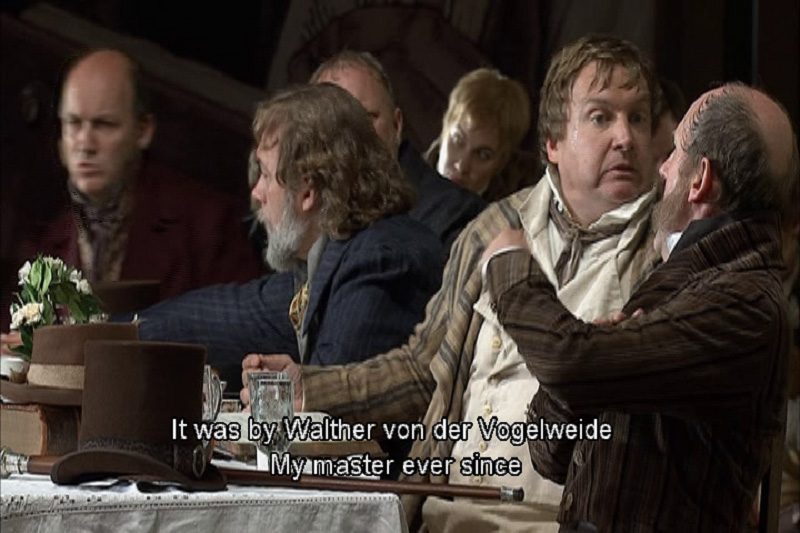
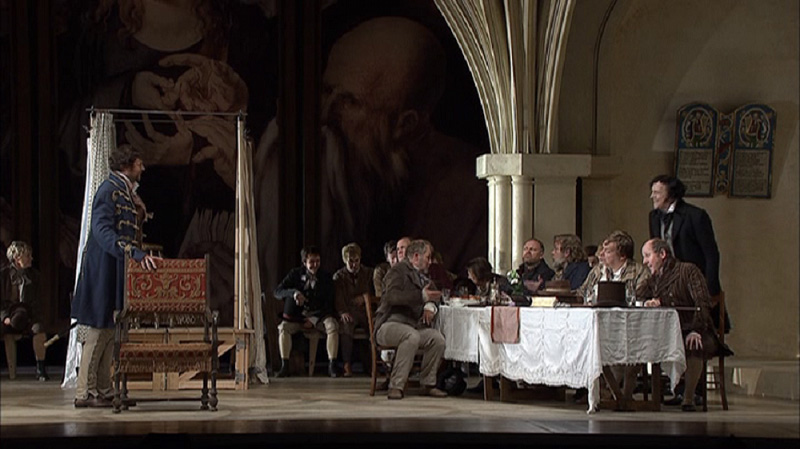
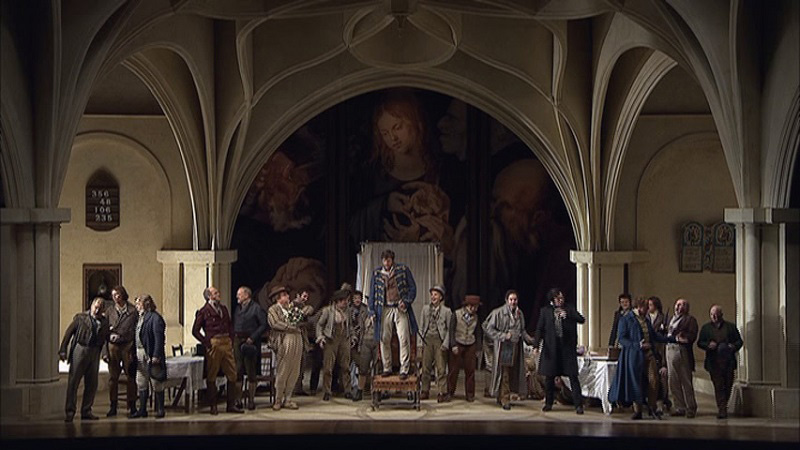
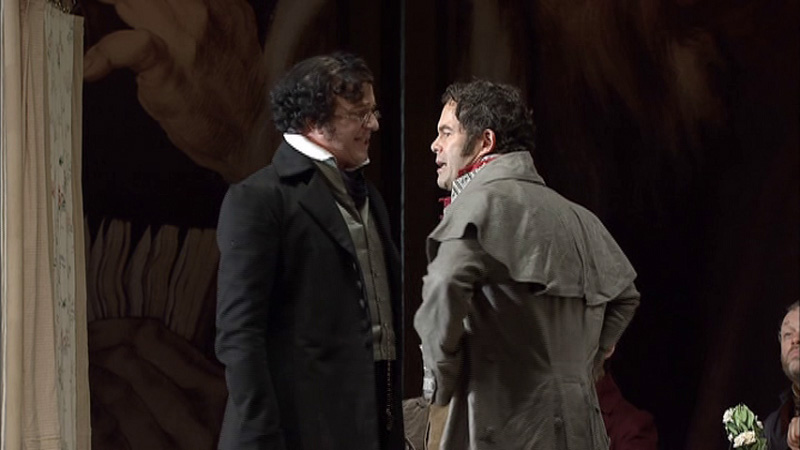
The Society’s September event of a private showing of Act I of Die Meistersinger von Nürnberg followed by a Reception with French cake and Prosecco in the elegant Reception room of The Elizabeth Picture Theatre in Elizabeth Street Brisbane (the former Irish Club) was one of the most enjoyable functions of the Society.
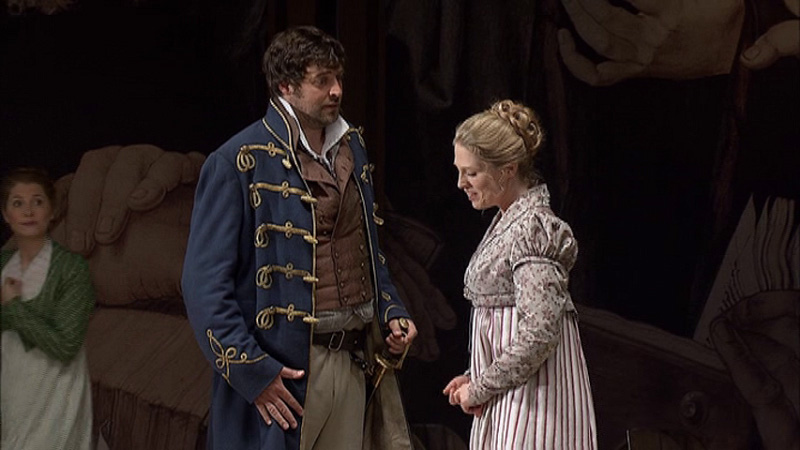
The production was sponsored by one of our members, Richard Hartley, and a complementary eBook looking at the opera in depth was donated by Peter Bassett. The Glyndebourne production by Sir David McVicar was beautifully crafted to evoke a very naturalistic approach to the opera that highlighted the various characters and the period in which the action was set, despite the costumes being a couple of centuries later! The Prelude under the baton of Vladimir Jurowski was exciting, and the high standard of the singing of all the main characters was faultless. It was wonderful to see a production that was true to Wagner’s vision and not the vision of a modern director! Gerald Finley was a very balanced Hans Sachs, and I look forward to Acts 2 and 3 when Marco Jentzsch as Walther comes into his own as his character matures and allows his singing to exude more melodic power, while maintaining the connection to nature that makes his character stand apart from the very conservative approach of the guild members. Similarly, the following Acts will give greater scope to Anna Gabler as Eva, but this Act gave a true feeling of the actual Meistersingers and even made Sixtus Beckmesser a little more human!
This is the second time that a similar event has been held by the Society, and the comfort and exclusiveness of seeing a good production on the large screen is so enjoyable that we look forward to it becoming a yearly highlight.
Observations by Rosemary Cater-Smith.
Meeting photography by Cathie Duffy, Jennifer Lawrence and Judy Xavier
WESENDONCK LIEDER. INTRODUCTION BY STEPHEN EMMERSON FOLLOWED BY A RECITAL BY REBECCA CASSIDY WITH STEPHEN EMMERSON. Saturday 17th August 2024.
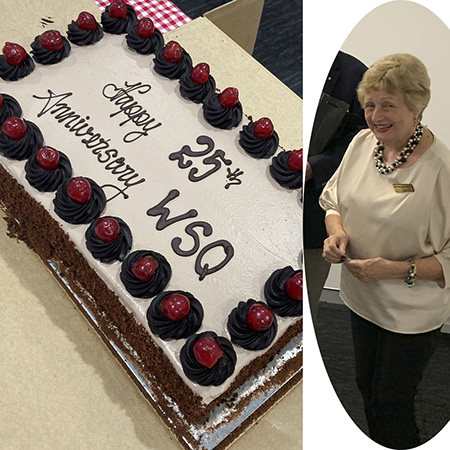
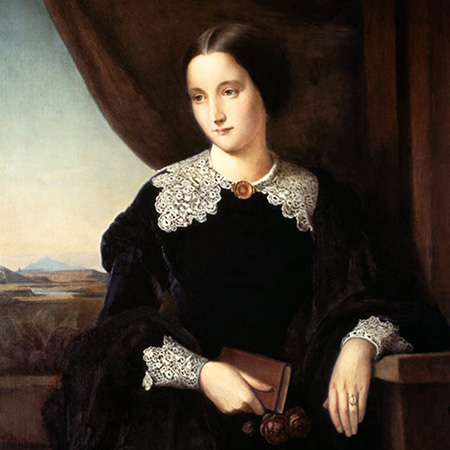
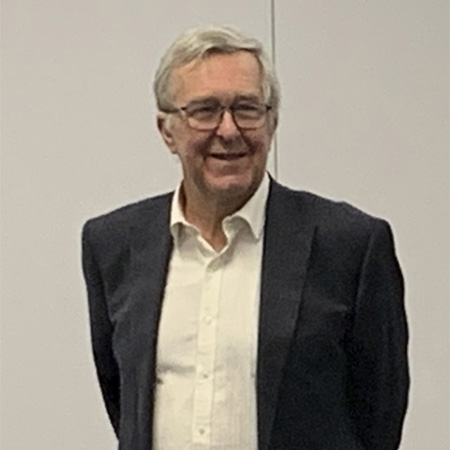
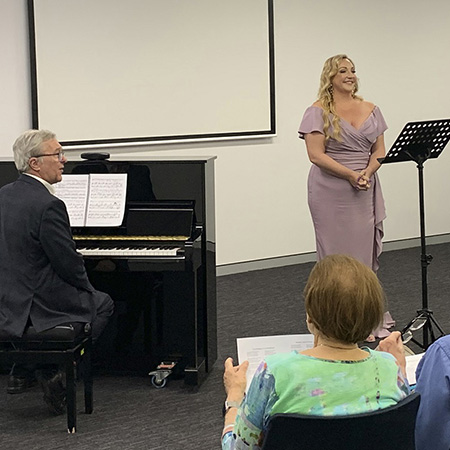
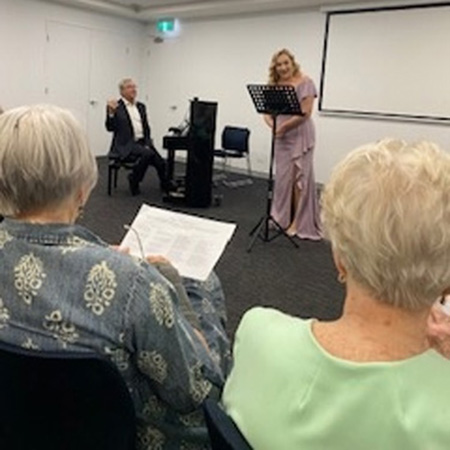
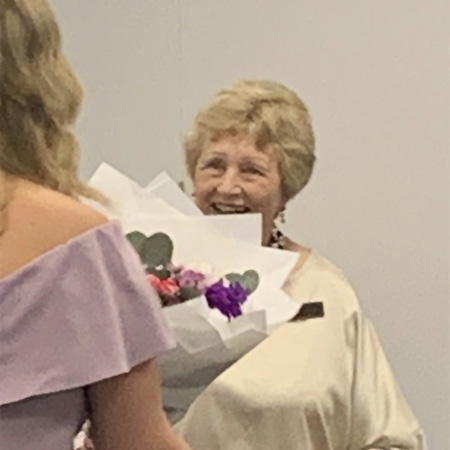
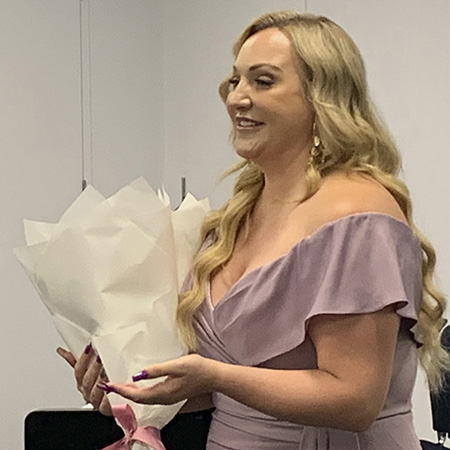
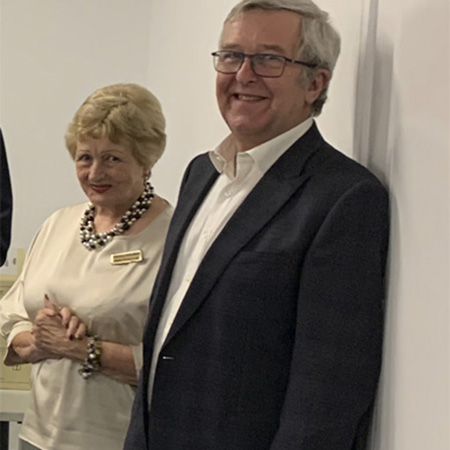
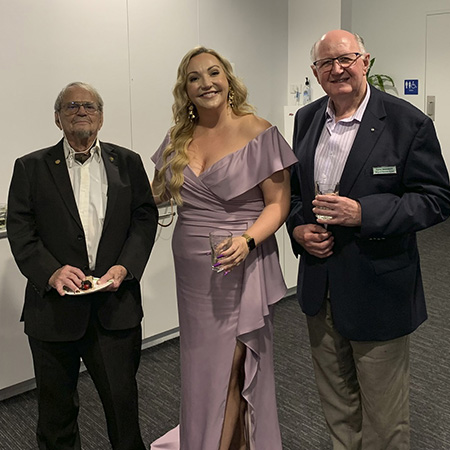
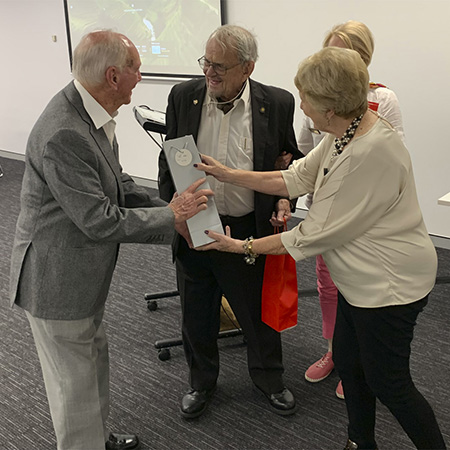
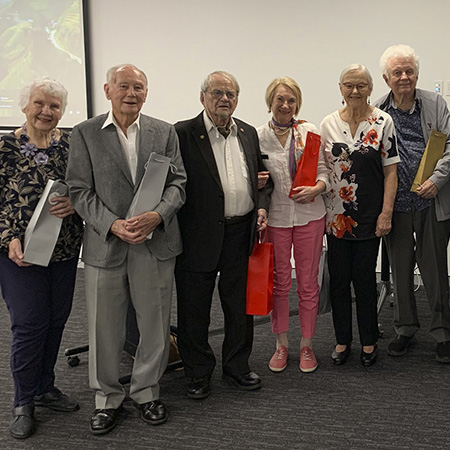
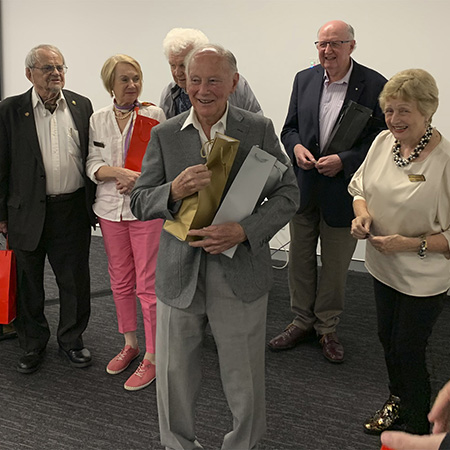
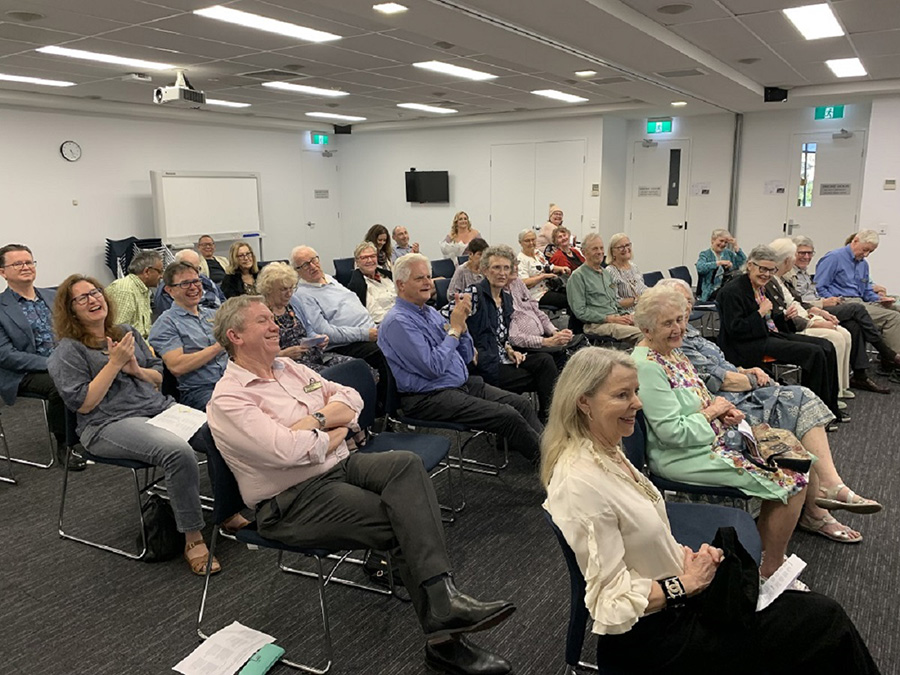
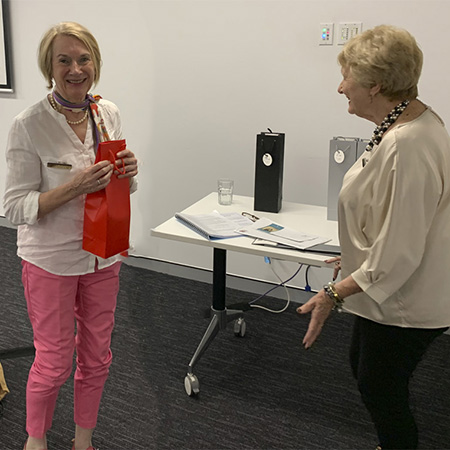
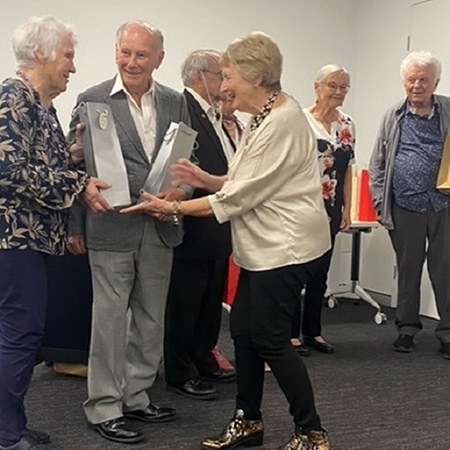
Saturday 17th August, 2024 was the 25th Anniversary of the founding of the Wagner Society in Qld. Following the performance of The Ring Cycle in Adelaide in 1998, a number of people got together with the intention of forming such a Society. Several informal meetings were held, and assistance was given by Peter Bassett who came to Brisbane from Adelaide. On 17th August 1999 a formal meeting was held appointing a Committee, of which Hal Davis was the first President. In 2024 six of those original members were present, as was Peter Bassett, and were presented with a bottle of Champagne to commemorate the event. A further bottle was raffled and won by one of the original members!
Stephen Emmerson gave a very enjoyable and most illuminating talk on the Wesendonck Lieder before a performance was given. He outlined the situation where Wagner and his wife Minna resided in a villa on the Wesendonck Estate, and Wagner’s relationship with Mathilde. It was a close spiritual relationship, but whether it was physical will never really be known. It was a very informative talk giving rise to a completely different assessment of Mathilde and showing her as a talented woman who spoke several languages and wrote poetry and plays.
A wonderful Concert of Wagner’s Wesendonck Lieder was then performed by Rebecca Cassidy and Stephen Emmerson. Rebecca is a soprano with a wonderful talent, recognized some years ago by her winning of the Wagner prize given by the Society. She has gone from strength to strength, performing with the Qld. Symphony Orchestra, the Qld. Youth orchestra and the Opera at Jimbour event with Ensemble Q. In singing the Wesendonck Lieder her voice was powerful but rounded with a lovely tone and a soaring ability to reach the high notes with ease. Stephen Emmerson had full command of the piano and gave his usual accomplished performance, and together they gave a concert that made it a wonderful afternoon.
Members mingled to chat over afternoon tea, and a 25th Anniversary cake was enjoyed by all, accompanied, of course, with a glass of Champagne.
Observations by Rosemary Cater-Smith. Photography by Michael John, Jennifer Lawrence, Tom Elich, and Rosemary Cater-Smith
TONY PALMER’S FILM ON ‘WAGNER’. EXCERPT. Saturday 20th July 2024.

The Society meeting on 20th July had a slightly different format with a showing of part of the excellent film ‘Wagner’ starring Richard Burton. The film, produced by Tony Palmer, was originally seven and three-quarters hours in length, but had been reduced to a nine part mini-series. Stephen Emmerson did an excellent job in editing a section of the film that commenced with Wagner’s involvement in the 1848 Dresden uprising and concluded with King Ludwig II’s accession to the throne of Bavaria and his offer to support Wagner for the remainder of his life – an offer that was very welcome given the usual parlous state of Wagner’s finances! Richard Burton excelled in the role of Wagner, and Gemma Craven brought Minna to life as the wife who was unable to understand her husband’s genius and sought a more prosaic future for them both. The music was a highlight of the film, conducted by Georg Solti, and the scenery, shot on location was outstanding. With the supporting cast of outstanding actors, this is a film that has not dated given that its original production was in 1983, and one was left with the feeling that the mini-series in its entirety would be worth watching.
Observations by Rosemary Cater-Smith
RECITAL BY DALLAS TIPPET, RECIPIENT OF THE SOCIETY’S 2023 ENCOURAGEMENT AWARD, ACCOMPANIED BY MATTIAS LOWER. Saturday 15th June 2024
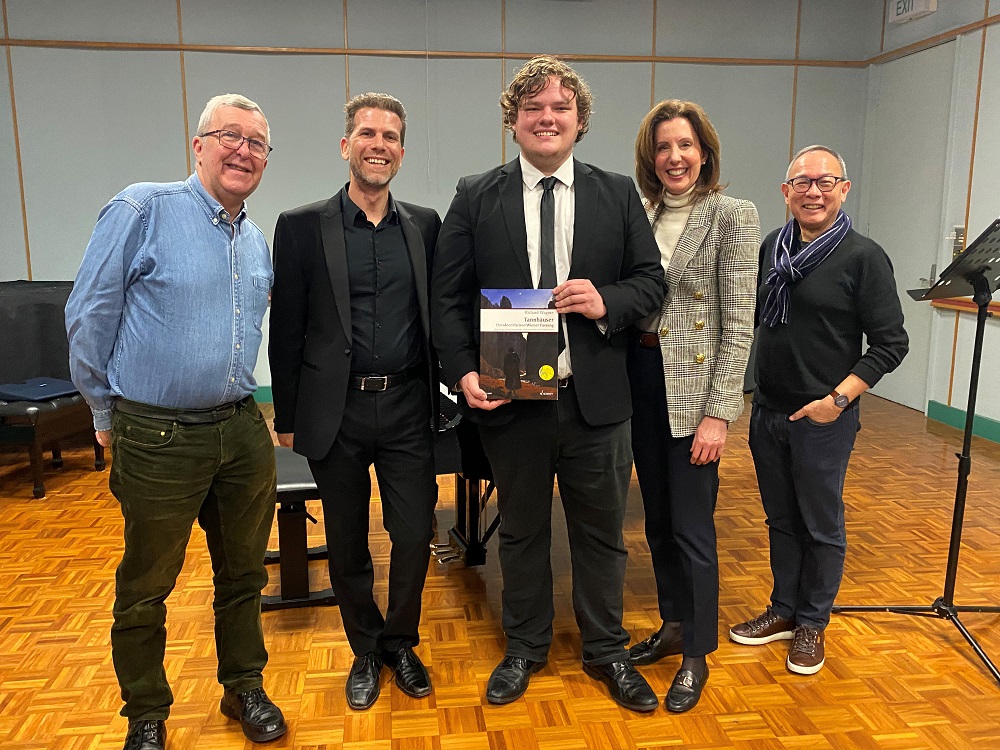
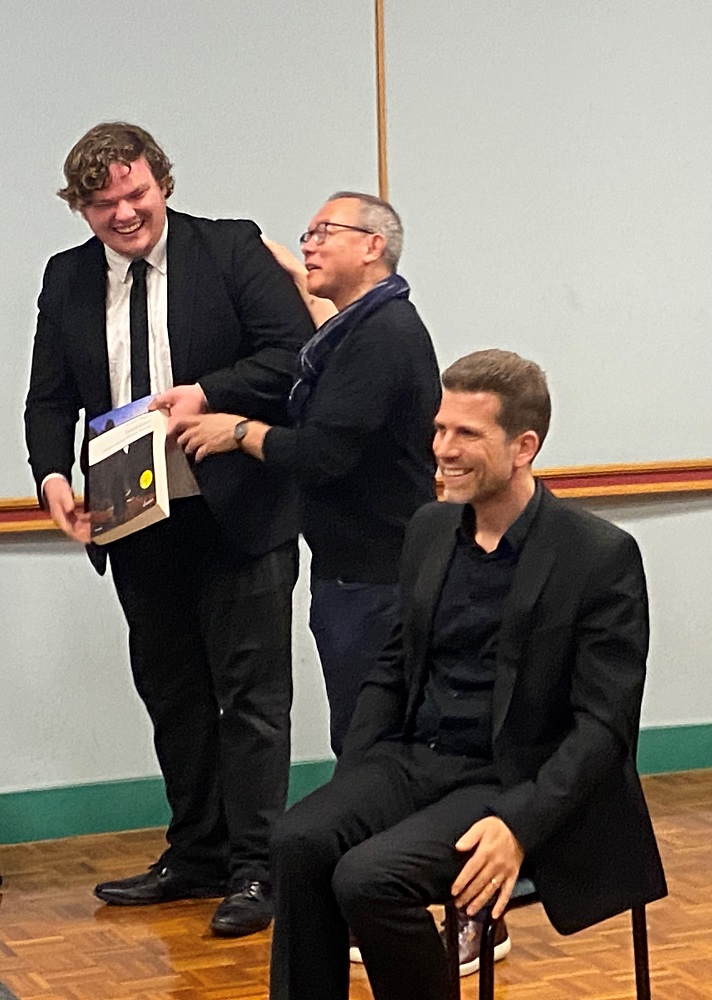
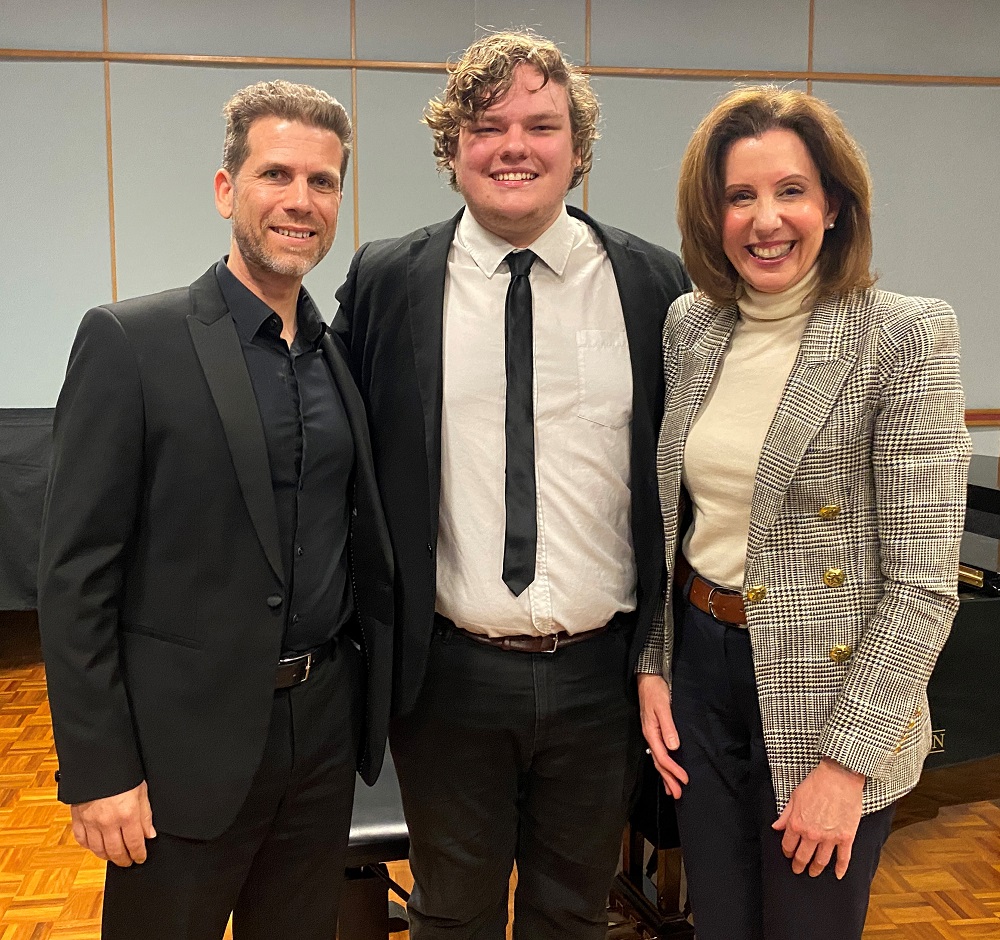
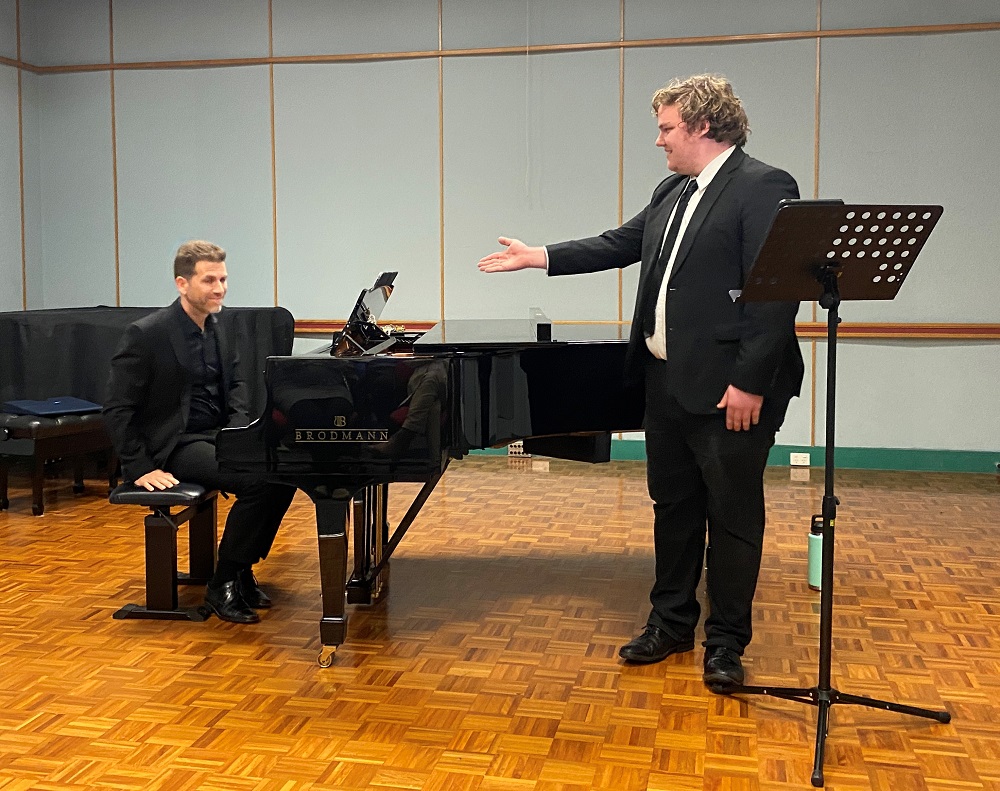
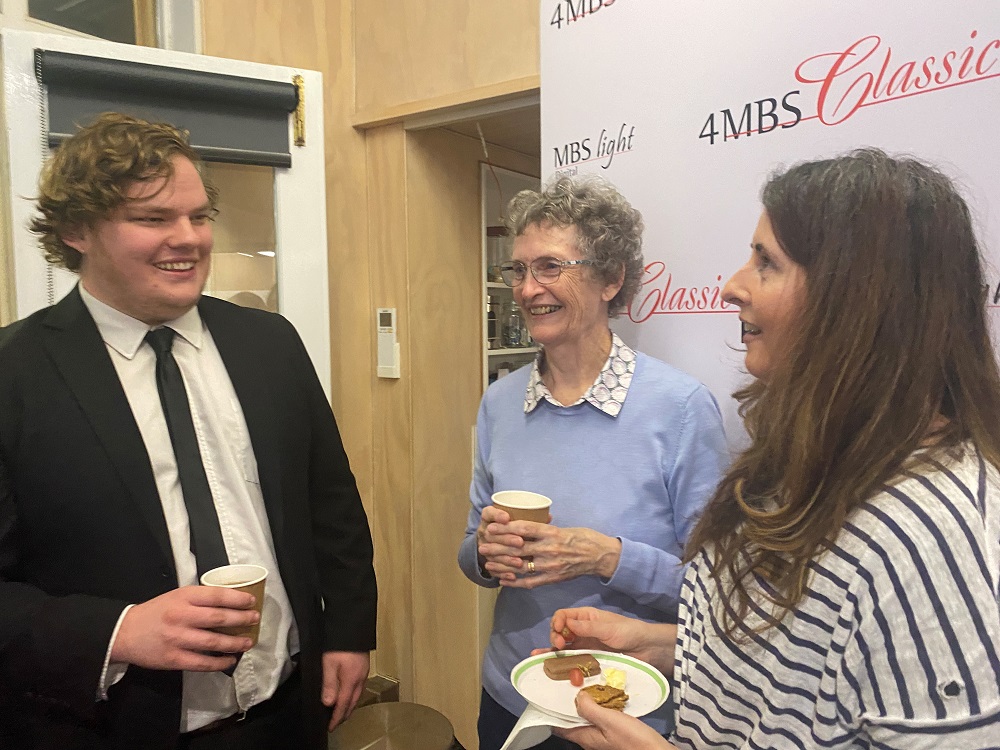
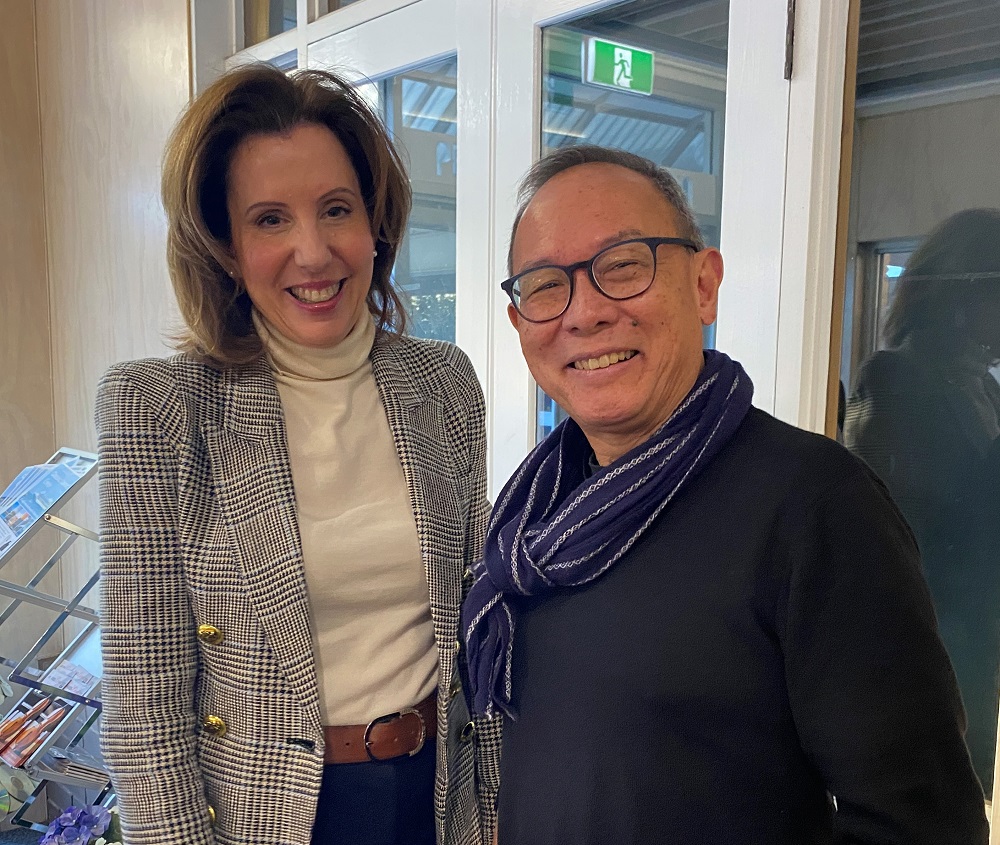
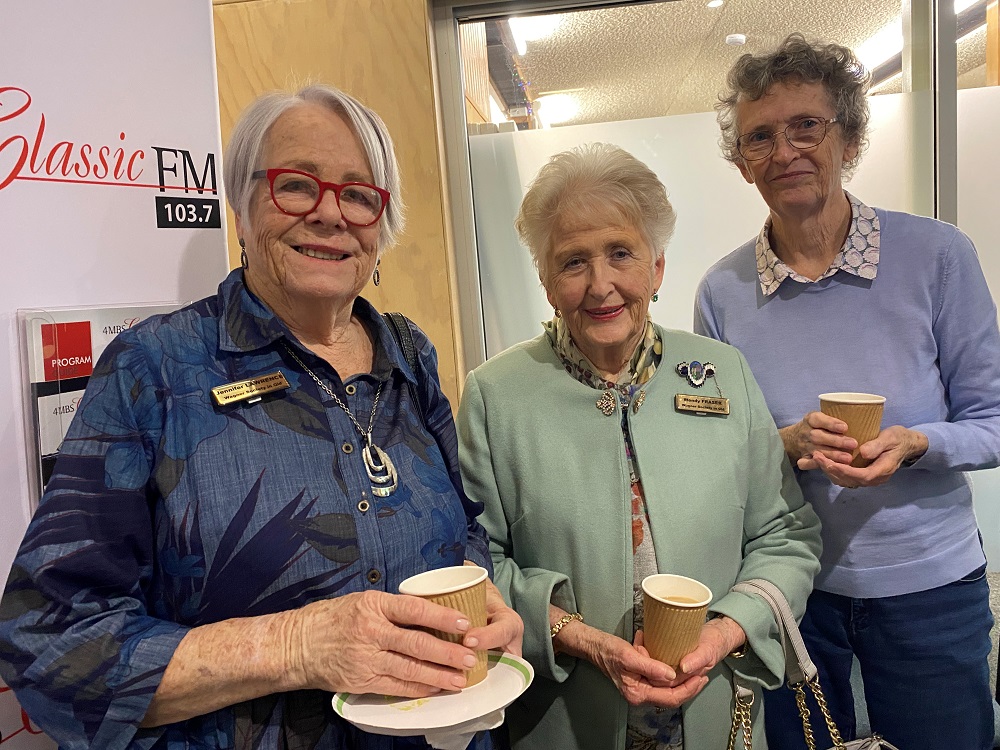
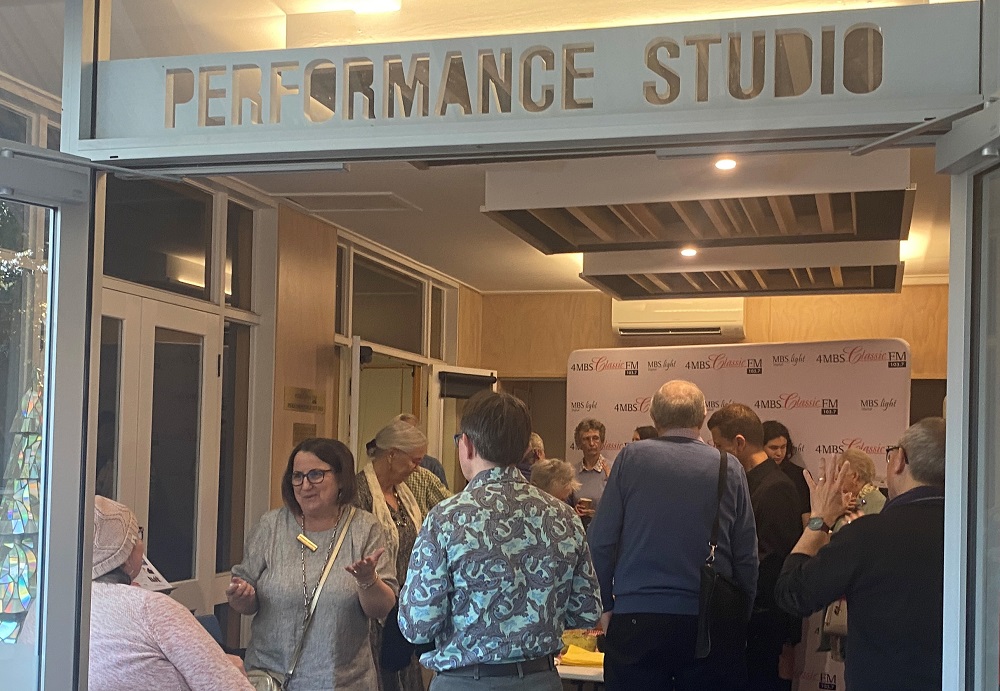
The Society was pleased to have as a recitalist at its June meeting the young baritone Dallas Tippet, winner of our 2023 Wagner Society Encouragement Award. This Award is offered on an annual basis, and those eligible are current tertiary students who, through performance in a major or minor role in a Conservatorium Opera production, best demonstrate vocal potential for a future career in large scale romantic operas in the style of Richard Wagner or Richard Strauss. The adjudicators are Heads of the Vocal and Opera Departments and all producers of opera programs during the year, and the Award is determined during the end-of-year examination period. The Queensland Conservatorium Griffith University is responsible for the administration of the Award and the managing of associated funds. We welcomed the attendance at the June 15th meeting of Associate Professor Margaret Schindler, Head of Vocal Studies of the Queensland Conservatorium Griffith University.
Accompanied on the piano by his singing teacher, tenor Mattias Lower, Dallas performed 4 musical items:
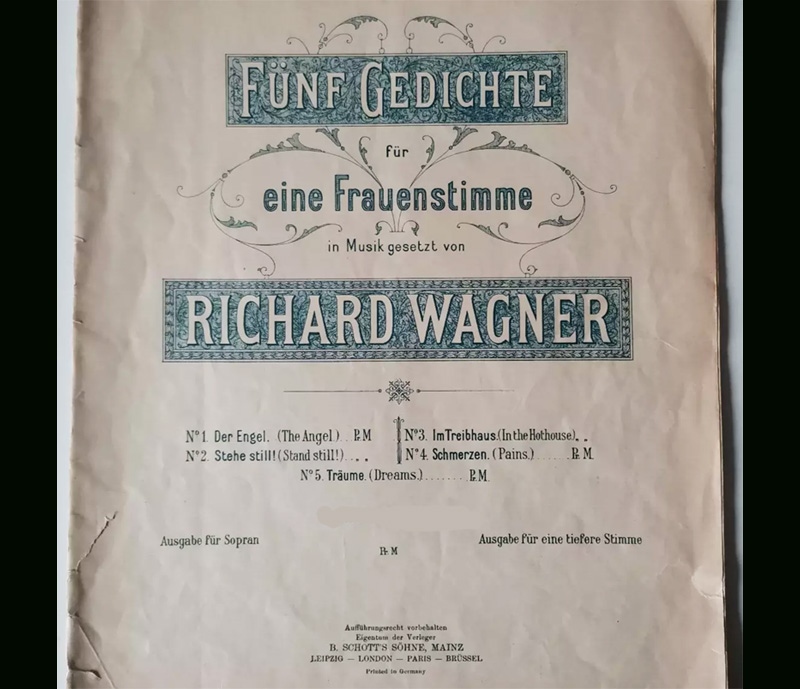
Träume – from Wagner’s Wesendonck Lieder
Mein Sehnen, mein Wähnen – from Korngold’s Die tote Stadt
Lieben, Hassen, Hoffen, Zagen – from Richard Strauss’s Ariadne auf Naxos
O du, mein holder Abendstern – from Wagner’s Tannhäuser
Dallas possesses a high baritone voice of beauty and flexibility, used to telling effect in meeting the challenges of technique and interpretation posed by the above musical items. The programme also included a discussion session, chaired by our Secretary Alpha Yap, when Dallas and teacher Mattias talked of Dallas’s development as an artist and his future career possibilities.
Though initially attracted to music theatre and jazz in high school, Dallas was persuaded by Mattias to give classical a go and ever since he has embraced with enthusiasm opera, art song and performance of other classical vocal music. While there are some vocal similarities to jazz, classical music demands more physically and emotionally and is for Dallas much more satisfying.
Dallas has undertaken his classical training at Queensland Conservatorium of Music, having completed his Bachelor of Music (Performance) at the end of 2022. He has just recently completed his Graduate Certificate and plans to finish his Master’s course in the middle of 2025.
Mattias has remained Dallas’s singing teacher for over 7 years. Their teacher/student relationship has been founded on mutual trust and a secure understanding of one another personally and artistically. During that time Dallas’s voice has developed from bass baritone to high baritone. In regard to the demands of performing classical repertoire, Dallas observed that movement classes at the Conservatorium aided stamina but that the singer must have mental resilience, must want to perform. Interpretatively, he felt that singers must find emotions from within themselves in response to the music rather than being too analytical.
Asked about repertoire progression and where his voice might go, Dallas was uncertain as to the ultimate destination. At this stage he is particularly interested in Mozart, Handel and Lieder, but he will continue to expand his repertoire in the high baritone range generally. Dallas added that he enjoyed English folk song, especially the songs of John Ireland. He agreed with Mattias that his voice could be suited to the lyric baritone roles of the Verdi operas.
After completing his Masters, Dallas hopes to engage in performance and further studies overseas. He intends to audition for a conservatorium in Germany or possibly the Royal Academy of Music in England. He will take every opportunity that may arise.
We wish Dallas every success as he works to develop his career as a classical singer.
Observations by Geoff Fisher
Photography by Cathie Duffy
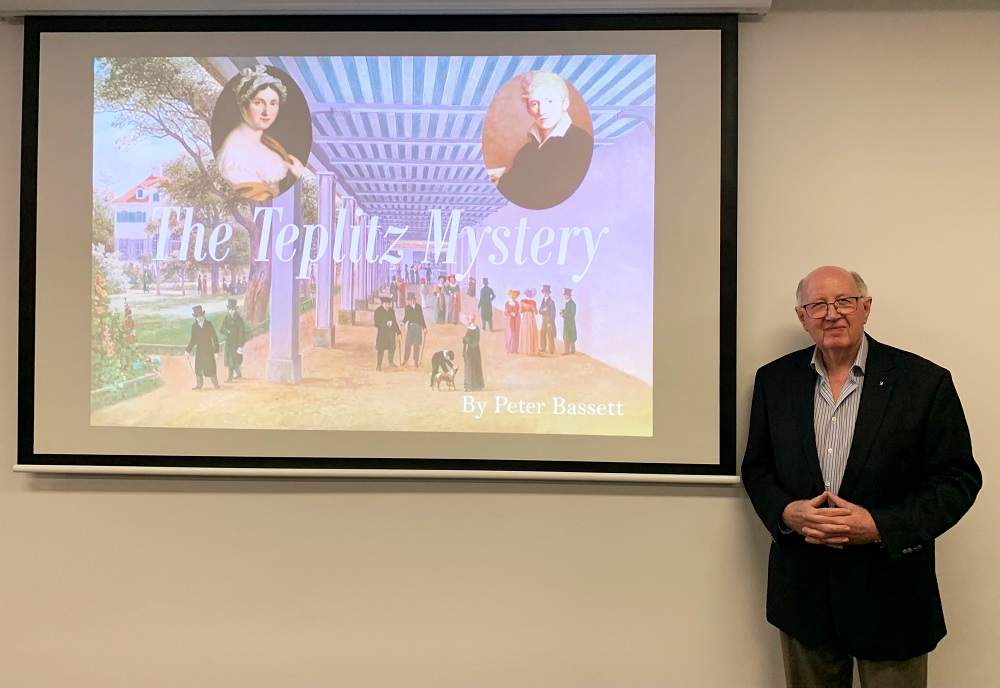
WAGNER’S BIRTHDAY LUNCH, AND A PRESENTATION ON ‘RICHARD WAGNER AND THE TEPLITZ MYSTERY’ By Peter Bassett, Saturday 18th May 2024
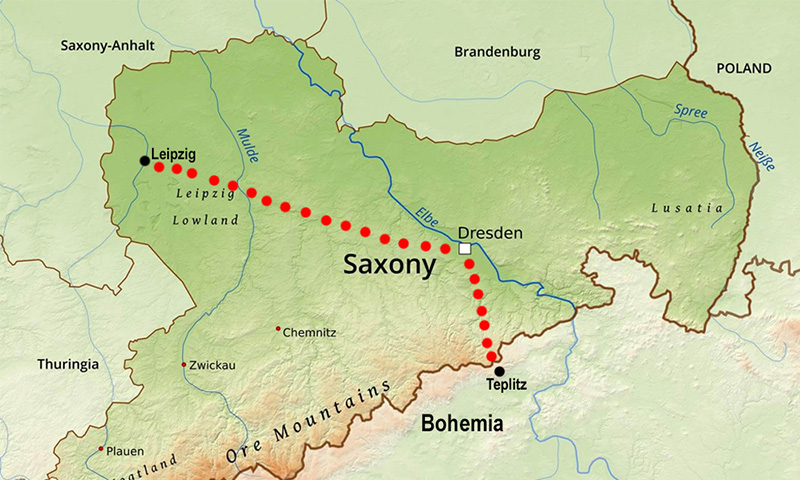
A map showing the likely route taken by Johanna Rosine Wagner when she travelled by coach from Leipzig to Teplitz in July 1813.

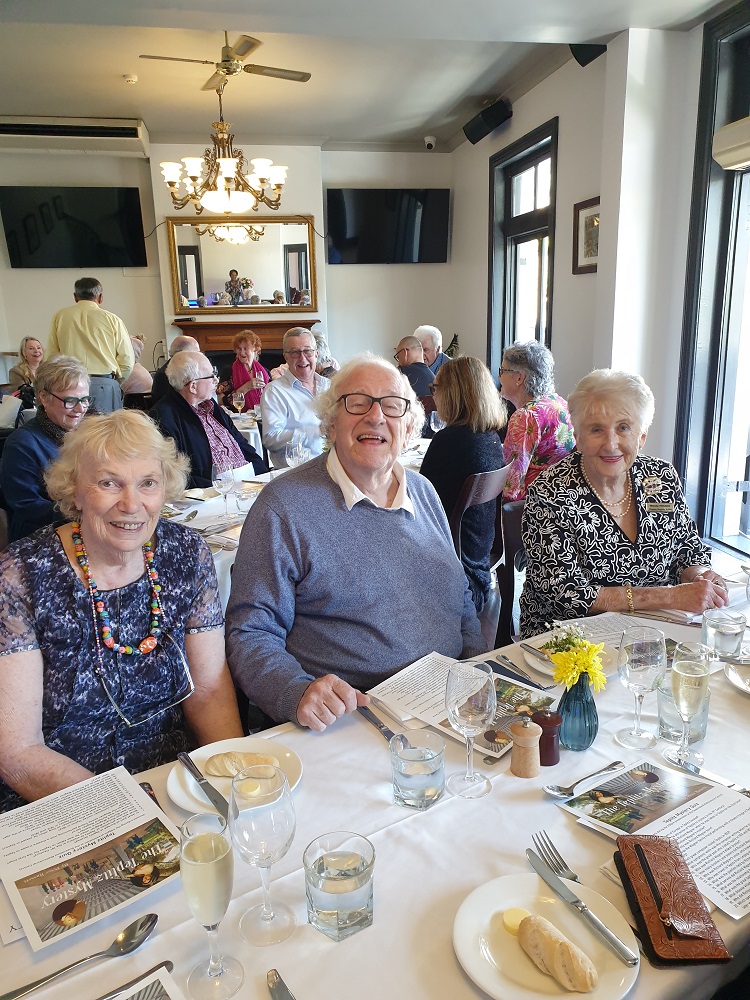
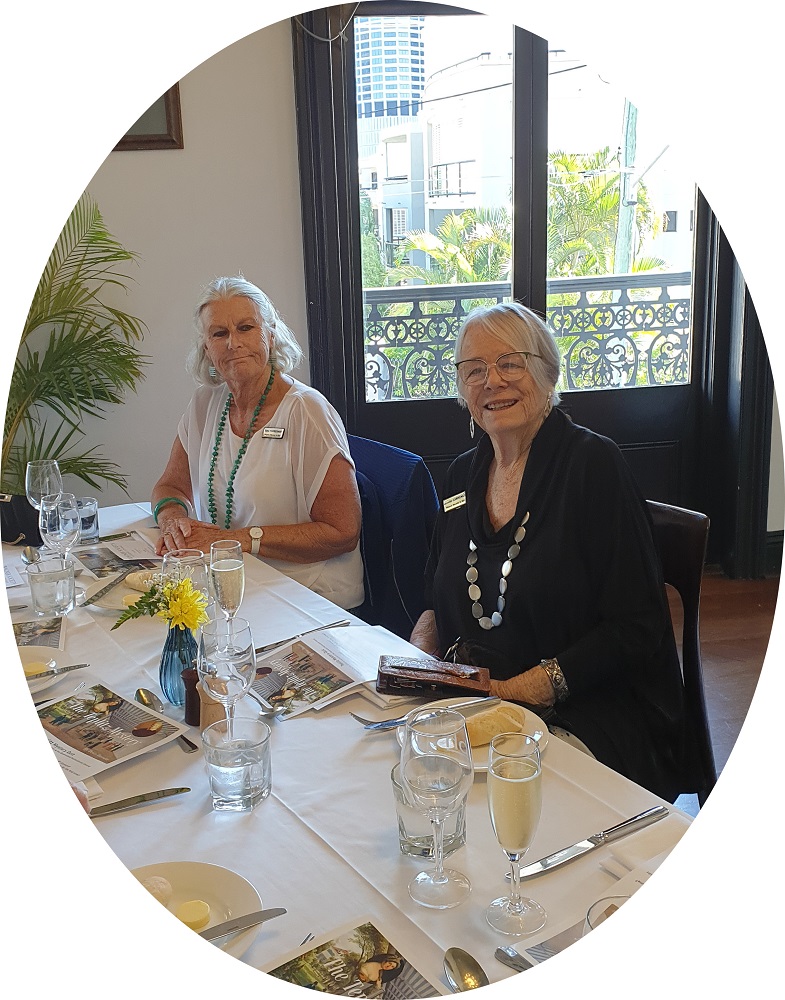
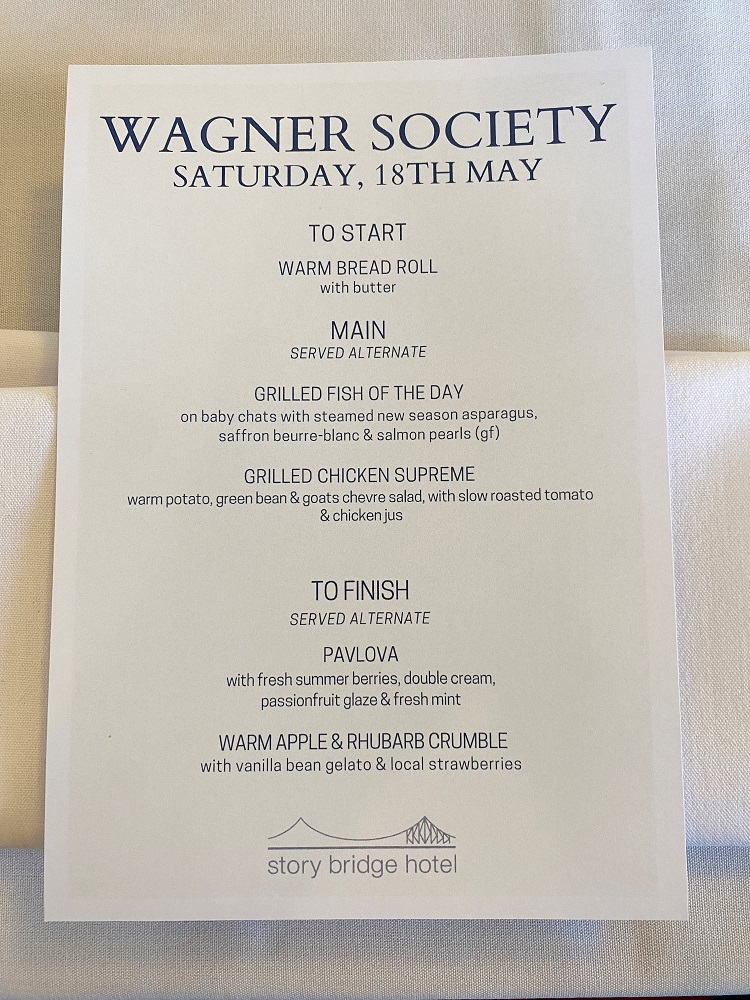
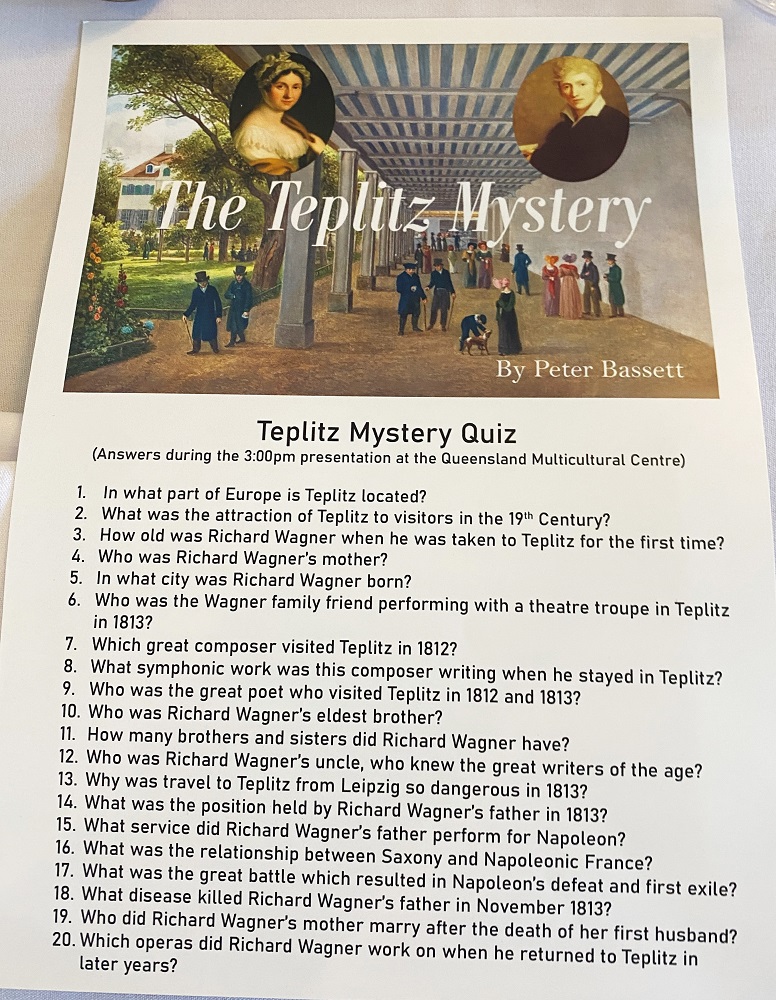
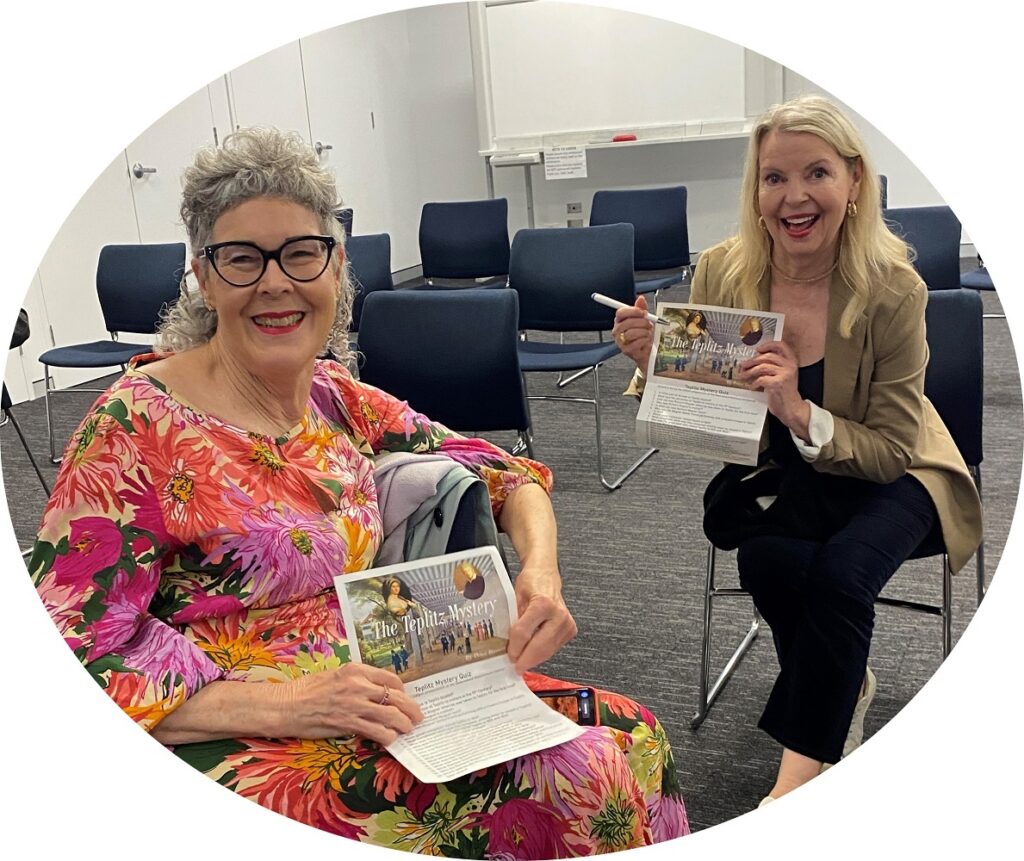
The Society’s annual lunch in commemoration of Wagner’s birthday was held on Saturday 18th May in the Heritage Room at The Story Bridge Hotel. Attendance numbers for both the lunch and the meeting to follow were very healthy, and our members and guests began with refreshments and a fine lunch amid delightful company. At each table we were faced with a sheet listing a range of questions – The Teplitz Mystery Quiz. Even for committed Wagnerians, I dare say that many if not all of the answers were unknown at the start of the afternoon. I guess that even “In what part of Europe is Teplitz located?” was a little hazy for many, including myself. “Who was the Wagner family friend performing in the theatre troupe in Teplitz in 1813”; “Which great composer visited Teplitz in 1812”; “Who was the great poet who visited Teplitz in 1812 and 1813; “Why was travel to Teplitz from Leipzig so dangerous in 1813”, and “What service did Richard Wagner’s father perform for Napoleon?” – these were just a few of the 20 intriguing questions posed.
After ambling back down to the Multicultural Centre after lunch, we were treated to a presentation by our former president Peter Bassett. Answers to all the Quiz questions were revealed and discussed in fascinating detail. The crux of the issue concerned the question of why Wagner’s mother Johanna risked undertaking travel from Leipzig to Teplitz to visit the family friend, the actor Ludwig Geyer. Amid the backdrop of the Napoleonic wars and at a time when country roads were notoriously unsafe, the trip seems ill-advised especially travelling with her young son Richard, then only a couple of months old. Wagner’s father would die later in the year, and his mother would before long marry Geyer. There has been much conjecture, together with more-or-less-subtle innuendo, that Richard Wagner’s biological father may not have been Johanna’s husband but in fact Geyer, and that Wagner’s mother risked taking the child to Teplitz to introduce him to his real father. Cause for such speculation can be traced back to statements by the composer himself as reported by Cosima and Nietzsche, and rumours have been spread widely by various subsequent authors. Some have also suggested that Geyer was of Jewish heritage – innuendo irresistible for some in light of Wagner’s later infamous antisemitism. (He wasn’t!) Many of us had probably heard such rumours so Peter’s setting the record straight on these issues was most welcome.
As we have witnessed many times, Peter’s presentations are always impeccably researched, clearly and persuasively argued. This was no exception. And the argument was supported by well-chosen projected images from the time and presented with his usual alacrity and gentle humour. His grasp of both the personal family dimensions as well as the broader historical context was masterly in its detail. Based on various forms of evidence, he built an argument – thoroughly convincing to this writer – that countered the speculations about Wagner’s biological father. Most persuasive were the images showing Wagner’s unmistakable physical likeness to an older brother, born long before his mother knew Geyer.
Another matter of particular interest was Wagner’s father’s relationship to Napoleon. As a senior public servant in Leipzig, Saxony (where Napoleon had appointed a sympathetic king), Friedrich was perceived to be acting on the side of the French leader – an association that accounts for why much information about him around these years was subsequently buried. The French were defeated at the decisive Battle of Leipzig later in that year of Wagner’s birth – the so-called Battle of the Nations, the largest battle before the First World War, involving around half a million men resulting in hundreds of thousands of deaths and casualties. Personal motivations and decisions can be easily misunderstood, distorted, and misrepresented by proximity to such seismic events and Peter unpacked the many interconnected threads with consummate skill.
All in all, it was a most informative presentation, rigorous in its detail but compelling in its conclusions and a pleasure to witness. The Queensland Society is fortunate indeed to have such expertise in our midst.
Observations by Stephen Emmerson
Event photography: Cathie Duffy, Judy Xavier and Michael John
The Late Music Dramas of Richard Wagner: Philosophy and Music. By Colin Mackerras, Saturday 20th April 2024
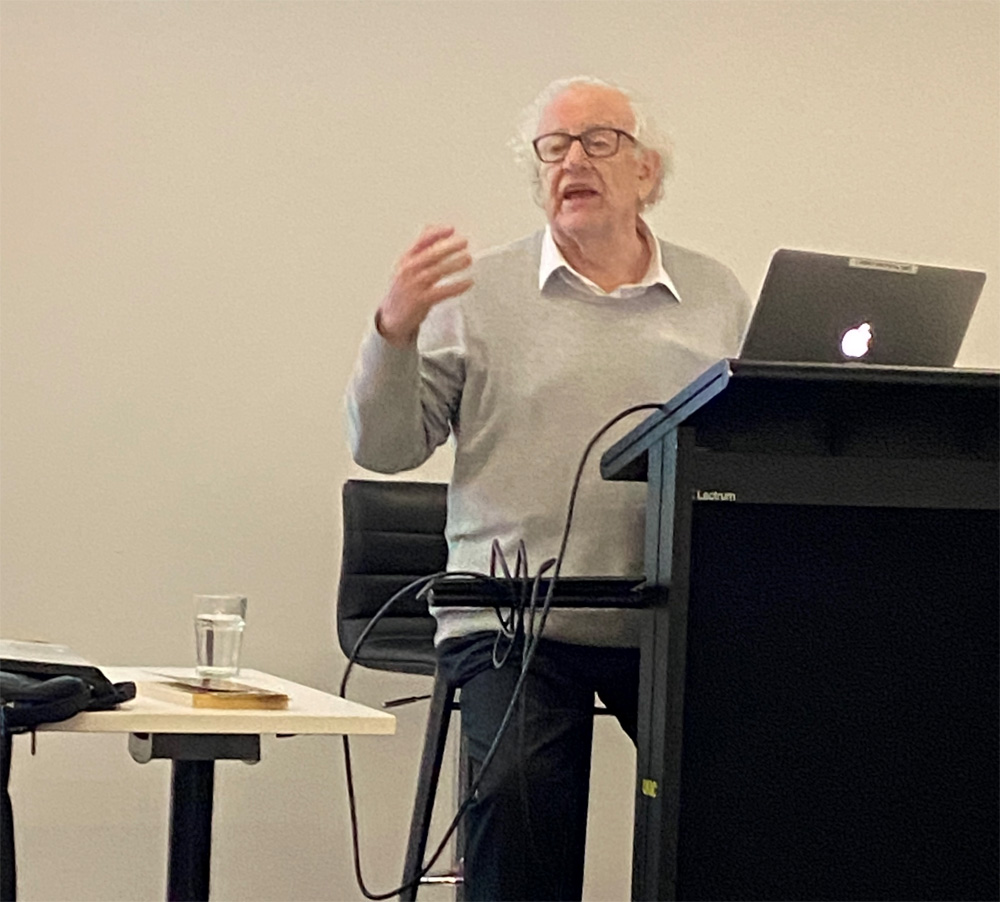
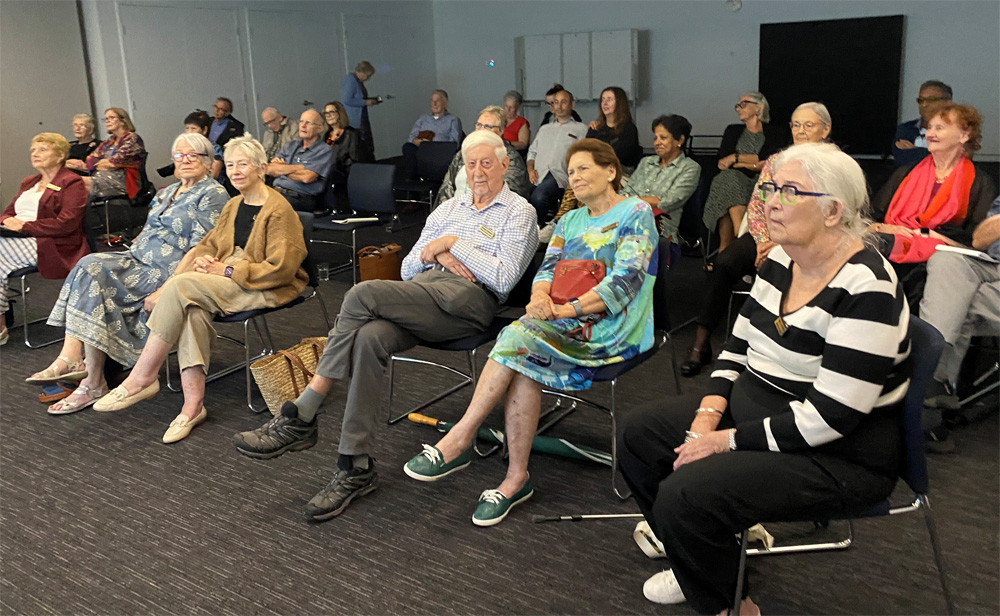
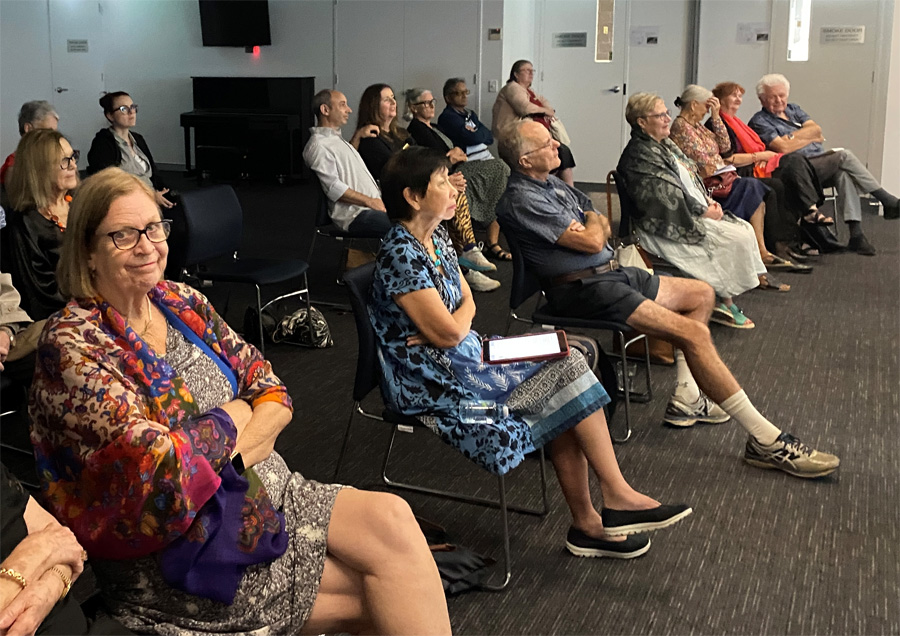
On Saturday 20th April, Colin Mackerras gave a very interesting and stimulating talk on the late music dramas of Richard Wagner – Philosophy and Music. He referred to Schopenhauer as the main philosophical influence on Wagner, and outlined four main areas for consideration, namely compassion, women, the environment, and nationalism, all of which feature in the later music dramas.
Schopenhauer thought that compassion was the basis of morality, and this is seen in particular in Parsifal when Parsifal kills the swan and Gurnemanz takes him to task for his action. Schopenhauer did not extend his feelings of compassion towards women, something emphasized by Colin, and in this aspect Wagner clearly parted ways in that the women in his later works were strong women, Brünnhilde being, in Colin’s view, the real hero of the Ring, and Kundry also showing strength through fortitude. It was Isolde, however, who showed that music had roots in sexual consciousness in the Transfiguration.
Wagner’s identification with nature is also seen in the Ring, particularly the Forest Murmurs in Siegfried, and his nationalism is readily apparent in his anti-French stance in the Franco-Prussian war. However, although Wagner’s works encompass and are influenced by these philosophical trends, his music embodies the concept of music as primary among the arts, a view influenced by Buddhism.
This primary position of music in Colin’s view was beautifully demonstrated in the Siegfried Idyll which dissolved the boundaries between Will and Representation, the dichotomy espoused by Schopenhauer. Altogether this was a provoking presentation and a highly enjoyable afternoon.
Observations by Rosemary Cater-Smith
Photography by Cathie Duffy
ACT 2 OF LOHENGRIN DVD. Introduced by Stephen Emmerson, Saturday 16th March 2024
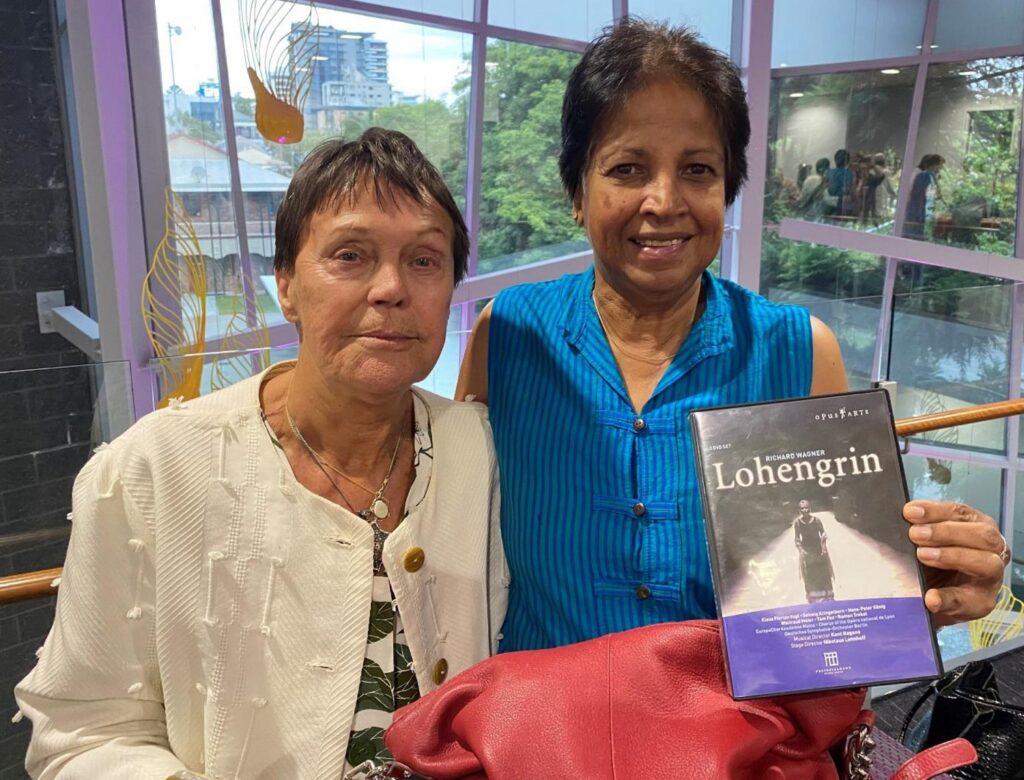
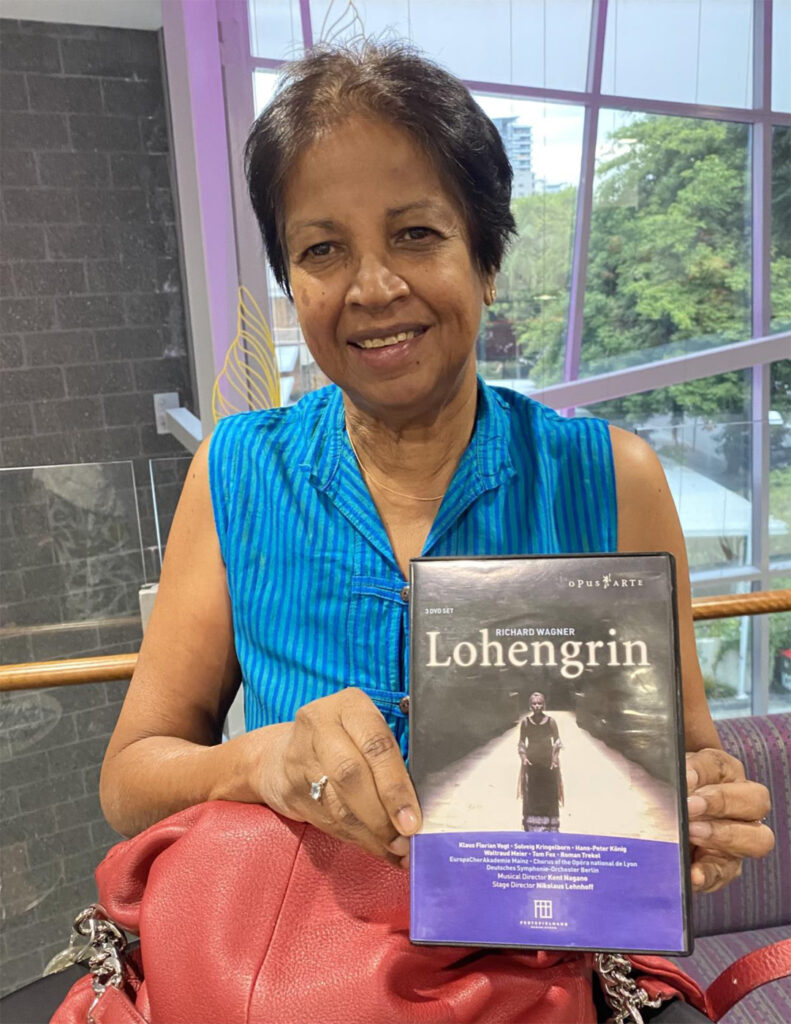
Photography by Cathie Duffy
ANNUAL GENERAL MEETING AND ‘AFTERSONG’. Saturday 17 February 2024.
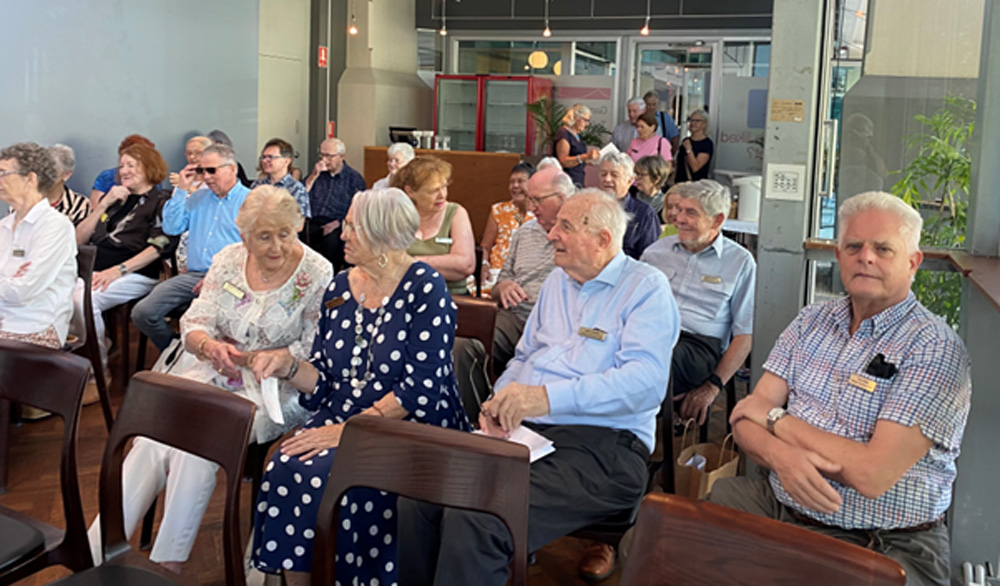
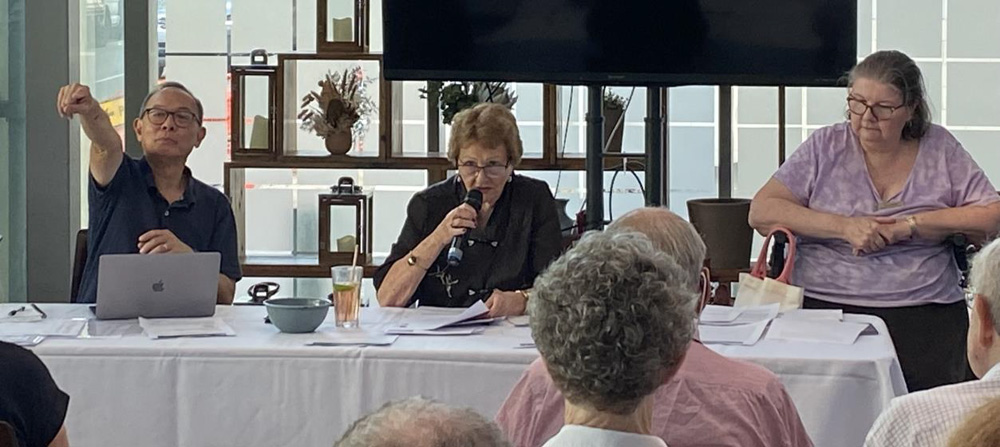
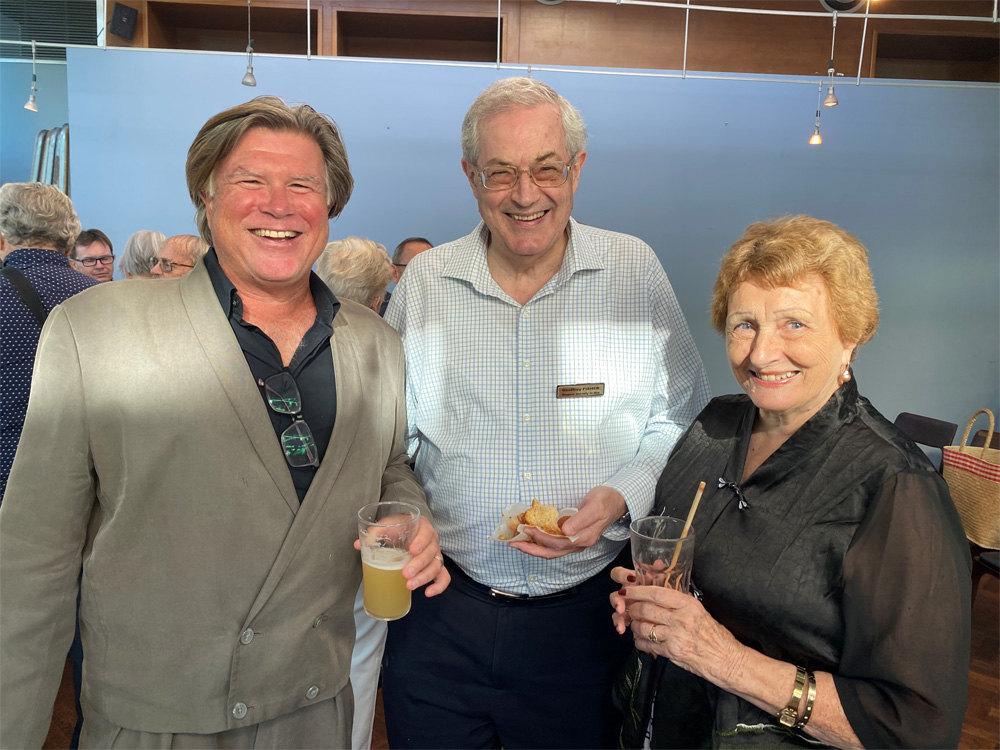
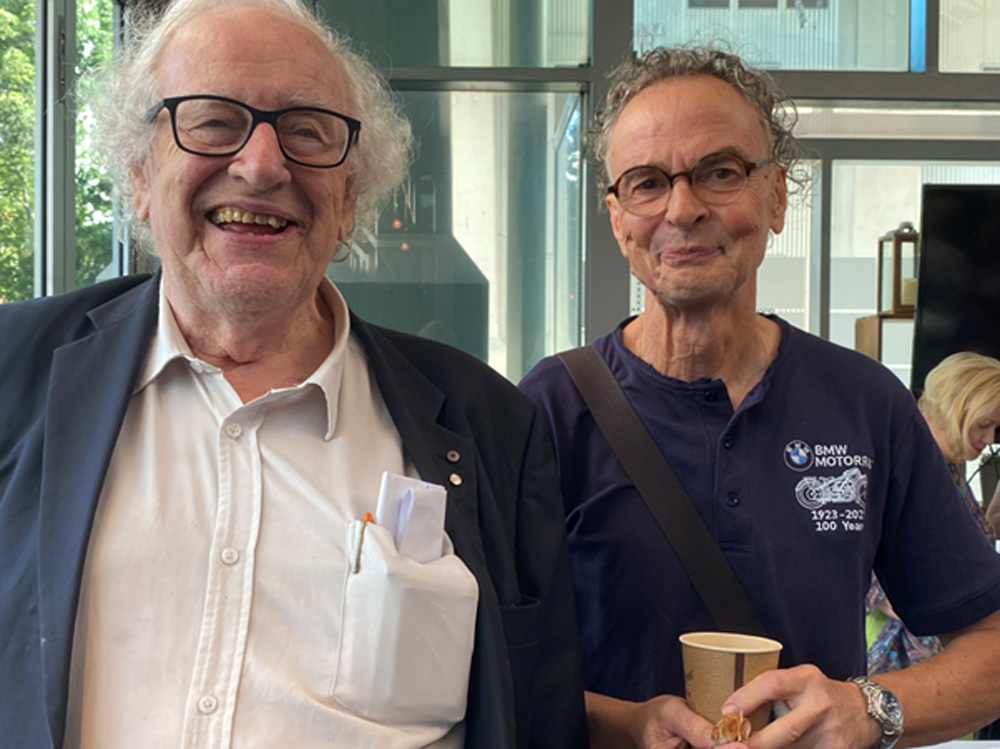
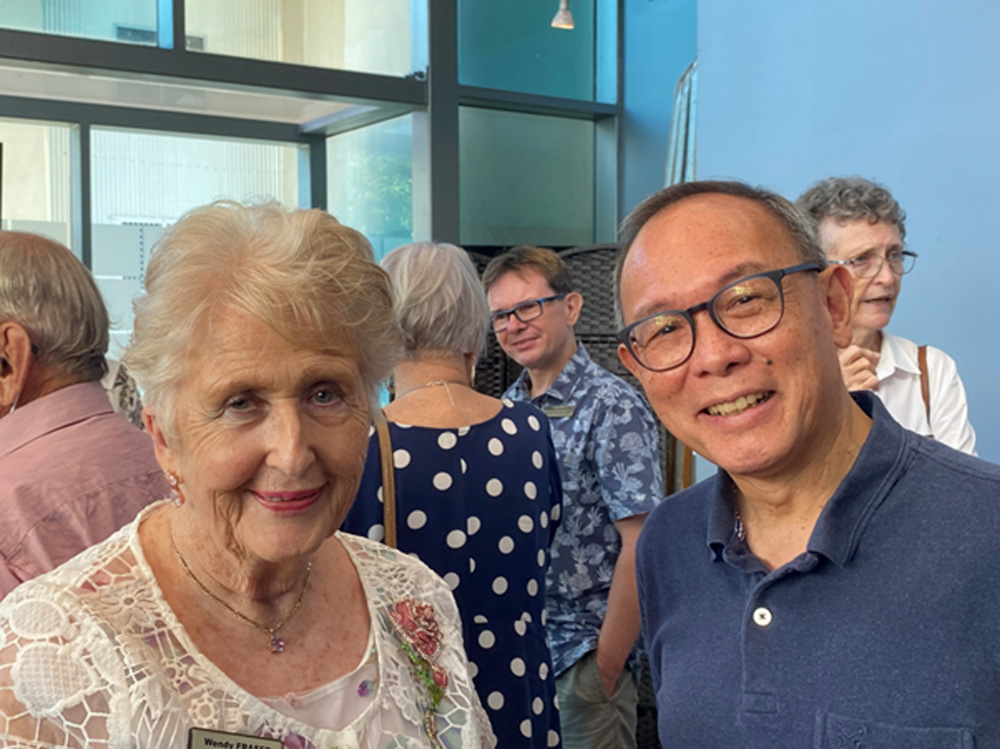
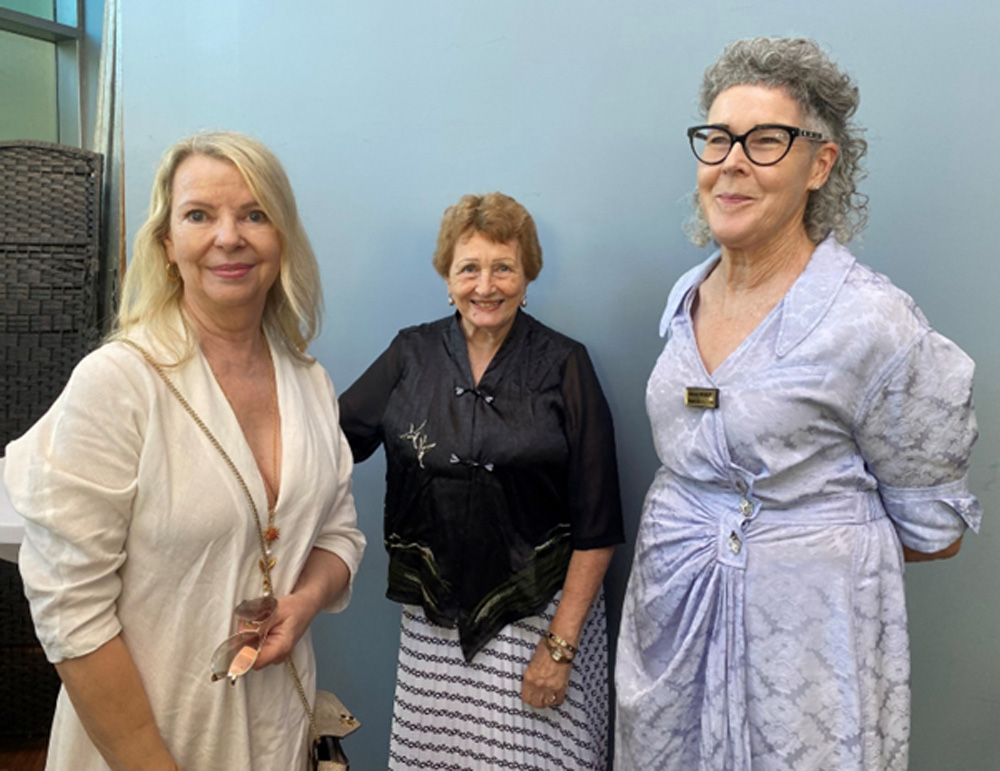
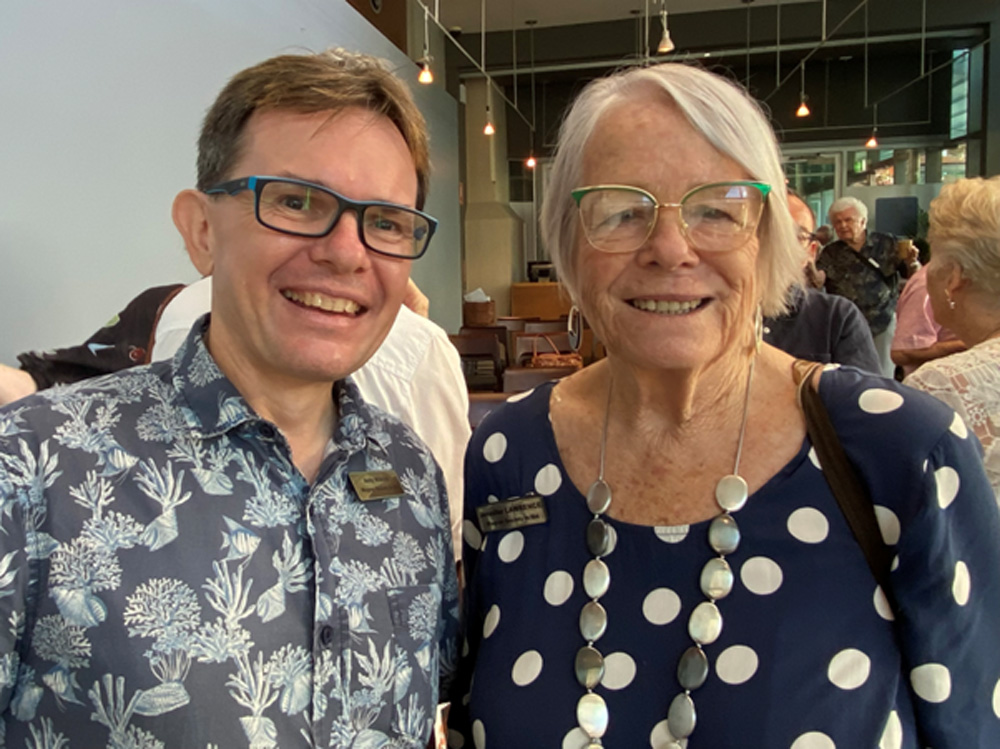
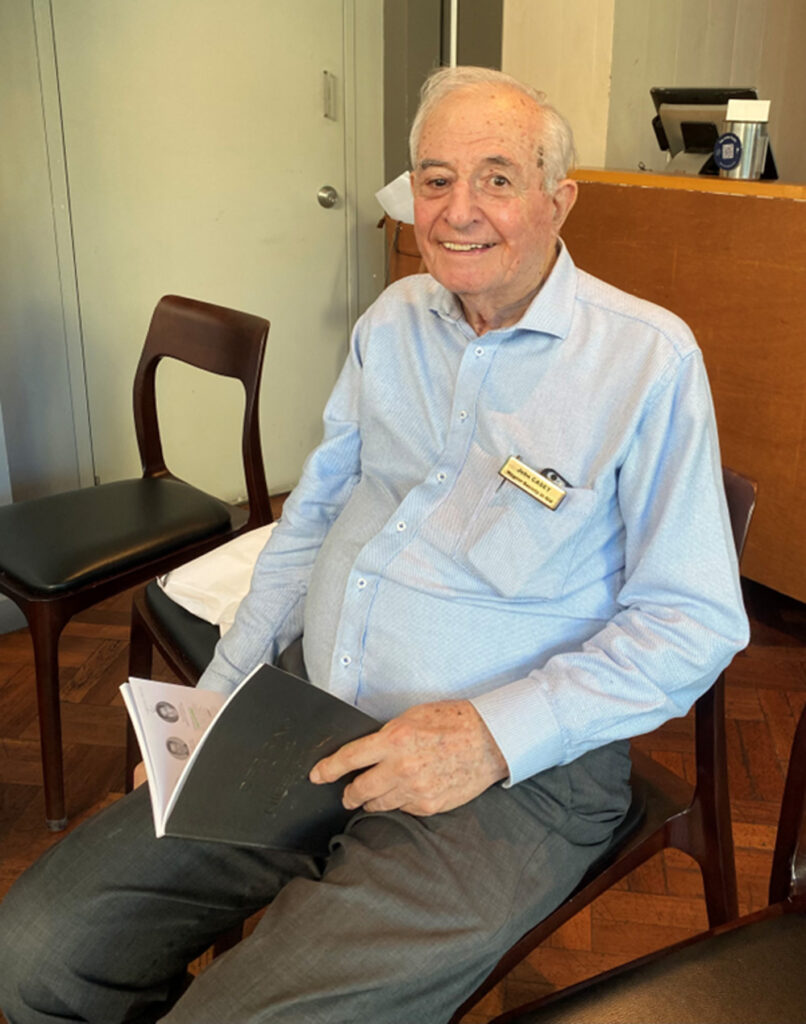
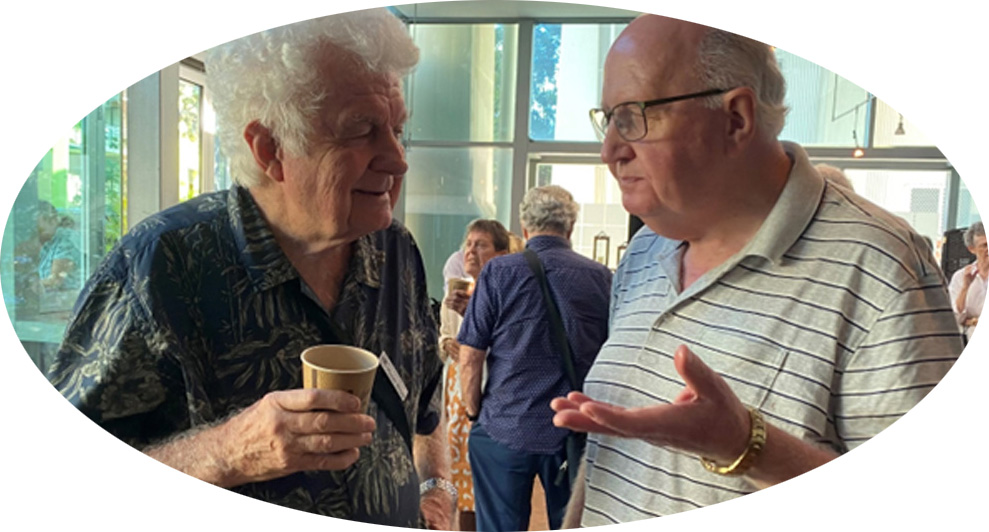
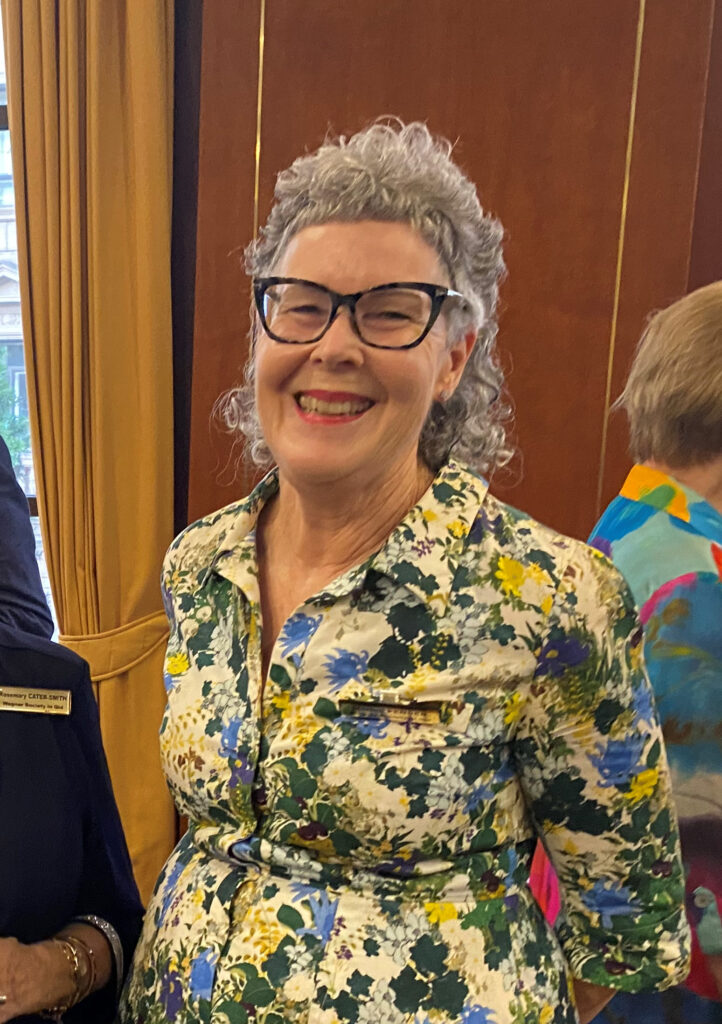
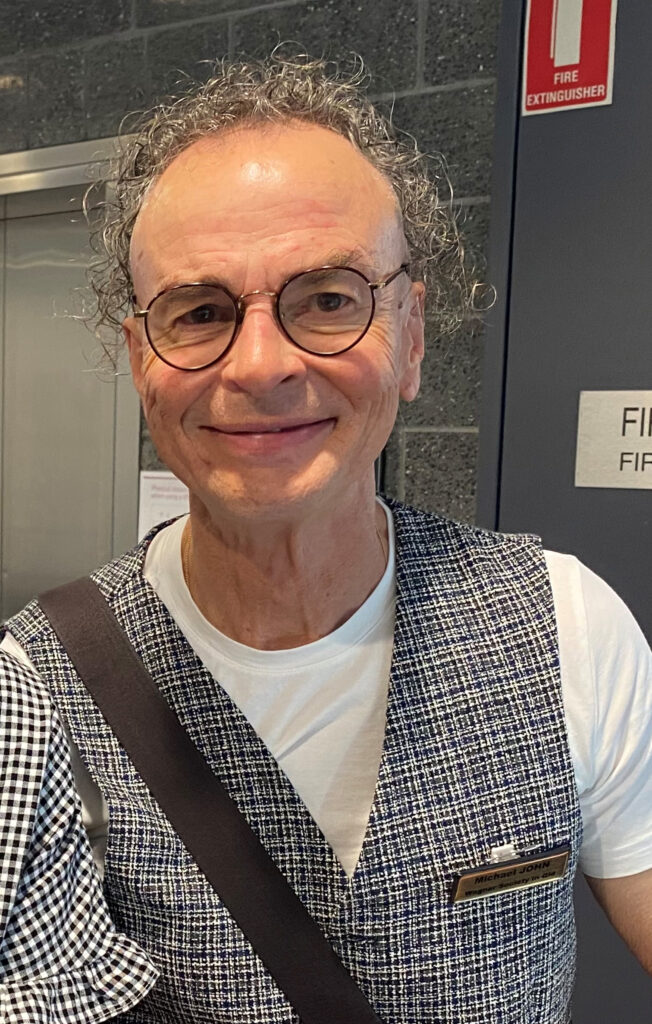
Our first meeting for 2024 was held at the Story Bridge Hotel, and combined the 2023 AGM (delayed because of the many commitments associated with the Brisbane Ring) followed by Aftersong, a series of reflections on the Brisbane Ring. A key function of the AGM was to elect a new Management Committee for 2024. All of the members of the outgoing Committee were nominated for and elected to the new Committee, along with two new members: Michael John and Marion Pender. A complete list of the 2024 Management Committee is to be found on the Home Page of this website.
We had the pleasure of welcoming the Society’s Patron, Bradley Daley, for Aftersong. Bradley gave us many insights into the process of creating a new production on such a scale, taken with his experience with other recent Rings, including the Longborough and the Bendigo (Melbourne Opera) productions. Producers and production staff sought advice from experienced performers like Bradley, in a spirit of collaboration. And it was striking to learn how much was created or modified during the workshopping of the production (which was substantially done at Opera Australia’s home in Sydney, before being set up in Brisbane for technical rehearsals). We discovered much about the performers’ challenges. The digital screens that were so visually striking for the audience didn’t give as much support to project the voices as conventionally built sets. And lyrical soft passages in the orchestra can be a nightmare for singer trying to hear their cues. It was a charming insight into the depth of craft and skill that performers, technicians and producers, brought to create something on the scale of the Brisbane Ring.
Bradley’s Q and A session was followed by brief reflections from Society members (Colin Mackerras, Alpha Yap, Hal Davis, Marion Pender, and Michael John). These ranged widely, touching on comparisons with other Ring productions, telling performances in Brisbane, how the venue enhances the experience, and the immersive drama of experiencing a work of this scale as a living thing in the theatre. And Marion Pender had perhaps the best line of all: How wonderful it was to go home to one’s own bed after each performance (i.e. not be jetlagged!)
Andrew Porter, for many years The New Yorker’s music critic, once wrote of how the rhythms of life can change when one attends a Ring. The events of the week revolve around the performances, and one’s imagination is carried across the days by the evolving drama. The reflections of Aftersong and the later discussions over afternoon tea suggest that this was exactly the experience for many of us who attended the 2023 Brisbane Ring.
Observations by Alpha Yap Photography by Cathie Duffy
WSQ RECEPTIONS DURING THE BRISBANE RING. Saturdays 2, 9, 16 December 2023.
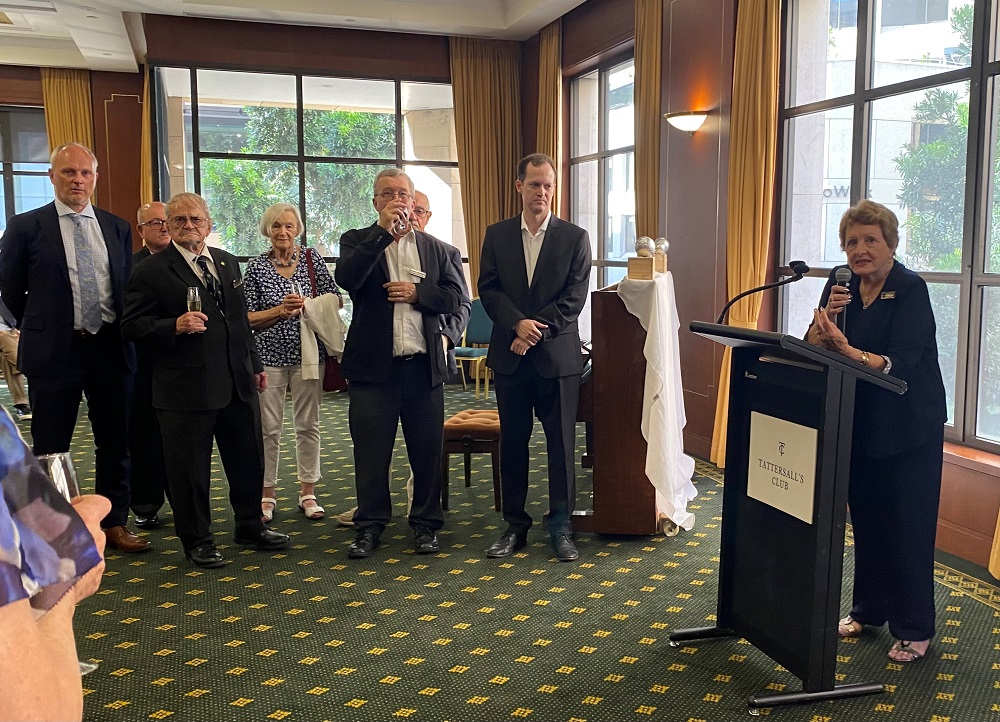
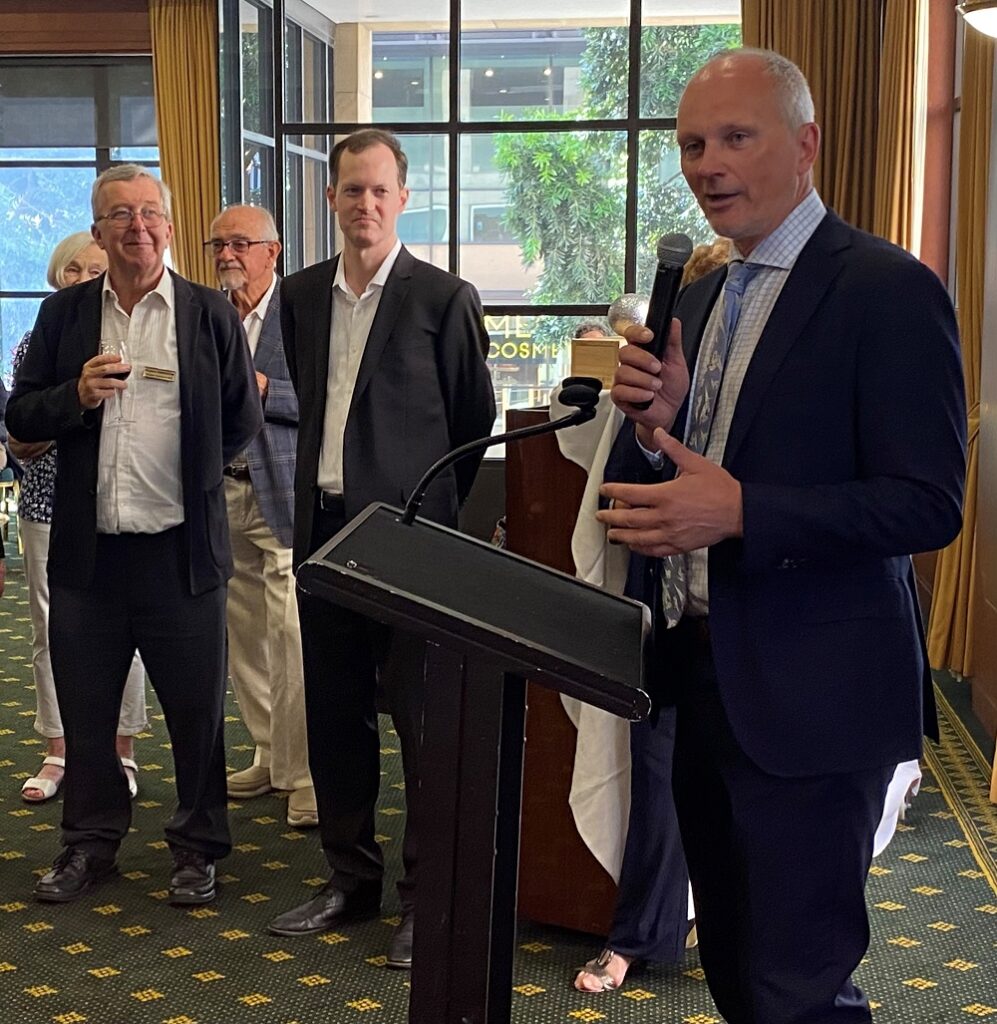
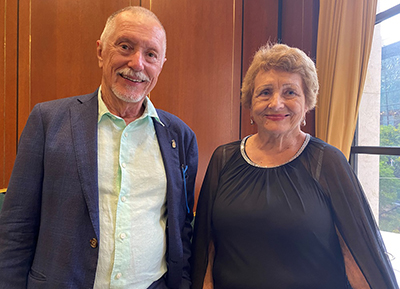
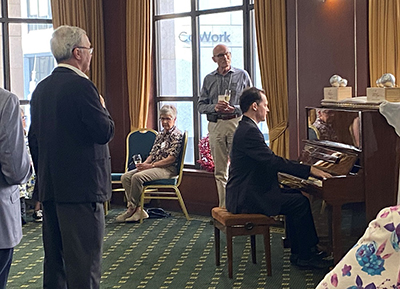
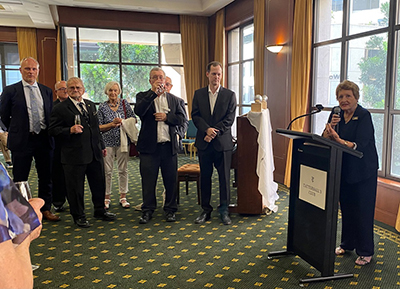
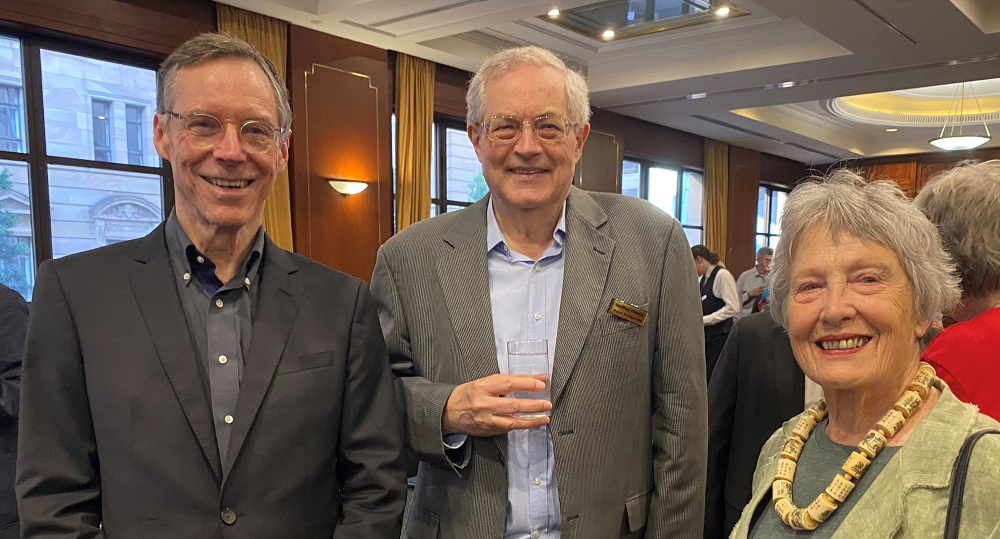
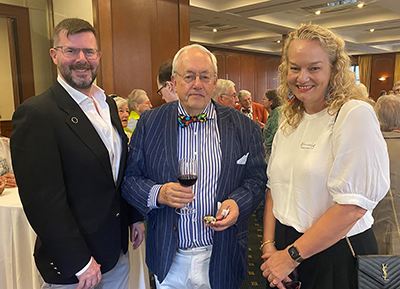
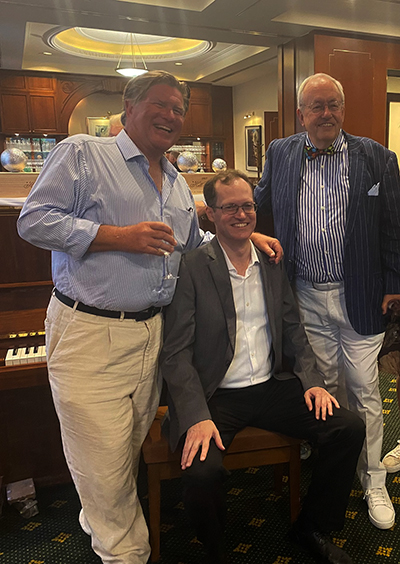
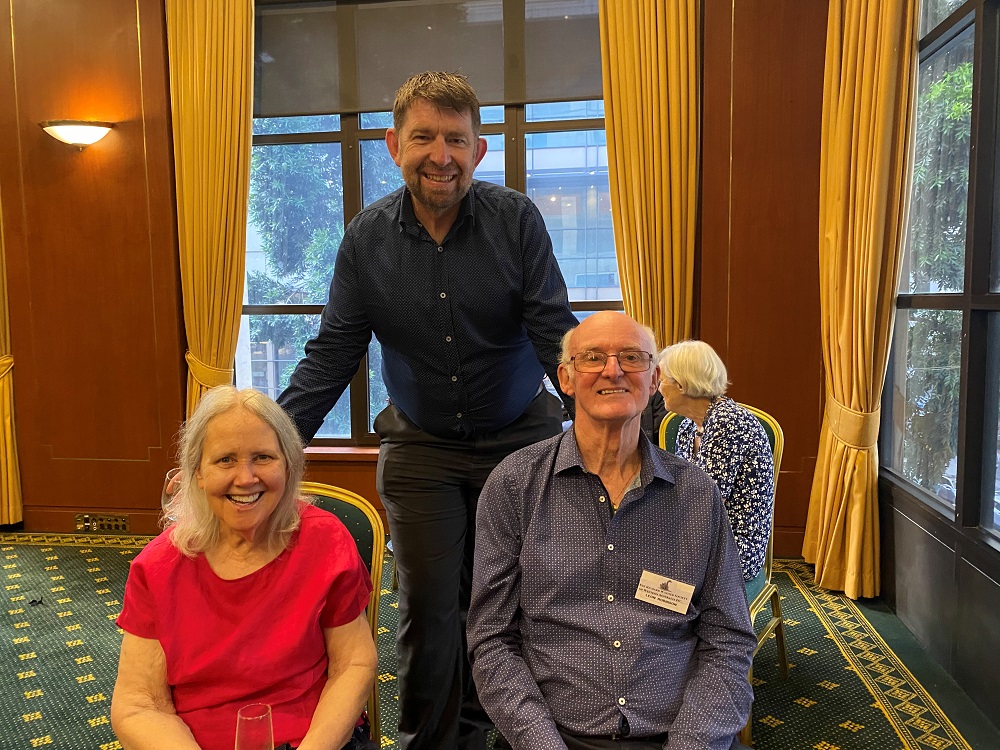
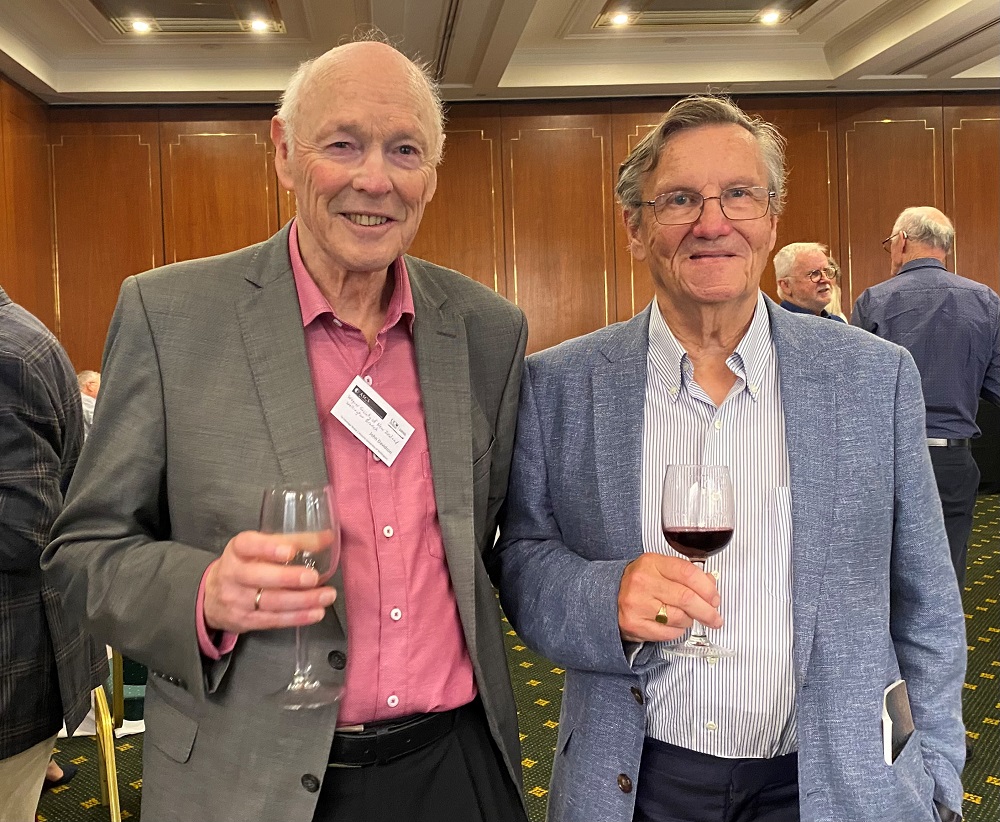

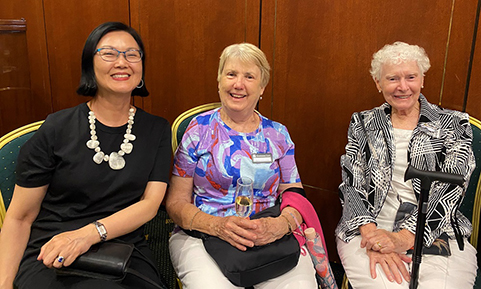
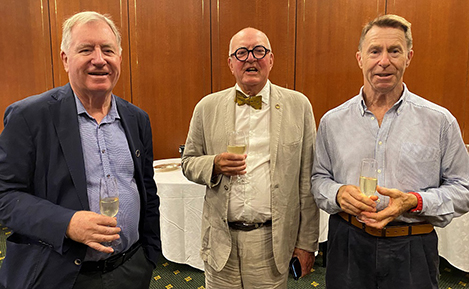
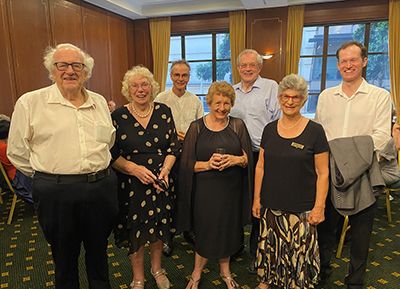
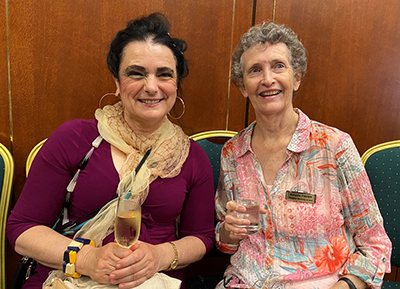
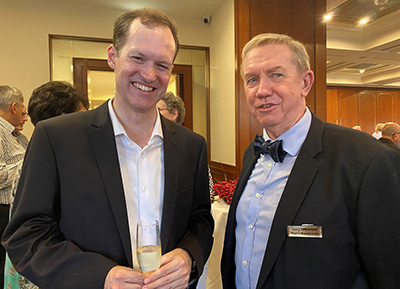
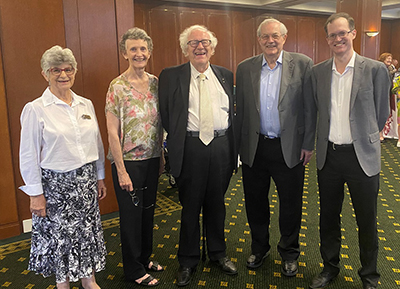
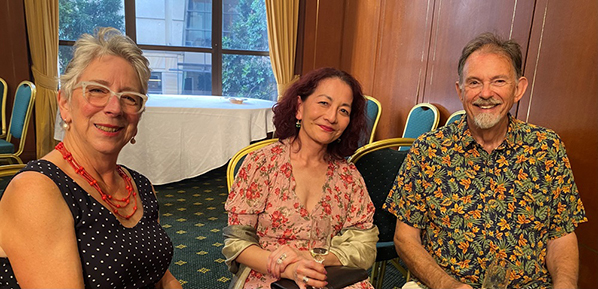
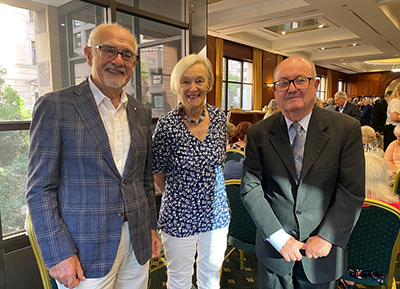
During the performances of The Ring Cycle in Brisbane in December 2023, the Wagner Society in Qld. arranged three Receptions to greet visiting Wagnerians. Each of these Receptions was held in conjunction with one of the cycles, and it was a great pleasure to welcome over 240 people from both National and International Societies. An outstanding attendance was approximately 45 members from New Zealand attending the second cycle. The venue for the Receptions was Tattersall’s Club, Brisbane, a beautiful Club that describes itself as the connection between Brisbane’s rich heritage and its progressive future. The lovely, elegant rooms provided the perfect background to the gathering that included the Presidents of several national societies, Esteban Insausti from N.S.W., Miki Oikawa from Victoria, Dr Geoffrey Seidel from South Australia and Alison Woodman from Western Australia. Our President welcomed all those present and acknowledged the considerable distance that some people had come to attend the Ring, including Wagnerians from New York, Frankfurt and Chile.
Prof. Dr Michael Rosemann, Honorary Consul of the Federal Republic of Germany in Brisbane highlighted the contribution made by German migrants who settled in Brisbane in a lively and stimulating presentation. Another highlight of the evenings was the playing by John Granger Fisher of the Liszt transcription of Wagner’s Liebestod, and we were delighted at the second Reception that our Patron, Heldentenor Bradley Daley, accompanied by John, sang Nothung. His attendance and singing was a wonderful addition to the evening.
It would not, of course, have been possible to hold these very enjoyable functions without the help of our sponsors. One of the first to make a significant contribution was Philip Bacon of Philip Bacon Galleries. Dr Philip Bacon AM is an art dealer and philanthropist well-known for his contribution to the arts in Australia. This was followed by a contribution from The Sydney Savage Club, known for its support of musicians. However, much support came from several of our own members who made very generous donations, and to members who participated in the other fund-raising activities organised by the Society.
Brisbane must now be considered a major arts venue having hosted a significant and highly enjoyable Ring Cycle, Symposia and Pre-Performance Talks by our immediate past President, Wagnerian scholar Dr Peter Bassett, and the wonderful and warm Receptions that brought all of us together.
Observations by Rosemary Cater-Smith, President
Photography by Cathie Duffy
BARITONE WARWICK FYFE – ALBERICH IN THE FORTHCOMING RING. Warwick and his wife Ruth were welcome guests during Ring rehearsals. Saturday 18 November 2023.
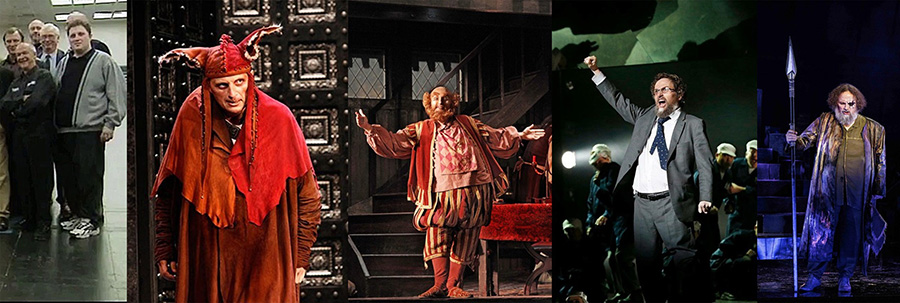
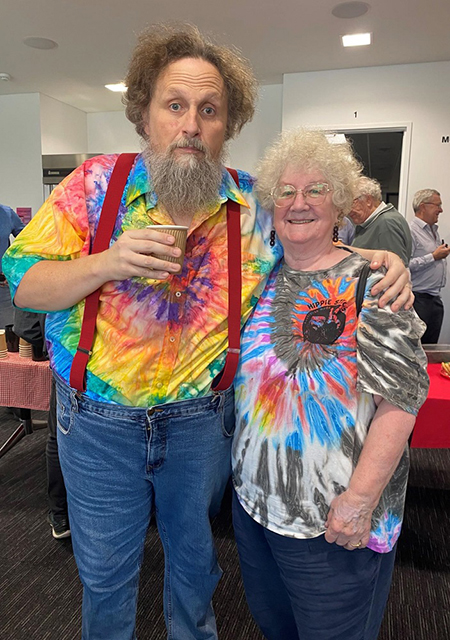
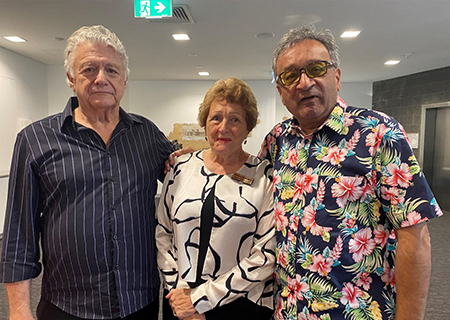
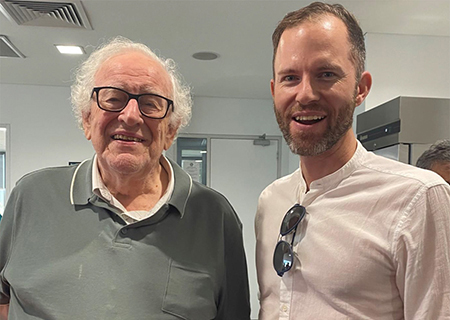
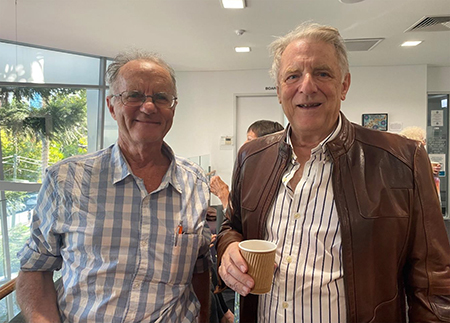
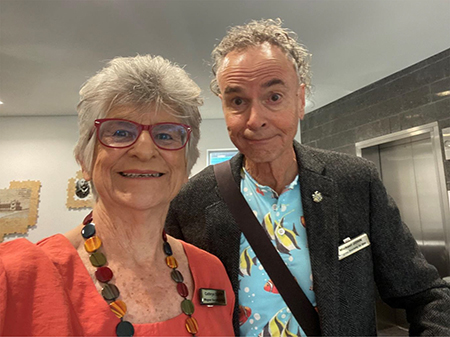
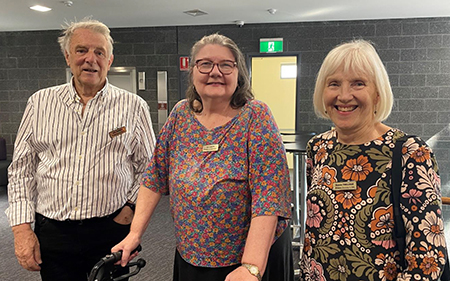
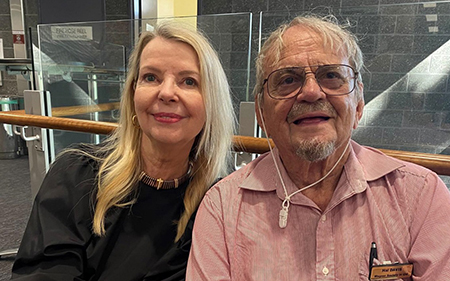
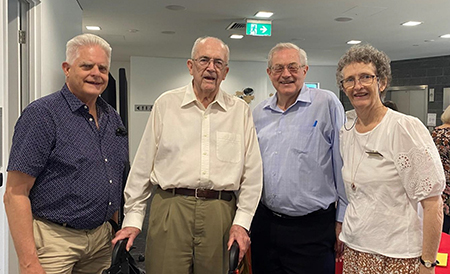
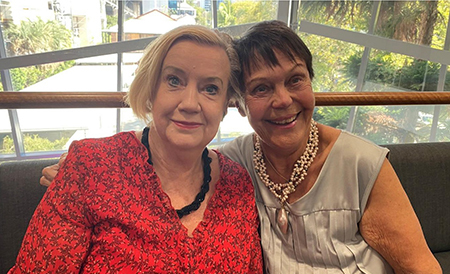
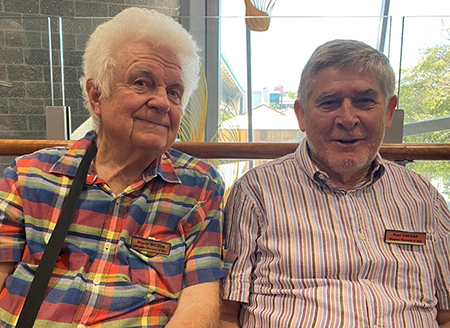
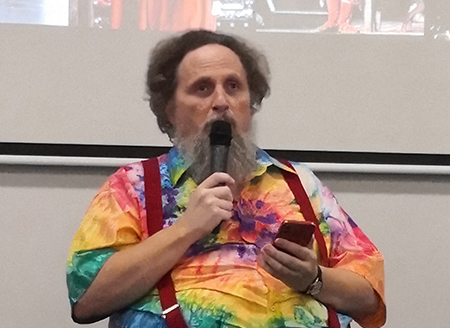
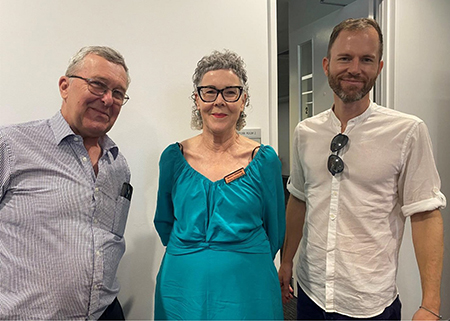
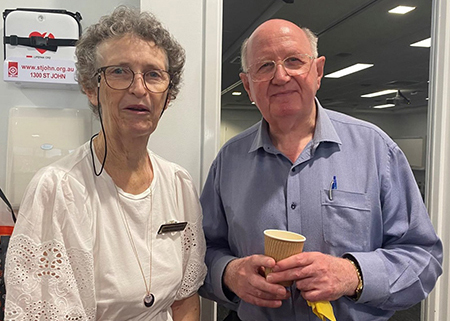
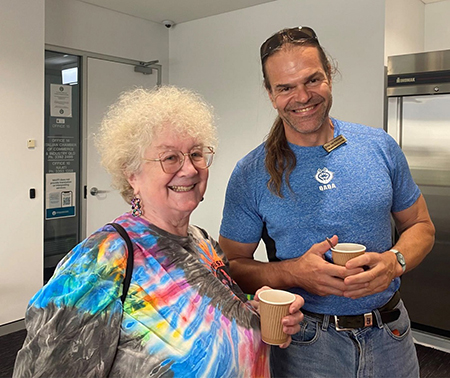
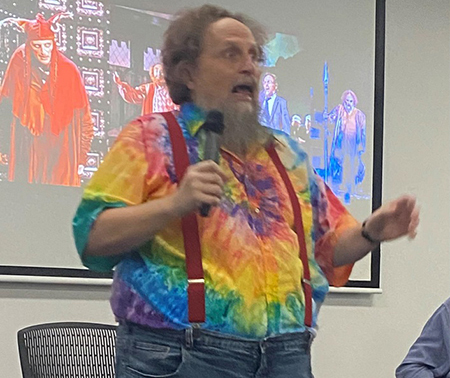
The Society was fortunate to have as its guest at the November meeting Warwick Fyfe, one of Australia’s most highly respected bass baritones. Warwick has built an impressive Australian and international career performing in challenging and complex roles, particularly in the Wagnerian repertoire. Warwick’s talk to the Society was especially timely in view of his forthcoming assumption of the role of Alberich in the Ring in Brisbane this December.
Warwick began by providing a candid and thoughtful overview of how his career in opera has developed from his early days at the Victorian Conservatorium to now performing in the great opera houses of the world. The professional life of a performer of classical music is at the best of times a demanding one. As well as the normal career hurdles, Warwick recounted his problems with ill-health and the vicissitudes of working at a time of Covid disruptions.
From an early age Warwick had immersed himself in Wagner’s works and in much commentary and analysis of them. But he realised that he should study more widely to become a complete opera singer over a range of repertoire. And he cautions about becoming an “opera bore”. Warwick considers that the best singers, who can penetrate the depths of a role, are those who have wide cultural interests in literature, history, art and the like.
After these observations, Warwick engaged in conversation with Peter Bassett, who first met him in 1998 when he sang Fasolt in the Adelaide/Châtelet Ring. Peter raised various matters regarding interpretation of and preparation for roles in opera. For Warwick, the vocal/musical preparation and dramatic interpretation or characterisation are aspects of the same process. With his wide background in Wagner, he does not find the need to engage in abstract analysis or theorising when assuming a role in a Wagnerian opera. His interpretative decisions emerge intuitively from his close engagement with the score. But one should always be open to fresh approaches and the insights of others. Singers can of course have different work methods in regard to the vocal preparation of a role. Warwick finds it more satisfying to start at the beginning of the score and to move carefully through to the end. By following the musical and dramatic development of the role, fresh interpretative insights may be yielded.
Turning to the Ring cycle in Brisbane, Warwick provided intriguing glimpses of what is in store, referring to matters of interpretation and presentation that have occupied the director (Chen Shi-Zheng) as he sought to realise the Wagnerian tetralogy as a “universal myth”. Questions from the floor revealed that members were looking forward to the Brisbane Ring with much anticipation.
At the conclusion of the meeting the consensus was that we had been both entertained and informed by a most engaging guest speaker.
Observations by Geoff Fisher
Meeting photography by Cathie Duffy and Colin Mackerras
TRAINING SINGERS FOR WAGNER. Associate Professor Margaret Schindler in conversation with Professor Lisa Gasteen AO, and a vocal performance by Kira Dooner accompanied by Sarka Budinska. Saturday 21 October 2023.
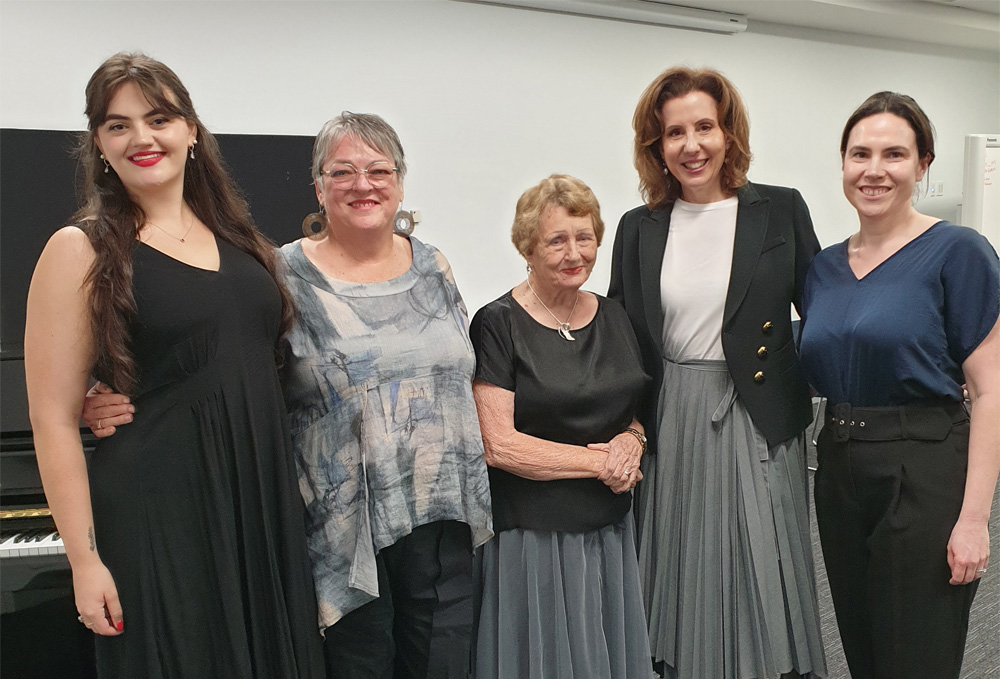
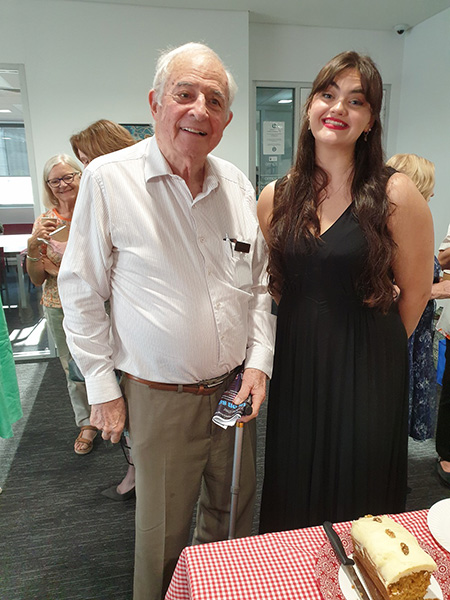
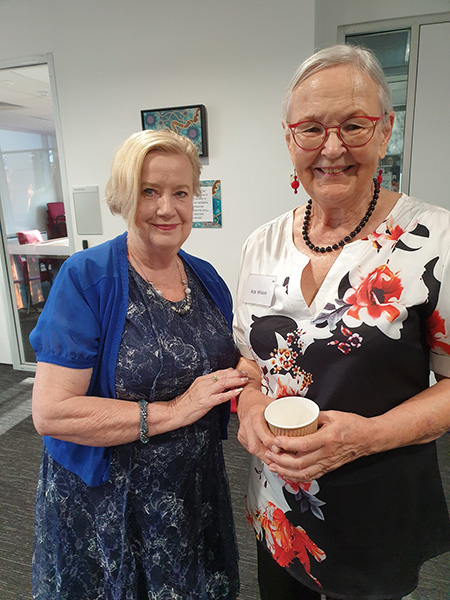
Members of the society were treated this month to a presentation from three excellent singers: Lisa Gasteen (who needs no introduction to members of any Wagner society), Margaret Schindler, Head of Vocal Studies at Queensland Conservatorium Griffith University and Kira Dooner, the winner of the Society’s 2022 Encouragement Award. So, between the perspectives of young person embarking on an operatic career and those of seasoned professionals, the presentation offered many fascinating insights into the nature of the profession and its many challenges. The afternoon began with a short engaging recital by Kira supported most ably by associate artist Sarka Budinska on piano. A delightful programme was presented including music by Gluck, Strauss, Brahms, Puccini and Dvorak. Kira’s excellent potential was abundantly clear – she has an attractive voice that is always at the service of the music, the words and character being portrayed. With secure technical control and a reliable command of languages, she is obviously being trained well but she also demonstrated abundant natural talent, temperament and communicative skills that will stand her in good stead.
Her performance was followed by an interview with Margaret Schindler where Kira shared some of her experiences of studying singing at Queensland Conservatorium with Lisa as well as her future aspirations. Her personality shone through describing herself as a “Drama Queen” who is most attracted to music that expresses strong emotions. It was clear that she fully inhabits the music/roles she sings. She is realistic about her career prospects giving sensible responses to questions about her short-, medium- and long-term goals. But with her musical talent, her personality and communicative skills, her prospects seem very strong.
Then Margaret interviewed Lisa about her career, specifically about the training she received. The training of an operatic voices is clearly a demanding and complex process that requires many years, indeed decades, of careful development and sensitive guidance. Moreover it entails a deep responsibility, of which Lisa and Margaret are well aware. Even for talented young singers who attain some early recognition, the opportunity to study overseas with renowned teachers, within esteemed institutions and in cities with rich operatic traditions is no guarantee of success. Only a very small proportion of hopeful young talents will attain the professional opportunities they dream of, let alone maintain a long and successful career. Lisa recounted gratefully how well her initial undergraduate studies in Queensland with Margaret Nickson set her up. Surprisingly, by contrast, the lessons she took with distinguished overseas teachers invariably “ended in tears”. She returned to Margaret Nickson to get herself and her voice back on track. It was gratifying to hear that, on returning to Brisbane after studies overseas, Margaret Nickson and John Matheson – Tahu Matheson’s father – both gave most generously and unstintingly of their time and experience. Ultimately they cemented the strong foundations from which her career could take off. Recognising the need here for young singers to access training of the highest level was the impetus for establishing the Lisa Gasteen National Opera Program that, for over a decade now, has done so much for aspiring young Australian and New Zealand singers.
The interview touched on many aspects such as the challenges of finding the right teacher, the right manager and the right country in which to study – not necessarily a big centre such as London or New York where a talent can easily get lost. (Scandinavia was strongly recommended above Italy!) Most tellingly, Lisa observed that one does not set out specifically to train a Wagnerian voice – any teacher claiming to do that should be avoided at all costs! For her, a teacher should develop the individual vocal instrument, build the muscles carefully over time for healthy, open sound production. Only down the track will the nature and potential of that individual’s instrument reveal itself. Careful choice of repertoire at each stage of this process is obviously crucial. For any young artist, singing Wagner – even the lighter roles – is necessarily some way down the track. The presentation was among the best attended of the year and lively conversation continued over afternoon tea.
Observations by Stephen Emmerson
Photography by Judy Xavier
Also see the Essays & Reviews page of this website for: Wagner’s plans for Training Singers, by Peter Bassett. A paper presented to the 8th International Congress of Voice Teachers, Brisbane, on 13 July 2013.
110 YEARS OF THE RING IN AUSTRALIA, by Dr Peter Bassett. Saturday 16 September 2023.
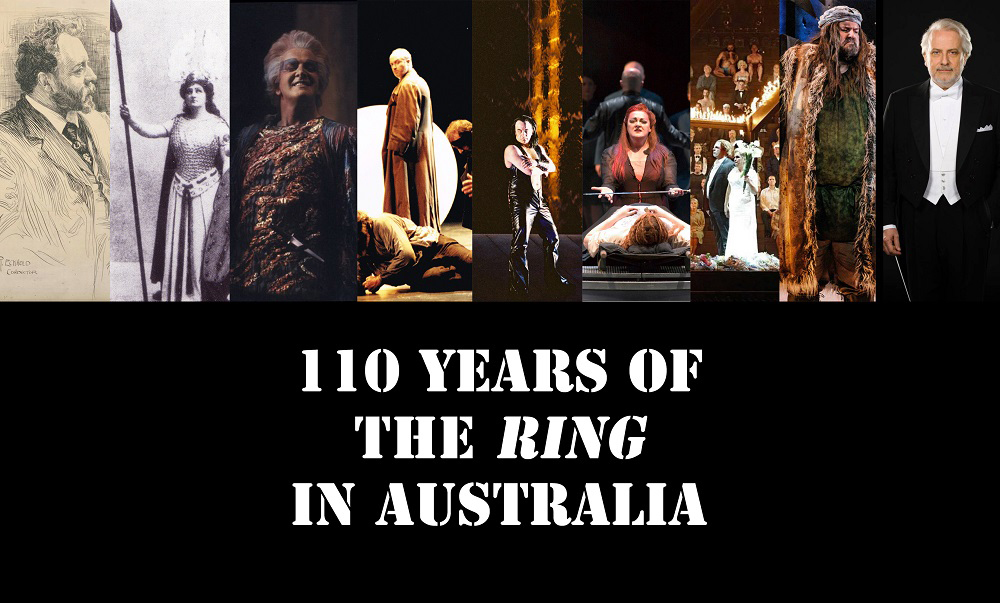
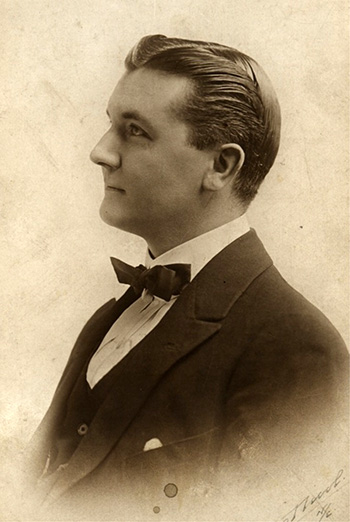
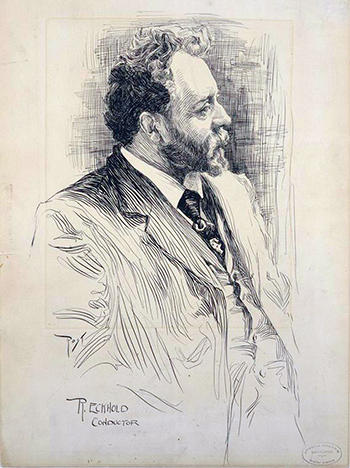
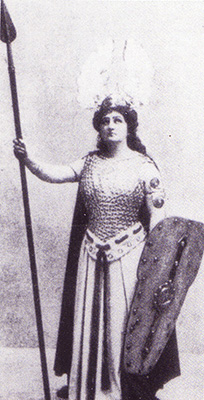
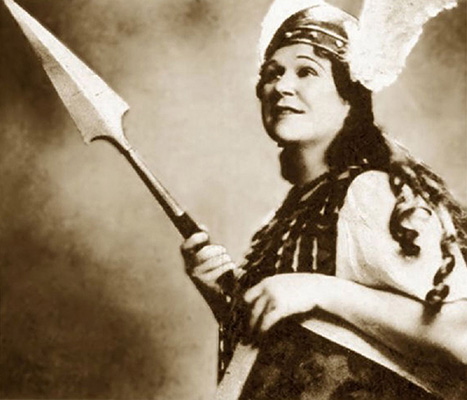
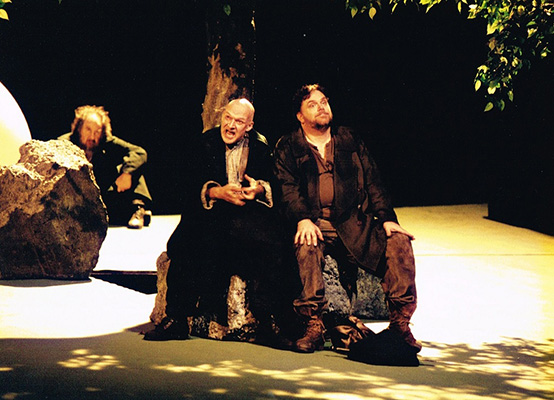
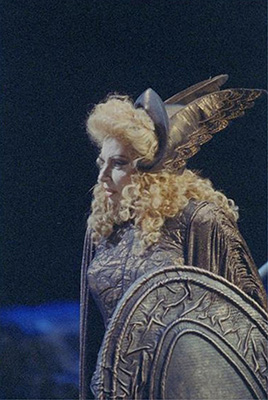
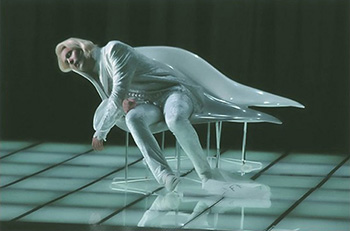
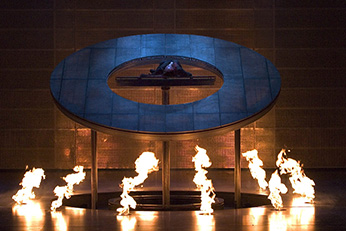
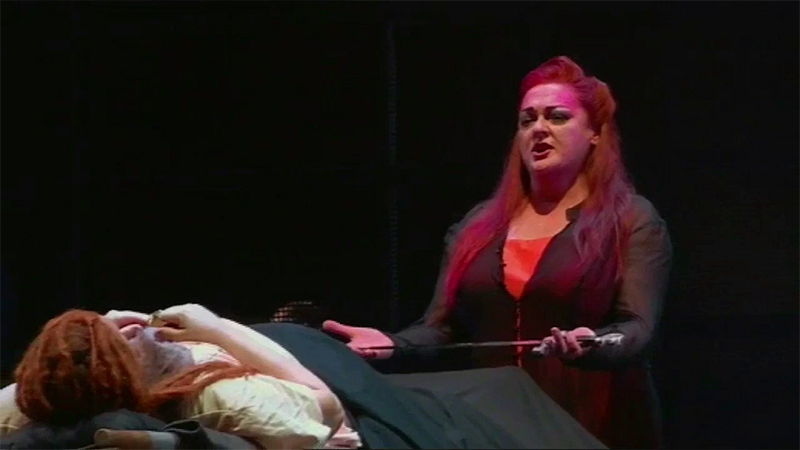
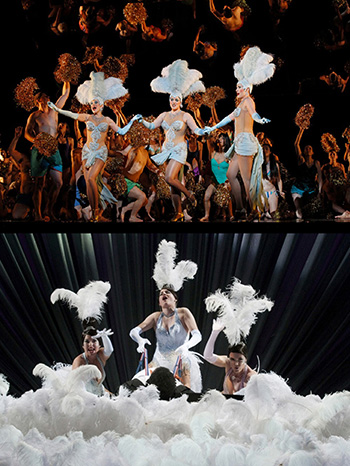
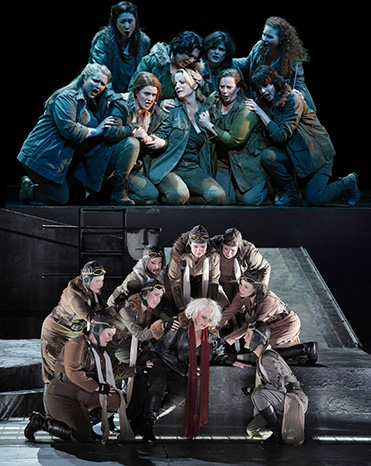
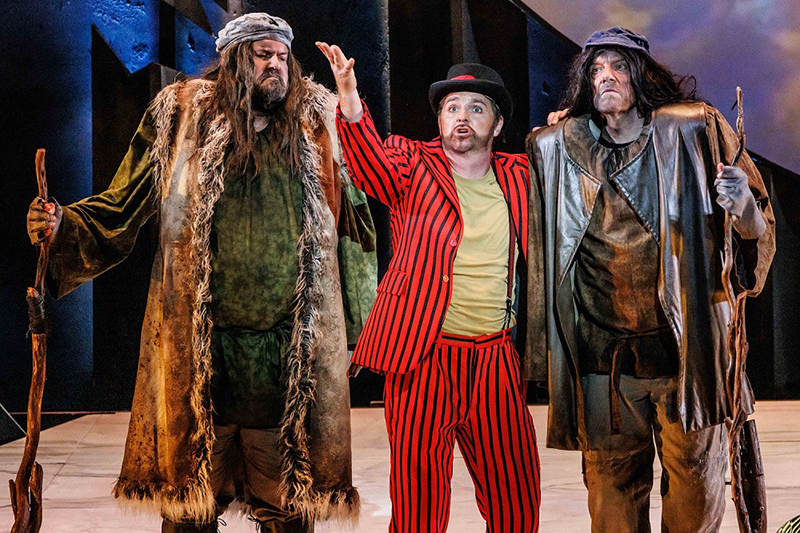
Our society members were treated to another excellent presentation on 16th September by our former president Peter Bassett. For some years we have been exceedingly fortunate to have such a committed, deeply knowledgeable Wagnerian in our midst who shares his passion and deep expertise so generously.
This presentation, titled 110 YEARS OF THE RING IN AUSTRALIA, outlined the fascinating history of Wagner’s music in this country, specifically through performances of his Ring cycle. Peter’s talk spanned from a Lohengrin performance in 1877 – we were even shown Wagner’s letter of appreciation for that production – through to Brisbane’s upcoming productions this year. Following the first staged performances of the Ring before the First World War, over 8 decades would pass before Australians could witness a production of the full cycle in this country. Astonishingly, a touring company directed by English entrepreneur Thomas Quinlan presented productions of virtually all of Wagner’s mature works in Melbourne and Sydney in 1913. (The only omission was Parsifal which was, at least up until that year, the exclusive preserve of Bayreuth.) In Melbourne, the company presented 25 different operas in eight weeks including two full Ring cycles as well as Aida that coincidentally will also be presented in the upcoming Brisbane season. And several Ring cycles were presented in Sydney together with some extra performances of Die Walküre and Götterdämmerung. Clearly after the world war(s) the many diverse challenges of producing a complete Ring cycle proved to be prohibitive for many subsequent decades. Benjamin Fuller in the 1930s brought productions of Wagner’s works (including around a dozen performances each of Die Walküre, Tristan and Tannhäuser among other operas). The star soprano of these performances was Australian soprano Florence Austral and we were treated to hear a recording of that remarkable voice from 1928 (in an extract from the Prologue of Götterdämmerung). Peter also drew our attention to another famous Australian Wagnerian soprano Marjorie Lawrence. Though she never performed a Wagnerian role here on stage, her concert performances were memorable events in the musical life of our country.
No productions of the Ring were seriously contemplated in Australia in the decades immediately after World War Two. Peter then described the attempts of Australian Opera to produce a Ring cycle in the late 1970’s that were thwarted by internal disputes and personal rivalries. A concert performance of Das Rheingold in Sydney in 1979 and Die Walküre two years later in Sydney seemed promising but Richard Bonynge’s intention of presenting a complete cycle that decade did not eventuate. A 1984 production of Das Rheingold was unfortunately decisive. Peter cited Moffatt Oxenbould’s opinion that it was “one of those performances one would like to forget, but never can, because the memories of a horribly bad performance remain so vivid.” As a result, from that point on, plans to complete the cycle were regrettably buried for over a decade.
And so South Australian Opera’s presentation in Adelaide of the Ring cycle in 1998 was the major turning point for Wagner performances in this country. Pierre Strosser’s 1998 production (imported from the Châtelet in Paris) was followed by our first fully-staged Parsifal in 2001 and the first Australian production of the Ring cycle in 2004. Many of us present will have recalled the exhilarating experience of these performances and it was a delight to be reminded of what these productions looked and sounded like. In particular, extracts from a documentary film on the 2004 performances reminded us of the hugely ambitious nature of the production directed by Elke Neidhardt, showed us conductor Asher Fisch at work preparing the orchestra (a band of over a hundred musicians that, from all accounts, excelled itself) and to hear again some of Lisa Gasteen’s glorious – dare one say incomparable? – Brünnhilde. Taken with a video of rehearsals of the 1998 production, it was a vivid reminder of the extraordinary dedication required to put on a Ring cycle: extraordinary singers supported by a musical staff whose work finishes when the curtain goes up; many months of rehearsal by the orchestra(s); and dedicated technical teams who tackle the challenge of making the productions work!
Beyond its notable place in Australia’s operatic history, the 2004 production should be recognised as an outstanding landmark in our broader cultural history and not just for Wagnerians. It is great to be informed that videos of that extraordinary production have become available to view online and that a new book of photographs from it will be available soon.
Disappointingly, plans to restage the 2004 Adelaide production elsewhere in Australia failed to materialise and it wasn’t until 2013 that Opera Australia presented a production of the Ring in Melbourne. Peter noted the interstate rivalries that were operating behind the scenes. I suspect that many of us shared his reservations about that particular production directed by Neil Armfield, noting that many of the directorial concepts were “a bit of a hotch potch” (and he demonstrated its unacknowledged debt to some previous productions). And so, now a decade later, hopes are high that the Ring in Brisbane this year will be more original, more coherent and more compelling.
The Ring presented by Melbourne Opera in Bendigo from this year was also considered – a commendable achievement to be sure but Peter expressed and justified his reservations about ‘fairy tale’ or ‘folk tale’ stagings of Wagner’s works.
Peter’s presentation concluded with an audio extract from Warwick Fyfe and Daniel Sumegi singing from the Alberich-Hagen scene in Götterdämmerung – two wonderful Australian Wagnerian voices who were featured decades ago in Adelaide Ring cycles but will be heard again this year in the Brisbane performances. The sense of anticipation is palpable – only not to hear these fine voices again but to experience first-hand what will hopefully be another landmark in Wagner performance in Australia. Our heightened expectation was only enhanced by Peter’s superb and deeply authoritative presentation that put the event into a broad historical perspective.
Observations by Stephen Emmerson
Meeting photography by Judy Xavier and Colin Mackerras
Tahu Matheson’s Conversation with Stephen Emmerson. Saturday 19 August 2023.
On 19 August, the Wagner Society in Queensland was given a special treat when Professor Stephen Emmerson, adjunct professor with the Queensland Conservatorium of Music, part of Griffith University, interviewed Tahu Matheson, Head of Music of Opera Australia.
I liked everything about this occasion. In particular, I liked the easy style of both Tahu and Stephen, expressed in the enthusiasm both clearly feel for their subject. Secondly, I liked the content and especially the attention given to Wagner’s Ring Cycle, part of the preparation for the performances later this year. Thirdly, I liked the piano performances Tahu gave us, illustrating the complex music of Das Rheingold, especially the last part of it. I thought I knew this music well, but am happy to concede that Tahu’s presentation taught me a good deal about the brilliant ways Wagner varied his main thematic material. Tahu also said it was clear from the music that, although Wotan and the gods thought they were enjoying triumph through their entry into Valhalla, in fact their success was hollow.
Tahu Matheson is unusually tall and has a commanding presence. But his style is relaxed and informal, as well as informative. He did a degree at the Queensland Conservatorium and lived for a time in Brisbane. So, in fact Stephen was among his teachers and his abiding respect was obvious during the interview, both in manner and content. Stephen began by observing that it was Parsifal that had first got Tahu into admiration and love of Wagner, its sublimity and the calm way in which tensions are resolved, at least relative to Tristan and Isolde or the Ring.
It was the Ring that dominated the discussion, with some references also to Tristan and Parsifal. Tahu emphasized the influence of Arthur Schopenhauer (1788-1860) on Wagner’s music. One of the main sources of Schopenhauer’s appeal to Wagner was his notion that the truth of the world should be seen not in scientific but in aesthetic terms, music being “a copy of the Will itself” and the greatest of the arts. Wagner developed his own theory of the arts, but the libretti of his later works show the influence of Schopenhauer’s The World as Will and Representation. A concrete example is in the wonderful first scene of Act III of Siegfried between Wotan and Erda, one of the turning-points of the Ring. Wotan needs Erda’s advice on how to “stop a rolling wheel” (wie zu hemmen ein rollendes Rad), that of the gods’ downfall. When she makes it clear she can’t help, he responds: Um der Götter Ende grämt mich die Angst nicht, seit mein Wunsch es will (“The downfall of the gods does not grieve me, since my wish wills it”). Again, in Parsifal we see a very important example of Schopenhauer’s view that compassion is the basis of morality. Who will save the Grail and return the spear? It is “the pure fool who gains understanding through compassion” (durch Mittleid wissend, der reine Tor). Tahu emphasized this crucial passage, acknowledging also the influence of Buddhism, in which compassion is central (Schopenhauer is famous for his interest in Indian philosophy).
As we come out of COVID-19 and can enjoy afternoon tea together after our Wagner experiences, let’s have more shows like this!
Observations by Colin Mackerras
Photography by Judy Xavier
SCHOPENHAUER IN TRISTAN: Beyond a usual love duet. Saturday 17 June 2023.
Presentation by Professor Stephen Emmerson.
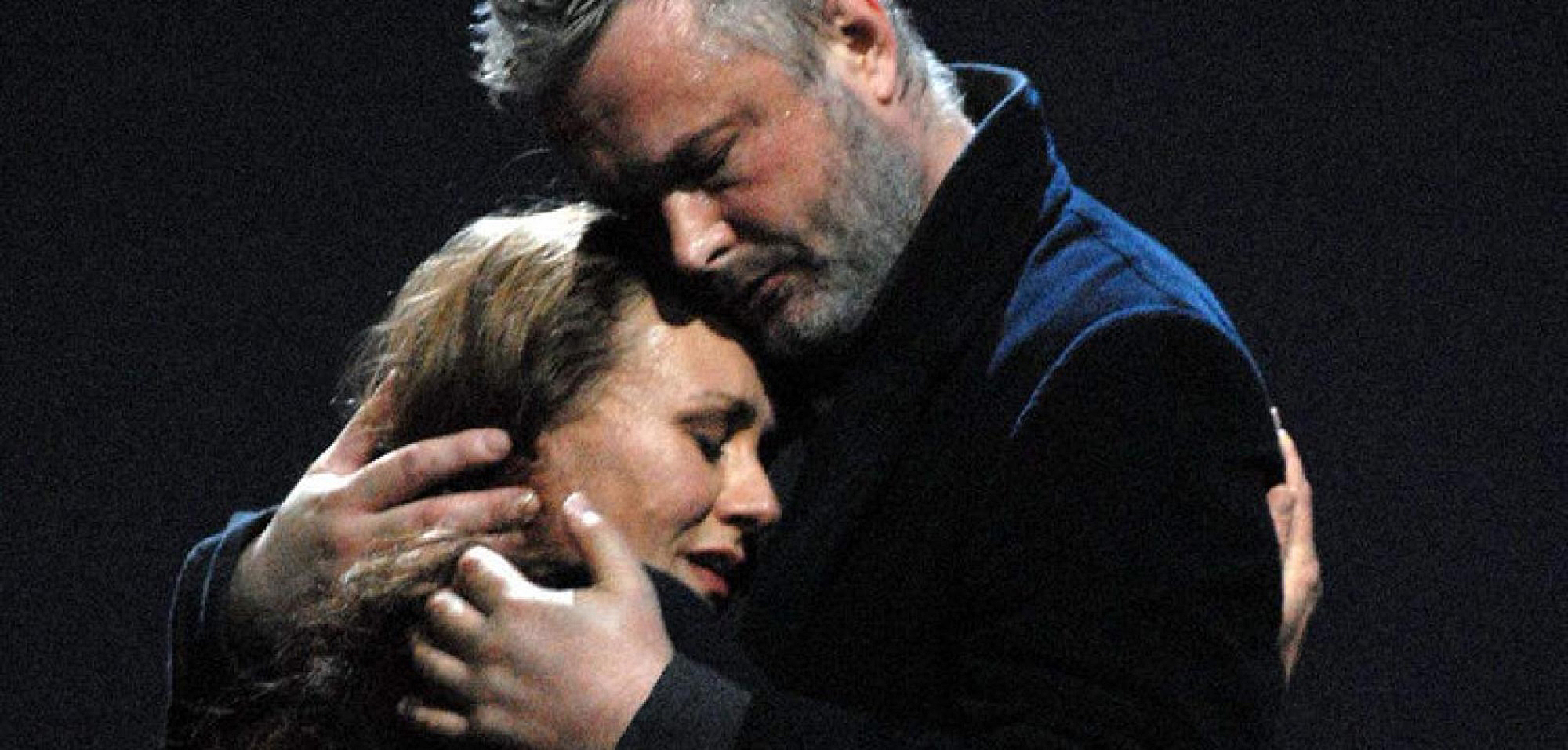
While modestly disavowing expertise in philosophy, Professor Stephen Emmerson nonetheless proceeded to give an informed and interesting presentation concerning the influence of the German philosopher Arthur Schopenhauer (1788-1860) on Wagner and how this influence manifested itself in Tristan und Isolde.
Stephen focussed on the works of two distinguished and prolific modern philosophers: Bryan Magee (1930-2019) and Sir Roger Scruton (1944-2020). Some members of our Society would be acquainted with a few of the many books that these two polymaths and ardent Wagnerians wrote on a large variety of subjects.
Wagner first discovered Schopenhauer in 1854, working through his great treatise The World as Will and Representation (1818, expanded 1844 and 1859) four times in the course of the year. For Wagner this discovery was life changing. Till the end of his life Wagner stood in awe of Schopenhauer (as Stephen observed, Wagner was not exactly known for being in awe of any person). Schopenhauer’s influence pervades Tristan und Isolde, which Wagner composed in 1857-1859.
Schopenhauer, following Emmanuel Kant, drew a distinction between the phenomenal world of appearances and the noumenal world of absolute or true reality. According to Kant, the noumenal realm, ultimate knowledge of ourselves and the world outside us, is beyond the capacities of humanity to comprehend. Schopenhauer revised Kant by adopting a pessimistic view of our life in the phenomenal world while suggesting that humans might yet gain some access to the absolute. For Schopenhauer the world of appearances is illusory and characterised by suffering and frustrated desires. His pessimism is grounded in his concept of the ‘will’: a blind irrational force that animates all being in the universe. For humans this will manifests itself in continual wanting and striving which inevitably fail to satisfy. The way to overcome suffering, to achieve tranquillity of mind, is through the renunciation of the will.
Renunciation of the will can be achieved by ascetic self- abnegation and the submergence of individual identity, for absolute reality at its fundamental level is united and undifferentiated. All this has a close relationship to Hinduism and Buddhism, as Schopenhauer became happily aware when translations of Eastern religious texts appeared in Europe. But Schopenhauer did not believe in any afterlife and dismissed the possibility of reincarnation. Throughout Tristan, the lovers express their desire to merge their separate identities in the undifferentiated cosmos. They wish to escape the world of illusion, represented for them as the ‘day’, into the ‘night’ which is regarded as the realm of transcendence. Death might presumably seem to provide the only ultimate release from the sufferings of the world. But Schopenhauer did not advocate suicide, regarding it as an assertion of the will. Tristan and Isolde though express a longing for death as liberation from the realm of day: ‘Let us die and never part – united – nameless – endless – no more Tristan – no more Isolde…’
Not everyone is cut out to gain awareness of ultimate reality through asceticism or a mystical renunciation of the will. But as Magee recounts, Schopenhauer considered that people could see into the heart of things, if only momentarily, in two other ways: through sexual love and the arts, especially music.
Schopenhauer recognised that the most intimate knowledge of the human will to live is found in the ecstasy of sexual congress; however, the will to live is essentially selfish and the transports of sexual love cannot endure. Here Wagner departed from Schopenhauer, holding that sexual love may lead the will not only to some momentary self-awareness but to self-denial and transcendence. Tristan and Isolde sing: ‘O descend upon us night of love make me forget I live’.
Schopenhauer thought that the arts could reveal ‘the universal behind the particular, the universal through the particular’ (Magee). He privileged pure music as the most metaphysical of the arts, embodying abstract forms of feelings allowing for tranquil and transcendent states of mind. Responding to this Wagner moved away from his earlier ideas of Gesamtkunstwerk and the equivalence of the various arts in an opera. Stephen recounted that this resulted in Wagner now according primacy to music over the libretto, and in adopting a more symphonic conception along with more ensemble singing (duets/trios etc). This new approach is manifested in Tristan, particularly Act 2 which has been regarded as one long symphonic poem where the music drives the drama (Stein). But it must be cautioned that the words in Tristan cannot be disassociated from the music (Bassett).
Employing his musicological expertise, Stephen gave an insightful analysis of the structure of Act 2 of Tristan and the place within it of the extended love duet ( ‘O sink hernieder’) between Tristan and Isolde. The presentation concluded with a showing of the love duet from the La Scala production directed by Patrice Chereau and conducted by Daniel Barenboim, with the principal roles sung by Waltraud Meier and Ian Storey.
Prior to Stephen’s presentation, Colin Furnival spoke briefly about a production of the Ring he recently attended at the Staatsoper in Berlin. Another attendee of this production, Marion Pender, added some comments. Both speakers provided informative and interesting remarks. Conductor, orchestra and singers were of predictably high standard in the production. But the staging was a confusing and bizarre example of the Regietheater which has bedevilled Wagner’s operas.
Observations by Geoff Fisher
WAGNER BIRTHDAY LUNCH, STORY BRIDGE HOTEL. Saturday 20 May 2023.
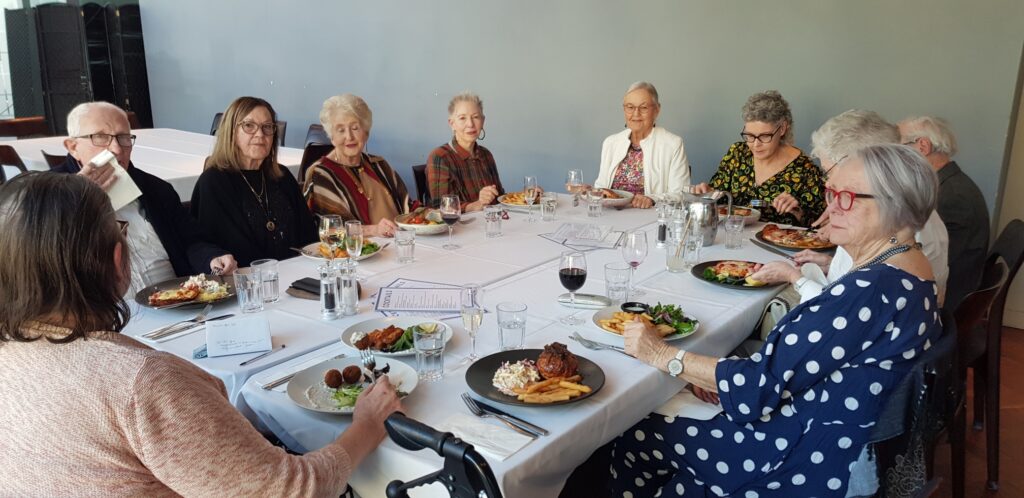
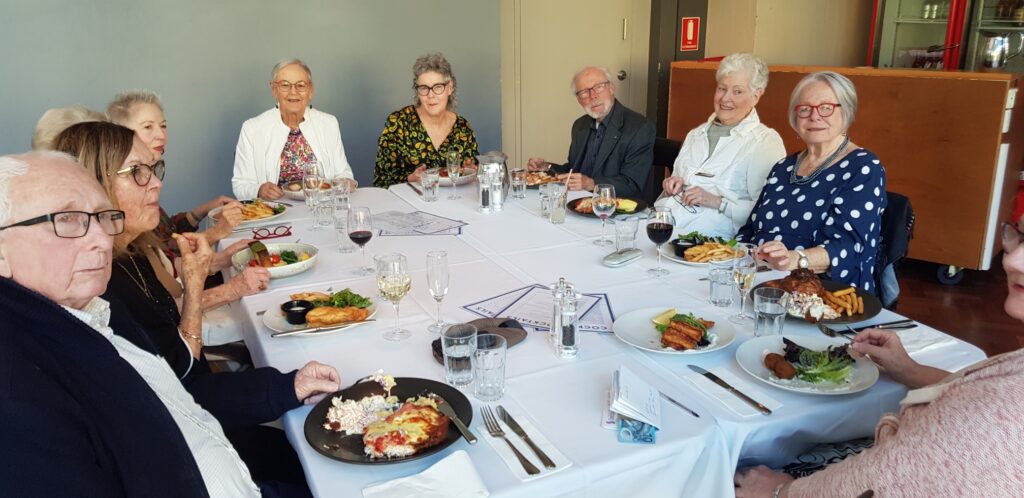
Photography by Gidia Timmerman
PARSIFAL ACT III SCREENING FOR MEMBERS AND GUESTS, ELIZABETH PICTURE THEATRE. Saturday 15 April 2023

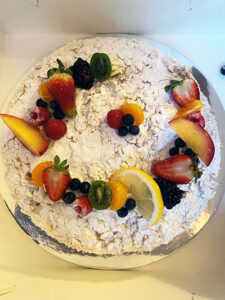
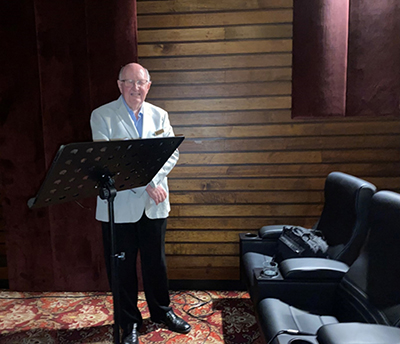
A different and highly enjoyable afternoon was held on Saturday the 15th April, with a showing of Act III of Parsifal followed by a Reception. The venue was the old Irish Club in Elizabeth Street which has now been converted to a very comfortable cinema, and the Reception rooms adjoining have retained the original charm and character of the building. The production of Parsifal chosen was that of the Metropolitan Opera in 2013, and the high quality sound made it quite a thrilling performance. What better to follow it than French cakes and Prosecco? Members are already asking for a repeat experience, and the Society is very grateful to the member who donated this wonderful afternoon. 52 members and their friends attended, and several visitors from overseas. It was a very good start to what promises to be an exciting year. Rosemary Cater-Smith, President
Cast and Production Team, New York, February 2013. Parsifal: Jonas Kaufmann. Gurnemanz: René Pape. Amfortas: Peter Mattei. Kundry: Katarina Dalayman. Klingsor: Evegny Nikitin. Titurel: Rúni Brattaberg. Conductor: Daniele Gatti. Production: François Girard. Designer: Michael Levine. Metropolitan Opera Orchestra and Chorus.
Peter Bassett’s Introduction to the screening of Parsifal Act III from the Metropolitan Opera.
Parsifal was Richard Wagner’s most deeply personal work, and it is a perfect example of how he constructed his mature dramas. He was drawn to myths and legends that lent themselves to musical treatment; and music, like myth, uses the language of feeling.
Musically, Tristan und Isolde and Parsifal have one thing in common – they use what has been called ‘sonic clusters’ from which musical strands are drawn and developed. This was a revolutionary approach in the mid-19th century, and it influenced many later composers. Wagner explained it this way: “Even before I set about writing a single line of the text or drafting a scene, I am already thoroughly immersed in the musical aura of my new creation.” It is useful to know that because it tells us that Parsifal is not just a story set to music – the music is the main vehicle for the story, and that can’t be ignored by stage directors.
In Tristan und Isolde, insatiable desire – a perpetual longing for things beyond our reach – can only be extinguished by entering “the wondrous realm of night” which lies outside a life of illusions and appearances as we know it – the world of day. But in Parsifal, there is another way to find inner peace – not through the portals of death but through compassion for the suffering of others. And “compassion”, said Schopenhauer, “is the basis of all morality”.
In 1857, Wagner and his first wife Minna had moved to the estate of Otto and Mathilde Wesendonck on the outskirts of Zürich, where they were given a cottage in the grounds. There, shortly after Easter, he was encouraged by the beauty and tranquillity of his surroundings to think of the Good Friday references in the old story of Parzival by Wolfram von Eschenbach. And, at once, he sketched out a drama in three acts that became Parsifal. So, work on Parsifal began while Wagner was in the midst of composing Tristan und Isolde. This is often forgotten because Parsifal wasn’t completed until 1882 and became his final work. The spirit that moved him on that spring day in 1857 was captured in the Good Friday scene in Act Three which we are about to watch. “Thus, all creation gives thanks for all that here blooms and soon fades, now that nature, absolved from sin, today gains its day of innocence.”
Traditionally, Good Friday was a day of miraculous happenings, and it seems to have been an especially propitious day in early literature. In Dante’s Divine Comedy, the poet set out on his spiritual journey on the vigil of Good Friday. In Wolfram’s Parzival, we read that on each Good Friday, a dove brought a wafer from heaven to lay upon the Grail and renew its powers. This is the origin of the final stage direction in Wagner’s Parsifal, according to which a white dove descends and hovers over Parsifal’s head.
The prelude to Act Three took western music into regions that were even stranger and more remote than those of Tristan. Today we can recognise in it a path to the music of Gustav Mahler and Arnold Schoenberg. It paints a desolate picture. Many years have passed, and the community of the Grail has been dispersed; the leaderless knights have been forced to forage for food like beasts. Gurnemanz emerges from his hut and encounters Kundry, now sleeping in the undergrowth. Gurnemanz is the elderly knight who had hoped that Parsifal would be able to save the stricken Grail community, but he had eventually abandoned him as just a foolish boy.
Kundry had been a tormented creature and a seductress, longing for sleep and death but condemned to endless rebirths. In the first Act, Gurnemanz had wondered whether she carried a burden of sin from a previous life, which is a curious remark for a Christian knight to make. In time though, we learn that in a former life she had laughed at the Saviour on the cross, which was the very antithesis of compassion. His own compassionate gaze fell on her, she says, and now she seeks him again “from world to world” – which is to say, from life to life.
At the end of Act Two, when Parsifal had rejected Kundry’s repeated attempts to seduce him, she was finally released from her suffering by the triumph of compassion over desire. The sorcerer Klingsor had told her: “He that rejects you will set you free”. Now it only remained for her to be reconciled with the Saviour through baptism.
A stranger approaches wearing black armour and carrying a spear. He sits wearily on a grassy mound and removes his helmet. Gurnemanz chastises him for being armed on such a holy day, but then recognises him as the boy who had killed the swan, the fool he’d driven away in anger. He also identifies the sacred spear and rejoices that he has lived to witness the day of its return. Parsifal remembers Gurnemanz and he learns that Amfortas, the Grail King, can no longer bear the pain of a wound once inflicted by the holy spear during his seduction by Kundry. He refuses to have anything to do with the Grail because of the agony it causes him, and the knights are in a pitiful state. The ancient Titurel, deprived of the Grail’s life-giving support, has died – a man like all men.
Parsifal laments his failure to do anything to prevent this misery. Realising that the youth must indeed be the one they have been waiting for, Gurnemanz helps him to a spring where Kundry bathes his feet. Gurnemanz scoops up some water and sprinkles it on Parsifal’s head. Kundry pours oil on his feet and dries them with her hair, and the old knight anoints him as the new Grail King. What is the point of all these details, so reminiscent of the Gospel accounts? Put simply, they illustrate Kundry’s path to reconciliation with the Saviour she had once mocked. That is what this scene is all about.
Parsifal’s first duty is to baptise the kneeling Kundry. He then remarks on the beauty of the meadow, contrasting it with the sorcerer Klingsor’s rank garden. Gurnemanz tells him that he is experiencing the magic of Good Friday, and we hear serene diatonic music that contrasts so wonderfully with the chromaticism of Klingsor’s sorcery in Act Two. Parsifal thinks that this should be a day of sadness, when all that blooms and breathes must weep. But Gurnemanz replies that this is not so. The tears of repentant sinners have sprinkled the meadow, and nature no longer sees the Saviour in agony on the cross, but man redeemed through God’s loving sacrifice.
In the distance is heard the sombre pealing of bells. It is midday, and Gurnemanz leads Parsifal and Kundry through the forest, through the rocky walls and into the hall of the Grail. This repeats the wonderful scene in Act One in which Parsifal says: “I scarcely tread and yet already seem to have come far.” To which Gurnemanz famously replies with Einsteinian prescience: “You see, my son, here space and time are one”. Einstein, by the way, was only three when Parsifal was first performed.
Two processions of knights enter, one bearing Titurel’s coffin and the other Amfortas on his litter. The two groups confront each other with mutual accusations in the centre of the hall at the covered shrine of the Grail. Now, the air is rent with the agony of a community utterly without hope. This is the music of pain, anger and despair, and it is one of the most dramatic scenes in Parsifal – indeed in all opera.
Titurel’s coffin is opened, and the knights break into cries of despair. They demand that now, for the last time, Amfortas must perform his duty and uncover the Grail. But he defies them, courting death and tearing open his bandages, imploring the knights to end his torment by plunging their swords into his body.
Meanwhile, unobserved, Parsifal has been watching these events. He steps into the midst of the knights, stretches out the holy spear and touches Amfortas’s side with its tip. The wound miraculously closes and Amfortas is healed. Compassion has achieved what nothing else could. Parsifal offers the Grail’s blessing to the worshipping knights and, high above, voices proclaim a heavenly benediction: Highest holy miracle! Redemption to the redeemer!
Wagner’s Parsifal was completed in Palermo, Sicily, on 13 January 1882, and its first performance took place in July that year at Bayreuth. Its impact on great composers who attended the earliest performances was overwhelming. Debussy described it as “one of the most beautiful monuments that has ever been erected to the eternal glory of music”. And Gustav Mahler said: “When I came out of the Festspielhaus, unable to speak a word, I knew that I had experienced supreme greatness and supreme suffering.”
And so, to Act Three from the Metropolitan Opera. This production was first staged ten years ago, in February 2013, and the video recording was made at that time. We are fortunate in being able to see it projected onto a large cinema screen and to hear the wonderful music in ideal circumstances. I add my sincere thanks to our generous benefactor who has made this possible, and has requested this introduction.
Stage productions can only proceed from limited perspectives – that’s the theatrical reality – and this 2013 production is no different. Here are a few comments by reviewers at the time. From David Allen in Bachtrack: “It is another in a long line of Wagner productions set in a post-apocalyptic world. …. In Girard’s telling, nature has been desecrated, and the steady, minimal staging grows with almost unbearably powerful images. … Girard, like Wagner himself, leaves questions unanswered – unlike the composer, he leaves too many.”
And from Robert Levine in Classics Today: “Despite Wagner’s instructions, the landscape consists of arid land and small mounds of earth. There is no forest or lake in Act One or springtime in Act Three, and neither the first nor third Act transformation scene offers any physical transformation. Gurnemanz and Parsifal stroll – the transformation is clearly inner…. Parsifal returns in Act Three utterly exhausted. He is not a knight in armour come to heal the world’s wound caused by the spear and, by association, by women; he doesn’t bring springtime and renewal. He simply comes back to do his job and to perform a ritual that for some reason brings comfort to a group of men and women. Some wounds have been healed, but the world outside is still barren. Kaufmann’s is a divinely beautiful performance …. but almost stealing the show is Peter Mattei as Amfortas, whose agony and self-hatred are terrifyingly real. The Met orchestra and chorus play and sing magnificently. You leave this performance wandering, like an imperfect fool, but fascinated.”
You can decide whether you agree with these observations made a decade ago. But, as I said at the beginning, Parsifal is not just a story set to music; the music is the main vehicle for the story, so please listen to it with that in mind. It is Wagner’s original creation that will survive, and Parsifal was, in many ways, his Credo and his farewell to the world. As Toscanini put it: “Every time I glance at the score of Parsifal, I say to myself: This is the sublime one.”
So, here is an intriguing modern perspective on Act Three from the Metropolitan Opera.
Peter Bassett.
Photography by Cathie Duffy.
POST-WAGNER GERMAN OPERA: WORLD WAR I BY PROFESSOR COLIN MACKERRAS. Saturday 18 March 2023
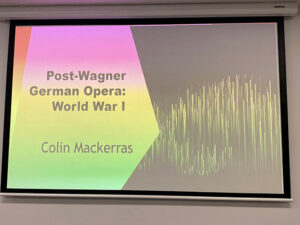
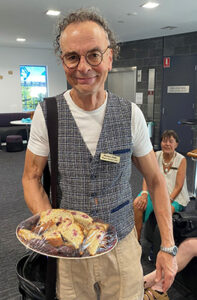
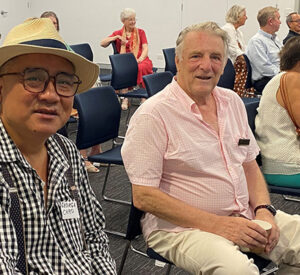
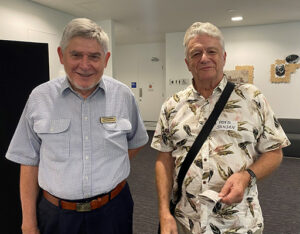
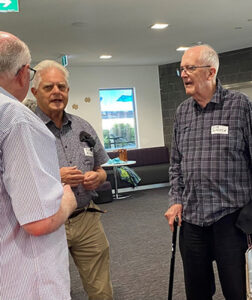
Professor Colin Mackerras was the speaker for our meeting on March 18th, 2023. He spoke about “Post-Wagner German Opera: World War I”. In a presentation lavishly illustrated with musical examples, Colin painted a vivid picture of the diverse directions that German opera took, despite the enormous historical weight of Wagner’s artistic legacy. He placed creativity during and after World War I within the context of the leadup to the end of empires throughout the world; the growth of nationalism and also human displacement both after the War and with the rise of Fascism in the 20s and 30s; and also the enormous artistic vitality and adventurousness in the first quarter of the twentieth century.
One implication of all this change was a loss of centrality of German art music, as had been epitomized by Wagner’s legacy at the end of the 19th century. How composers reacted was the theme of Colin’s talk, which he discussed by considering four examples.
Colin began with Hans Pfitzner’s Palestrina. Pfitzner was a superbly accomplished composer and conductor, and a major figure of musical conservatism in the first half of the century. Palestrina is often considered his masterpiece (by Thomas Mann and Bruno Walter, amongst others), highly valued still within Germany, but a work that has struggled to find a place in the repertory in non-German-speaking countries. Its story is the creation of Palestrina’s Mass for Pope Marcellus and, with it, the preservation of musical polyphony at a time when the Catholic Church was considering its prohibition (in favour of plain chant). To that extent, Palestrina upholds the power of individual artistic creativity in uncertain times.
Colin’s second example – Richard Strauss’s Ariadne auf Naxos – was quite a contrast to this. Strauss’s third opera written jointly with librettist Hugo von Hofmannsthal, Ariadne is an opera within an opera within a play: a lyrical Greek tale (with heroic soprano and tenor) mixed in with a comic troupe. Yet it is also a thing of its time: perhaps a reaction by the composer against the violence of his earlier operas (Salome and Elektra), but also a self-referential work (with a Composer as one of its characters) that mixes high drama with lower jokes. A comedy with a chamber orchestra very different from the weight of Wagner’s work or, indeed, Strauss’s early work.
Erich Korngold’s Die Tote Stadt was Colin’s third example. Korngold was a creative prodigy: maturely creative as a child, admired by Mahler and Richard Strauss, Korngold was to emigrate to the USA and create some of finest scores for Hollywood films of the 30s and 40s. To an extent that success has eclipsed his concert music (though his late symphony is currently being revived by the Berlin Philharmonic). Die Tote Stadt (“The Dead City”) was written by Korngold in his 20s (before he left Europe) and was fabulously successful (premiered simultaneously in Hamburg – conducted by Klemperer – and Cologne). Written in a richly post-Romantic language with many achingly beautiful melodies, it tells the story of a man who is trapped within himself (the dead city, perhaps) after the loss of his beloved. Perhaps, like Palestrina another surrogate for music in the centre of German culture? Like much of Korngold’s art music, Die Tote Stadt was banned by the Nazis, but has been regularly revived in the past two to three decades (notably a recent Bavarian production directed by the Australian Simon Stone, with Jonas Kaufman, Marlis Petersen and led by Kirill Petrenko).
Finally, Colin discussed Alban Berg’s Wozzeck, the darkest of the four dramas – an adaptation of Georg Buchner’s play about an Untermensch, an impoverished soldier driven to madness and murder. There is no nostalgia, comedy or idealism (in contrast to the Korngold, Strauss or Pfitzner works that he’d earlier discussed). But it also exemplifies the creative diversity and energy in German opera at that time. And its vivid music language retains its power and pungency today (as was very evident in the examples that Colin chose). It represented a confident, alternative direction to the legacy of Wagnerian opera – and a language, with its dissonance (atonal, but not yet serial) and powerful orchestra – that might not have been possible without Wagner’s example.
This diversity of German opera after the First World War then reflected both the creativity of the times and the different voices that their composers sought to forge in the wake of Wagner’s legacy.
Observations by Professor Alpha Yap. Photography by Cathie Duffy.
GENERAL MEETING & A NEW LOOK AT THE RING BY PETER BASSETT. Saturday 18 February 2023
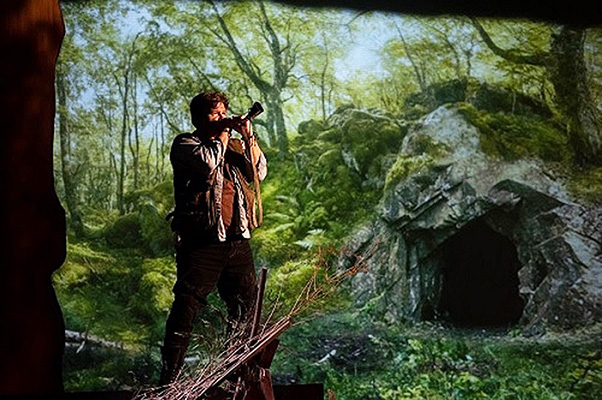
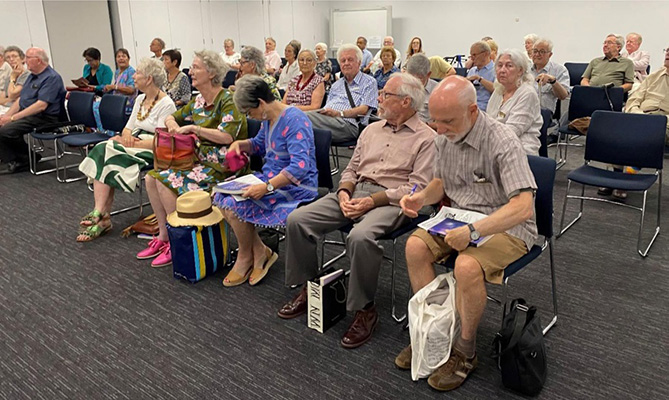
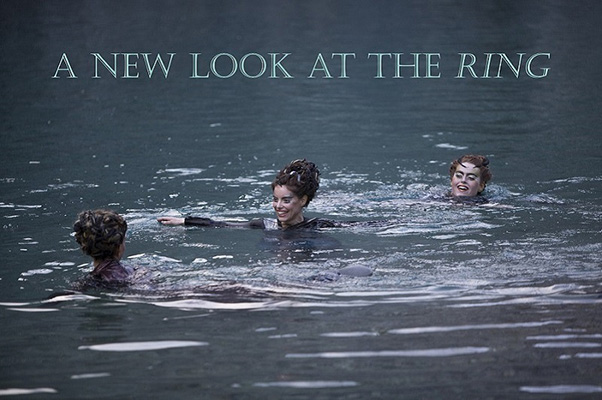
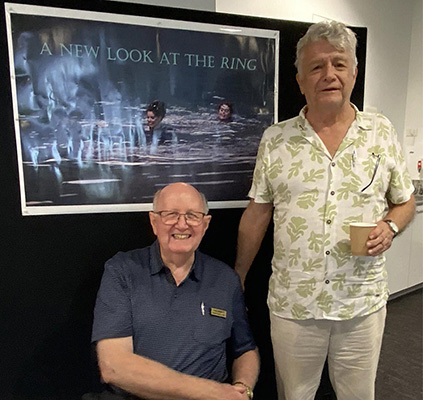
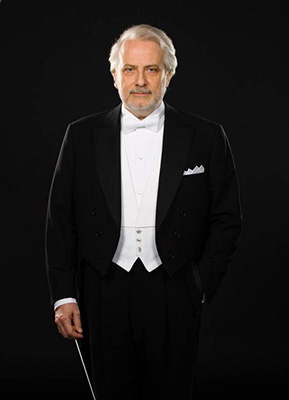
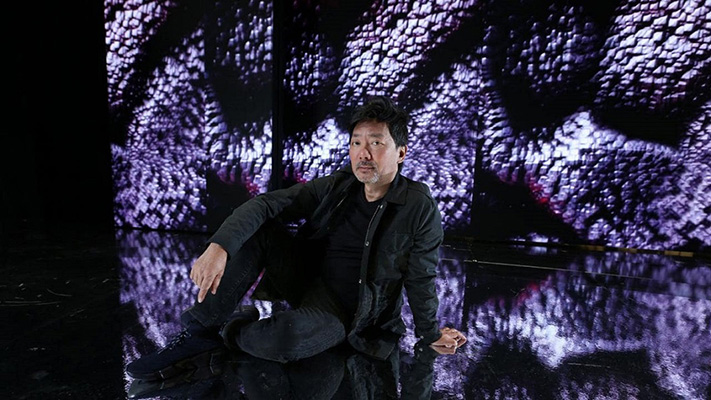
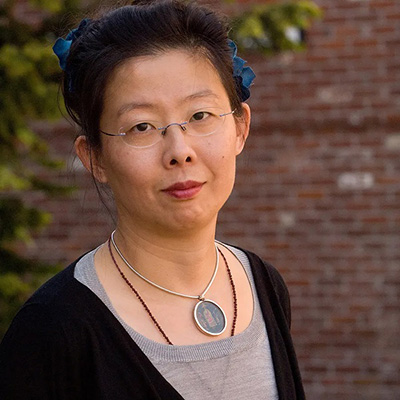
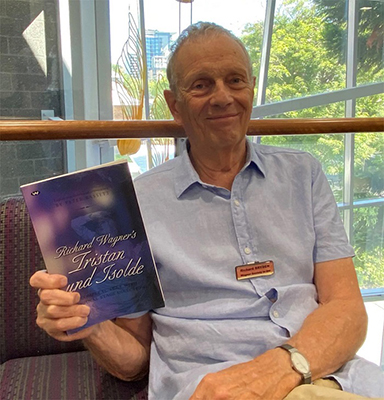
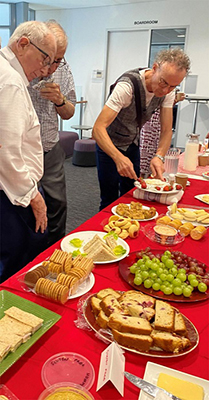
In a wide ranging presentation, Dr Peter Bassett offered entertaining and informative observations about aspects of modern performances of Wagner’s epic Ring Cycle.
In December this year Brisbane is to see a new production of the Ring Cycle, so it was appropriate that Peter’s initial comments were directed to that production and its participants. The Brisbane Ring promises to be a “streamlined, portable, digital production” while avoiding the excesses of many modern stagings. The Director of the Brisbane Ring, Chen Shi-Zheng, has been quoted as saying: “Wagner productions in recent history, are always trying to relate the story of the Ring to current Western society. But this story is fantasy, a myth.” He intends not to impose too much visual baggage on the music, allowing Wagner to speak for himself. He compares his task to that of a Chinese painter; knowing where to provide detail, and what to leave to the imagination. The Costume Designer, Anita Yavich, appears to be in agreement with this thoughtful approach. The French maestro Philippe Auguin, who has conducted more than a dozen Ring productions around the world, will conduct the Ring performances in Brisbane. In a short snippet from an interview he gave recently in Finland he revealed himself to be a sensitive and committed interpreter of Wagner music drama. He will lead an accomplished cast of singers from Australia and abroad. Peter reminded the meeting that he has organised pre-performance talks and Symposia to be held throughout the three cycles of the Ring performances. These Symposia will include sessions with the producer, conductor and costume designer as well as with some of the cast.
The presentation then moved into an examination of various modern forms or techniques in Ring staging:
• Open air opera performances with hidden orchestras. While open air stagings of Wagner’s operas have occurred in the past, only modern audiotechnology has enabled really successful outcomes, as demonstrated by the Bregenz Festival on Lake Constance and by Opera on Sydney Harbour.
• Location of some musicians outside of the pit. Technology has liberated the Wagnerian orchestra from the confines of a cramped, stuffy pit and even allows the pre-recording of certain instruments e.g., the Nibelheim anvils.
• Combination of professional and semi-professional resources. Reference was made to initiatives such as the pioneering The Valkyrie (sung in English) produced by the London Wagner Society in 1974 and the various stagings of the Ring Cycle by Longborough Festival Opera.
• Video performances against a green screen. A 2022 Los Angeles staging of Die Walküre regrettably took digital opera to extremes by creating a sort of video game animation which ignored music and action on stage.
Under the category of “curious directorial interpretation”, the presentation considered how the Valkyries have been represented in modern Ring productions. Many productions were shown to ignore the true nature of the Valkyries as harpie-like creatures, young and terrifying. Instead, the Valkyries were depicted variously as benign beings or put-upon women or straightlaced 19th century matrons. Of course, after Wotan kisses Brünnhilde’s godhead away and Siegfried awakens her to a new life, it is appropriate that her transformation from fierce harpie into a beautiful, vulnerable woman should be conveyed visually by a change in appearance.
Peter cast a critical eye on modern Regietheater (‘director’s theatre’) which arose in Germany in the second half of the twentieth century largely to sweep away tainted symbols and reminders of the past. It involves changes to opera plots, the insertion of modern controversies and the performance of gratuitously shocking (often sexual) acts. None of this, of course, has anything to do with what Wagner actually created. Some egregious excesses of Regietheater in Wagner stagings were instanced, such as bizarre aspects of the current Ring at Bayreuth.
In conclusion, Peter offered his personal reflections on the over-arching meaning of the Ring Cycle. He has long seen The Ring of the Nibelung as being an extended love story. Love is the thread that binds the whole story together – love as the alternative to hatred and revenge, power and property, greed and envy. But Peter now sees that the four dramas are also about the power of self-delusion, self-imposed prejudices, superstitions and beliefs. Those who possess the ring are actually powerless to do anything with it. What really matters is what the characters think the ring represents and so the entire Ring Cycle is fundamentally about the capacity of human beings to deceive themselves and so harm others.
Observations by Geoff Fisher. Meeting Photography by Cathie Duffy
CHRISTMAS LUNCH, STORY BRIDGE HOTEL. Saturday 26 November 2022
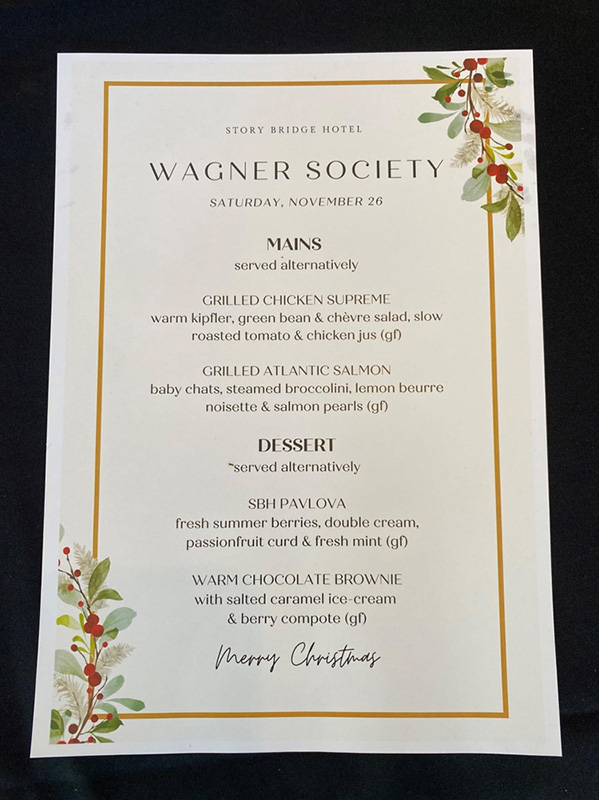
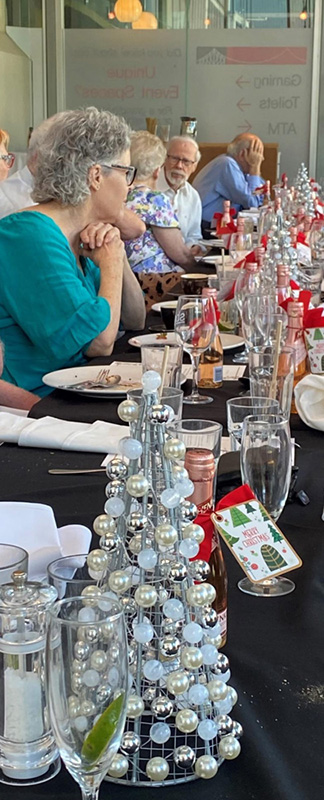
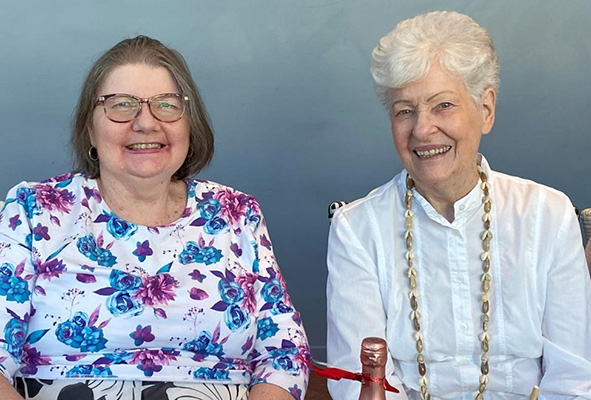
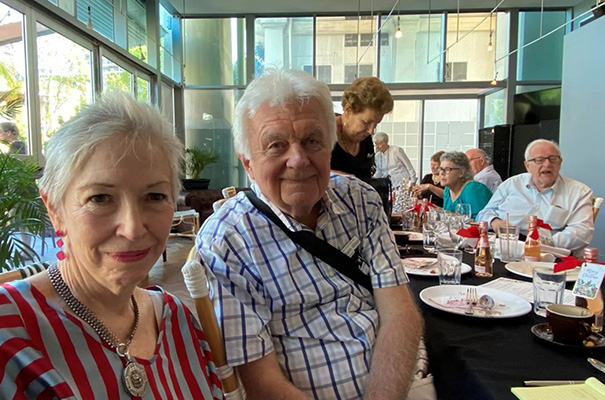 Photography by Cathie Duffy
23rd ANNUAL GENERAL MEETING & SCREENING OF PARSIFAL ACT I. Saturday 22 October 2022
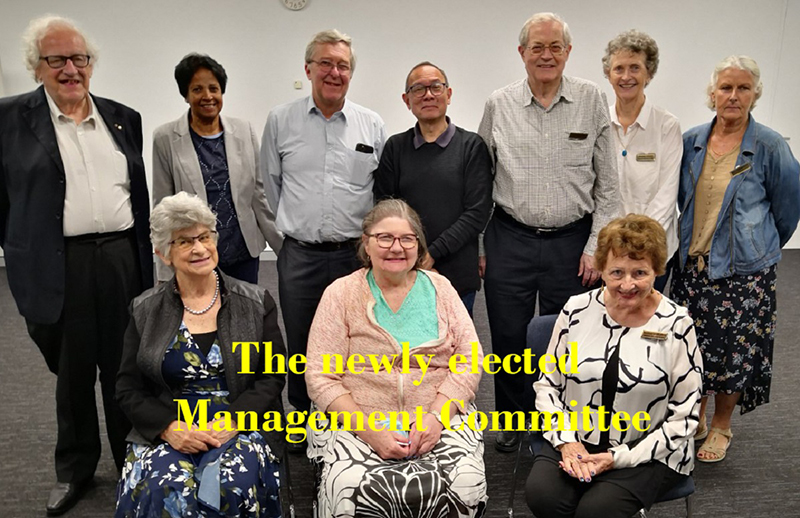
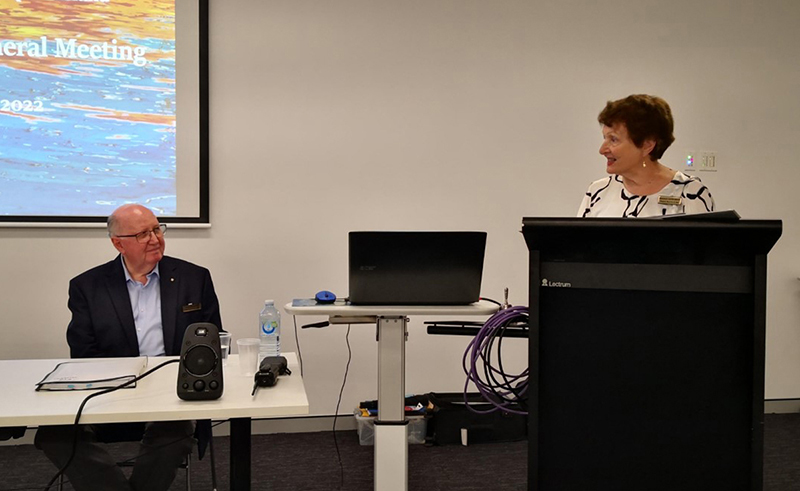
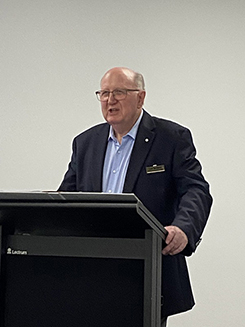
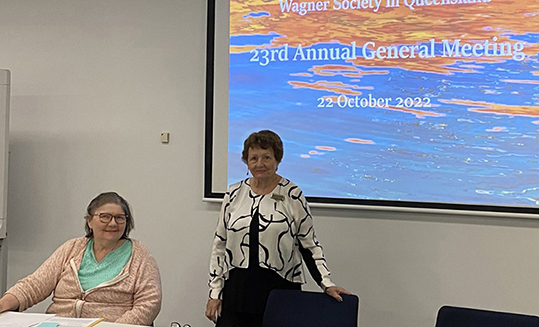
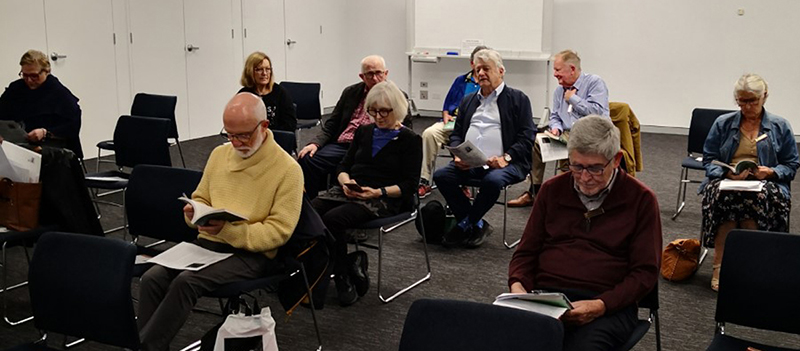
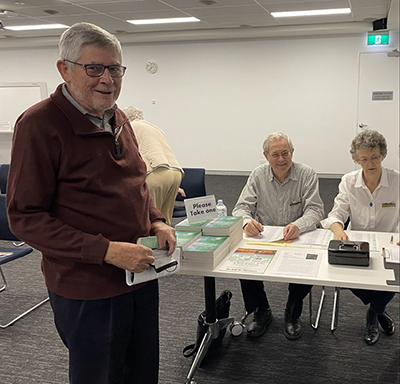
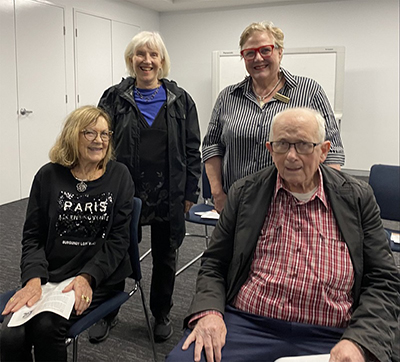
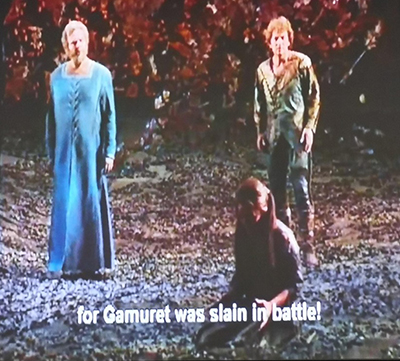 A very efficient and friendly Annual General Meeting began at 3:00pm with a good representation of members. The President’s and Treasurer’s Reports were received and accepted. Committee Members were elected (see the “Home Page” of this website for current Management Committee membership) and thanks and congratulations were given to outgoing and incoming committee members. Life Membership of the Wagner Society of Queensland was awarded to the Immediate Past President, Dr Peter Bassett. The excerpt screened from Parsifal was wonderful. Today, theatre critics may say it was a traditional interpretation set in the legend’s time. The director – Wolfgang Wagner – studiously respected the composer’s concept of the music and drama. The acting of the principal characters in this Act was great. Even though Parsifal stands to one side of the central activity for much of the scene, his acting presence shadowed over it. A really enjoyable and spiritual production. The conductor was Horst Stein. Parsifal was a youthful looking Siegfried Jerusalem; Gurnemanz – Hans Sotin; Amfortas – Bernd Weikl; Titurel – sung off stage by Matti Salminen, and Kundry was Eva Randova. The DVD set by Deutsche Grammophon is still available through some retail classic music sites. Observations by Paul Caesar. Photography by Cathie Duffy and Colin Mackerras
RICHARD WAGNER FINDS HIS VOICE, BY PETER BASSETT. Saturday 17 September 2022 
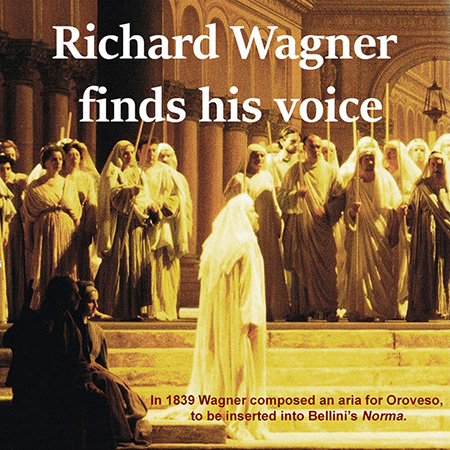
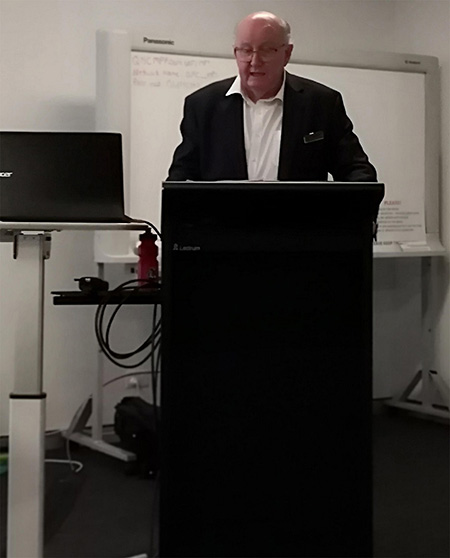
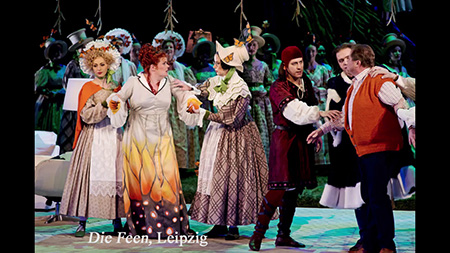
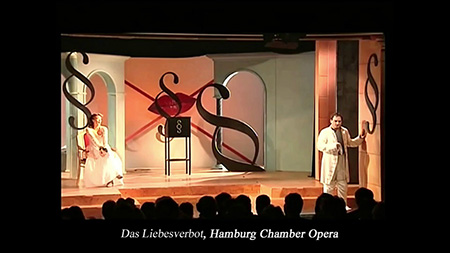
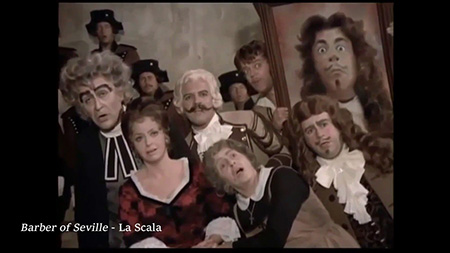
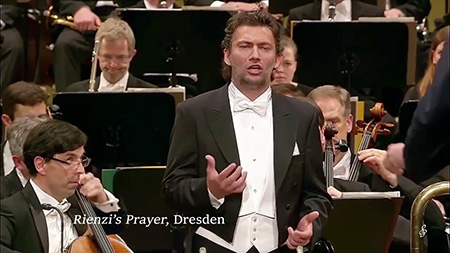
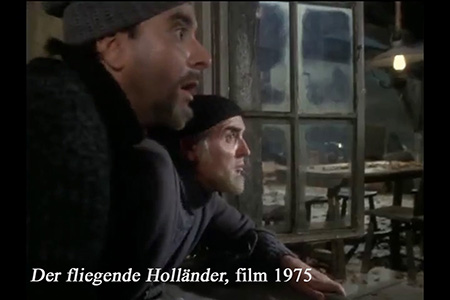
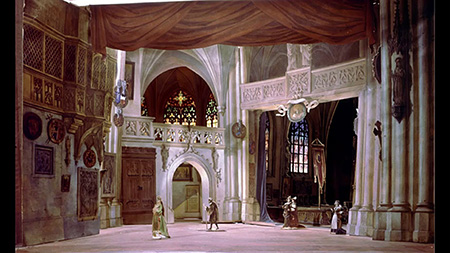 An enjoyable and most interesting presentation by our President, Dr Peter Bassett, tracing the young Richard Wagner’s musical journey from his earliest opera compositions to his greatest works. As a young man, Wagner was attracted to the music of Vincenzo Bellini. He admired the “song, song, and yet again song” in Bellini’s compositions. Growing up, the young Wagner had no real encouragement or guidance from the musical elite of his time; he was self-motivated and searched out local musicians and theatre people in Leipzig who helped him to form a belief in himself. What benefited his compositional and dramatic development were the numerous conducting engagements he undertook. The composers who inspired him in his formative period were Mozart, Beethoven, Meyerbeer and Weber. And, at 20 years of age, he completed his first opera Die Feen. Then followed Das Liebesverbot and Rienzi. These operas, now rarely performed, were heavily influenced by the aforementioned composers. Our members may be interested to know that, at a recent Leipzig Festival (2022), all of Wagner’s operas were performed. His long period of exile from the German states and disillusionment with politics inspired a new clarity of vision for Wagner. He said that the change in his compositions came when he put his trust in his intuitions, even when he did not understand them. From this self-awareness emerged The Flying Dutchman, Tannhäuser, and Lohengrin. No longer just preoccupied with ‘songs’ – the mature Wagner was combining poetry, psychoanalysis, theatrical drama and music – as never conceived before. Peter gave an interesting quote by the music critic Eduard Hanslick (a contemporary): “Wagner’s most recent reform does not represent an enrichment, an extension, a renewal of music in the sense that the art of Mozart, Beethoven, Weber and Schumann did; it is, on the contrary, a distortion, a perversion of basic musical laws, a style contrary to the nature of human hearing and feeling ….. there is music in it but it’s not music.” Perhaps people like Hanslick failed to recognize the evolution in Wagner’s compositions from the practices of Bach, Mozart and Beethoven. The greatest point of Peter’s presentation was the excerpt played from Tristan und Isolde. The mature Wagner “gave himself up entirely to music” – as the maid Brangäne warns her mistress that the hunting horns are still within earshot. Our members were transfixed! The appreciation of Richard Wagner was present there – Christa Ludwig as Brangäne in the Karajan recording with the Berlin Philharmonic. As Peter concluded, by the time that Wagner came to the Ring and Parsifal, he had certainly found his voice. He knew exactly what he wanted, and how to achieve it. It was a wonderful presentation. Thank you, Peter. Observations by Paul Caesar. Meeting photography by Cathie Duffy and Colin Mackerras
WAGNERISM – ART AND POLITICS IN THE SHADOW OF MUSIC, BY ALEX ROSS. STEPHEN EMMERSON. Saturday 20 August 2022
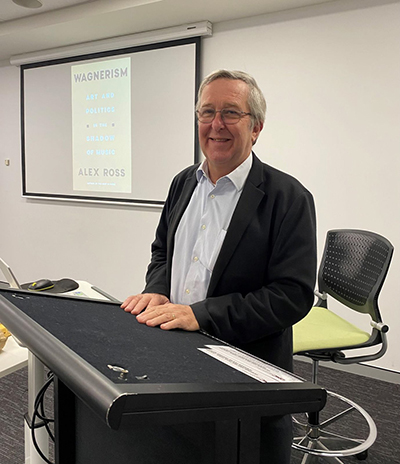
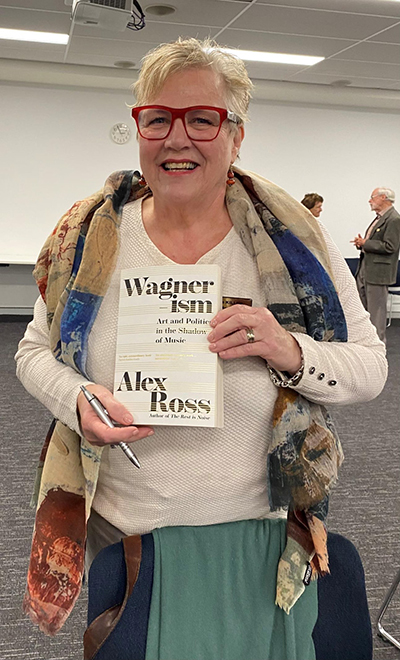
This was a fascinating meeting with an unusual subject – a recently published encyclopaedic study of the influence of Richard Wagner on composers, writers, visual artists, and political figures up to modern times. The author of the book discussed by Stephen Emmerson is American writer, music critic, and Pulitzer Prize finalist, Alex Ross, and the scope of his book goes far beyond the composer’s musical legacy. Ross was not primarily concerned with Wagner’s life and works or even his musical impact, but with his extraordinary influence on broader culture and society. The book features an unlikely cast of characters ranging from philosophers, French symbolists, English and German writers, Adolf Hitler, modern novelists, film makers, cartoonists, and even members of Wagner Societies! Mindbogglingly, it also addresses “half-forgotten understandings of the composer … socialist Wagner, feminist Wagner, gay Wagner, black Wagner, Theosophical Wagner, satanic Wagner, Dadaist Wagner, sci-fi Wagner, Wagnerismus, Wagnerismo, Wagnérisme.”
Ross began researching his book in 2008 and it was published in 2020. His achievement was not only “monumentally ambitious – a cultural history of the modern world”, as one critic described it, but also lucid in style and evocative in language. Stephen quoted many extravagant reviews: “A virtuoso feat of scholarship and supple writing”; “a singular achievement of scholarship, sensibility and storytelling”; “a masterpiece! … probably the most informed work on Wagner and his aesthetic and cultural significance that I have ever read.” But there were also sceptics such as Peter Conrad who, in his review in The Guardian, declared that “The story diverges and digresses and soon gets out of Ross’s control. … After (his) hungover postlude, I recalled his claim, made 700 arduous, enfevered, over-charged pages earlier, that Wagner’s influence was actually less extensive than those of Monteverdi, Bach or Beethoven.” In fact, Ross had written: “Wagner’s effect on music was enormous, but it did not exceed that of Monteverdi, Bach, or Beethoven. His effect on neighbouring arts was, however, unprecedented, and it has not been equalled since, even in the popular arena. He cast his strongest spell on the artists of silence – novelists, poets, and painters who envied the collective storms of feeling that he could unleash in sound”.
Stephen noted that the breadth of Wagner’s cultural influence on subsequent generations was virtually unparalleled. He also made the point, taken up by the three panellists who joined the discussion (Colin Mackerras, Peter Bassett, and Geoff Fisher), that those who had been inspired by Wagner invariably focused on a favourite work or at least an element of it, and brushed aside everything else. There has been much selective ‘Wagnerolatry’ to use a term from Bryan Magee’s splendid (and splendidly compact) book Aspects of Wagner. The panel noted that Ross drew almost exclusively on European and North American examples. The meeting concluded with perceptive comments and questions from members of the audience.
Comment: Richard Wagner’s ideas and musical forms evolved over a lifetime, and each one of his stage works is unique, culminating in Parsifal, the embodiment of his mature thoughts on the transformative power of compassion. As a young man, his views on music and opera were in line with a contemporary movement called ‘Musical Idealism’, which was a reaction to the commercialisation of art in the late eighteenth and early nineteenth centuries. Musical Idealists were wary of transitory fashions and empty virtuosity, and it was against that kind of superficiality in the works of Meyerbeer and Offenbach that Wagner rebelled during his experience of the Second Empire of Napoleon III and earlier years in Paris. This commitment to musical idealism also partly explains his enormous appeal to other idealists in artistic and political circles across Europe. For some readers, the label ‘Wagnerism’ might seem to imply uniformity and predictability, but this could hardly be further from the truth. PB
Observations by Peter Bassett
Photography by Cathie Duffy and Colin Mackerras
THE INFLUENCES OF WAGNER ON THE WASTE LAND BY T.S. ELIOT. GEOFF FISHER. Saturday 23 July 2022
Geoff Fisher gave an engaging and thought-provoking presentation on the poetry of Thomas Sterns Eliot (1888-1965) and its links (sometimes indirect) to the music dramas of Richard Wagner. Geoff had first become aware of Eliot’s poetry as a school student, reading and discussing Journey of the Magi and The Hollow Men. At university he enthusiastically explored the rest of Eliot’s oeuvre, including his most famous poem The Waste Land (often described as one of the most important poems of the 20th century) and his final achievement The Four Quartets. Since then, Geoff’s enthusiasm for Eliot’s poetry has remained undiminished. It has often been noted how creative artists of all kinds – composers, writers, visual artists and even movie makers – have been inspired by Wagner, and Geoff remarked on this phenomenon.
Eliot’s first significant encounter with Wagner’s works came in 1908, when he attended a performance of Tristan und Isolde at New York’s Metropolitan Opera, conducted by none other than Gustav Mahler. After that experience, he attended other performances, including at Munich and Boston, and was encouraged by ardent Wagnerian friends and acquaintances. When working on The Waste Land, he also studied Parsifal and the Ring, and so it is hardly surprising that in his remarkable work there are references to several of Wagner’s music dramas but especially Tristan, from which are drawn the words of the Young Sailor at the masthead in Act I: Frisch weht der Wind der Heimat zu: mein irisch Kind, wo weilest du? (‘Fresh is the wind that blows me home, my Irish child, where do you roam?’), and the Shepherd’s melancholy song in Act III: Oed und leer das Meer (‘Desolate and empty the sea’, when there is still no sighting of Isolde coming to join her beloved Tristan).
In December 1956, Igor Stravinsky and Eliot met in London for tea, and Stravinsky later remarked that “Tristan must have been one of the most passionate experiences of Eliot’s life”.
The Grail legend too, as Geoff noted, was a powerful source of imagery for Eliot. The writings of Jessie Weston (whose numerous works drew on medieval legends and romances and characters such as the Fisher King who has much in common with Wagner’s Amfortas) and Sir James Frazer (The Golden Bough) played important parts in fostering his ideas. Most of all though, it was the impact of the (mainly French) Symbolist poets and painters, themselves fired by Wagner’s creations, that exercised a profound influence on T.S. Eliot. The writings of the French symbolist poet Jules Laforgue, who had died in 1887 aged just 27 from tuberculosis and was an ardent disciple of Schopenhauer, played a key role in fostering the poetical ideas of both the young Ezra Pound and T.S. Eliot.
Geoff’s talk was full of intriguing references and details, and his and Annette’s highly talented pianist son, John, assisted with recorded items including a memorable reading by Paul Scofield of part of the text of The Waste Land.
Observations by Peter Bassett
Photography by Cathie Duffy and Colin Mackerras
RECITAL BY Christie Eckersley and Vikram Goonawardena, 2020 and 2021 RECIPIENTS OF THE WAGNER SOCIETY ENCOURAGEMENT AWARD, with John Woods, Piano. St Mary’s Church, Kangaroo Point, Saturday 25 June 2022
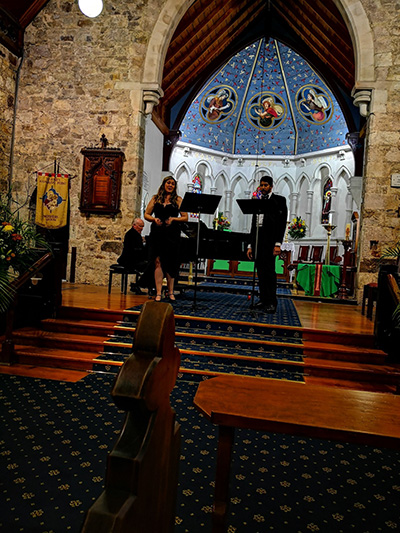
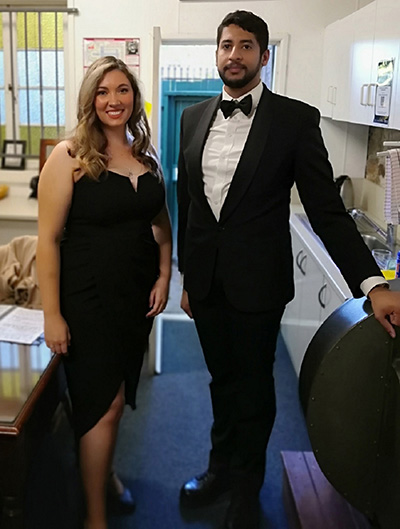
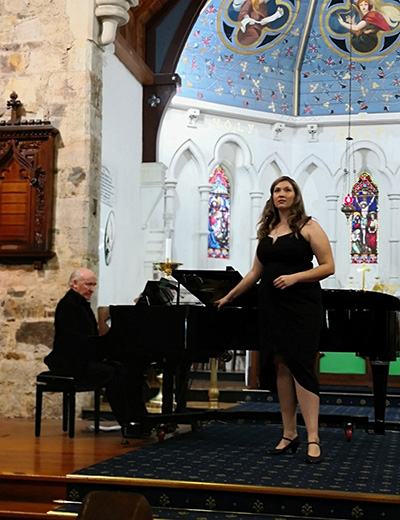
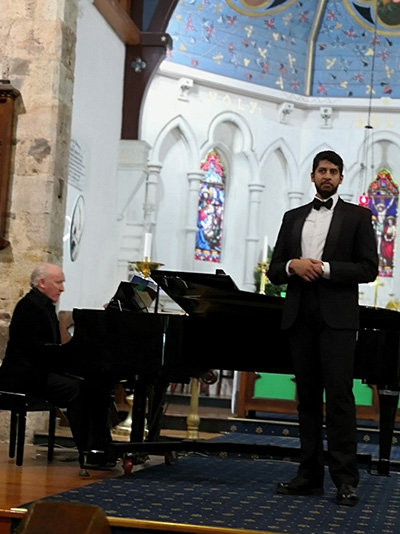
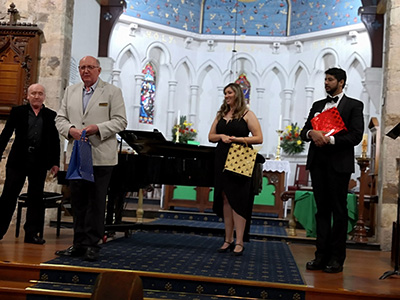
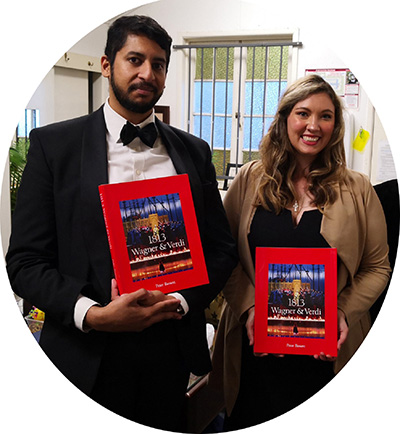
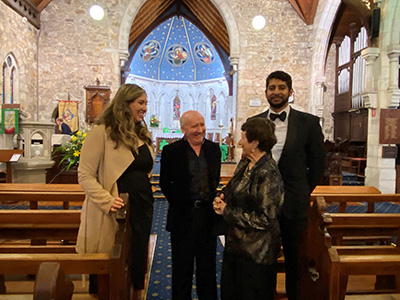
The Society and friends were treated to an excellent recital on Saturday afternoon, 25 June, by two highly promising young singers: soprano Christie Eckersley and bass Vikram Goonawardena, most ably supported by John Woods on piano. Both singers are recipients of the Wagner Society’s encouragement award in recent years, but it was a particular pleasure to hear them share a programme which included duets in addition to some demanding solo numbers. Both have strong vibrant voices that carried effortlessly in the beautiful acoustic space of St Mary’s. Our thanks go to Secretary Rosemary Cater-Smith and her working group for coordinating the event, and to Associate Professor Margaret Schindler from Queensland Conservatorium for assisting and guiding the young singers with professional advice, and Dr Phillip Gearing at St Mary’s.
The programme was well conceived with three Wagner extracts in the middle: Der Engel from Wesendonck Lieder together with two excerpts from The Flying Dutchman. These were preceded by extracts from Weber, Mozart and Beethoven that clearly presaged Wagner’s style of Romantic opera. Then, after an interval, came two beautiful excerpts from subsequent German operas (by Korngold and Strauss). The recital opened with three divine Schubert Lieder and closed with not only some Puccini and Verdi, but with a famous Gershwin duet. So, a wonderfully rich and generous selection of glorious music was shared to the obvious delight of the audience.
The young artists introduced each number throughout the programme, communicating their personalities and winning over the audience from the start. I understand that Christie was leaving the following day to participate in a programme at the Deutsche Oper Berlin, and there’s no doubt the quality of Vikram’s voice will soon be noticed by opera companies here and abroad. We all look forward to seeing how their careers develop over the coming years.Observations by Stephen Emmerson
Photography by Colin Mackerras and Cathie Duffy
RICHARD STRAUSS, A WAGNERIAN COMPOSER, BY PROFESSOR COLIN MACKERRAS. A CELEBRATION OF RICHARD WAGNER’S BIRTHDAY Saturday 21 May 2022
Professor Colin Mackerras presented a wonderful and vibrant discussion to members and guests on the life and music of the composer Richard Strauss (born 1864 – died 1949) and the influence of Richard Wagner’s music on that composer.
The tradition of great German opera was carried on by Strauss. He worshipped Wagner’s music and was highly influenced by Wagner’s orchestration and musical texture. Strauss attended the premiere of Parsifal in 1882, in which his father, Franz Strauss, was principal horn-player. He met Richard Wagner and was mentored by the conductor Hans von Bülow. Strauss also conducted Wagner’s operas at Bayreuth and at other leading German opera houses. Yet, the content of Strauss’s operas differ from Wagner’s – with Strauss, the story is not German myth and there is less tragedy.
Strauss’s cooperation with the Austrian playwright Hugo von Hofmannsthal is among the most famous of all composer-librettist duos in musical history. Hofmannsthal was librettist for:
Elektra (1909)
Der Rosenkavalier (1911)
Ariadne auf Naxos (1912, rev. 1916)
Die Frau ohne Schatten (1919)
Die ägyptische Helena (1928)
Arabella (1933)
Strauss’s marriage to the soprano Pauline de Ahna (1894) profoundly influenced his music. The marriage was very turbulent but basically happy – Pauline had a stormy temper, was outspoken and eccentric. Her singing career was closely tied to her husband’s career as a conductor and composer. She sang leading roles at opera houses where Richard was principal conductor. Strauss described his wife as “very complex, very feminine, a little perverse, a little coquettish, never herself, at every minute different from how she had been a moment before”. However, she was a great source of inspiration to her husband, and Strauss credited his wife’s voice as a muse for the roles of Salome and the Countess Madeleine in Capriccio.
Strauss loved the soprano voice, and it dominates his operas – largely due to Pauline’s influence. In virtually all his operas it is the principal woman who dominates.
Colin discussed the change in style of Strauss’s operas from the shocking, deviant themes of Salome and Elektra; where there is much dissonance, revenge themes and soprano “screaming”; changing to lush harmonies in the orchestration and lyrical female voice of, for example, Der Rosenkavalier up to the Four Last Songs. Hofmannsthal was pivotal in this development of Strauss’s compositions. Hofmannsthal is quoted as saying: “I want to create Joy”. And the subsequent operas are not tragic, with deaths of principal characters, but social dramas, domestic and intimate.
Colin illustrated his talk with excerpts of recordings of several of Strauss’s compositions. It was a very instructive and enjoyable discussion.
After the presentation, members celebrated Richard Wagner’s birthday with Framboise cake and Prosecco!
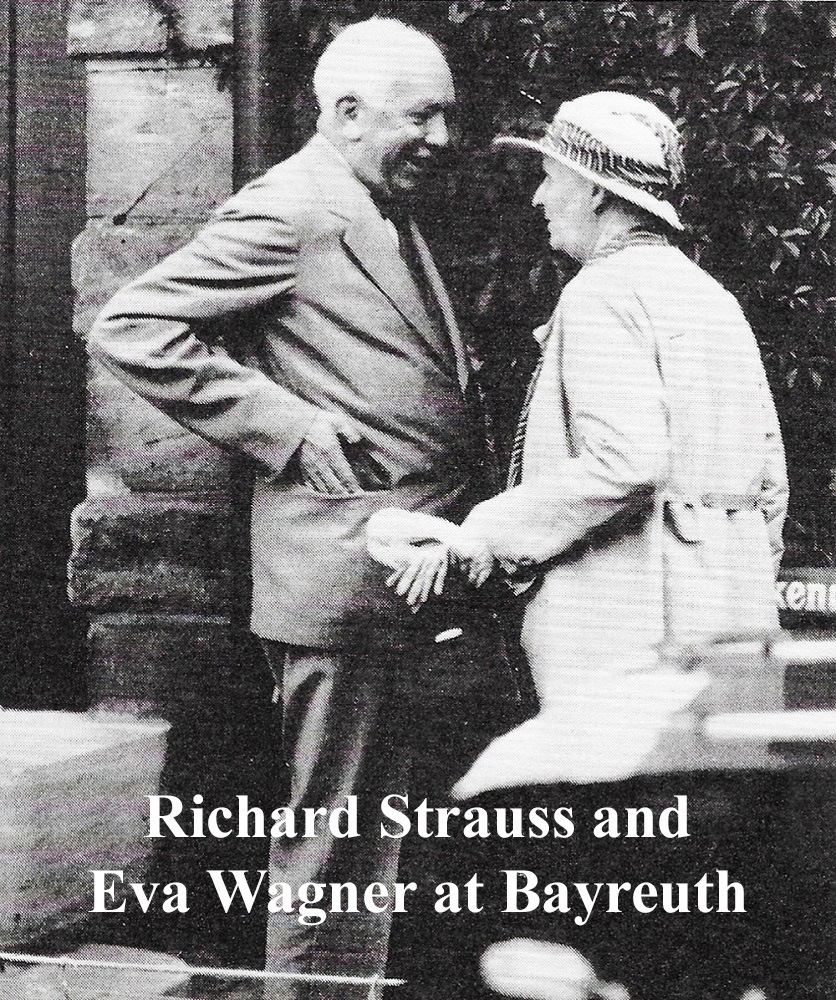
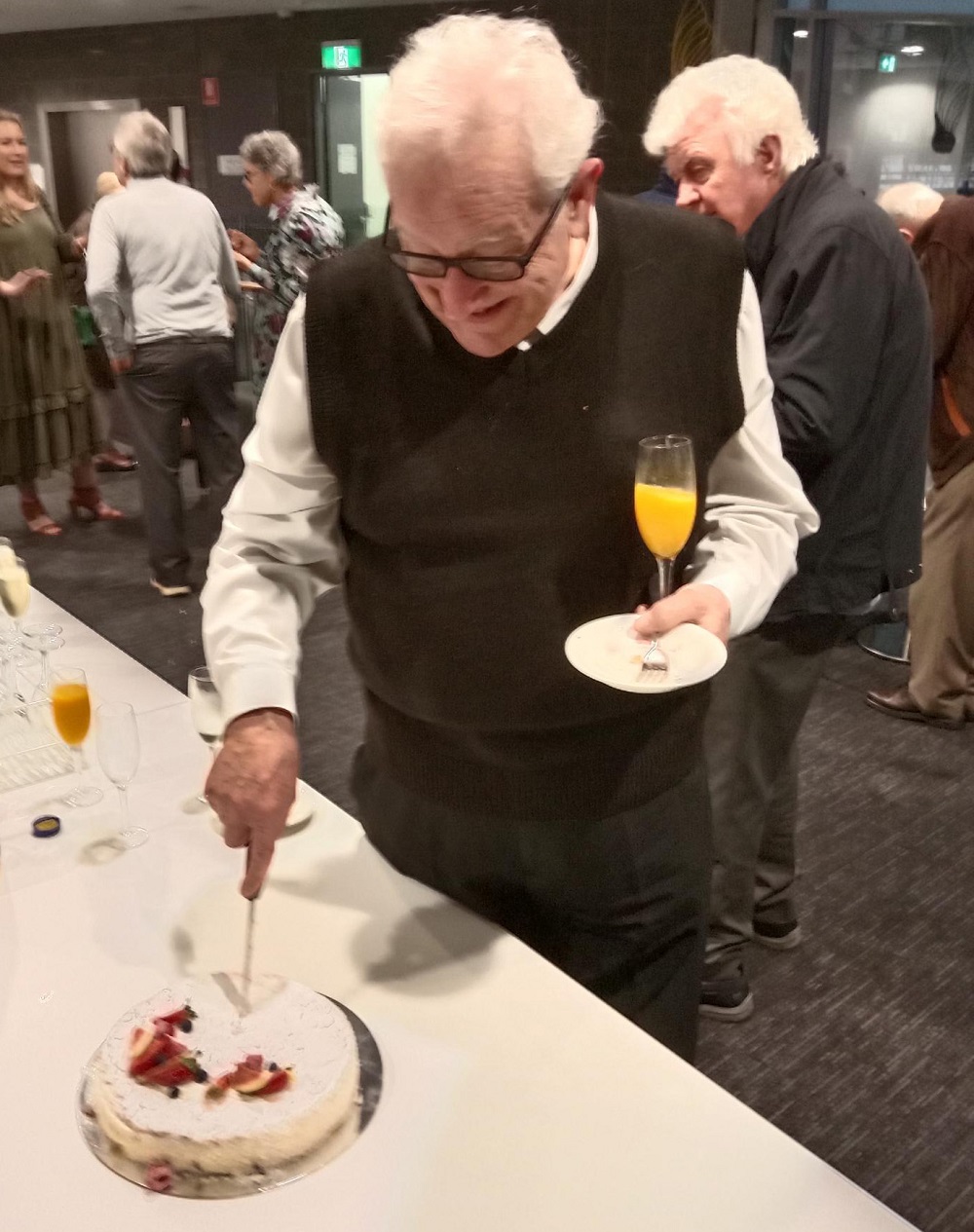
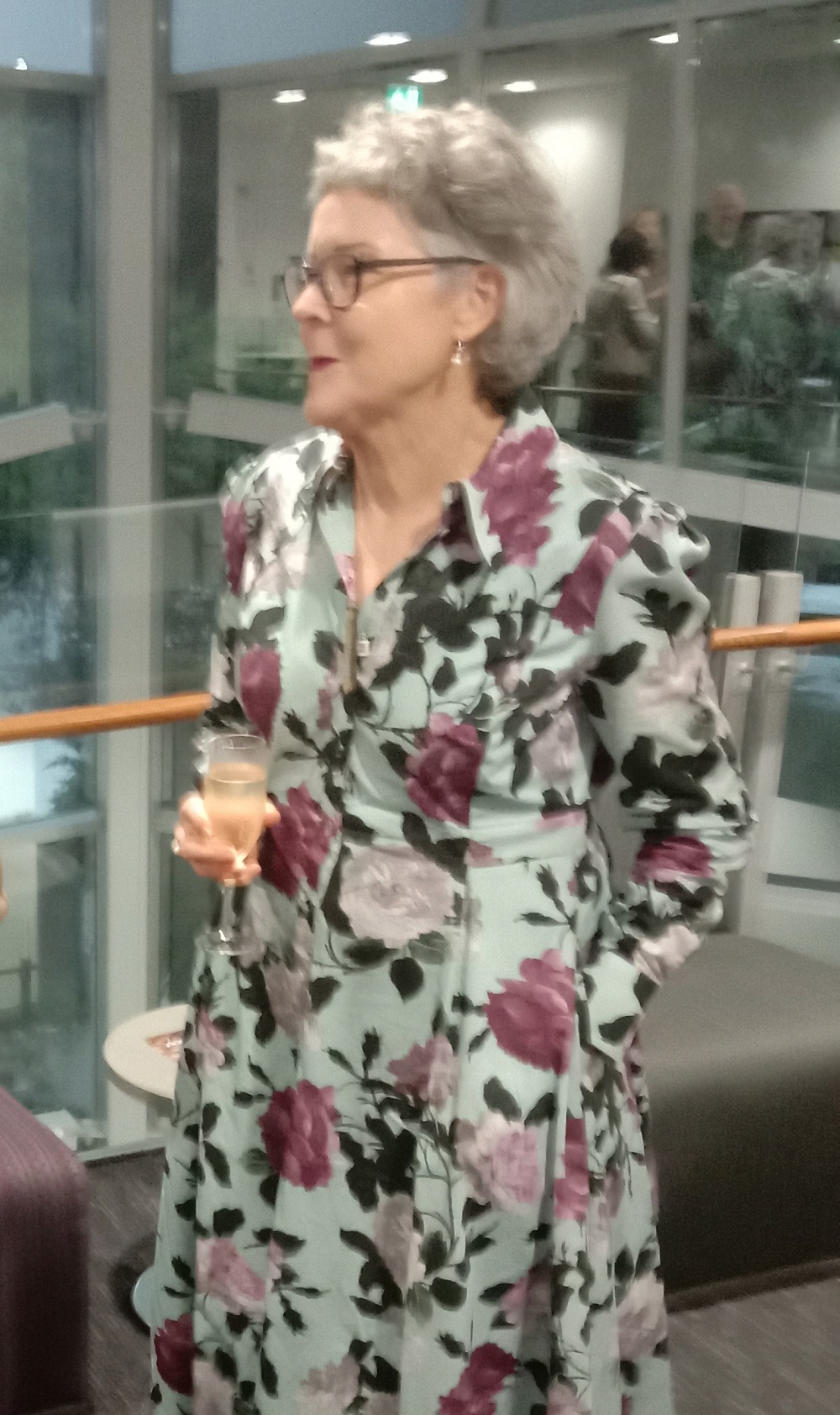
Observations by Paul Caesar
Meeting photography by Peter Bassett
WINIFRED WAGNER AND HER EXTENDED REIGN/INFLUENCE OVER BAYREUTH. BY PROFESSOR STEPHEN EMMERSON Saturday 19 March 2022
It was a fascinating lecture that Stephen Emmerson presented to members. What a life Winifred Wagner lived – the kind that is found in gothic novels. To summarise: An ill nine-year-old English orphan, Winifred Marjorie Williams, was sent to Berlin in 1907 to stay with two distant, elderly relatives (Karl Klindworth and his wife Henrietta), friends of the Wagner family. At age eighteen, Winifred married Richard Wagner’s only son, Siegfried, he was aged 45 years and was homosexual, but was expected to produce heirs to continue the Master’s dynasty. Four children were born in quick succession. After the death of Siegfried Wagner in 1930, Winifred Wagner took over managing the Bayreuth Festival, running it until the end of World War II.
Her life became more fascinating and controversial in 1923 when Winifred met Adolf Hitler, who greatly admired Richard Wagner’s music. She developed a close friendship with Hitler and supported the Nazi regime. Haus Wahnfried, the Wagner home in Bayreuth, became a favourite retreat of Hitler’s and he gave the festival significant government assistance. Winifred encouraged Hitler’s affection towards her four children.
Winifred was a capable manager of the Bayreuth Festival. She refreshed and modernized the productions there, employed conductors Wilhelm Furtwängler and Arturo Toscanini and the leading stage director Heinz Tietjen.
Winifred Wagner believed profoundly in the cult of German ethno-nationalism and was supportive of Hitler and the Nazi party’s propaganda regime. After the war, a denazification court banned her from the Bayreuth Festival, the management of which was passed to her sons Wieland and Wolfgang. Winifred Wagner died on 5 March 1980 at the age of 82 and was interred at Bayreuth.
Stephen Emmerson illustrated his discussion with excerpts from Hans-Jürgen Syberberg’s film production “Winifred Wagner and the History of Haus Wahnfried, 1914–1975”. These video clips revealed Winifred as quite delusional in her attitude towards her husband’s encounters, but particularly, in her friendship and belief in Hitler. Some of the video may be viewed online<https://youtu.be/-MmBlDG62z4>.
As a member commented in the discussion following Stephen’s presentation: “In her extraordinary life she may have started her maturity as a Norn but ended it as a Valkyrie”.
Thank you, Stephen for such an interesting and reflective discussion.
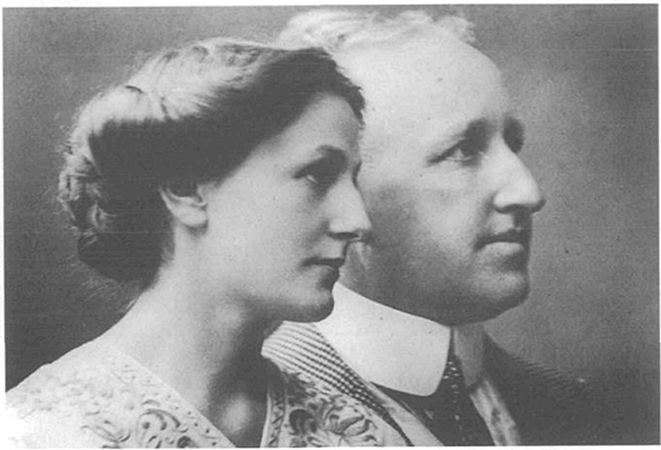
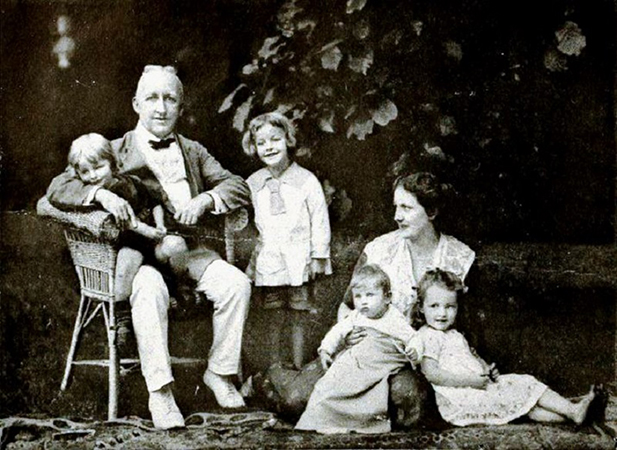
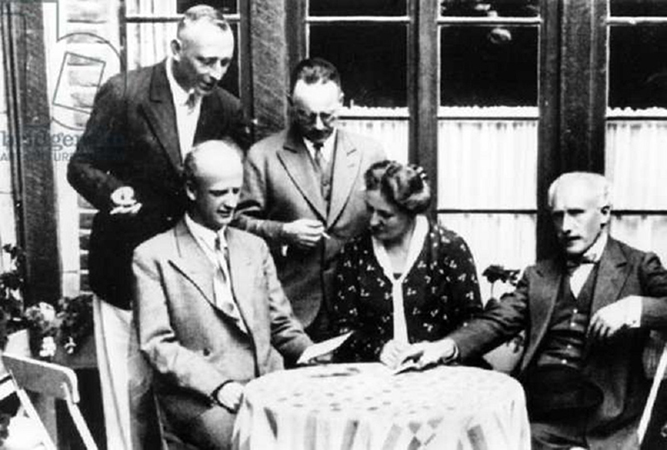
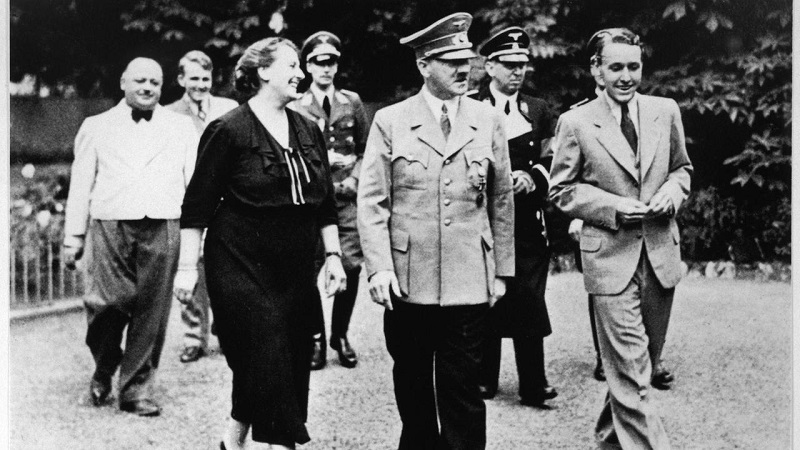
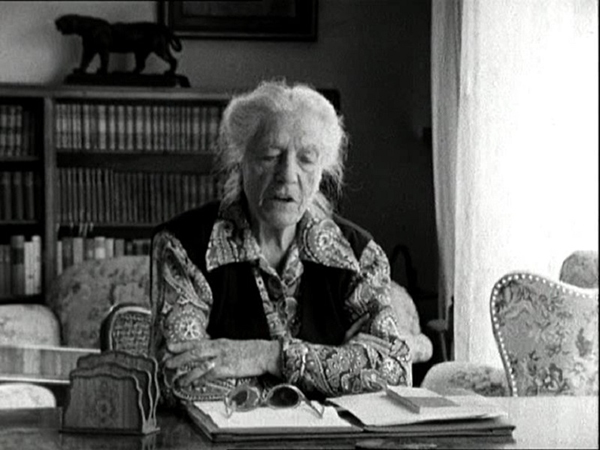
Observations by Paul Caesar
Meeting photography by Colin Mackerras
NOTE: For an Australian connection with Bayreuth of Winifred Wagner’s day, see the essay on this site: The First Australian to sing at the Bayreuth Festival, the story of Norma Gadsden, who sang at Bayreuth in 1937.
“HURRY AWAY THEN, TOWARDS THE EAST” (BRÜNNHILDE’S WORDS TO SIEGLINDE IN ACT III OF DIE WALKÜRE). BY PETER BASSETT Saturday 19 February 2022
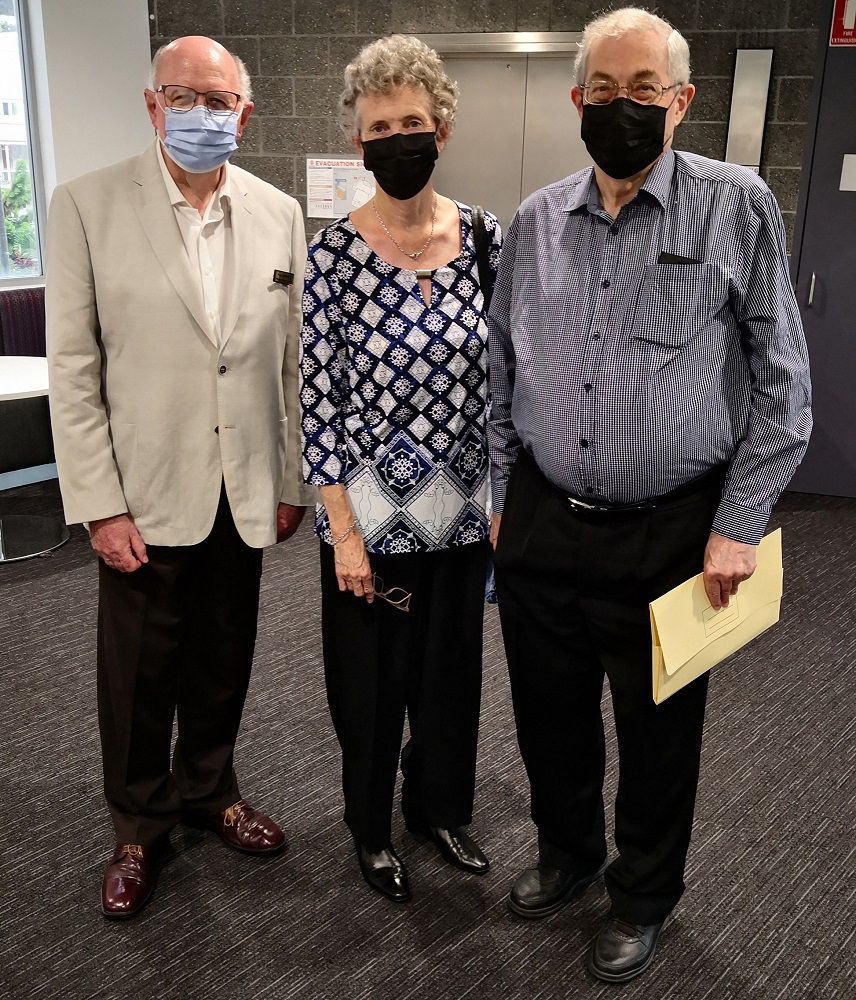
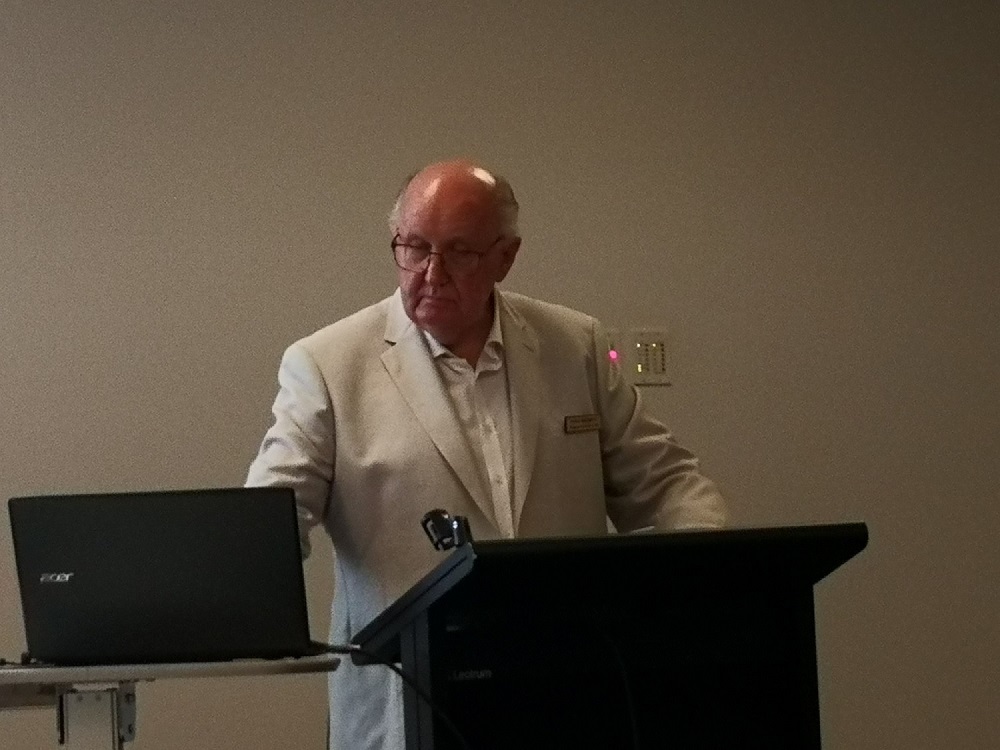
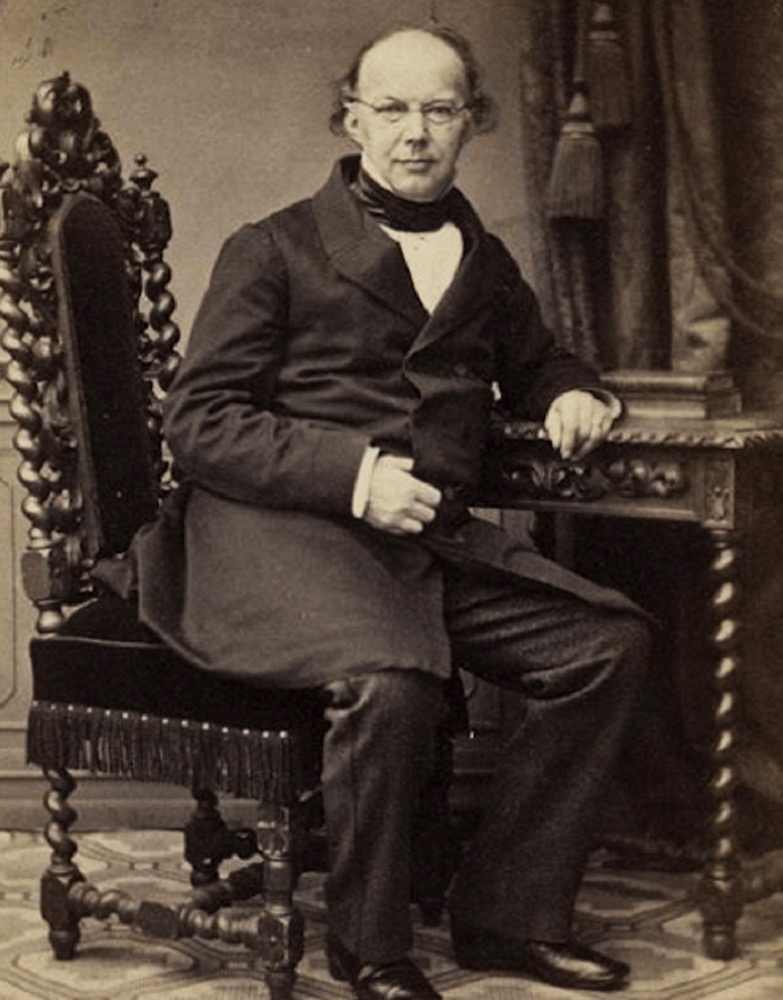
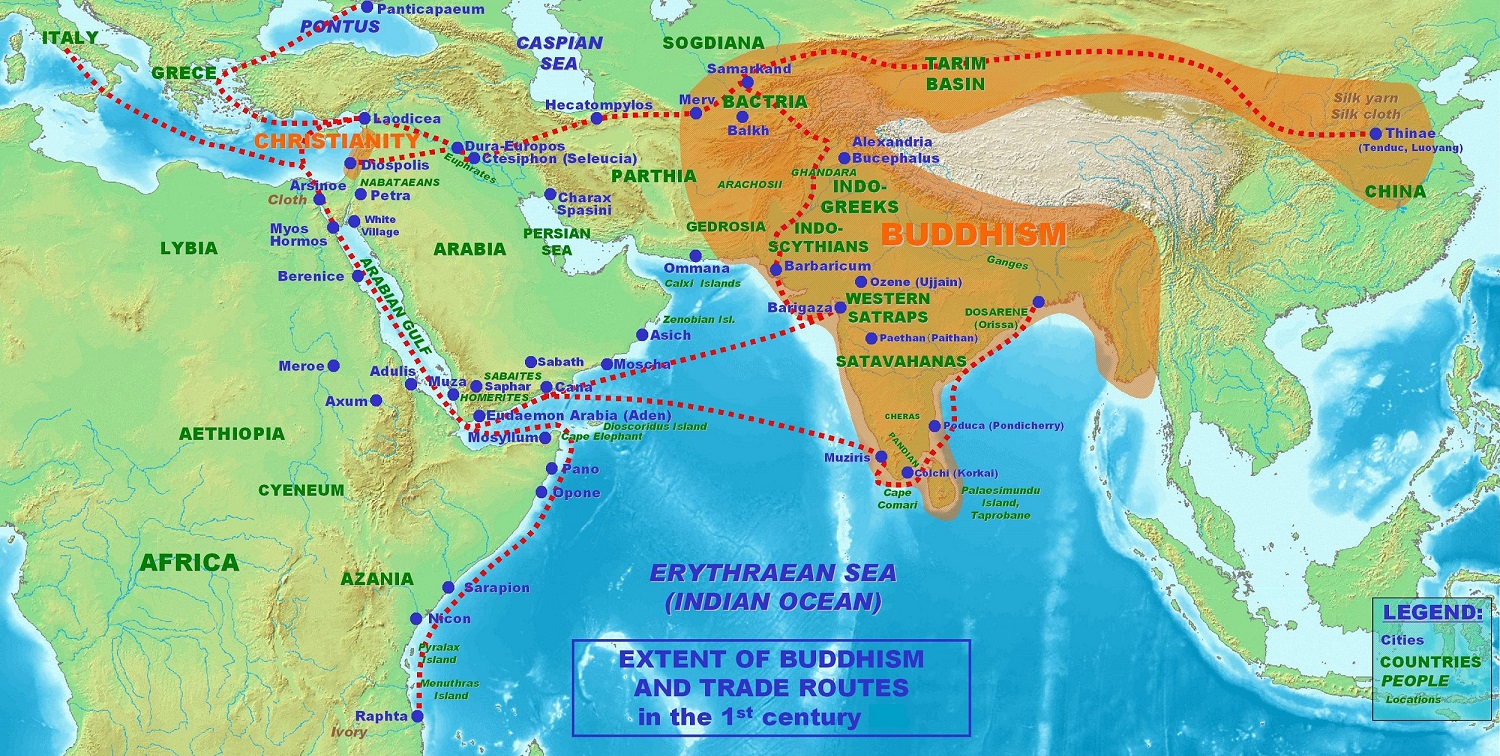
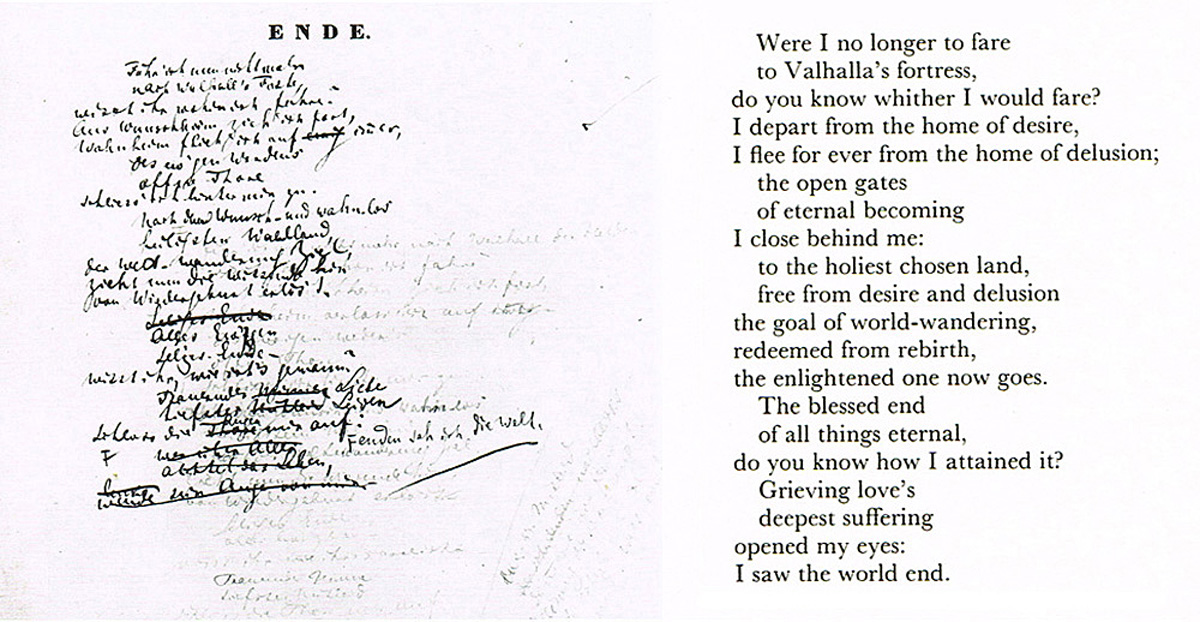
Our first meeting for 2022 was very well attended with over thirty members and guests present and with all COVIDSafe protocols adhered to.
President Peter Bassett’s discussion on the influences of Eastern cultures and philosophies on Richard Wagner gave members wonderful new insights into his music dramas.
From an early age, Richard Wagner was familiar with Chinese artistry, Persian stories and poetry and Indian ideas and philosophies. Wagner gained his fascination of the theatre and things oriental from his stepfather Ludwig Geyer, a German actor, playwright and painter whose theatrical troupe performed at Schloss Pillnitz, the summer residence on the Elbe of the Electors and Kings of Saxony. Another influence on him came from his brother-in-law Hermann Brockhaus, a scholar of Eastern languages and ideas. The Brockhaus family firm was the publisher of Schopenhauer’s philosophical masterpiece The World as Will and Representation, a work destined to make a profound impression on the composer.
Interestingly, after the failure of the 1848-49 Dresden Revolution, Wagner thought of moving to the Orient, although nothing came of this, as the growing need for income and patronage was more achievable in Switzerland.
Schopenhauer’s philosophy had much in common with key doctrines of Hinduism and Buddhism. Peter pointed out the interesting parallel here in the relationship between Wagner’s ideas and Schopenhauer’s writings. The impact of those writings on the composer sprang less from a source of ideas than from the fact that they seemed to confirm and clarify notions that were already apparent to him. In the writings of Schopenhauer, Wagner found a coherent explanation of his treatment of Wotan. His intention had been to show nothing less than the breaking of the god’s proud spirit by, what Schopenhauer would call, the annihilation of the will – the negation of compulsive striving and yearning that leads inevitably to disappointment and pain. The Buddha would have called it the renunciation of craving and desire which lies at the root of suffering.
Wagner had a serious interest in the two great religions of India. In his essays he cited contemporary research suggesting that Buddhist ideas had flowed westward after the spread of Alexander’s empire in the Indus in 327 BC and had influenced Christian doctrine (a view shared by Schopenhauer). This notion shaped Parsifal which, despite its overtly Christian setting, is replete with Buddhist imagery. Tristan und Isolde contains echoes of the Hindu Upanishads.
There was significant Buddhist influence on the Ring in the final scene of Götterdämmerung when Brünnhilde, made wise through suffering and her love of Siegfried, refers to herself as the “enlightened one”. She is enlightened not through ‘passionate’ love so much as ‘compassionate’ love that becomes Brünnhilde’s prime catalyst for change. The Buddha had taught that desire was at the root of the fires of greed, hatred and delusion. Victory over these sufferings could only be won by their ‘blowing out’ – entering Nirvana.
Thank you, Peter for enlightening members and taking us on our journey “towards the east”.
Observations by Paul Caesar
Meeting photography by Colin Mackerras
CHRISTMAS LUNCH
Saturday 11 December 2021
Members gathered on Saturday 11 December to enjoy our Christmas Lunch at Deery’s Restaurant at the Story Bridge Hotel at Kangaroo Point. Thank you Rosemary for organising a lovely occasion! The following photos, taken by Carol Bassett and Colin Mackerras, capture the spirit of this happy event. Merry Christmas everyone!
22nd ANNUAL GENERAL MEETING AND SCREENING OF ACT II OF GÖTTERDÄMMERUNG FROM THE BAYREUTH CENTENARY RING
Saturday 20 November 2021
A very efficient and friendly Annual General Meeting began at 3.00 pm with 33 members present. The President’s and Treasurer’s Reports were received and accepted. Committee Members were elected (see the ‘Home’ page of this website for current Management Committee membership) and thanks and congratulations were given to outgoing and incoming committee members.
Looking at the centenary Ring production some forty years after it was first staged at Bayreuth (1976), it is hard to understand the criticism that it received at that time. A list of criticisms hit the opera review journals – a ‘Marxist Ring’, a ‘mere reworking of George Bernard Shaw’s ideas’, an ‘unknown producer (Patrice Chéreau) who had very little experience with the works of Richard Wagner’, shocking the conservative old guard, eroticism qualifying for an X-rating. The opening night of Götterdämmerung contributed to a pandemonium that twice nearly brought the performance to a halt. When the producers presented themselves on the stage alongside the conductor (Pierre Boulez) they were greeted by a sustained howl of rage.
Our President Peter Bassett screened Act II of the production filmed at the Bayreuth Festspielhaus in 1980. Well, how differently it is viewed now! The ‘Centenary Ring’ is now seen as the fulfilment of Richard Wagner’s dictum that the Ring Cycle should represent a synthesis of the arts. With staging, set design and lighting, costumes, musical interpretation and last, but not least, the exceptional singing and acting of the soloists and choir, a legend was born. Over the time, this production has been celebrated as an event of the century. Its brash modernity established a standard for later productions around the world.
The performers seen in Act II were outstanding;
| Alberich | Hermann Becht |
| Hagen | Fritz Hubner |
| Siegfried | Manfred Jung |
| Gutrune | Jeannine Altmeyer |
| Gunther | Franz Mazura |
| Brunnhilde | Gwyneth Jones |
Thank you, Peter for managing the AGM and screening the great production of Act II Götterdämmerung.
Observations by Paul Caesar. Meeting photos by Peter Jansen.
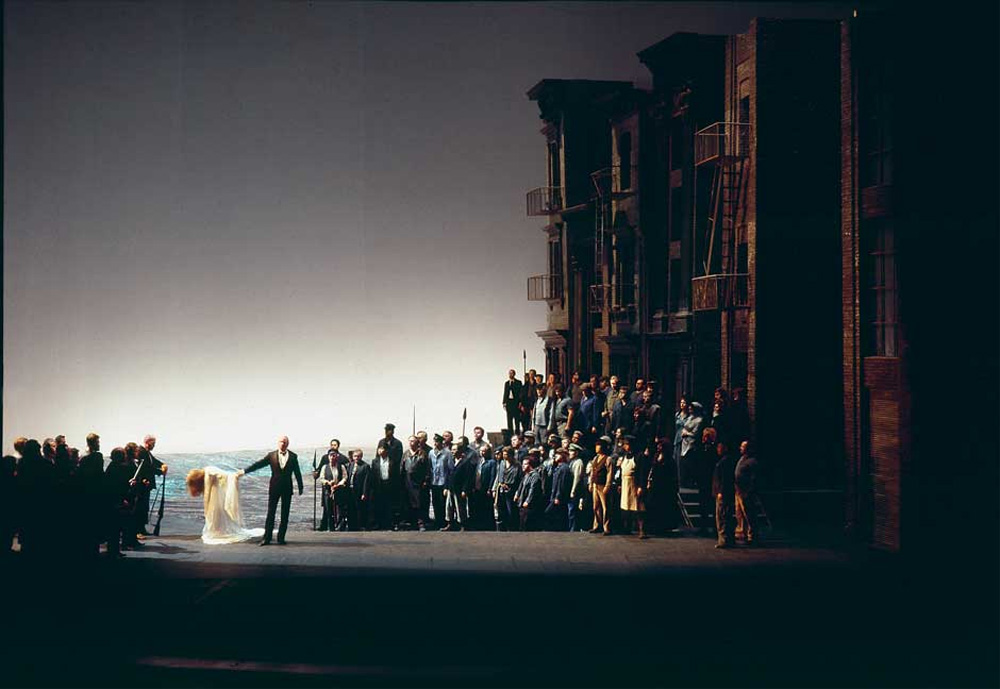
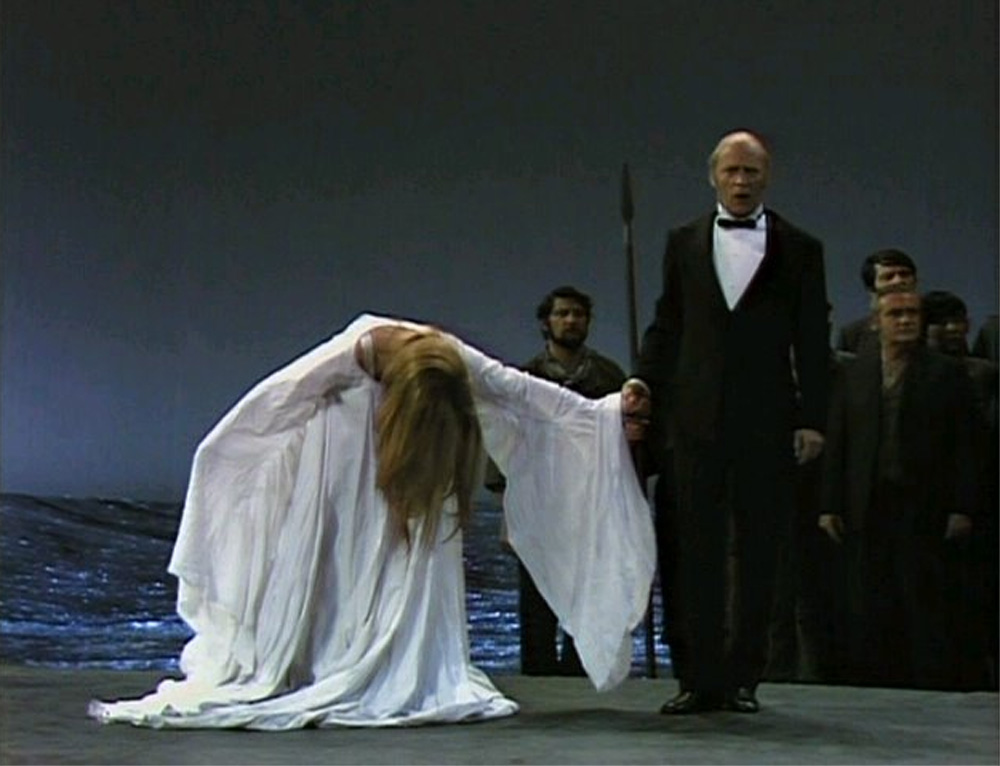
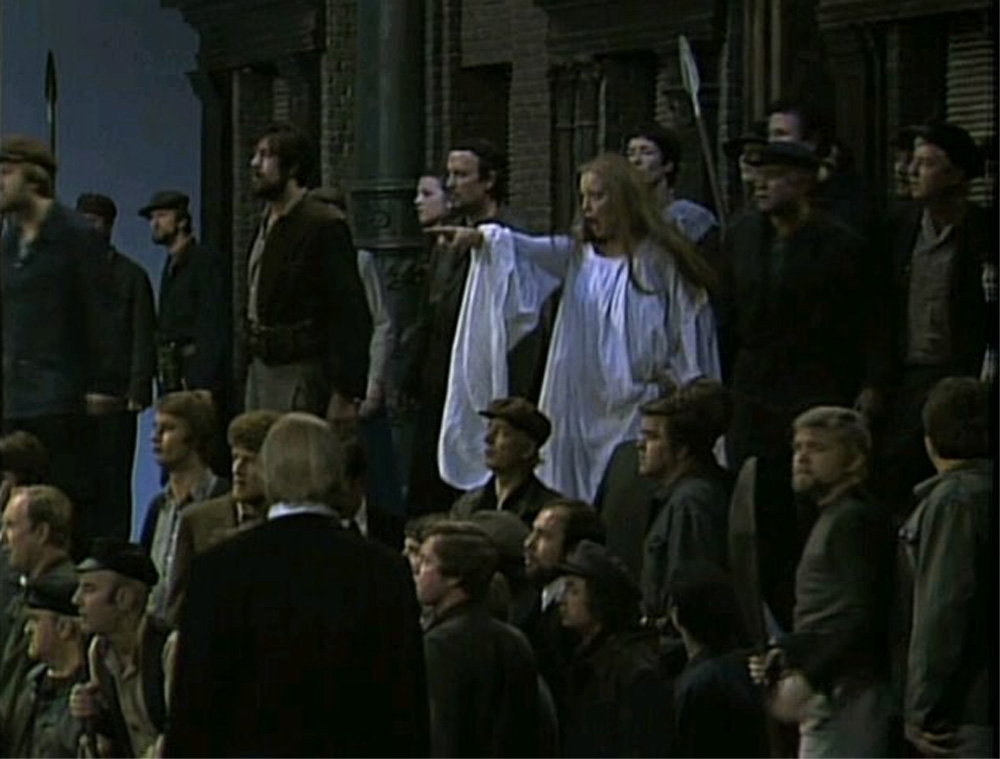
HIGHLIGHTS FROM THE VALENCIA RING
Saturday 18 September 2021
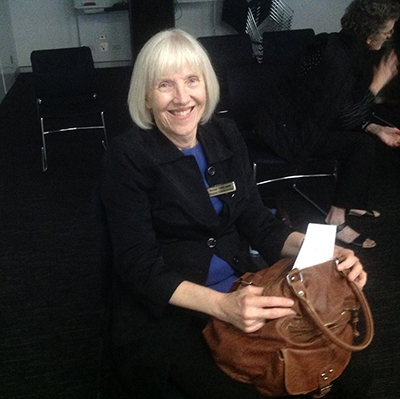
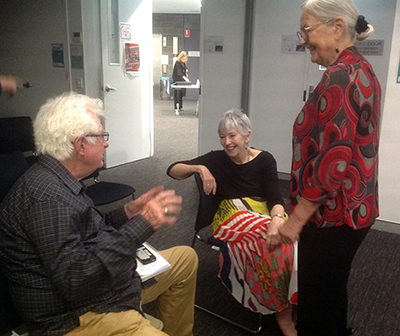
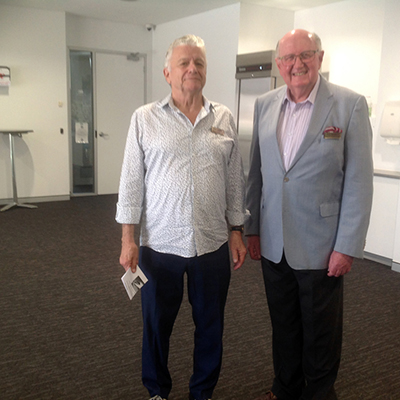
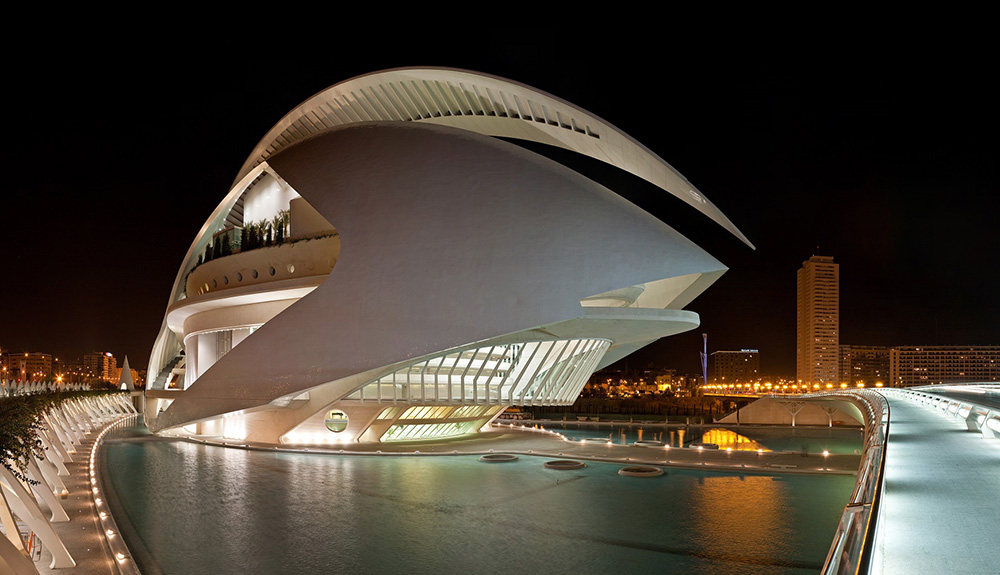
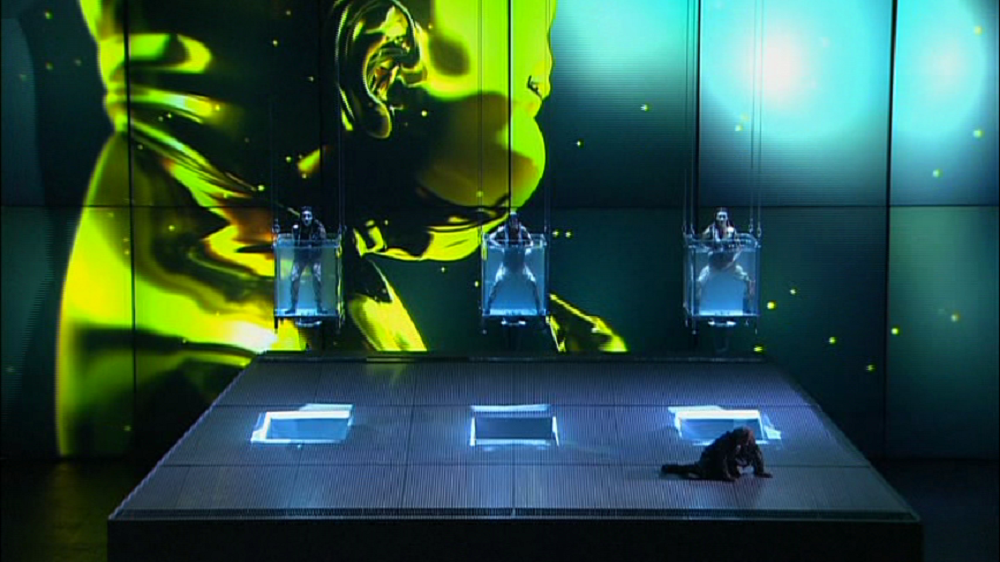
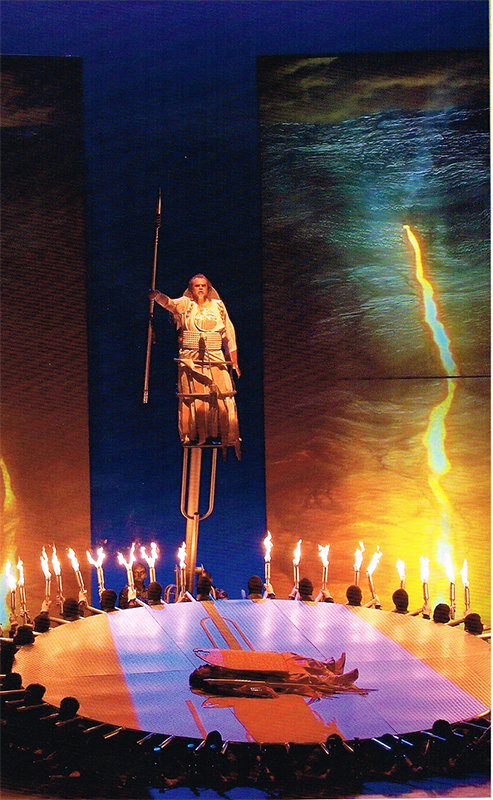
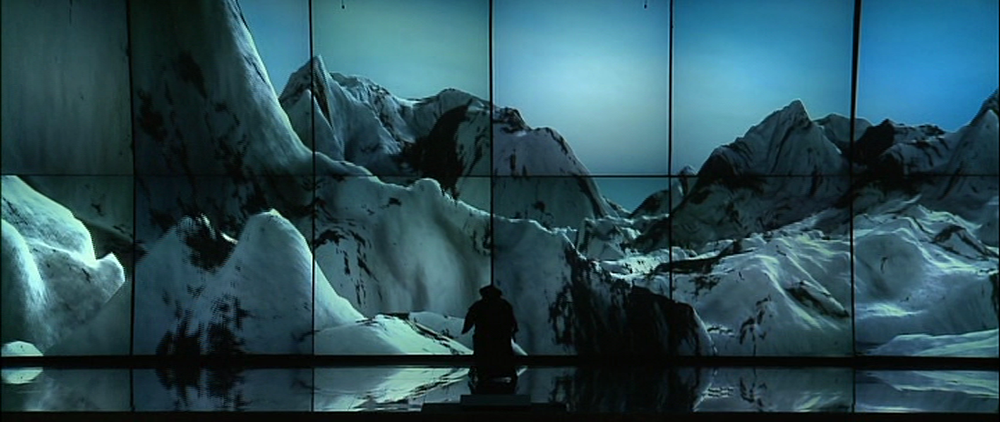
Our President Peter Bassett introduced highlights of the Ring from a 2007-2009 production at the architecturally spectacular modern opera house in Valencia – Palau de les Arts Reina Sofía. ‘Thank you’ to Stephen Emmerson for sharing his DVD ‘Wagner, Der Ring des Nibelungen, Highlights’, released by Unitel Classica/ Palau de les Arts Reina Sofía in 2010.
As a background to the staging of this extraordinary production, something should be said about its origins. It was at the suggestion of Zubin Mehta (conductor of this production) that the Catalan theatre company La Fura dels Baus undertook the staging with their stage director Carlus Padrissa. La Fura was originally a troupe of strolling players in Catalonia. By the late 20th century, they had morphed into producing gargantuan spectaculars that marry the showmanship of Cirque du Soleil and Industrial Light and Magic shows. Their fame includes the opening ceremonies of the Barcelona Olympics in 1992 and grand productions at various European arts festivals.
The cast assembled was marvellous:
Wota – Juha Uusitalo
Loge – John Daszak
Alberich-Franz-Josef Kapellmann
Mime – Gerhard Siegel
Fasolt/Hunding/Hagen – Matti Salminen
Fafner – Stephen Milling
Fricka – Anna Larsson
Erda – Christa Mayer/Catherine Wyn-Rogers
Brunnhilde – Jennifer Wilson
Siegmund – Peter Seiffert
Sieglinde – Petra Maria Schnitzer
Siegfried – Lance Ryan
Gutrune – Elisabete Matos
Gunther – Ralf Lukas
La Fura told the story of the Ring in a straightforward manner, using imagery for a 21st century audience familiar with the visual language of the Star Wars and Harry Potter films. Their use of 3D computer animation was at the vanguard of an emerging trend in opera production. Such technology was taken up in the San Francisco Ring (2011) and will be a feature of the Brisbane Ring production. The German opera magazine Opernwelt thought that with the use of video on multiple projection surfaces, “The visual codes of the digital era become elemental and dazzlingly employed means of narration.” However, such production approaches can prove controversial with both purists and those attached to complex intellectual production concepts.
Looking at the highlights, one could see why this was a polarizing production. Matthew Gurewitsch in Opera News 2010 wrote: “Depending on one’s point of view, the Valencia Ring soars on the wings or staggers under the weight of its cosmic ambitions”. He continued: “Video feeds on giant monitors transport us from a God’s-eye view of the universe into the bloodstream and even the genome. A similar vision takes shape in three dimensions at the end of Das Rheingold, when flesh-and-blood gymnasts on wires assemble into an airborne column that may symbolize the Rainbow Bridge, Valhalla, some abstraction in the mind of the demiurge, or all of the above. Projections of flowing water, roaring flames, ecological disasters, golden star-children in zero gravity, razor-sharp mountain ranges, slow-motion comet showers and much, much more add up to a veritable symphony in pictures. … What takes place before the moving tapestries is often strange in the extreme. The three Rhinemaidens, each confined to an aquarium of her own, give birth effortlessly to a breed of gilt babies in glass bubbles. Cocooned in their costumes like astronauts in their space pods, Wotan and Fricka zoom around the stage and up and down on cherry-pickers powered by stagehands in camouflage, while Freia perambulates on her own two feet, perpetually caressing a giant apple. The Nibelung horde consists of slithering gymnasts in vaguely golden body suits. Hunding’s dwelling is littered with bones arranged in a circle. The Valkyries wear blinkers, like horses, along with the hoods of cloistered nuns. Mime’s cave is a eugenics lab, where golden extras pass by, hung up like carcasses at a slaughterhouse. … Whatever one’s complaints – and the restricted range of motion for the divinities stuck on their cherry-pickers would be a big one – Das Rheingold and Die Walküre certainly hold a viewer’s interest.”
The Gramophone review had this to say about the production: “The production as a whole is an uneasy combination of quasi-high-tech effects and a largely bare stage with projection: these soon become distracting through being overly repetitive.”
Summing up the comments from members who watched the highlights, the video projections maybe draw too much attention to themselves at the expense of the emotion of the music. There was too much video and gymnastic distraction that overrides the performances of the singers.
The wildly different concepts and interpretations in Ring productions is a testament to the complexity of the music-drama that Richard Wagner gave to us.
Members were certainly able to enjoy a visionary and impressive production.
Observations by Paul Caesar
Meeting photography by Bette Jansen
PARSIFAL: STRUCTURE AND MEANING IN THE GOOD FRIDAY MUSIC. BY DR MICHAEL O’LOGHLIN
Saturday 21 August 2021
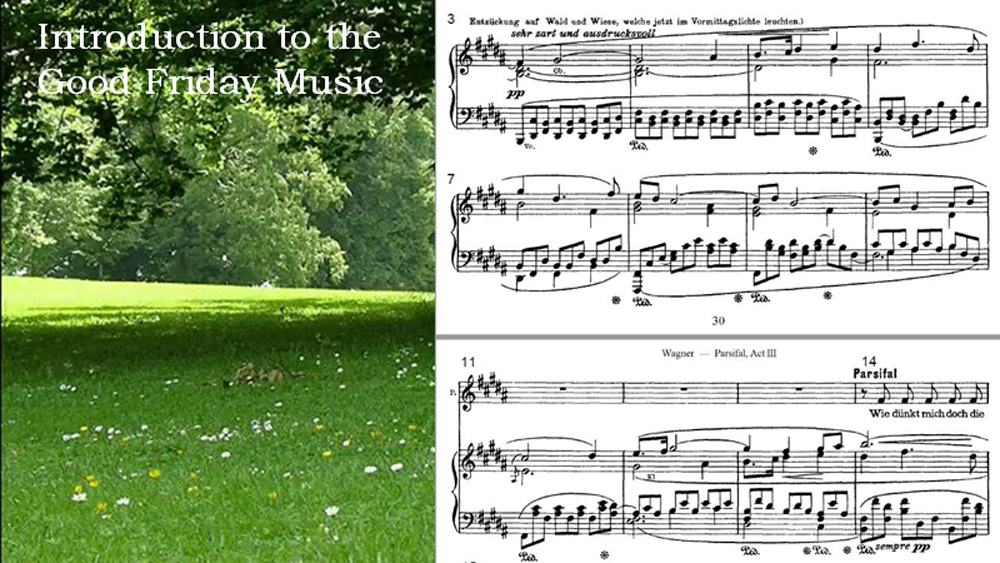
The Queensland Wagner Society continues to meet each month at the Queensland Multicultural Centre, as we have, without interruption, since July 2020. However, masks were the order of the day when Dr Michael O’Loghlin addressed us on Parsifal: Structure and Meaning in the Good Friday Music. When introducing Michael, our President Peter Bassett recalled attending a beautiful concert performance of this work in Brisbane on 27 May 1995 during the Biennial International Music Festival. A check of the printed program confirmed that Michael O’Loghlin had been performing in the double-bass section of the Queensland Symphony Orchestra on that occasion.
Michael referred to the significant overall theme of Parsifal: the human journey from naivety to wisdom. For Parsifal this journey is not an easy one, nor is there any straight path to enlightenment – durch Mitleid wissend – ‘enlightened through compassion’. The innocent fool (Parsifal) is made wise by his willingness to share the sufferings of others, and, in the process, he brings a new type of order to the community of the Grail. Parsifal becomes aware of this upon the baptism and redemption of Kundry, and then follows the Good Friday music. Dr O’Loghlin also discussed in detail the musical keys and orchestral highlights that Wagner used to express this journey. Parsifal is a sublime artwork, radiant in its apparent simplicity.
The Good Friday music occurs in Act III. Parsifal has been anointed Grail King by Gurnemanz, and then he performs his first duty and baptizes Kundry. He gazes in gentle rapture on the wood and meadow, glowing in the morning light, and he remarks how beautiful it is. Gurnemanz explains that “This is the magic of Good Friday, my Lord”, and so the Good Friday music begins. The section opens with Parsifal’s own leitmotif, a fanfare, and the musical phrase that is most widely associated with the drama is heard – the ‘Dresden Amen’. The principal Good Friday theme is entrusted to the oboe, which sings it forth with a combination of calmness and expressiveness. The overarching sensation in the passage is transcendent love. This section lasts around 14 minutes.
With the vocal lines stripped away, this music is often played as a stand alone orchestral piece. The ‘Dresden Amen’ was originally composed by Johann Gottlieb Naumann (1741-1801) for use at the Kreuzkirche in Dresden. Its harmonic progression and its melodic line, rising stepwise, serves as the unifying force of this section.
Members and guests were delighted to have Michael O’Loghlin with us on this occasion, and to benefit from his scholarship and from his experience of performing this sublime music.
A personal recollection by Paul Caesar. The first fully staged production of Parsifal in Australia was in September 2001 at the Adelaide Festival Theatre. The conductor was Jeffrey Tate and, in the program notes, he said of the music: “So the magician can conjure both evil and good, aesthetic contradictions that delight and deceive for a few hours, atheist and believer satisfied. But is it so simple? Why am I, the unbeliever, still moved almost to the brink of tears each time Gurnemanz ushers in the great interlude that links forest and temple in an unhurried depiction of time becoming space, the ultimate breaking down of our limited perceptual capacity? Are we not being invited to be seduced by, and therefore to ‘feel’, the very rhythm of our universe, the cycles of birth and rebirth that metaphysics tries to grasp, to ‘feel’ this as only music can make us feel? Perhaps this is the greatest achievement of the conjurer, once we see beyond the all-too-obvious trappings of Christianity and fin-de-siècle naughtiness that so deceived Nietzsche: to have created this powerful aural metaphor for our natural world and its patterns, and to have created the acoustic Zaubergarten (magic garden) to allow its fullest expression. A theatre is not a vaulted chapel, but they can both be arenas of illusion that can lead to greater awareness of fundamental truths, the music sensually resonating in the darkened spaces, and this time no faith to be lost, only experiences to illuminate.”
Observations by Paul Caesar
Meeting photography by Annette Fisher
THE NIBELUNGENLIED. BY GEOFF FISHER
Saturday 17 July 2021
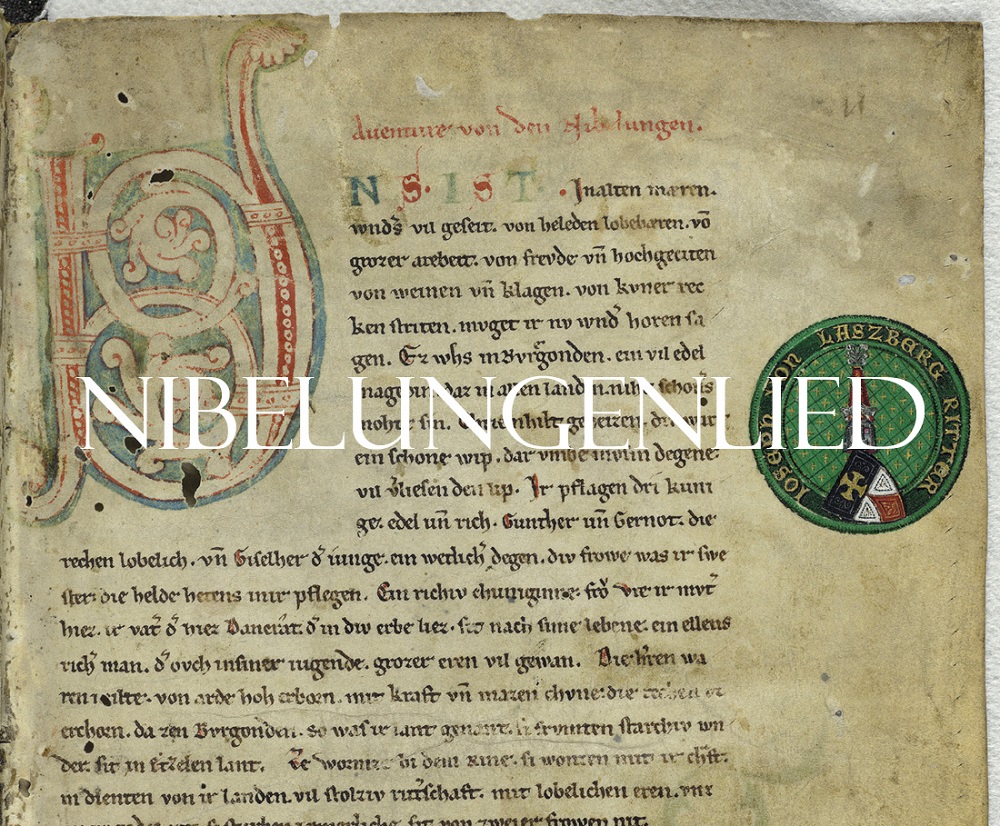
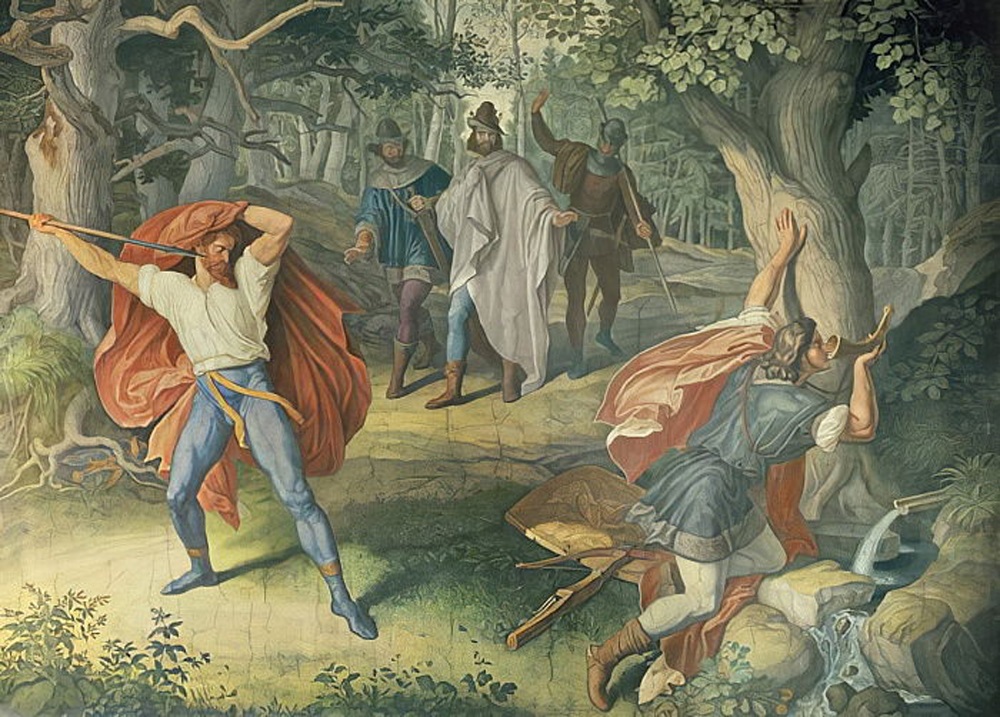
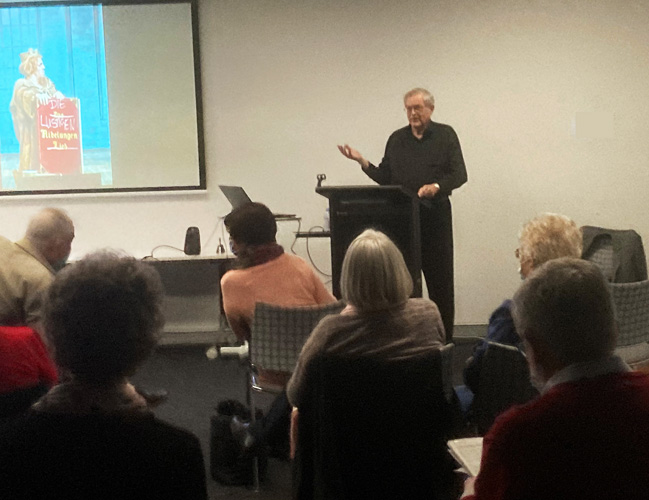

Geoff opened his presentation with a wonderful Nietzsche truism: “Without music, life would be a mistake”.
The Nibelungenlied translates as ‘The Lay (or Song) of the Nibelungs”. It is an epic poem written around 1200 in Middle High German. Its anonymous poet was probably from the region of Passau. It draws on an oral tradition that has some of its origins in historical events of the 5th and 6th centuries. It parallels the Scandinavian Norse sagas.
The poem is divided into two parts. In the first part, Siegfried comes to Worms to acquire the hand of the Burgundian Princess Kriemhild from her brother King Gunther. Gunther agrees to let Siegfried marry Kriemhild if Siegfried helps Gunther win the warrior-queen Brunhild as his wife. Siegfried does this, with some trickery, and marries Kriemhild. However, Brunhild and Kriemhild become rivals, leading eventually to Siegfried’s murder by the Burgundian vassal Hagen, with Gunther’s involvement. In the second part, the widow Kriemhild is married to Etzel (Attila), King of the Huns. She later invites her brother and his court to visit Etzel’s kingdom, intending to kill Hagen. Her bloody revenge results in the deaths of all the Burgundians who came to Etzel’s court, including Gunther and Hagen, as well as the destruction of Etzel’s kingdom and the death of Kriemhild herself.
The poem was forgotten after about 1500 AD but was rediscovered in the mid-18th century. Dubbed the “German Iliad”, the Nibelungenlied began a new life as the German national epic. The poem was appropriated for nationalist purposes and was heavily used in National-Socialist propaganda before and during the Second World War. Its legacy today is most apparent in Richard Wagner’s operatic cycle Der Ring des Nibelungen, which, however, is mostly drawn from Old Norse sources.
The form and style of the poem combines chivalric romance, courtly modes, Christian influence, and oaths taken and never to be dishonoured. The Nibelungenlied is written in four-line stanzas. Although no melody has survived for the text, melodies for similar stanzas in other German heroic poems have, so it is certain that the text was meant to be sung. Geoff showed a beautiful illustration of this with a film excerpt of a young man singing some stanzas and accompanying himself on an ancient harp.
The inter-war period saw the Nibelungenlied enter the world of cinema in Fritz Lang’s two-part film Die Nibelungen (1924/25), which tells the entire story of the poem. Geoff showed illustrations from Fritz Lang’s epic film. Lang was heavily influenced by Richard Wagner’s Ring Cycle, and the film strays from a strict interpretation of the poem. It is a masterpiece of early film-making, using geometrical patterns on the sets and costumes. There is an arresting kabuki-like quality in the actors’ performances, and startling expressionist ideas. The musical score for the film is by Gottfried Huppertz and is strikingly good.
Thank you, Geoff, for introducing Wagner Society members to the world of the Nibelungenlied.
Observations by Paul Caesar
Meeting photography by Hal Davis
WAGNER IN CHINA. BY PROFESSOR COLIN MACKERRAS
Saturday 19 June 2021
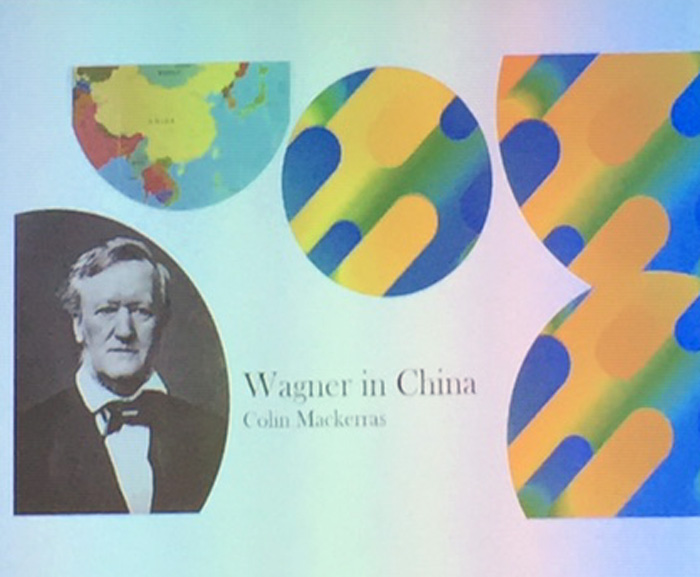
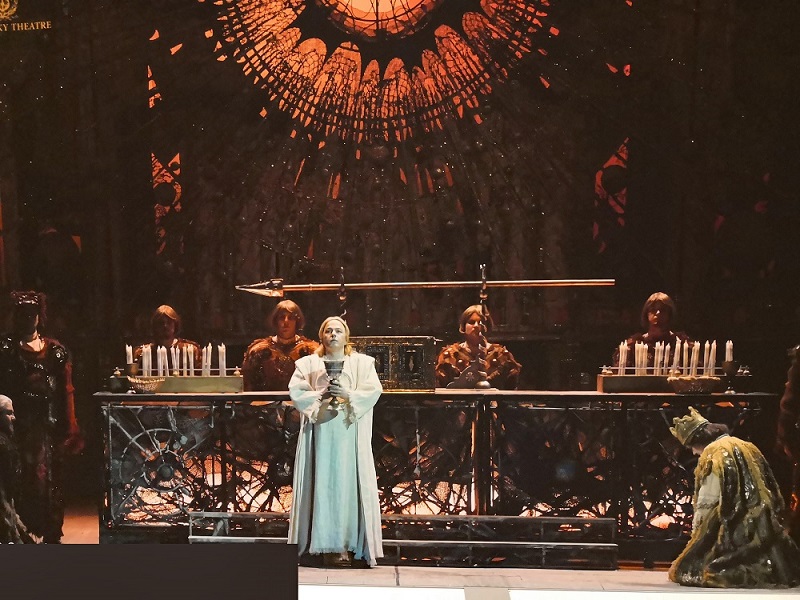
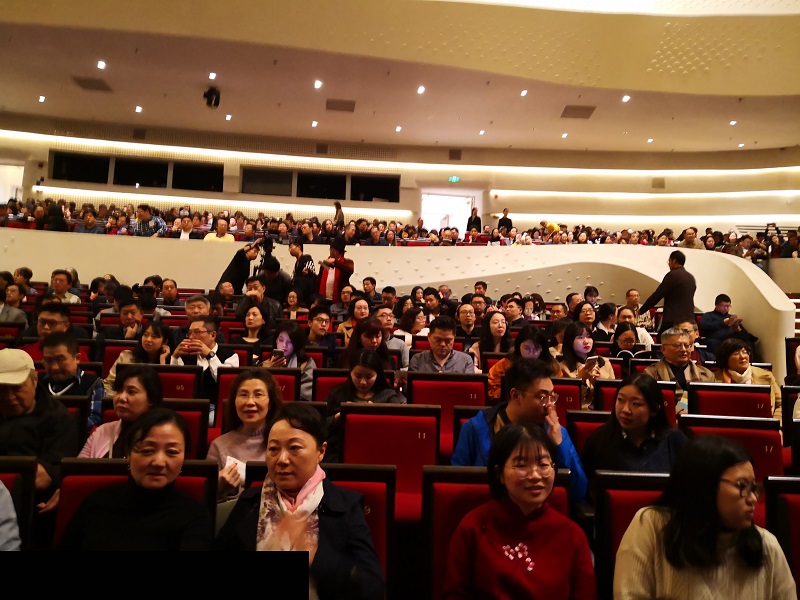
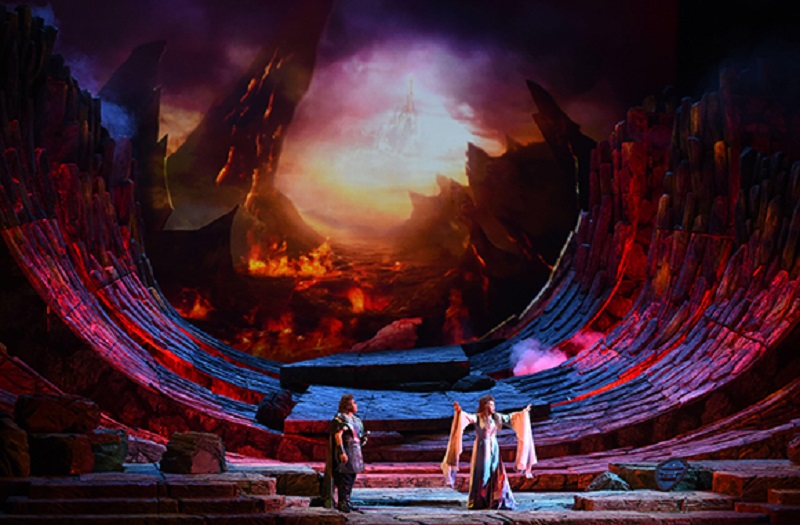
This was a great presentation by Professor Colin Mackerras and, if a single observation could be made, it was that cultural exchanges between countries deliver great benefits to those countries and their peoples. Exposure to other cultures and the histories of their peoples, advances human and political understanding and acceptance of each other.
Generally speaking, Richard Wagner has not been as popular in China as a few other western composers – Mozart and Beethoven in particular. The theatre of music-drama in China has a tradition quite different from the European model – plots are different and the music and musical instruments are different. The Chinese theatrical tradition involves an integration of acting, make-up, dance, costume and gesture. It is musical drama, in some ways not so different from Wagner’s “Gesamtkunstwerk” concept. However, there is no evidence Wagner was influenced by these Chinese traditions.
Wagner had been seen in China as a composer swinging between revolution and republicanism to conservatism and chauvinism of various kinds – an aesthetic not easily accepted politically in China. Wagner was condemned during the Cultural Revolution 1966-1976, but by the late 20th century his works were being taken more seriously. One interpretation of the message of the Ring is that private wealth and power are sources of evil in the world, which is a bit like Marxist doctrine. As China opened itself to Western influences, it was to be expected that attention would be paid to a great composer of the European tradition like Wagner.
The first full performance of a Wagner opera in China was of Der fliegende Holländer in the Shanghai Grand Theatre in 1999. The first Ring production was at the Beijing Poly Theatre in 2005 – a production from the Nuremberg State Theatre. In 2010, during the Shanghai Expo, a full cycle of Wagner’s Ring was performed at the Shanghai Grand Theatre by Cologne Opera.
Shanghai audiences have developed a liking for Wagner. In 2015 a concert performance of the Ring was staged at the Shanghai Symphony Orchestra Concert Hall. This was the production from the Tyrolean Festival at Erl led by Gustav Kuhn. And before this performance at Shanghai, the Tyrolean Festival presented Die Meistersinger von Nürnberg and Tristan und Isolde at the Beijing Music Festival.
Then in 2015 the Opera House of the National Centre for Performing Arts in Beijing commenced an all-Chinese Ring Cycle (ie. All singers, orchestral musicians and directing staff were Chinese nationals). It commenced with ‘Götterdämmerung’ and annually added another opera of the cycle.
In June 2013 a Wagner Society was established in China.
In 2018 Die Meistersinger von Nürnberg was again performed in Beijing. This was of interest to Australian music followers, since it was a co-production by the National Centre of Performing Arts, Covent Garden and Opera Australia. The production was also staged in Melbourne in 2018. It was directed by Kasper Holten who set the story in a London gentlemen’s club, and there were politically correct and strong feminist themes.
Colin also showed some of the recent buildings of centres for the arts in China, including the National Centre for the Performing Arts in Beijing, Shanghai Grand Theatre, Harbin Grand Theatre and Jiangsu Grand Theatre in Nanjing. They are all grand opera houses in the European style.
Colin’s discussion finished with a DVD excerpt from the all-Chinese production of the 2015 Götterdämmerung – the end of the Prologue to Act 1, as day breaks and Siegfried and Brünnhilde declare their love before Siegfried heads off on his Rhine journey. Sung in German, it was a lavish production with a grand, expensive set.
This was a very enjoyable and interesting presentation, and Members asked numerous questions and expressed their appreciation to Colin.
Observations by Paul Caesar
Meeting photography by Annette Fisher
WAGNER BIRTHDAY LUNCH, AND ‘WAGNER IN RUSSIA’ BY DR PETER BASSETT.
Saturday 22 May 2021
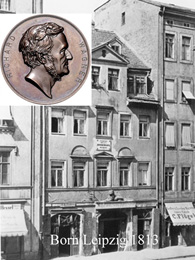

Lunch photography by Carol Bassett
An intriguing discussion by Dr Peter Bassett our Queensland Society’s President. It was a very engaging presentation of Wagner’s visit to Russia and the subsequent performances of his compositions there.
Richard Wagner visited St Petersburg in February 1863 at the invitation of the St Petersburg Philharmonic Society. His goal was to earn some desperately needed money and, hopefully, to secure an on-going patronage. Wagner’s 13 years exile from German kingdoms and principalities had just come to an end; there was the disaster of the Tannhäuser Paris performances in 1861, and advance payments by his publisher had dried up. Ludwig II of Bavaria wouldn’t be coming to the rescue until 1864.
Russia was an uncertain world for Wagner. The authorities knew of his revolutionary past, and Russian composers, musicians and patrons were inclined to be parochial. Also, Wagner had a questionable tolerance of the Russian autocratic State. He was sympathetic towards the Polish nation, or what remained of it. After the defeat of Napoleon, Poland had been divided among Russia, Prussia and the Habsburg Empire. Tsar Nicholas I (reigned 1825 – 1855) added King of Poland to his titles and lands, and showed little tolerance towards any freedoms for his Polish subjects. In 1831 the Poles revolted, but the superior Russian armies triumphed. Wagner was only 18 in 1831, and the plight of the retreating Polish army and refugees fleeing through Leipzig made an indelible impression on him. Wagner met the heroic Polish revolutionary leader Count Vincenz Tyskiewitsch at this time and was inspired to compose several Polish-themed pieces of music.
Wagner’s earlier experience of living within in the Russian Empire had not been successful. In 1837 he had been appointed music director of the theatre in Riga, then part of the Russian Empire. The priority of the large German community in Riga was to diplomatically appease the Russification of Latvia and the other Baltic States. Wagner was not sympathetic towards that policy.
Wagner’s arrival in St Petersburg in 1863 was close on the heels of yet another doomed Polish uprising. However, by this time he had lost interest in revolutionary activities. He had discovered Schopenhauer and now he looked at the world through very different eyes.
Wagner gave six concerts in St Petersburg, mostly at the Hall of the Nobility, offering excerpts from his operas and also six Beethoven symphonies. His conducting style made a huge impression; he faced the orchestra instead of the audience, which was a major departure from the usual concert practice in those days. Musicians from the Imperial Orchestra were placed at his disposal. Pyotr Ilyich Tchaikovsky, aged 23, attended all six of these St Petersburg concerts, and later wrote of his admiration of Wagner to his patron Nadezhda von Meck. Wagner travelled to Moscow where he was assisted by Nikolay Rubinstein. At the Bolshoi Theatre he conducted excerpts from some of his operas and also two Beethoven symphonies.
Wagner found patronage in St Petersburg from the Grand Duchess Elena Pavlovna. As Princess Charlotte of Württemberg she had married Tsar Paul I’s youngest son, Grand Duke Mikhail Pavlovich, the grandson of Catherine the Great. The Grand Duchess gave Wagner 1,000 Roubles and discussed making an annual grant of such an amount until his situation improved. They also discussed a return visit although, in the end, this did not happen. Wagner never returned to Russia. Still, he had fond memories of his visit and the quality of the musicians, especially in St Petersburg.
Peter showed members some wonderful illustrations both visual and musical during his discussion and, information on some productions of Wagner’s operas in Russia:
• In 1889 Angelo Neumann brought the ‘Ring’ to Russia. He used the sets and costumes from the first Bayreuth Festival.
• In 1891 Nellie Melba was invited to St Petersburg to perform Elsa in ‘Lohengrin’.
• The current Mariinsky ‘Ring’ has been staged around the world.
Peter’s presentation was much appreciated for its interesting, informative content and the detailed research he had undertaken. Members asked enthusiastic questions. It was a splendid afternoon that followed the celebratory lunch of the 208th anniversary of Richard Wagner’s birth.
Observations by Paul Caesar
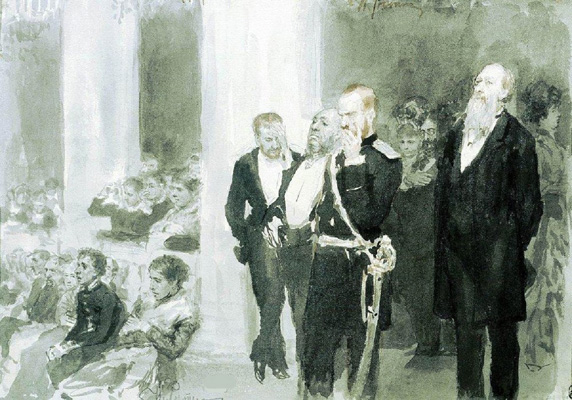
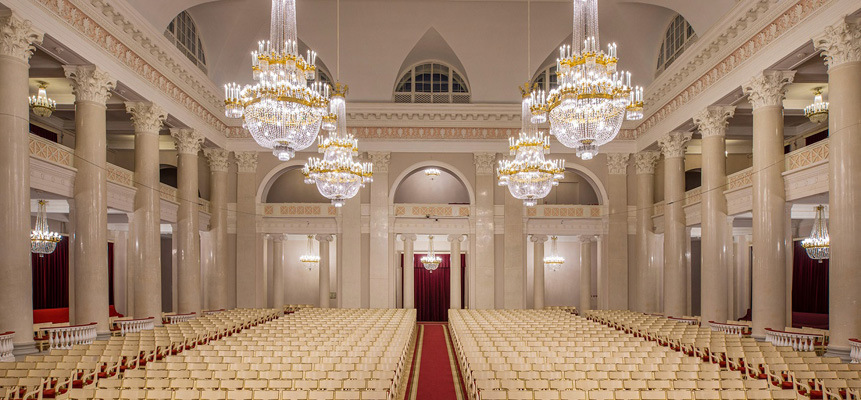
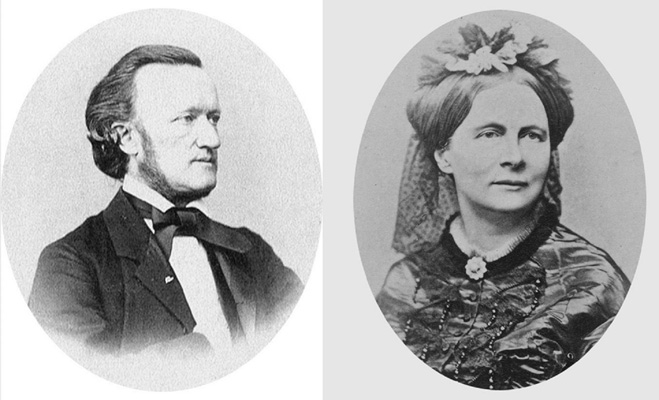
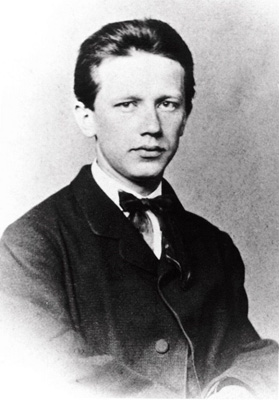
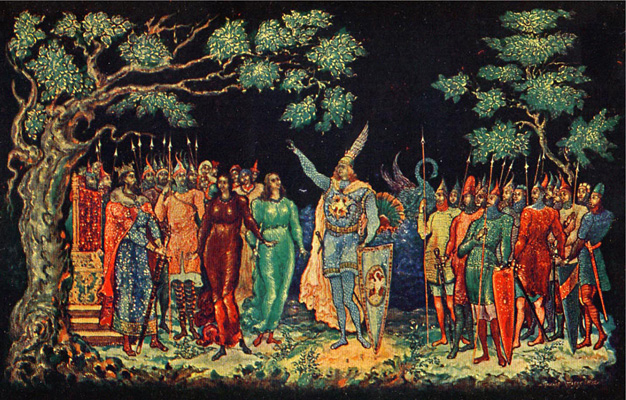
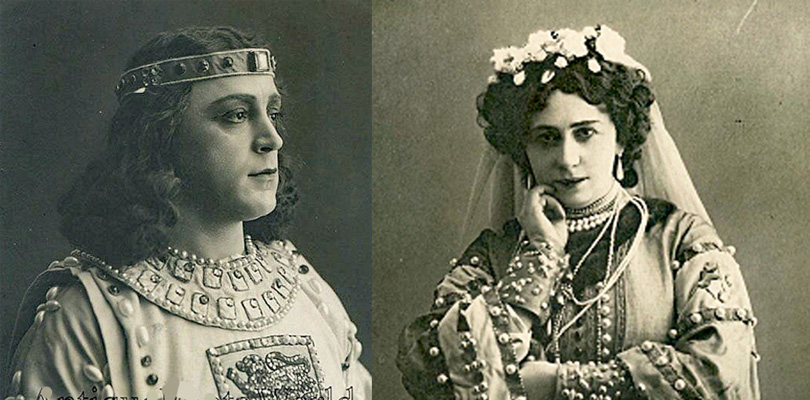
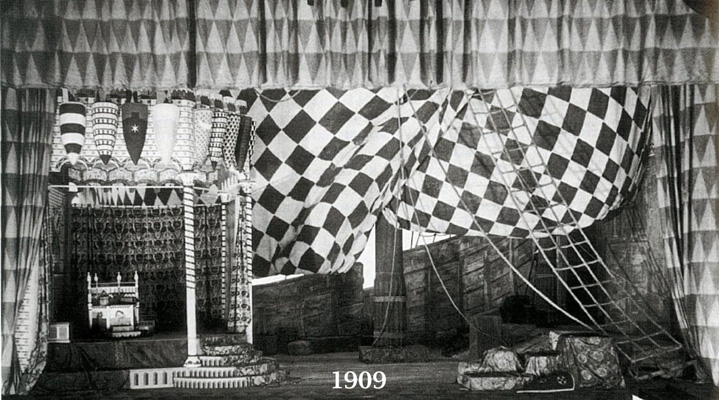
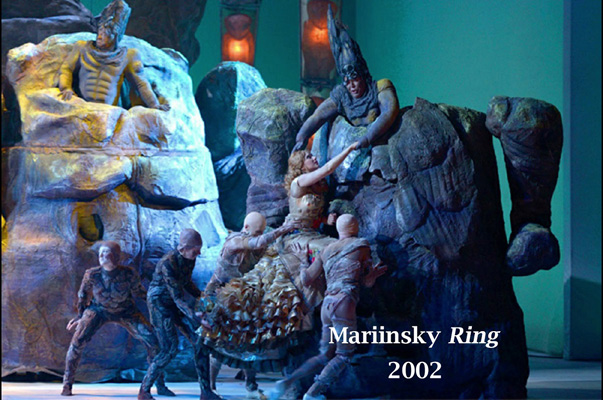
THE FRENCH SIEGFRIED – ERNEST REYER’S ‘SIGURD’. BY DR GRAHAM BRUCE
Saturday 17 April 2021
The Nibelung legend is so identified with Richard Wagner’s gigantic ‘Ring’ cycle that it is hard to imagine this legend in any other musical garb. But here it is, and French at that, and in the grand French operatic tradition. Dr Graham Bruce introduced members to Ernest Reyer’s ‘Sigurd’.
So, who was this French composer? Ernest Reyer (1823-1909) was born in Marseilles, a largely self-taught composer and prolific critic and writer on music. In Paris, he sought the company of writers and composers (Theophile Gautier, Gustave Flaubert, et al) and became a particular friend of Hector Berlioz. Reyer had a considerable output of compositions, including symphonic works, ballets and five operas. He was well recognised, and his compositions were popular over the later part of the 19th century and into early 20th century. He was made a Chevalier of the Legion of Honour in 1862. Little by little, however, his reputation began to decline, and performances of his compositions are rare today.
‘Sigurd’ is an opera in four acts with a libretto by Camille du Locle and Alfred Blau. Like Wagner’s ‘Der Ring Des Nibelungen’ the story draws on aspects of the ‘Nibelungenlied’. Reyer began working on this opera in 1862 and it was virtually completed in draft by 1867. The work waited many years before it was performed in full; Reyer could not persuade the Paris Opera to stage ‘Sigurd’. Finally, it was first performed at the Theatre de la Monnaie in Brussels on 7 January 1884. It was a huge success in Brussels, and the Paris Opera decided to mount it soon afterwards. It was given 252 performances there, the last in 1935, and the role of Brunehild then was sung by the great Australian soprano Marjorie Lawrence.
‘Sigurd’ basically covers the story of Wagner’s ‘Götterdämmerung’ and the 3rd act of ‘Siegfried’. It centres on the trickery by which Sigurd is induced by Gunther to forget Brunehild and marry Hilda (Wagner’s Gutrune), with similar tragic results. But the story is taken at face value, courtly rather than prehistoric in atmosphere, and without Wagner’s political subtext or his susceptibility to psycho-musical analysis. As Graham commented when playing several excerpts from ‘Sigurd’, there is hardly a trace of Bayreuthian influence, and nothing like the symphonic complexity with which Wagner used his leitmotivs. The score comes across as 19th century French romantic opera; there are fine choruses and arias that showcase the voice and dramatic duos. Graham used Manuel Rosenthal’s 1973 recording with a star line-up of French singers.
It was a novel presentation from Graham, introducing members to a largely unknown French composer, Reyer, and his composition on a theme similar to Richard Wagner’s.
An enthusiastic appreciation was given to Graham for his wonderfully researched discussion.
Observations by Paul Caesar
Photography by Damjana Simončič
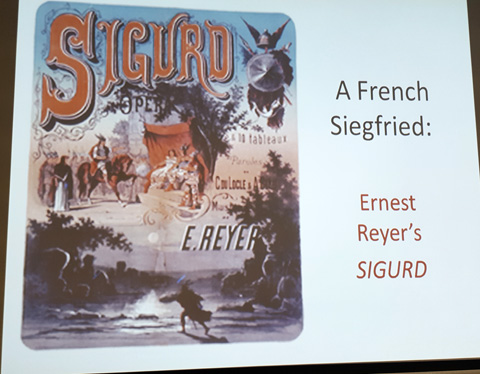
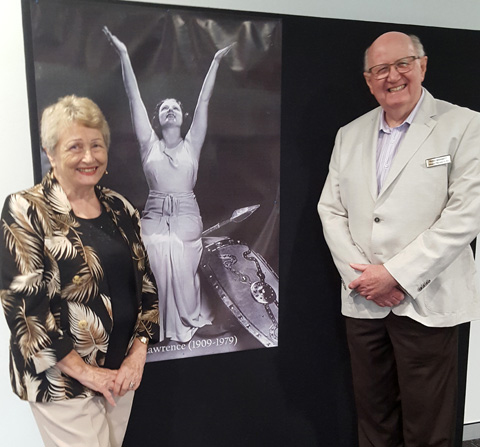
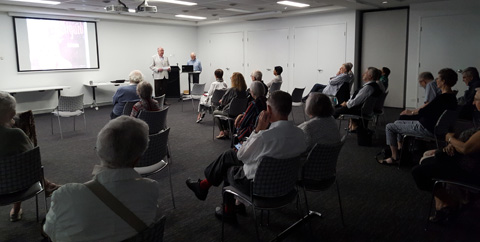
SIEGFRIED WAGNER – SON, HUSBAND, DIRECTOR AND COMPOSER. BY PROFESSOR STEPHEN EMMERSON
March 20, 2021
Siegfried Wagner was the only son of the great Richard Wagner, and the grandson of Franz Liszt. Professor Emmerson asked members: “What do we know about him?” Other members of the Wagner clan may be more familiar to us. Stephen’s discussion gave us a wonderful insight into the talents and character of Siegfried Wagner. He was raised in the household of a dominating mother and four strong-willed sisters. He was a young teenager when his father died, and Richard Wagner, although a loving father, was preoccupied with composition (including the opera Siegfried!), building the Bayreuth Festival Theatre, and managing the first Festival during his son’s formative years.
Siegfried composed eighteen operas (not all completed) and a significant volume of orchestral works and vocal music. Stephen played several extracts of these compositions from historical recordings, including with Siegfried as the conductor. Interestingly, like his father, Siegfried wrote all his own opera libretti. Music critics have tended to be harsh in their judgment of his compositions and, regrettably, they are rarely performed today.
His personal life was complex. The greatness of his father overawed Siegfried but, in fact, the son was multi-talented: composer, orchestral conductor, performer of several musical instruments, architectural student, painter, fluent speaker of several languages, and a writer and poet. For years, his mother Cosima urged her son, who was bisexual, to marry and provide the Wagner dynasty with male heirs. A suitable marriage was arranged with an 18-year-old Englishwoman Winifred Williams, an orphan who had been raised by distant relatives, the Klindworths, in Berlin. Siegfried was 46 at the time of his marriage. Siegfried and Winifred would go on to have four children.
Siegfried assisted his mother with the annual Bayreuth Festival after the death of his father in 1883. Cosima was obsessive in maintaining performances exactly as they had been seen by “The Master”, and she discouraged Siegfried from making directorial changes. In time, radical changes to the interpretation and direction of the Bayreuth Festival operas were to be made by Siegfried’s sons Wieland and Wolfgang – changes that their father had begun to explore, notably in relation to symbolism and lighting. Interestingly, at the 1896 Festival, Siegfried Wagner was associate conductor for the performances of the Ring.
Professor Emmerson’s presentation was deeply researched, and a picture emerged of Siegfried Wagner as a genial, humane and humorous person, who had applied himself with commitment and dedication to maintaining his father’s legacy.
Members were enthusiastic in their appreciation of Stephen’s presentation.
Observations by Paul Caesar
Photography by Damjana Simončič
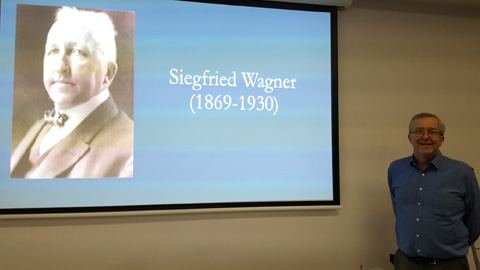
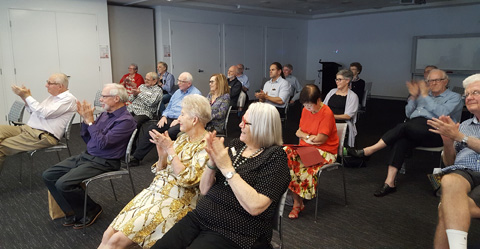
ANNUAL GENERAL MEETING
Postponed from 2020 – February 20, 2021
It was noted at this AGM that the Queensland Society is the only Wagner Society in Australia and New Zealand to have held ‘live’ meetings each month, without exception, since July 2020. A full program is also planned leading up to the Ring performances in Brisbane later this year. Remarkably too, our meetings have attracted consistently higher levels of attendance than was the case before COVID-19. Scarcely a month goes by without applications for new memberships being received.
A new Management Committee was elected at the AGM, comprising President Peter Bassett, Vice-President Graham Bruce, Secretary Rosemary Cater-Smith, Treasurer Kerry Ward, and Members Stephen Emmerson, Annette Fisher, Geoff Fisher, Colin Mackerras and Judy Xavier. Congratulations to our new team in this exciting Wagnerian year! A presentation by Geoff Fisher on the Nibelungenlied had been scheduled to follow the AGM but, unfortunately, Geoff was unwell and could not attend. To fill the gap, Peter Bassett invited those present to sample some productions (including the Brisbane Ring!) that would have taken place around the world in 2020 if COVID-19 had not intervened. A still from one such postponed production – Parsifal at the Deutsche Oper Berlin – is included below. Geoff Fisher’s presentation on the Nibelungenlied will now be given on Saturday 17 July.
Photography by Damjana Simončič
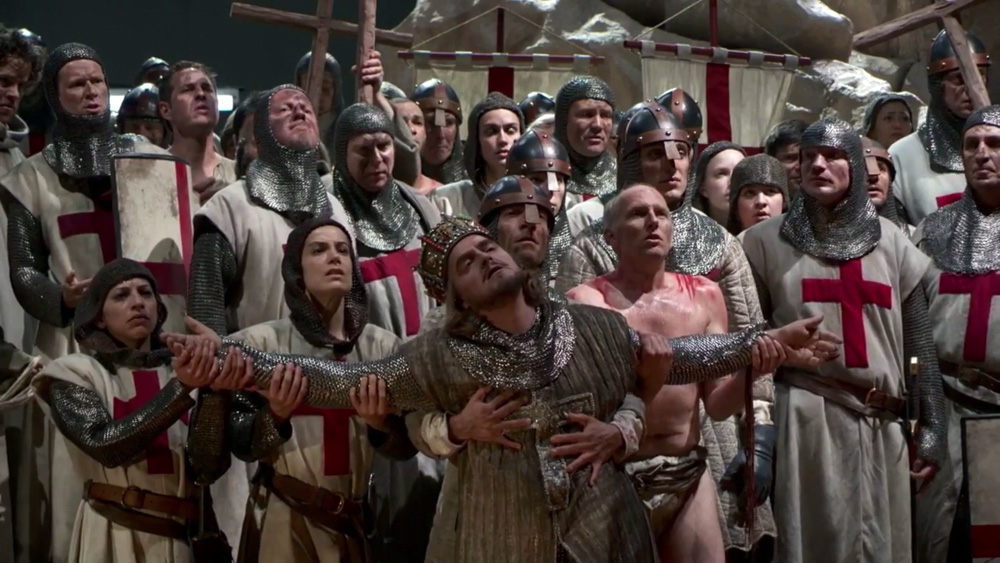
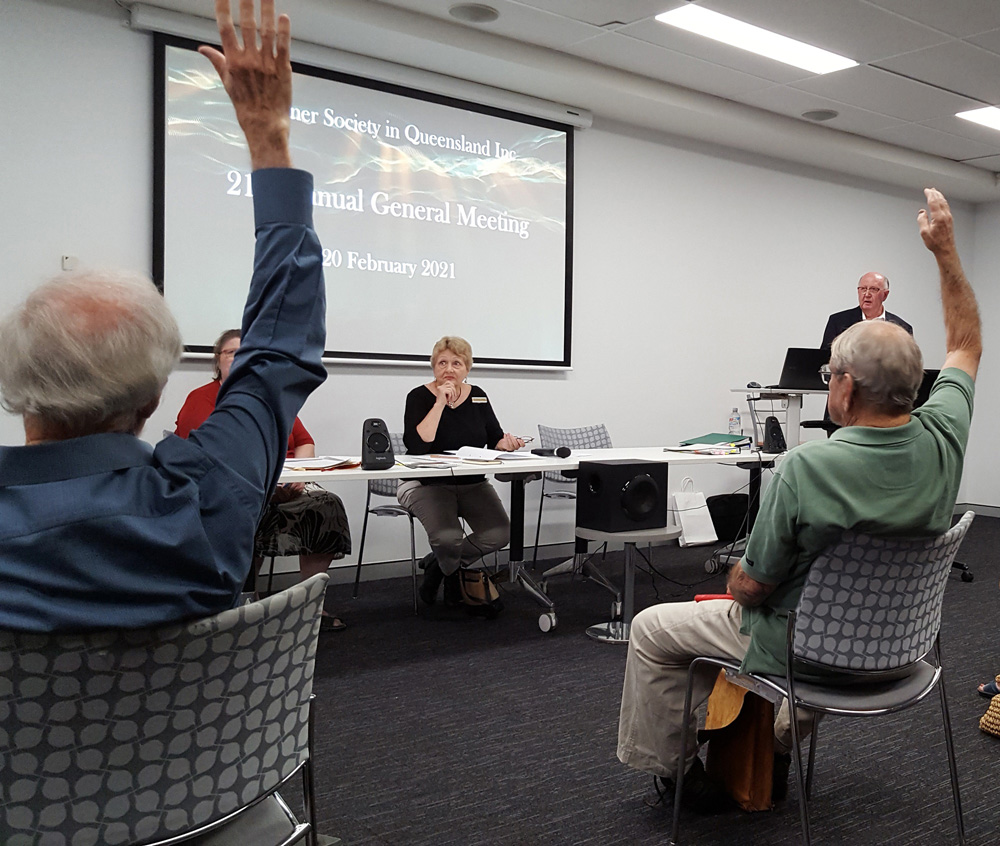
A FILM CONDUCTED AND DIRECTED BY HERBERT VON KARAJAN. DAS RHEINGOLD 1978 PRODUCTION
January 16, 2021
This film production has been controversial since the soundtrack was laid down in 1973 and “staged” for film in 1978. Partly, the criticism arose because the actors lip-synced, and some roles were acted by people other than the singers who originally recorded them. The orchestra was the Berliner Philharmoniker, and the production was a rework of Karajan’s 1968 Salzburg Easter Festival staging.
There was an impressive cast: Wotan – Thomas Stewart; Fricka – Brigitte Fassbaender; Loge – Peter Schreier; Freia – Jeannine Altmeyer; Erda – Martha Mӧdl/sung Birgit Finnila; Alberich – Zoltan Kelemen; Mime – Gerhard Stolze; Fasolt – Gerd Nienstedt/sung Karl Ridderbusch; Fafner – Louis Hendrikx; Donner – Vladimir de Kanel/sung Leif Roar; Froh – Hermin Esser
Some of the scenes were memorable, others maybe not. The opening scene showing the River Rhine in a fog-blue mist was, for me, one of the most atmospheric openings of Das Rheingold I have seen. Rhinemaidens seemingly swimming (on trapezes) became distracting, and the descent into Nibelheim was unconvincing. Later in the drama, Erda appeared in a pall of gloomy smoke superimposed over a big still photograph of Wotan. Some might have thought they were looking at a Doctor Who television setting!
Nevertheless, the dramatic impact of having the gods basically static on stage was sensational. Wagner’s operas are intimate. This production used slow, natural body language/movement. The interplay between the performers became very important, and close-ups brought out vital details – scenery became less important here. Viewers felt they were on stage with the actors, moving amongst them. This is a sensation one may not experience from a seat in a large opera house. Some of our members commented that this Karajan production reminded them of the Metropolitan Opera’s Otto Schenk’s 1986 Der Ring des Nibelungen. There was a close relationship – the co-director and set designer of Karajan’s production was Günther Schneider-Siemssen, and he was the set designer of Otto Schenk’s production at the Metropolitan.
A standout performance was Peter Schreier’s interpretation of Loge – clad in tight fitting red leather, bald headed, he moved around the set like a lurid night club impresario, directing the failing gods to their Valhalla.
Herbert von Karajan conducted with real subtlety and with the full range of dynamics required by the score. One Amazon reviewer of this DVD commented: “Karajan conducts a dramatic very swift reading of the score. He also brings out the detail so effectively. Under Karajan’s baton Das Rheingold is not a loud wall of sound but a very detailed and complex score. I so much prefer a studio performance to a live performance as the singers do not have to shout over the orchestra. Also, you can appreciate the whispering when Alberich or the giants are plotting mischief.”
Altogether, a very enjoyable meeting.
Observations by Paul Caesar
Photography by Deutsche Grammophon DVD
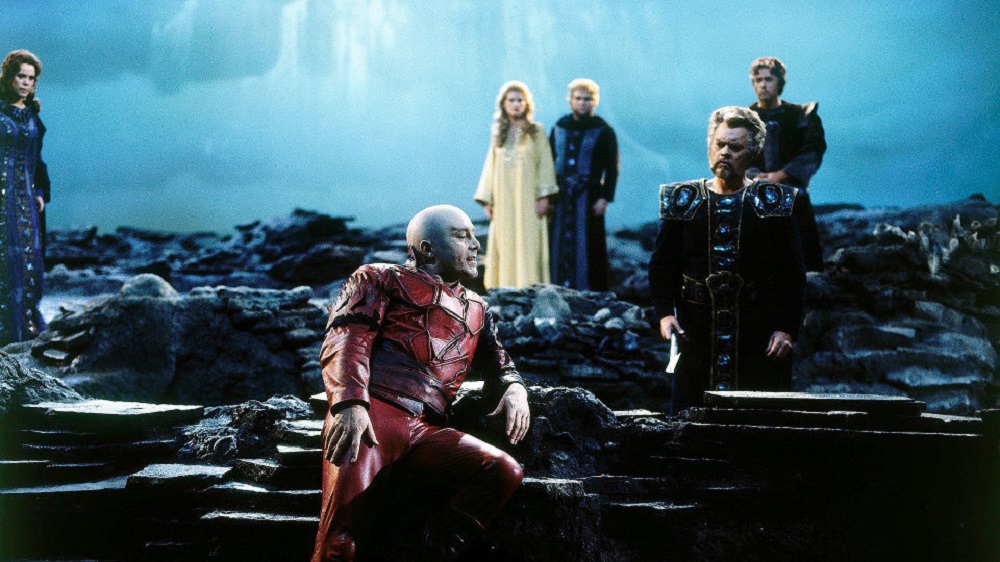
COSIMA WAGNER’S DIARIES – WITH MUSIC, BY MARGARET BAKER-GENOVESI WITH PETER BASSETT; PRECEDED BY CHRISTMAS LUNCHEON.
December 19, 2020
Prior to the meeting, members enjoyed a Christmas lunch at Deery’s Restaurant at the Story Bridge Hotel.
We then adjourned to the meeting room at the Multicultural Centre.
Margaret and Peter presented a most elegant and innovative introduction to Cosima Wagner’s diaries. It was a joy to watch on screen Peter’s illustrated highlights of some of Richard Wagner’s personal musical experiences and then listen to Margaret reading excerpts from Cosima’s diaries that were allied to each of those chosen experiences. Margaret and Peter presented the illustrations and diary excerpts in a soft, theatrical setting – Margaret was seated as in a corner of an elegant room under a lamp and Peter had arranged several recordings of Wagner’s scores that were mentioned in the diaries.
Cosima Wagner (born 24 December 1837 – died 1 April 1930) began her diaries on 1 January 1869, a few weeks after leaving her husband to live with Richard Wagner. Until Wagner’s death in 1883 they were rarely parted, and the diaries provide a continuous and intimate picture of the composer’s life and work during those fourteen years.
The diaries were intended by Cosima as a record for her children. The final entry was written on 12 February 1883, the day before Richard Wagner died in Venice; by which time she had hand-written 21 volumes, comprising nearly one million words. They impress us with their touching and revealing recording of Cosima’s devotion to Richard Wagner, and his devotion to her.
It was a delightful and intimate afternoon for the 47 members and guests who attended.
Observations by Paul Caesar
Photography by Stephanie Hinrichs and Damjana Simončič
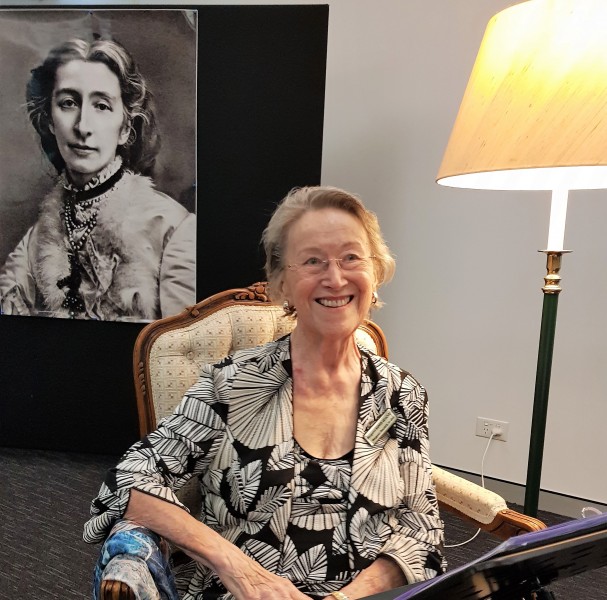
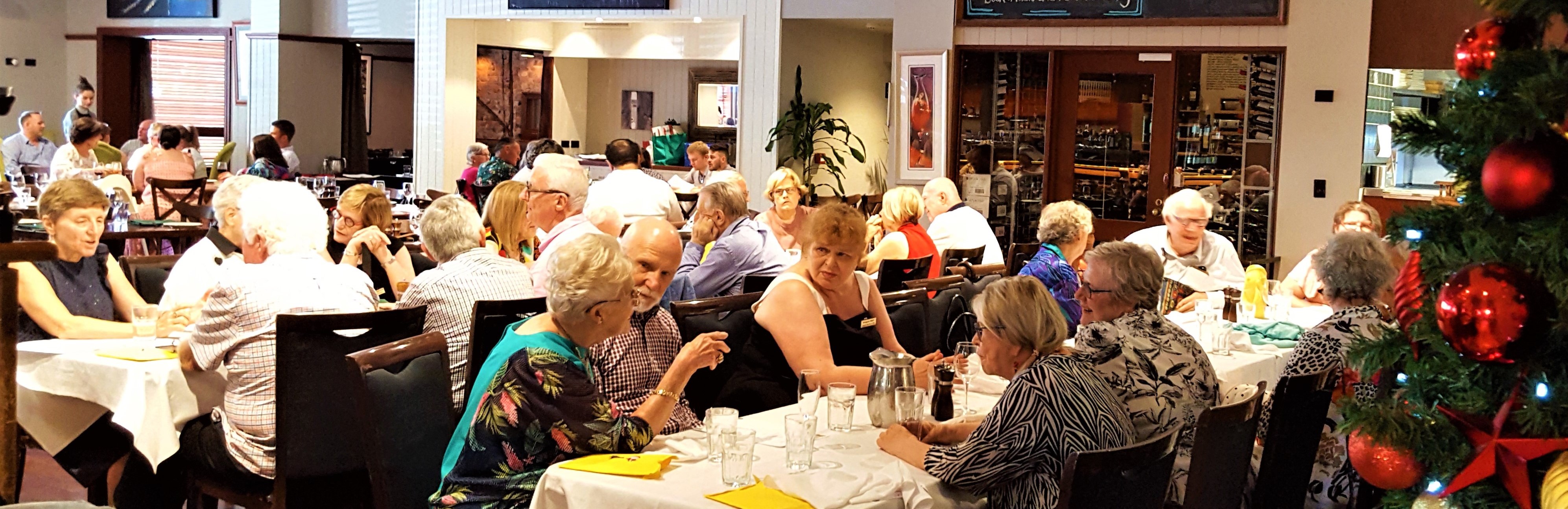
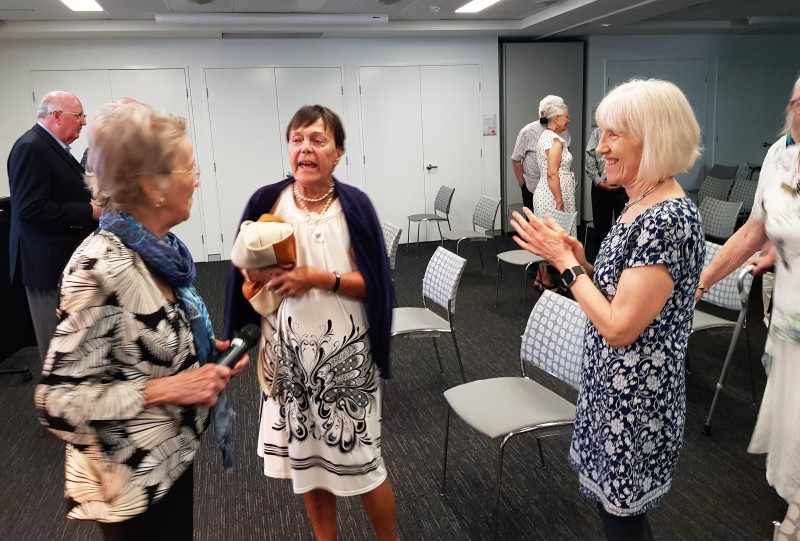
THREE GREAT WAGNERIAN SOPRANOS
Presenter: Professor Colin Mackerras
November 21, 2020
Professor Mackerras spoke about the “Golden Age” of Wagnerian Dramatic Sopranos and illustrated his theme with detailed sketches of three of the most famous Wagnerian sopranos, namely, Frida Leider (1888 – 1975, born in Berlin, Germany), Kirsten Flagstad (1895 – 1962, born in Hamar, Norway) and Birgit Nilsson (1918 – 2005, born in Vastra Karup, Sweden).
Colin elaborated on the definition of a “Wagnerian Dramatic Soprano”. According to one source, “… this is a type of operatic soprano with a powerful, rich, emotive voice that can sing over, or cut through a full Wagnerian orchestra. Such sopranos have thicker vocal cords in their singing voices and a sustained, fuller sound than lighter sopranos.” (Wikipedia Encyclopaedia). These three dramatic sopranos discussed by Colin were also gifted with great agility in their singing voices.
The main qualities of Frida Leider illustrated by Colin were her ability to sweep effortlessly to high notes, her beautiful tone of voice, and an art of phrasing and dramatic expression. Listening to audio examples of this soprano, we could hear beautiful modulation and radiant sound; a strong, heroic sound with a touch of silk.
With Kirsten Flagstad, Colin drew attention to her vocal technique, consistency of line and tone, and great control and wonderful musicality. Her voice was enormous but did not sound enormous because it was never pushed; it had a cool, silvery quality.
For Birgit Nilsson, Colin illustrated her total control (it was fearless), unswerving accuracy and incredible technique. The power of her voice was phenomenal – even throughout the range. She was a focused, hard-working singer. Birgit Nilsson also had a wonderful personality, warmth, and wit. The audio examples displayed her sound as being, perhaps, not as beautiful and charming as that of Leider and Flagstad – perhaps rather metallic – but still great. “Sunlight reflected off a copper surface” (music critic John Ardoin).
This was an enthusiastic meeting led by Colin, and his personal reflections on these three great Wagnerian sopranos were enjoyable and thought-provoking. 40 members plus 2 guests registered for this meeting during these tricky Covid-influenced times.
Observations by Paul Caesar
Photography by Stephanie Hinrichs and Damjana Simončič
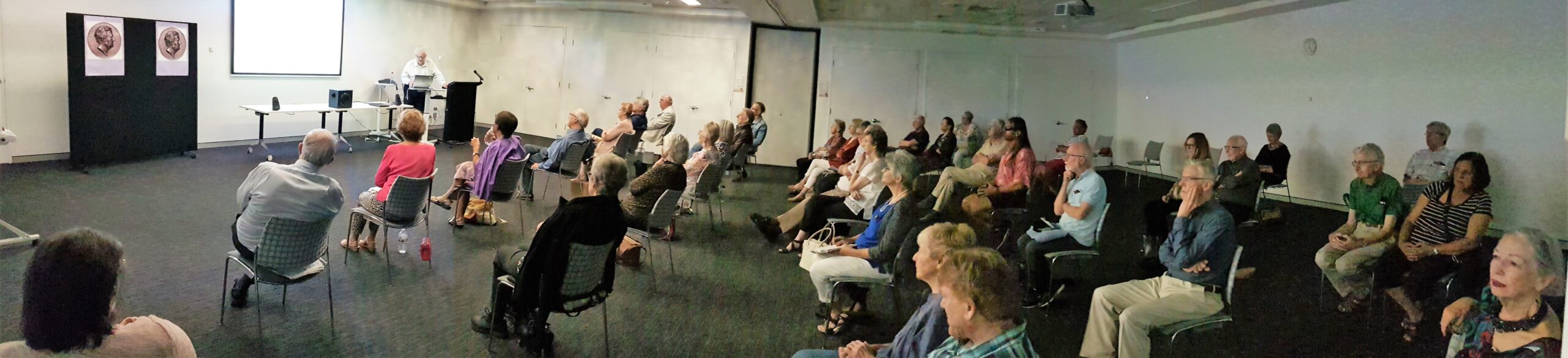


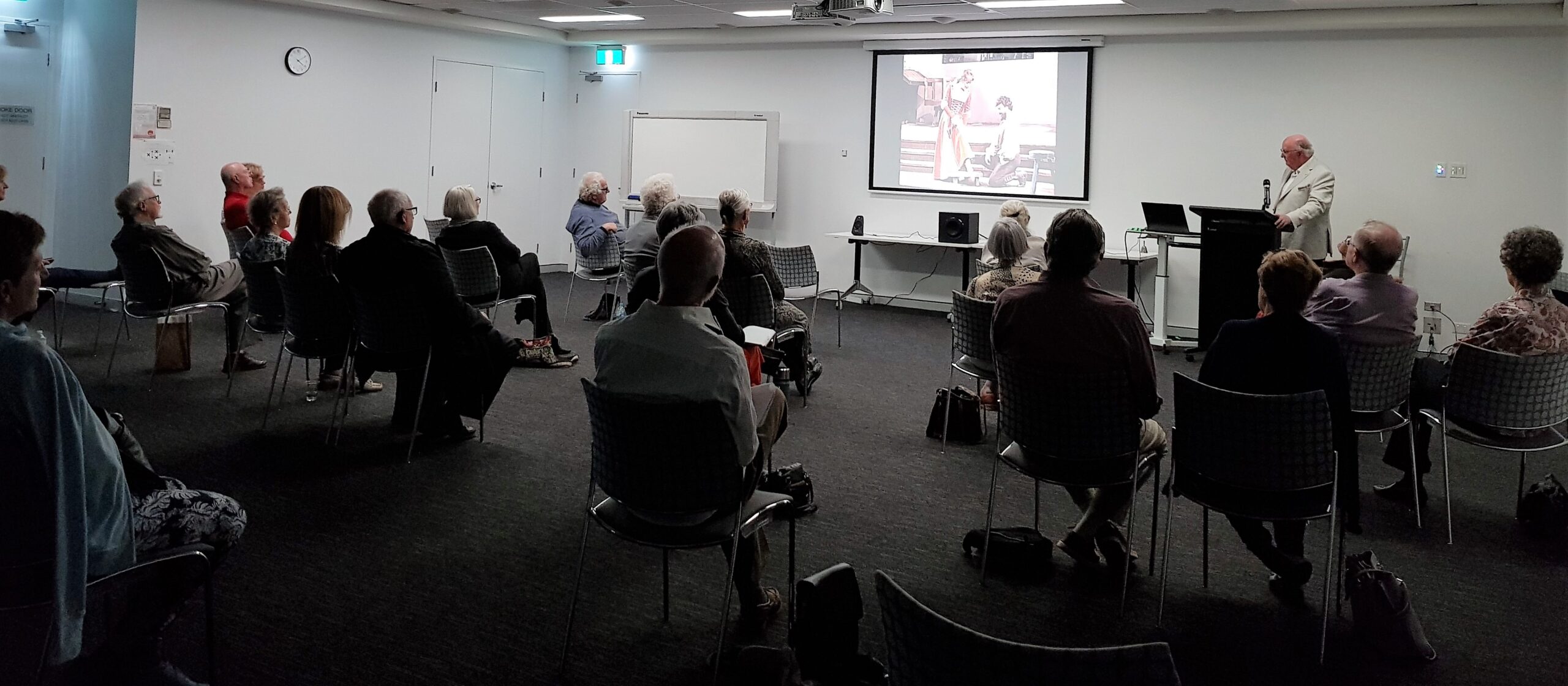
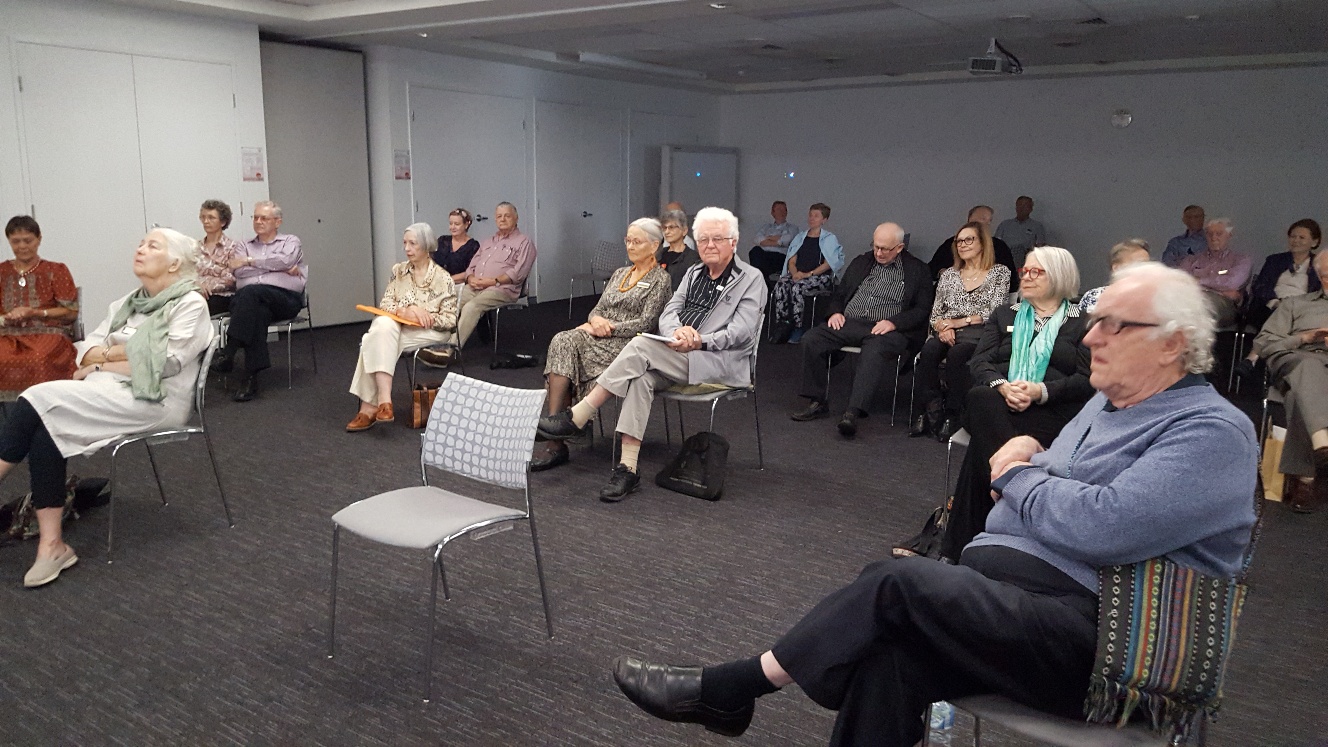
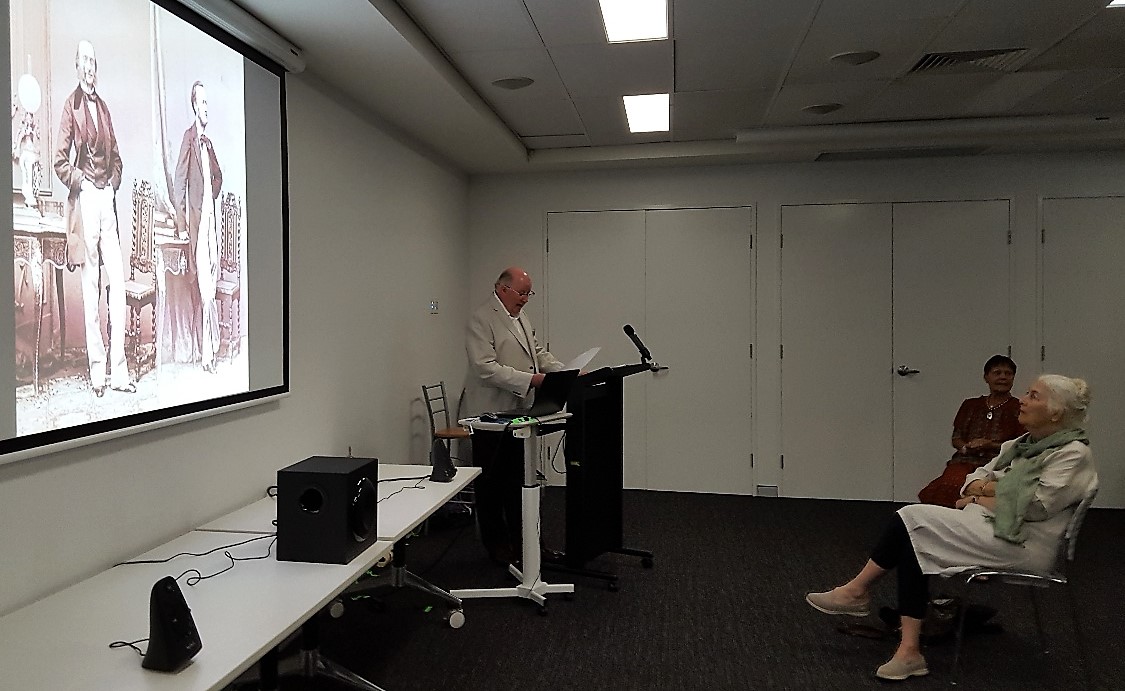
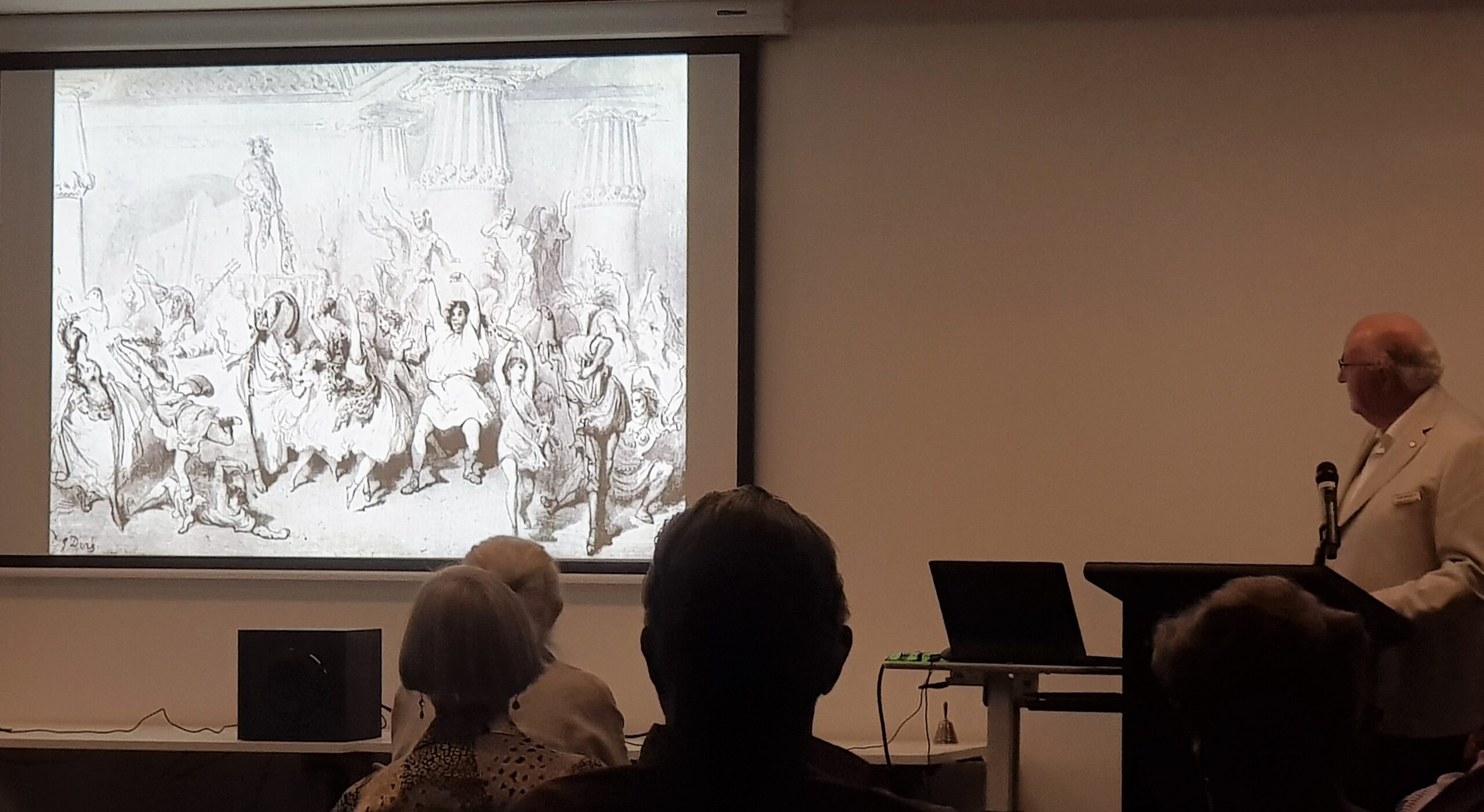
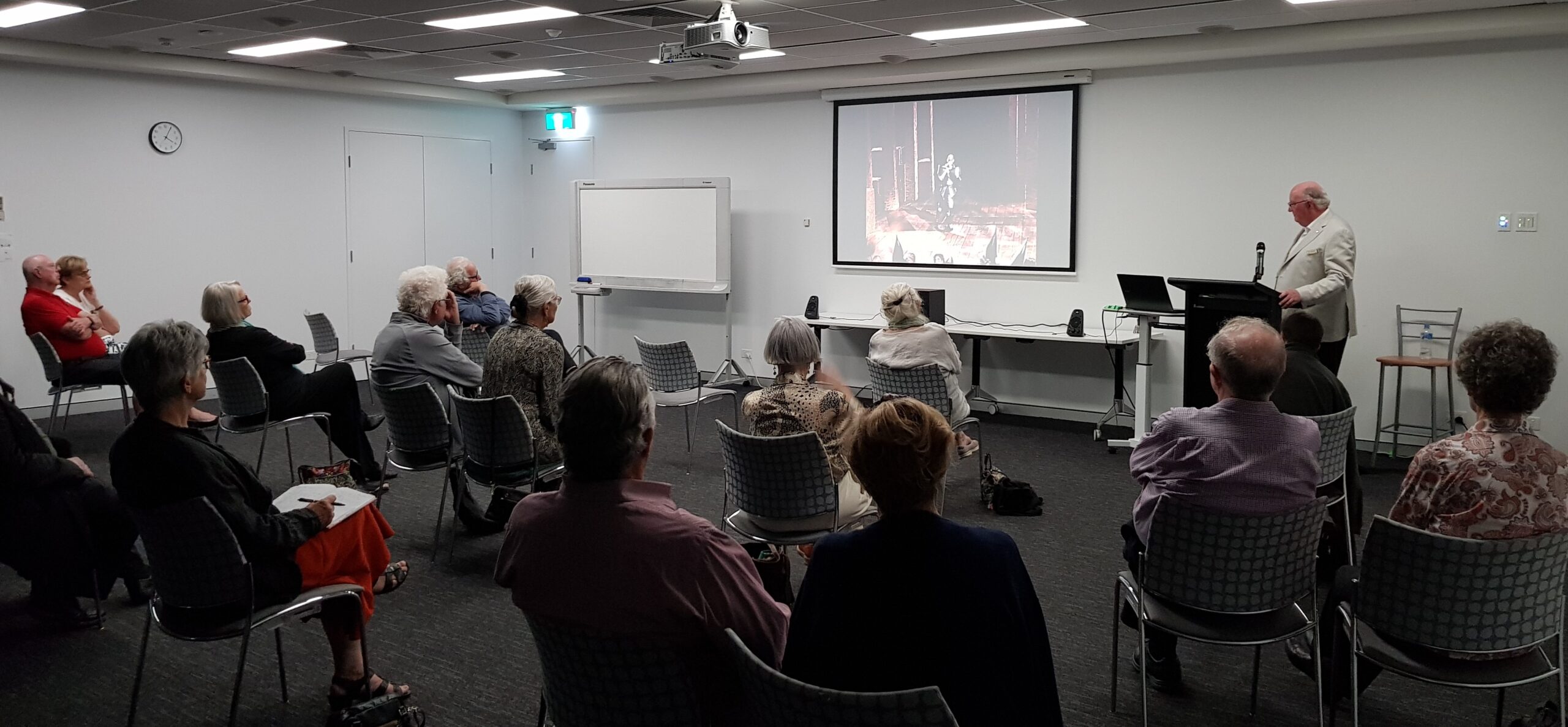
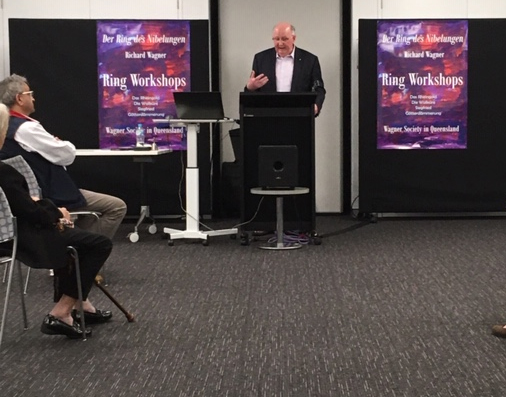
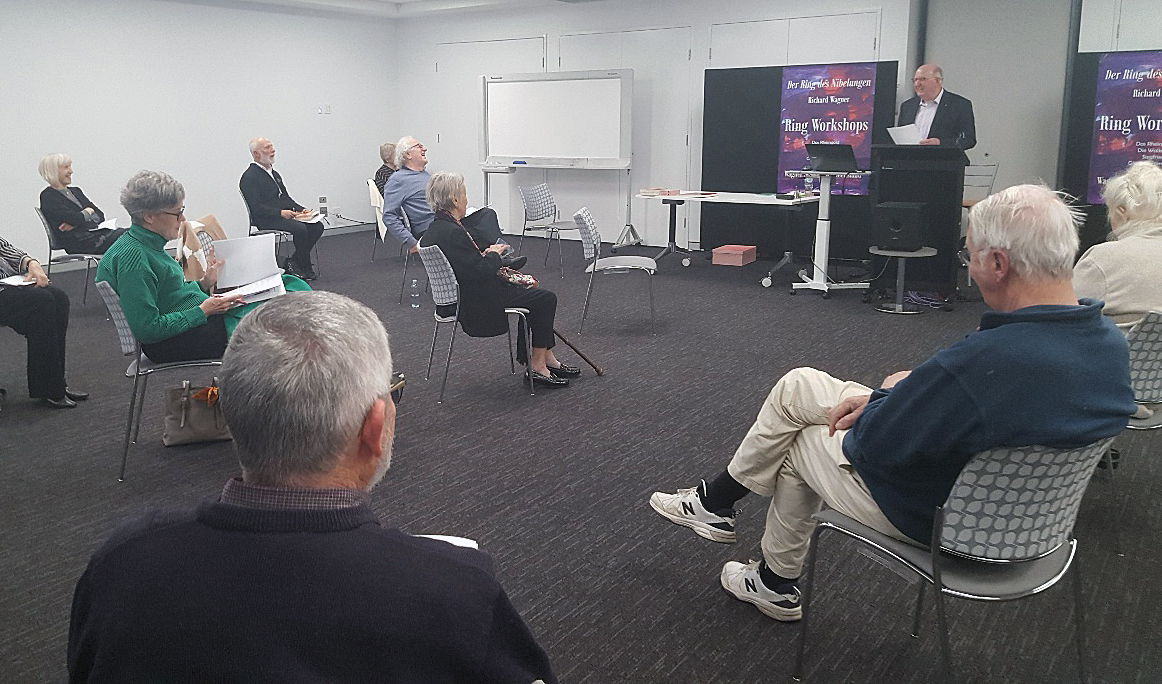
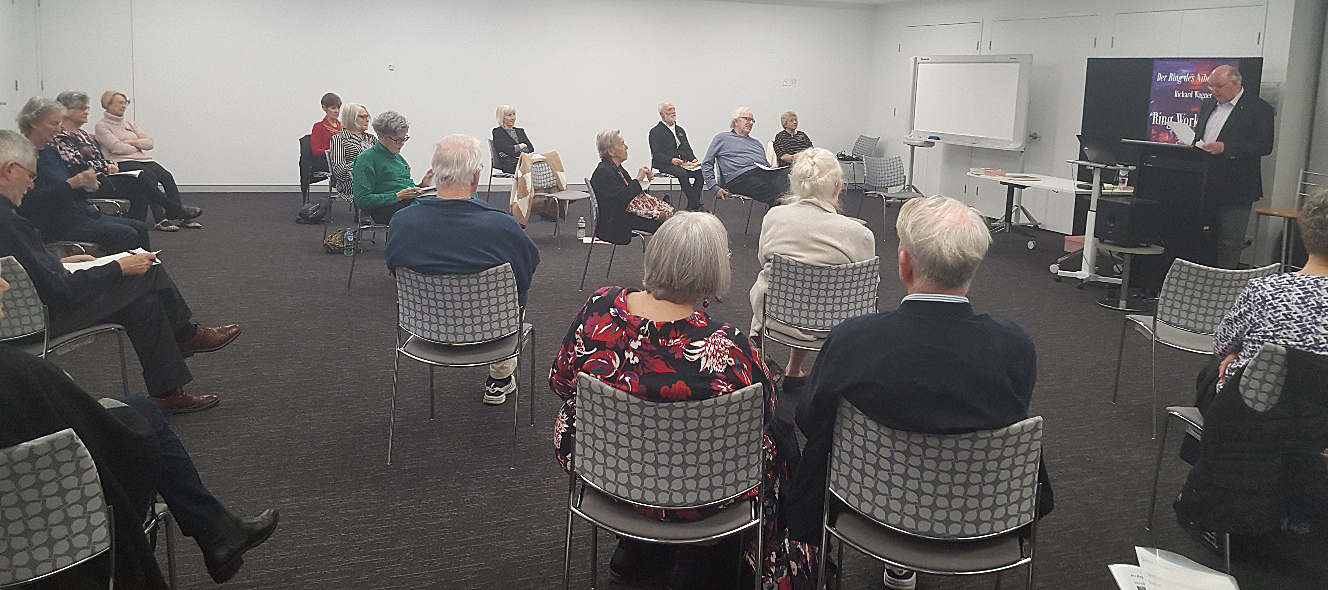
 Our President Dr Peter Bassett gave us a fascinating, enjoyable and informative Ring Workshop. Peter opened his presentation with great humour, commenting on the Covid-19 predicament and then showing us an actual Golden Apple – if Freia’s apples could restore the gods in the drama, perhaps they might also work in our present crisis!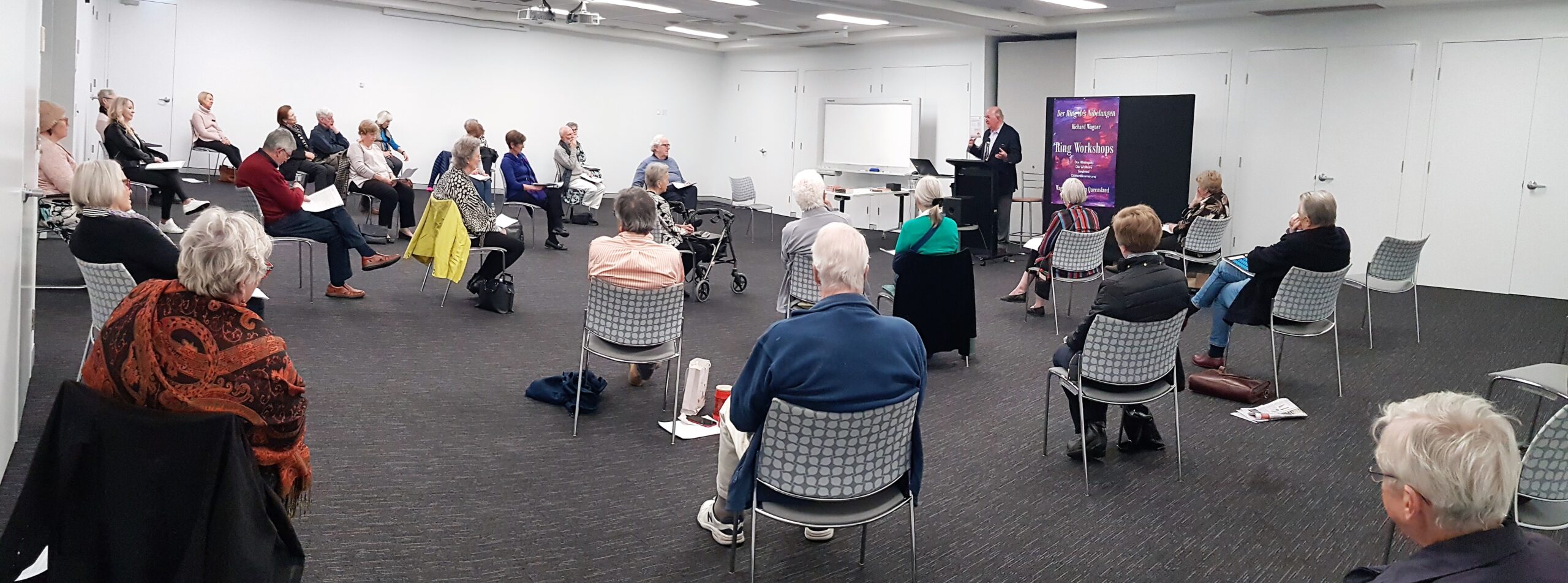
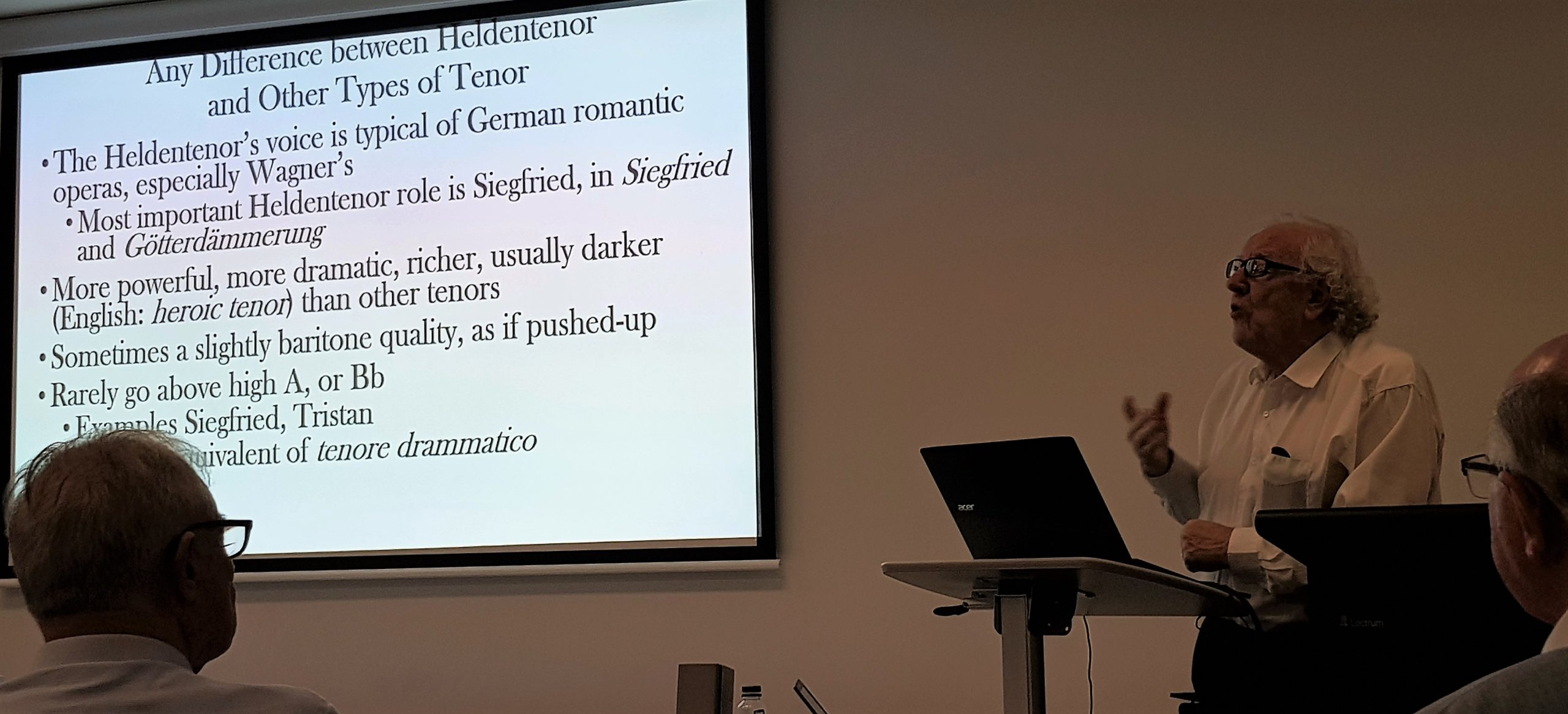
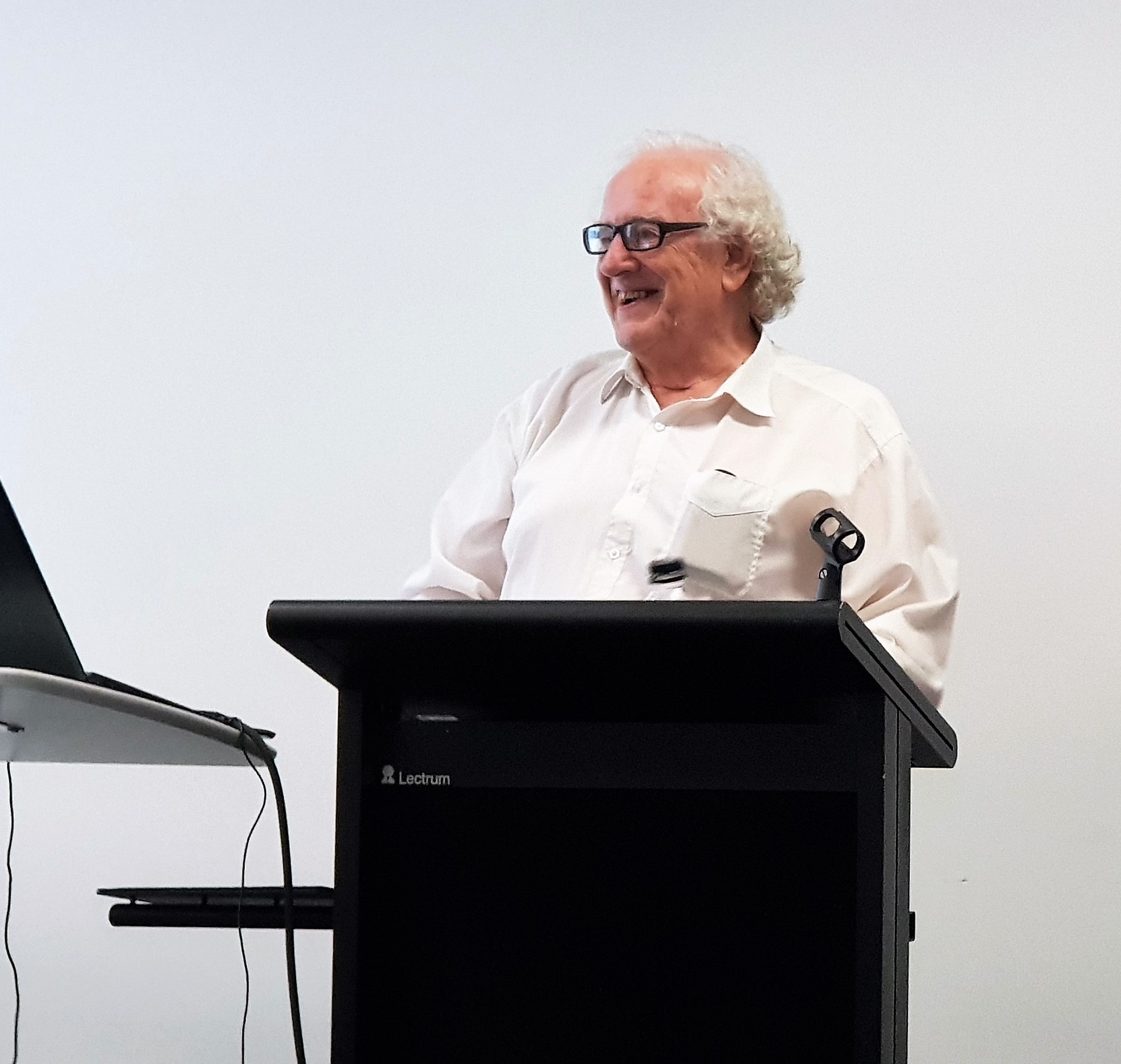
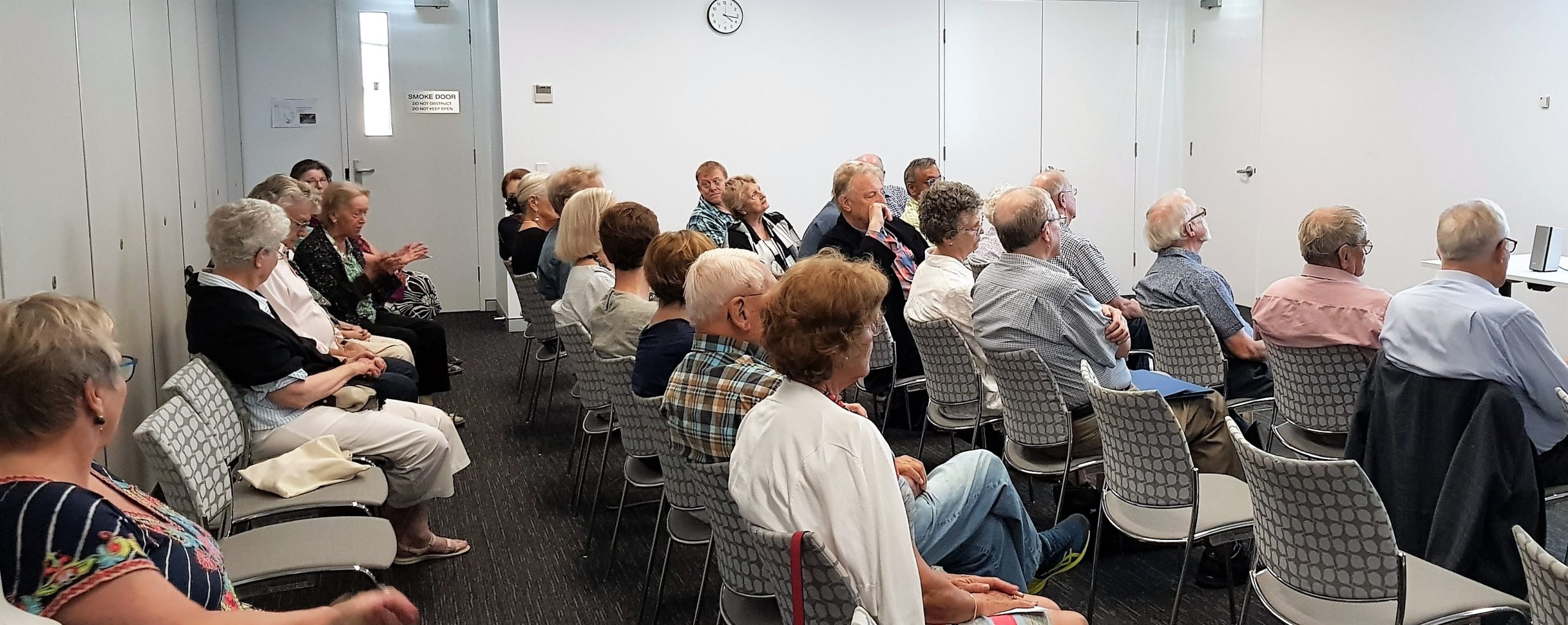
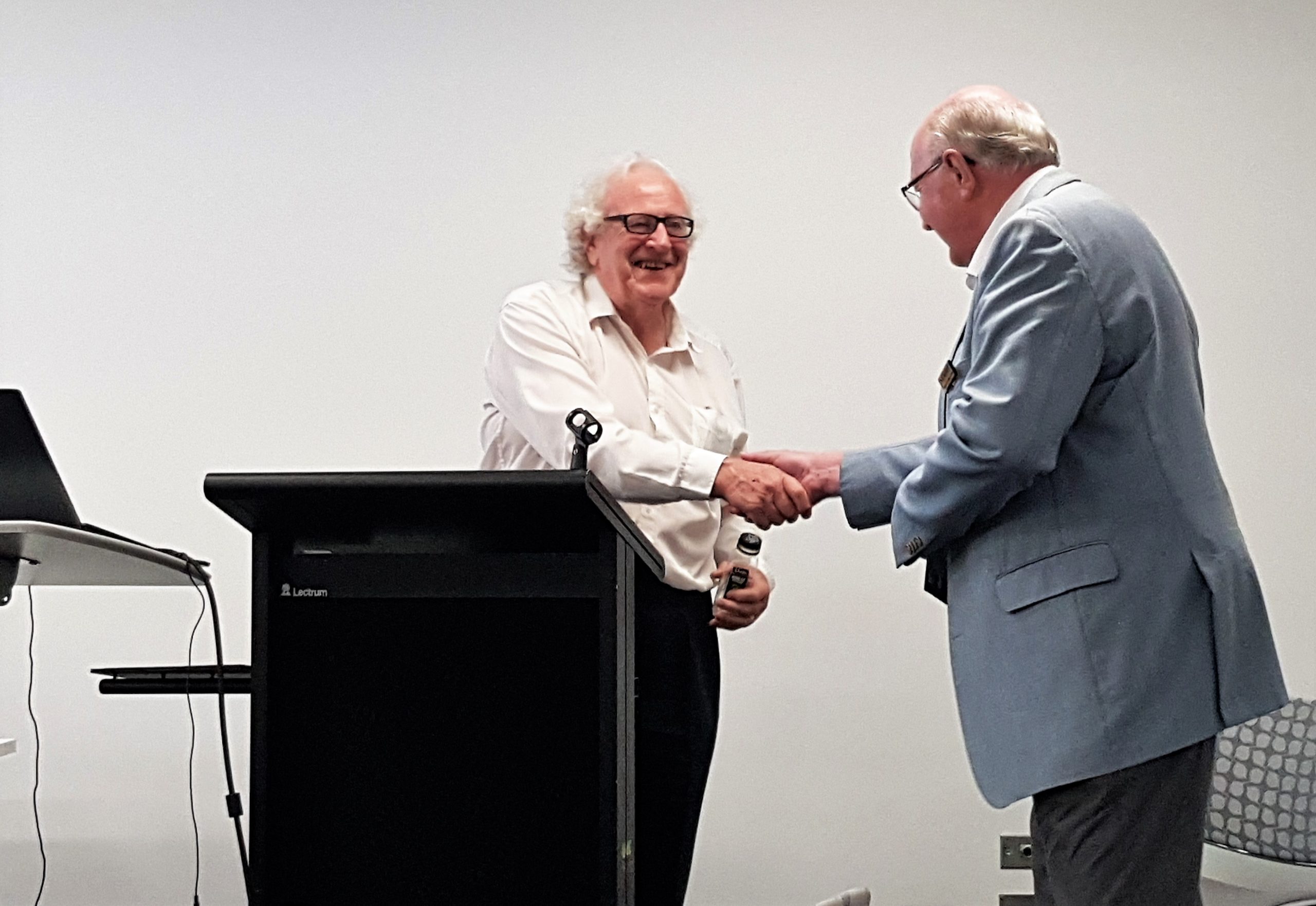
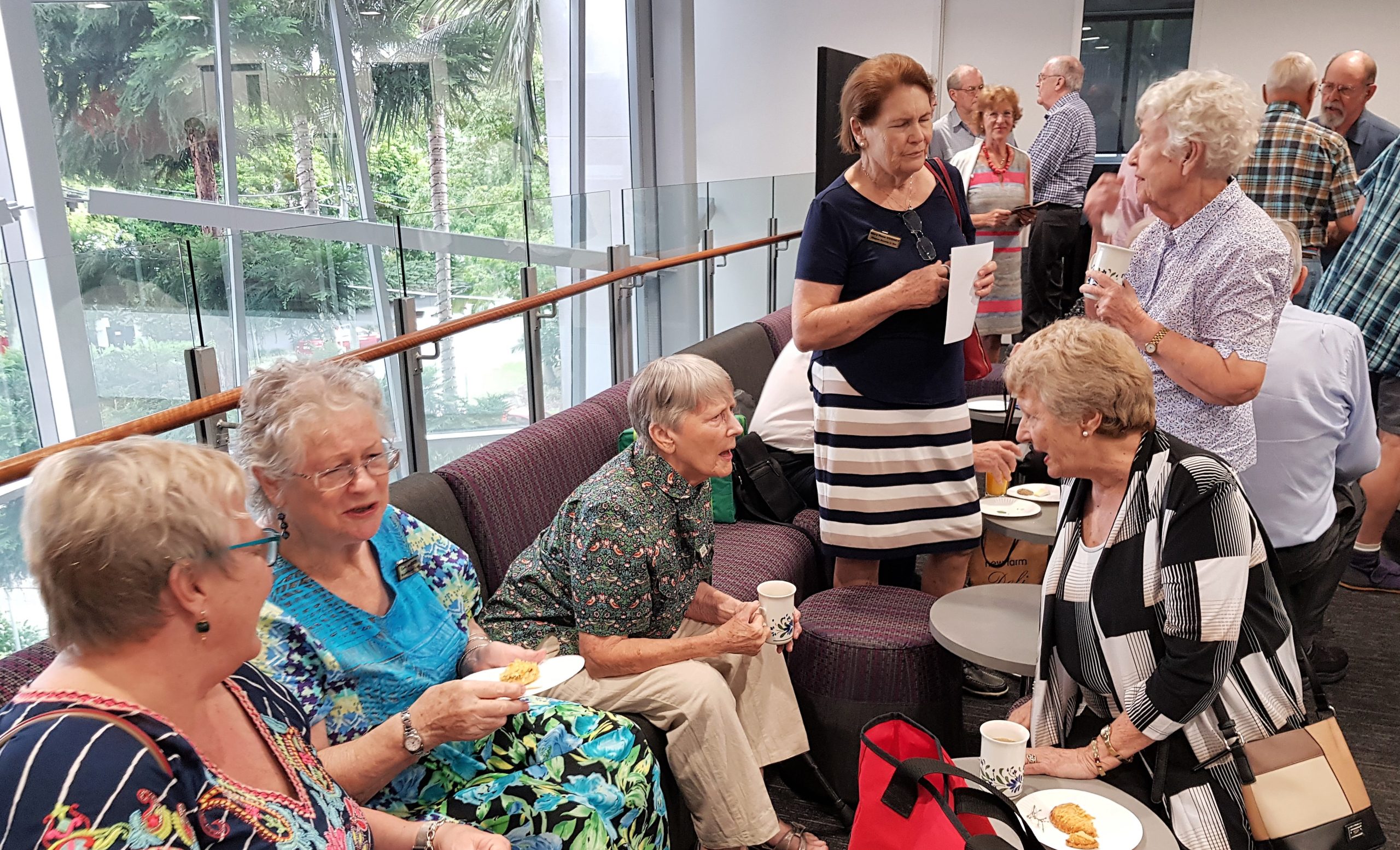
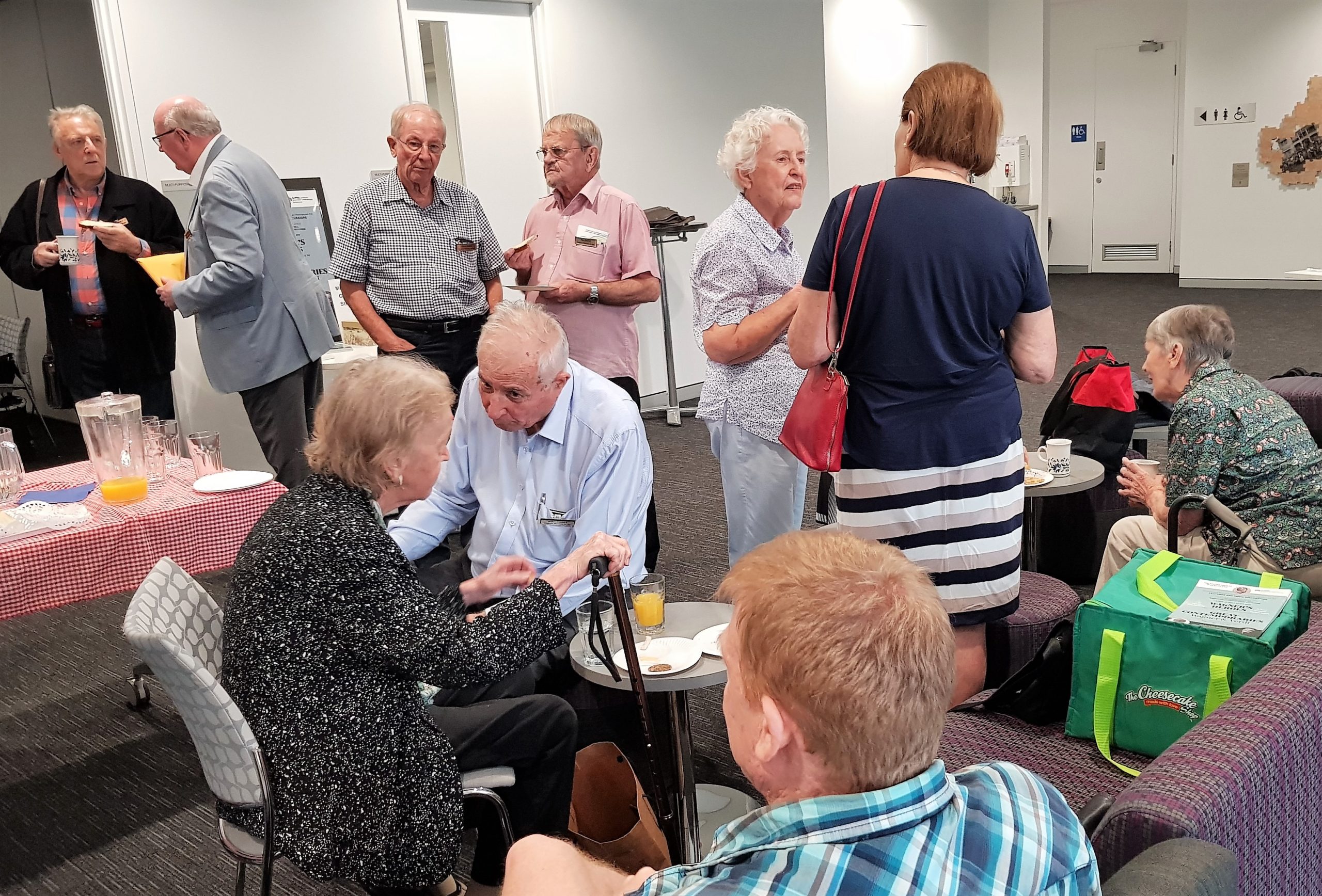
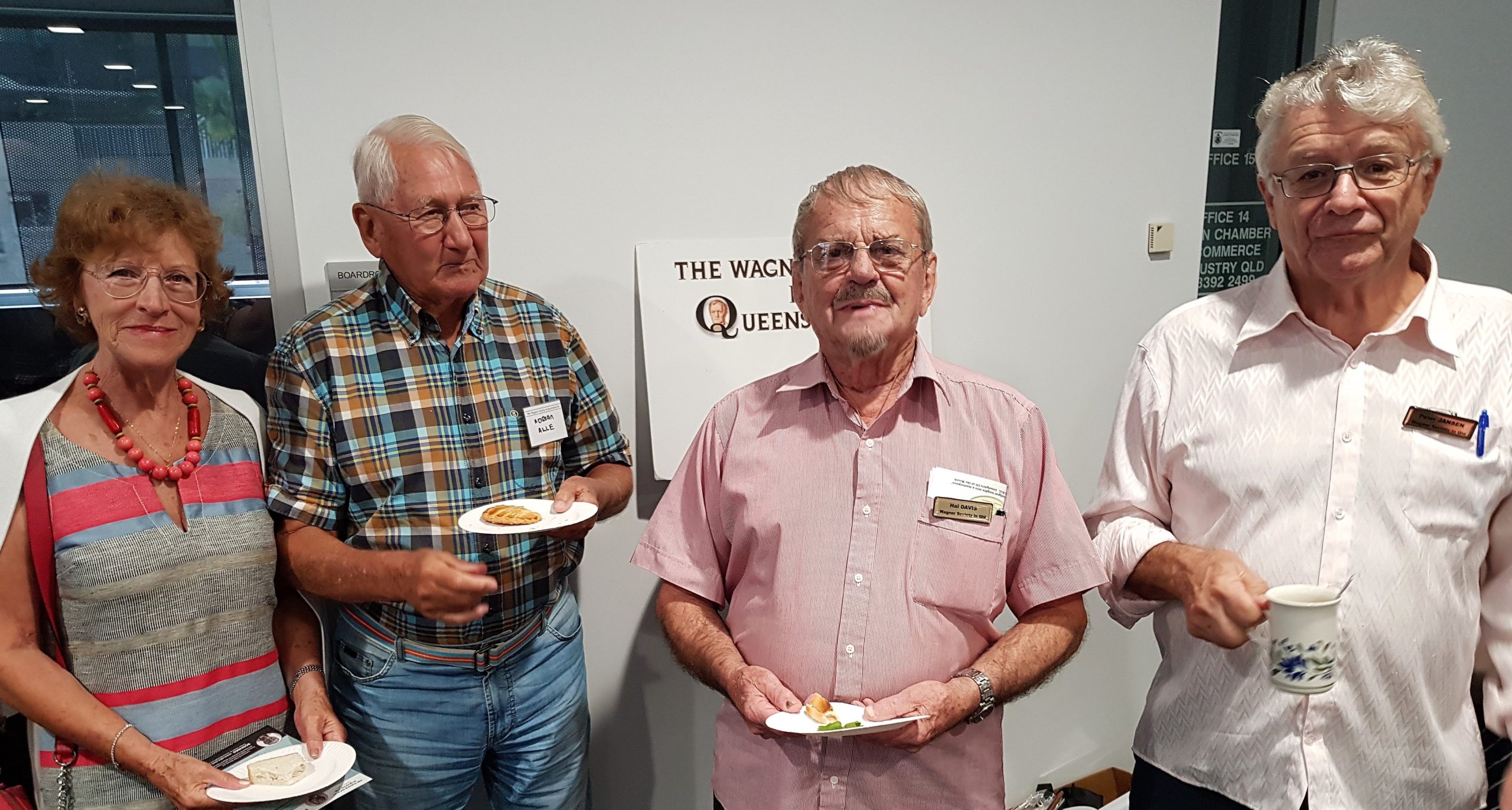
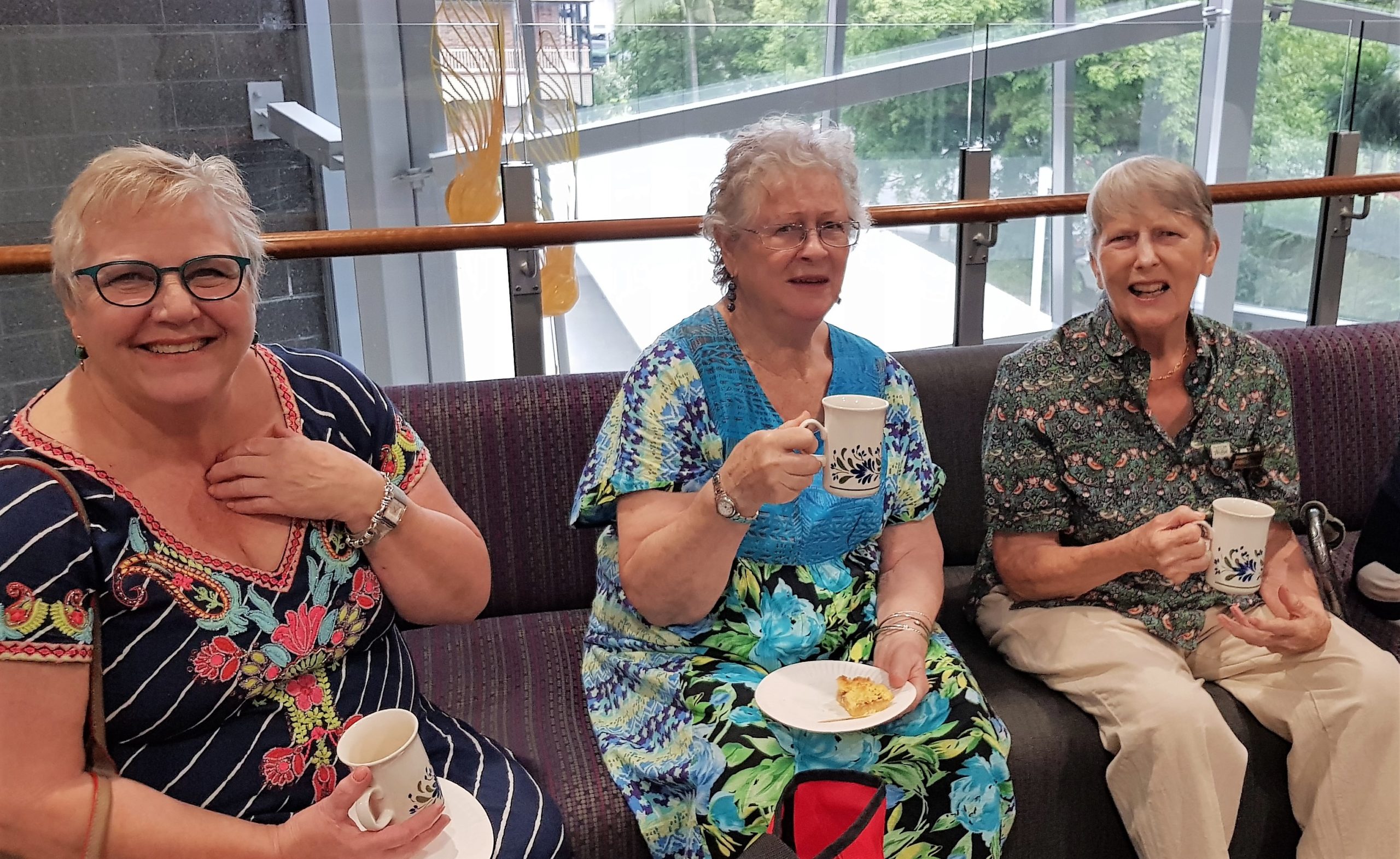
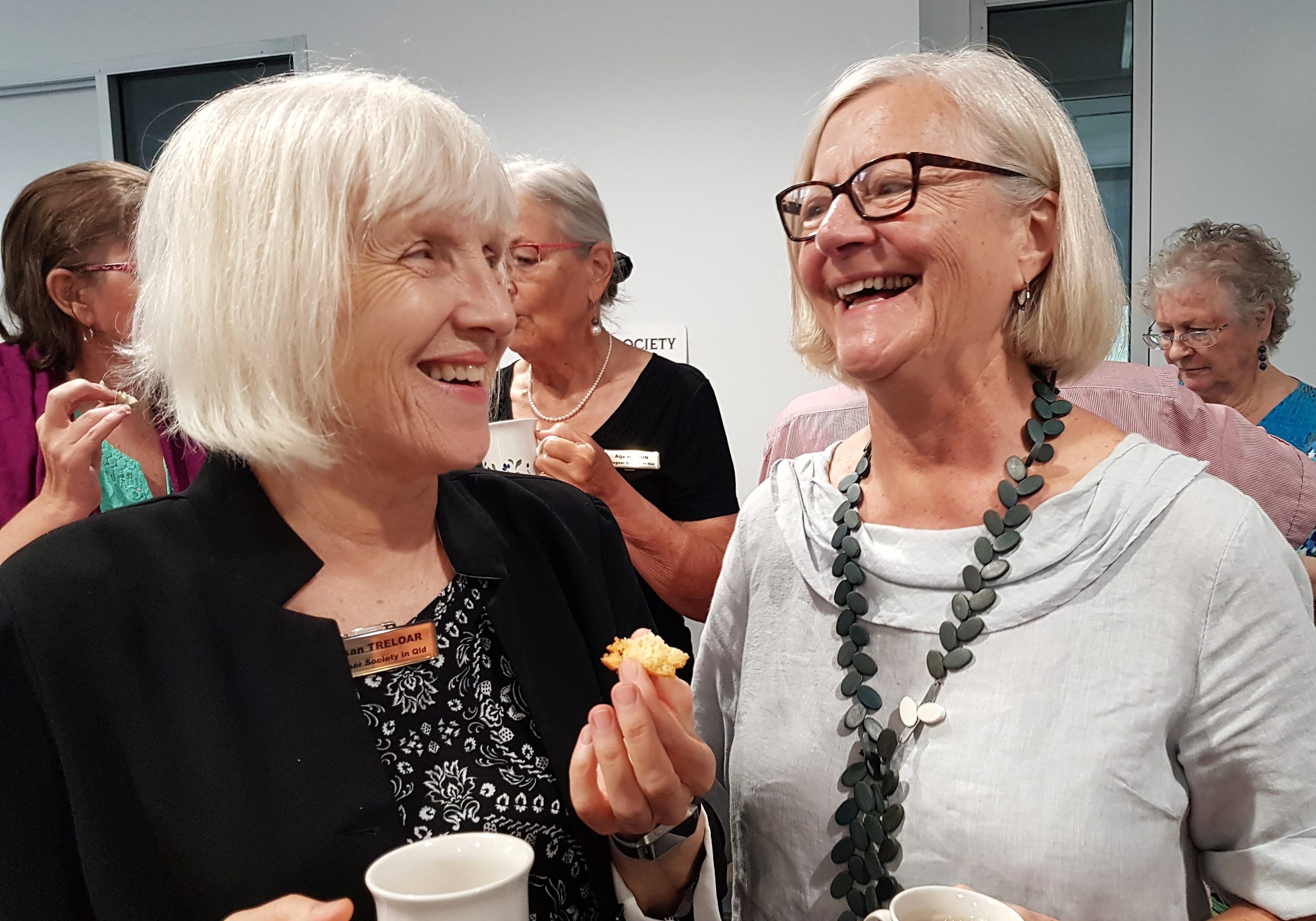
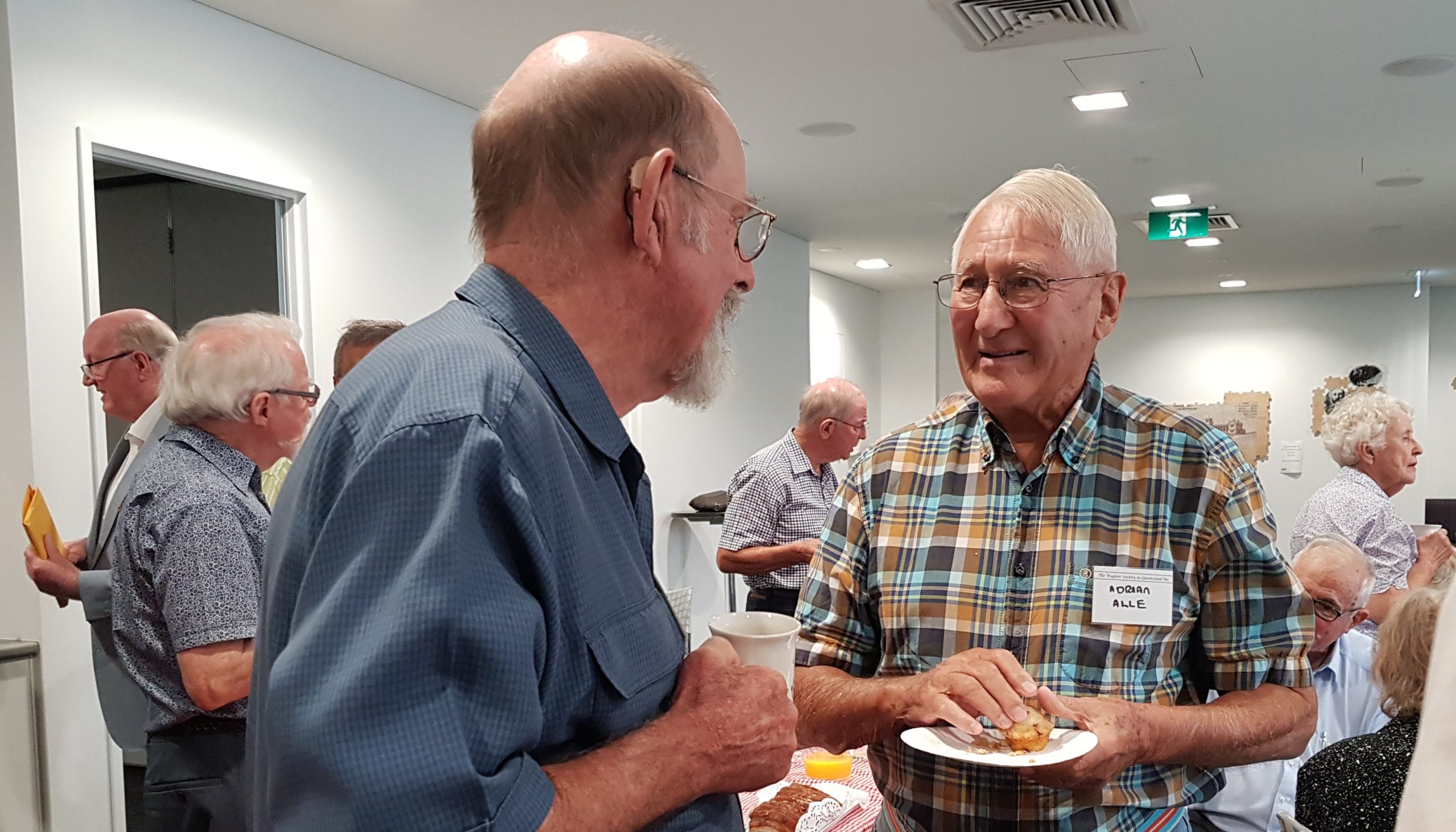
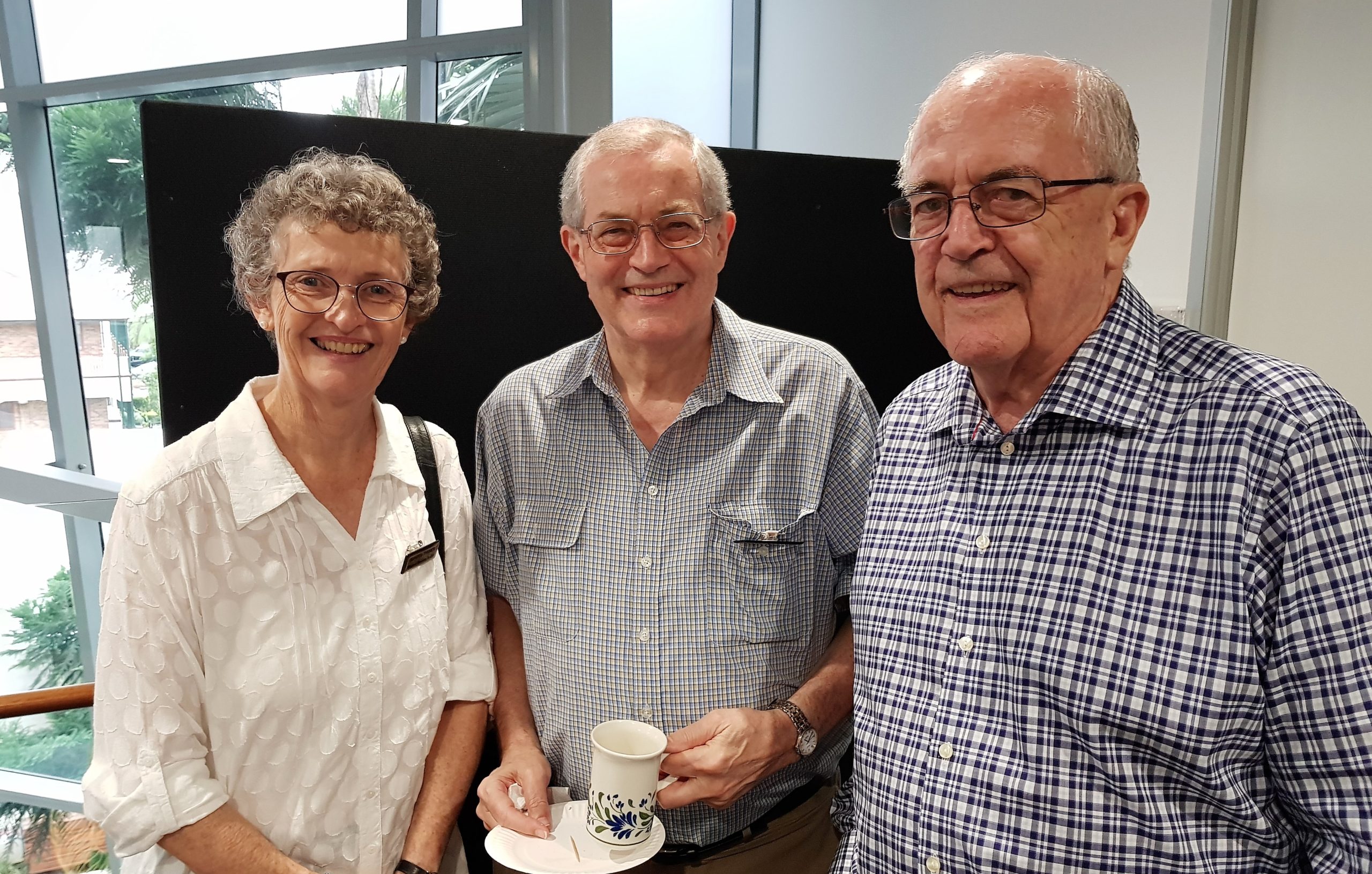

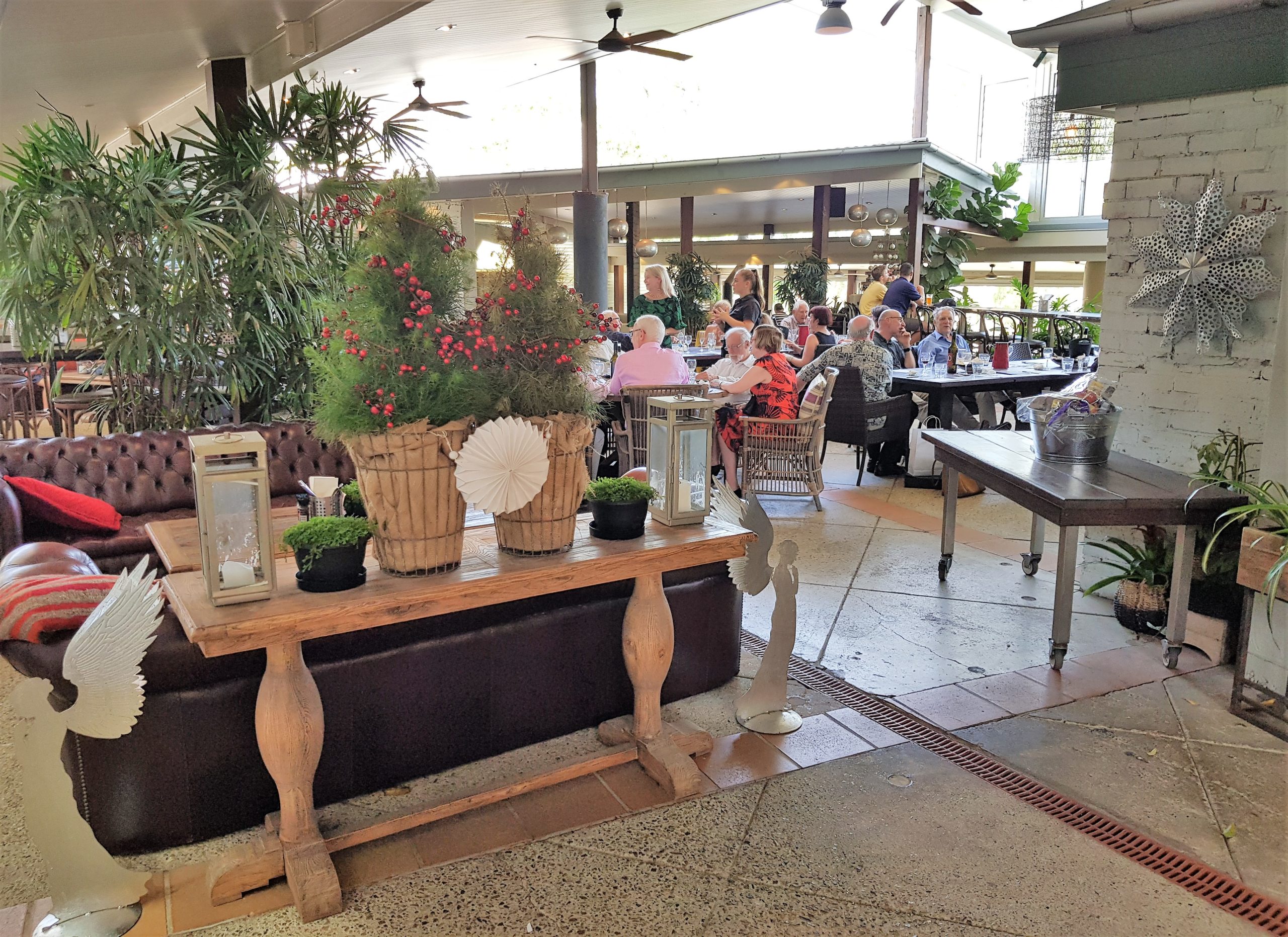
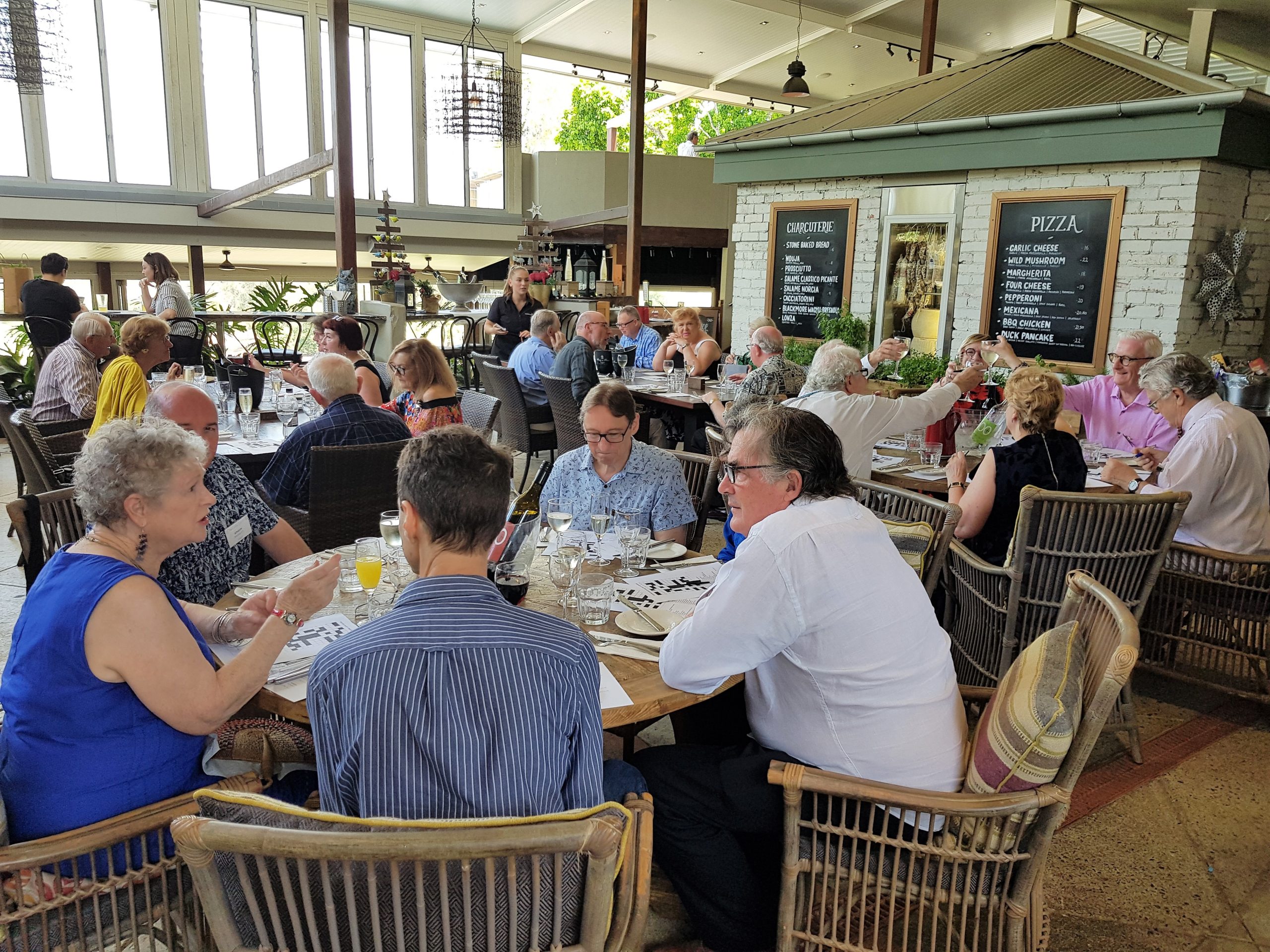
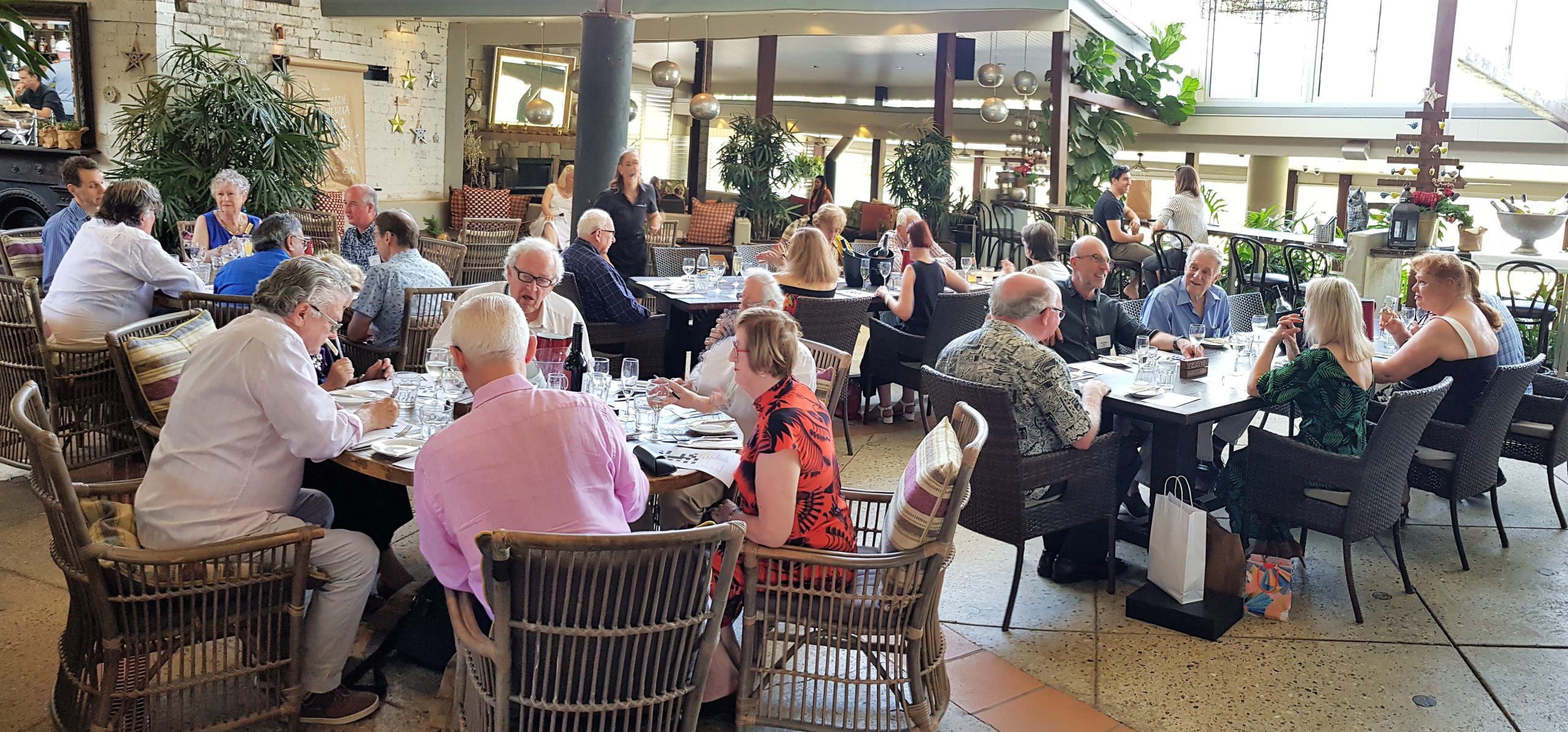
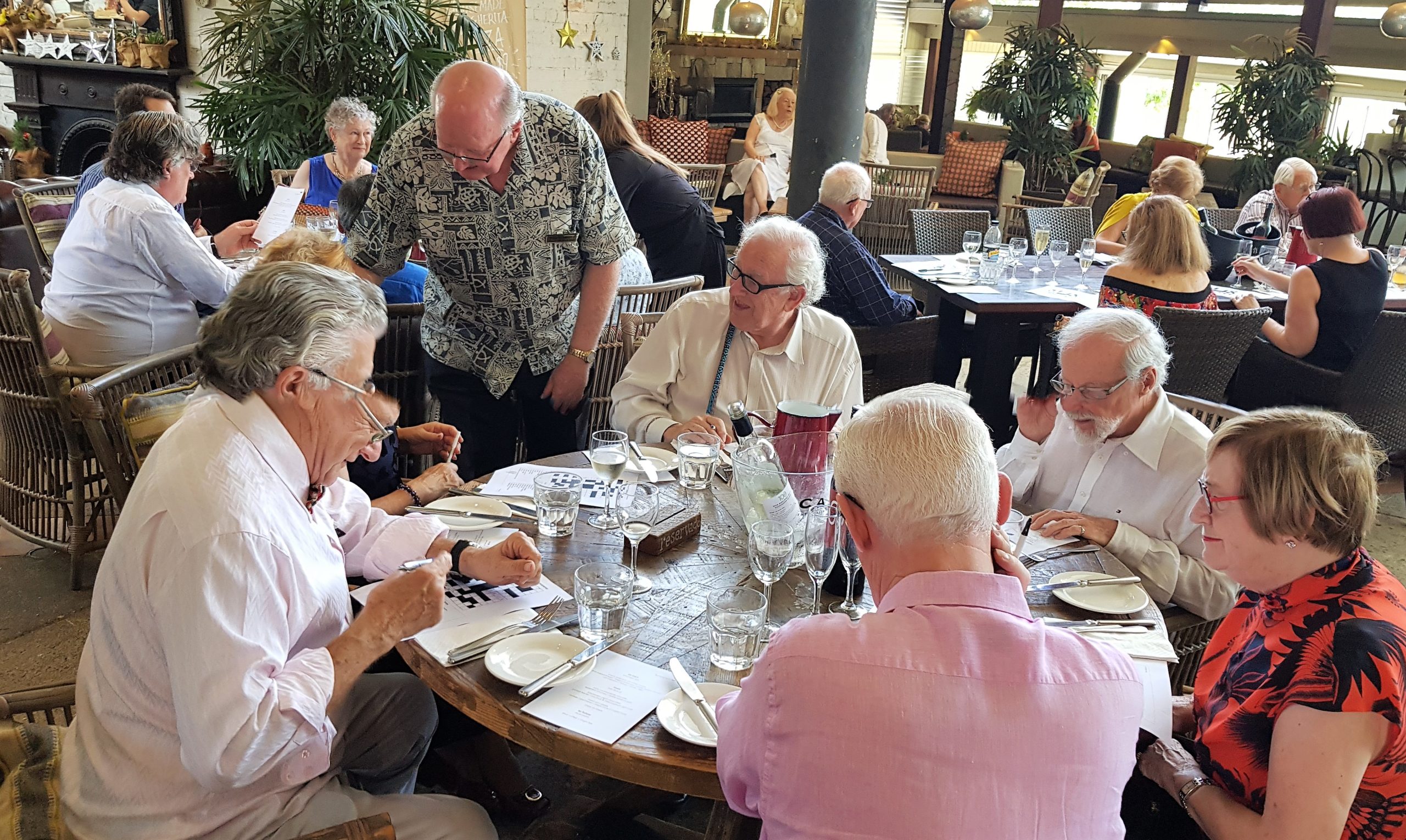

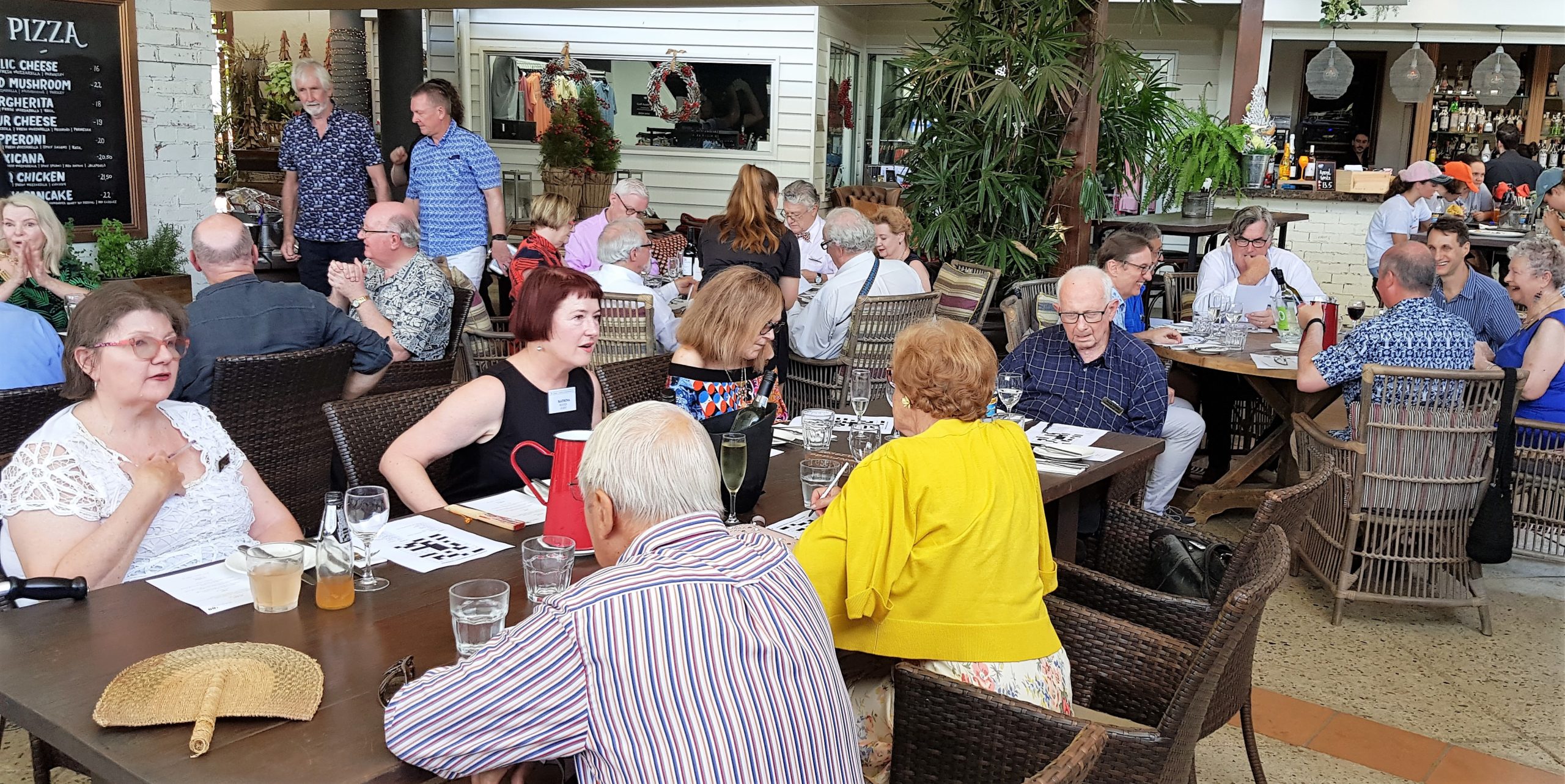
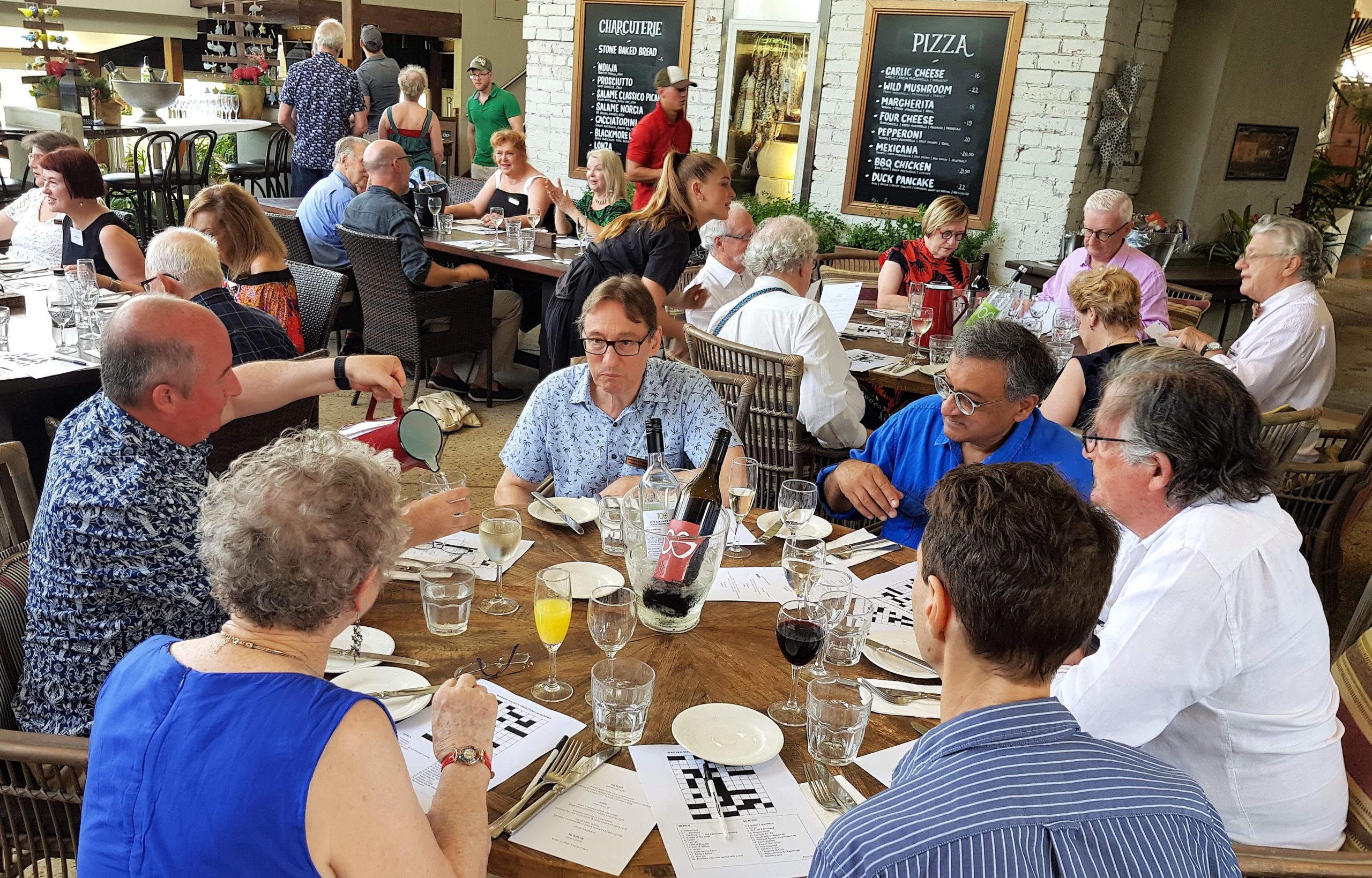
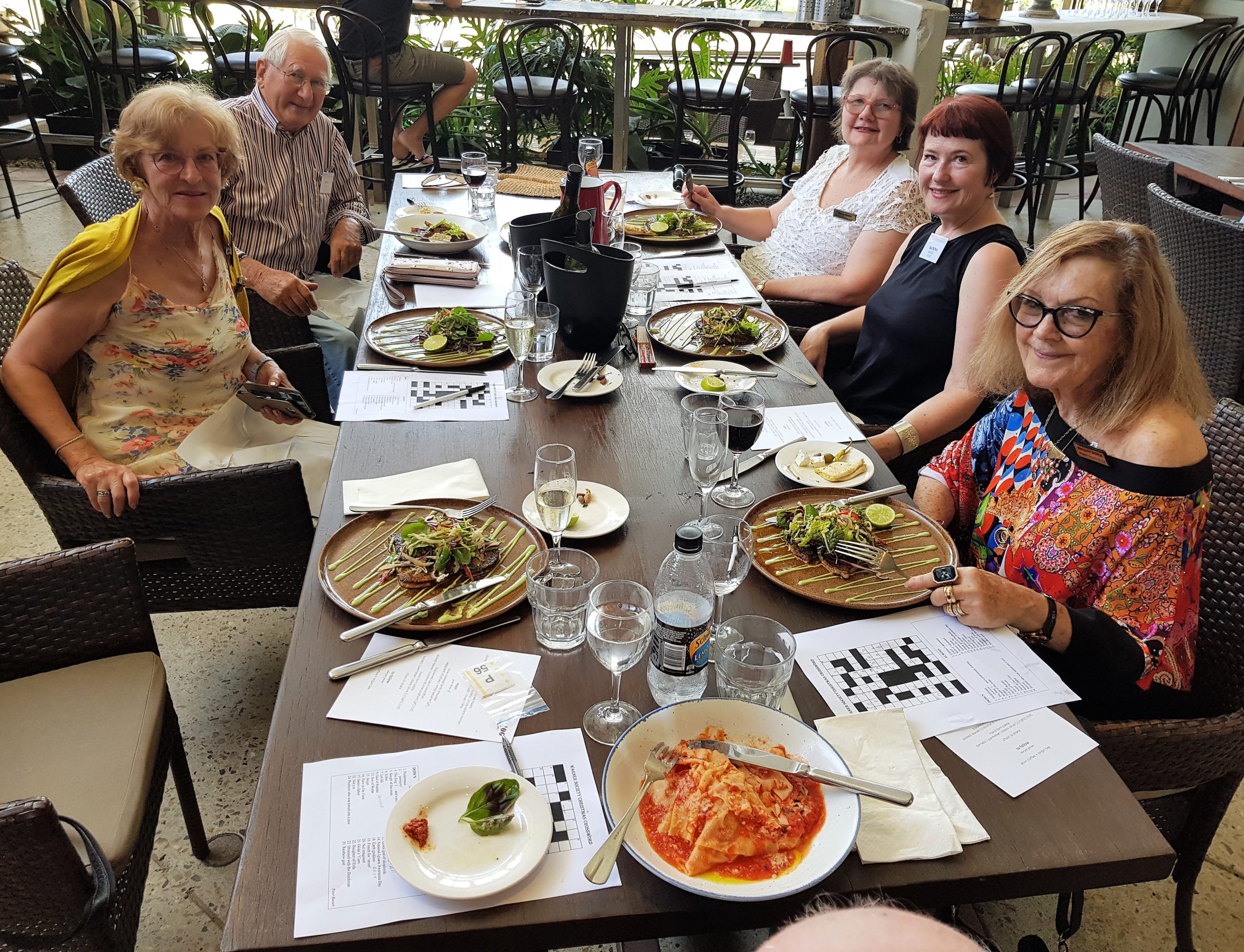
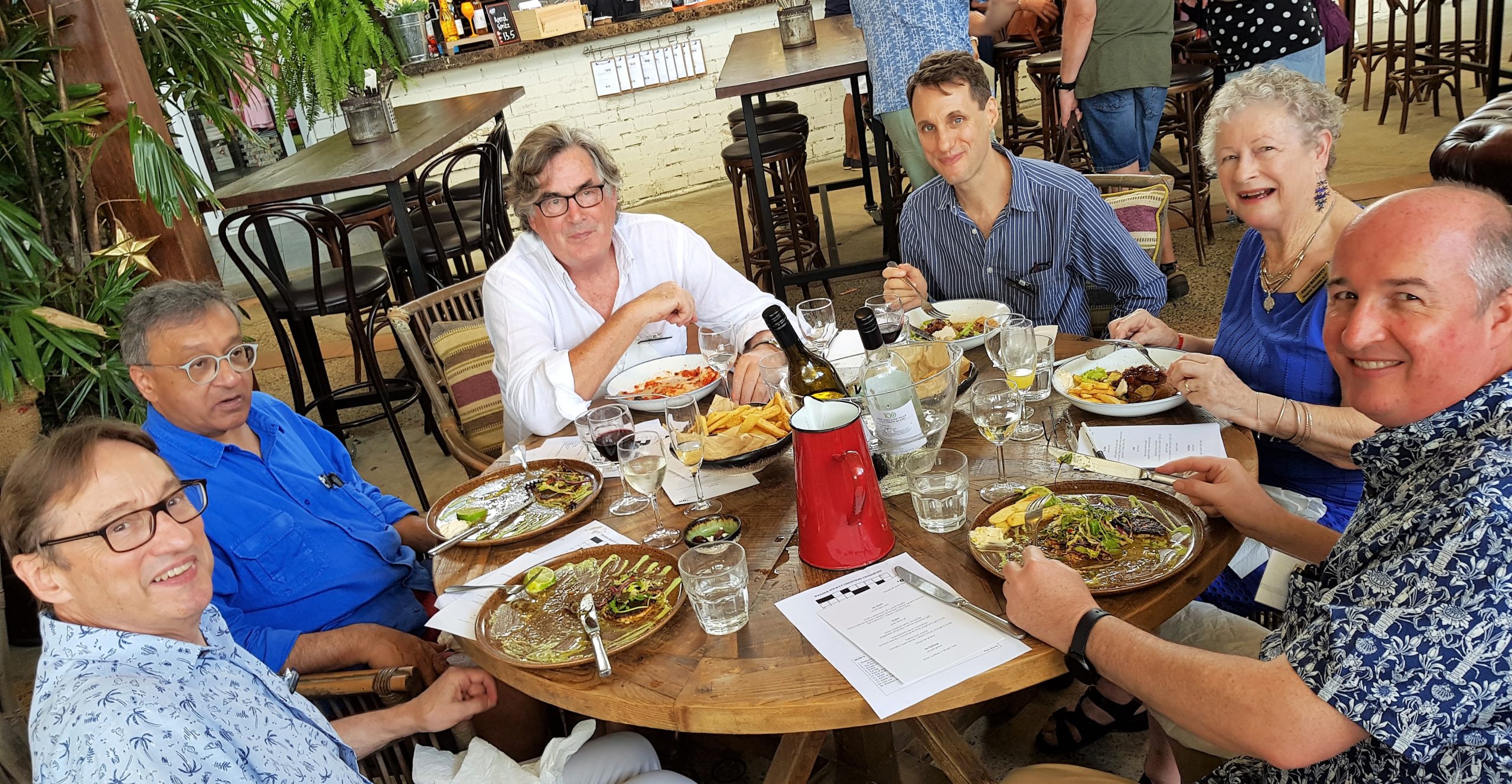
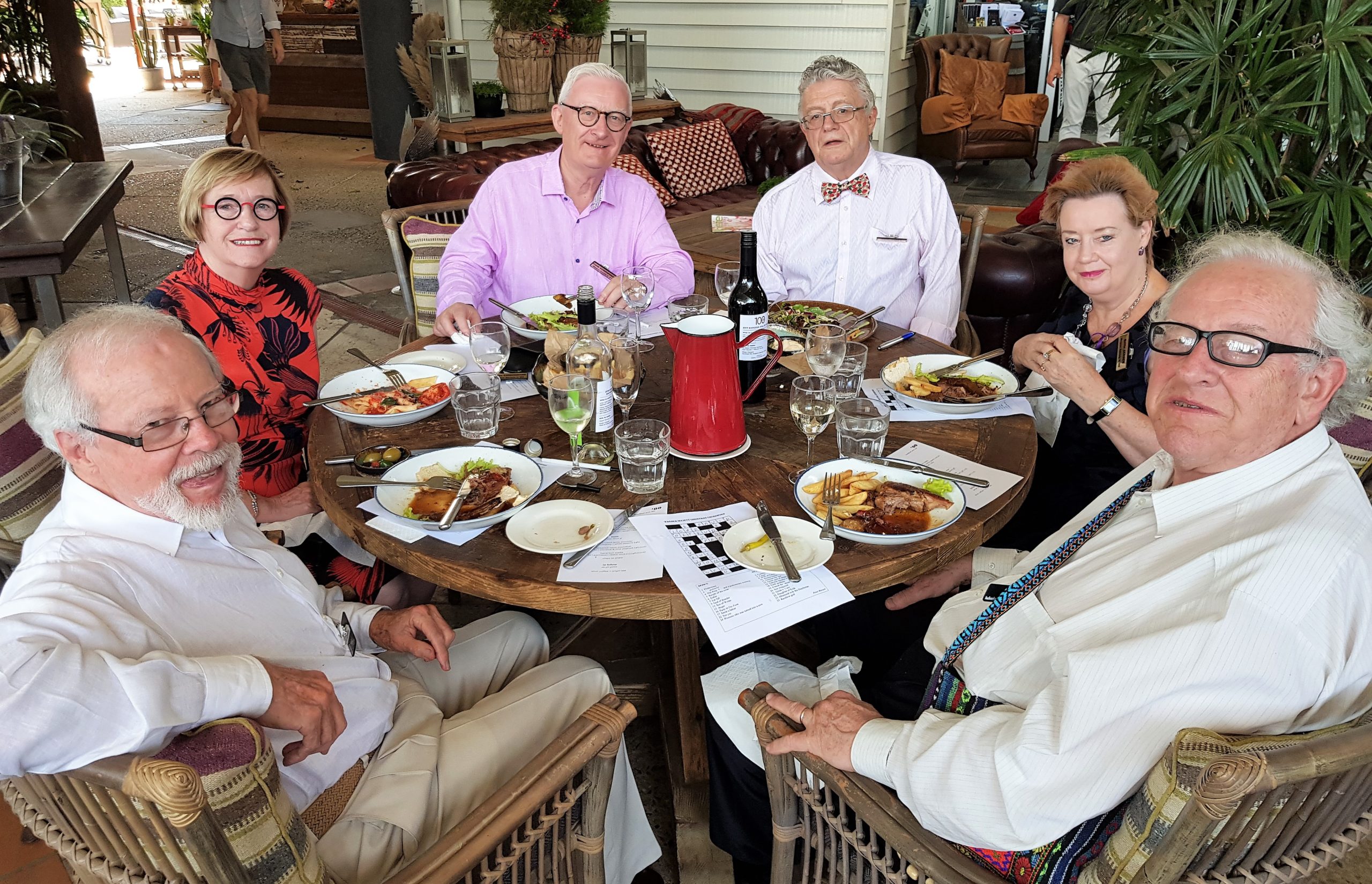
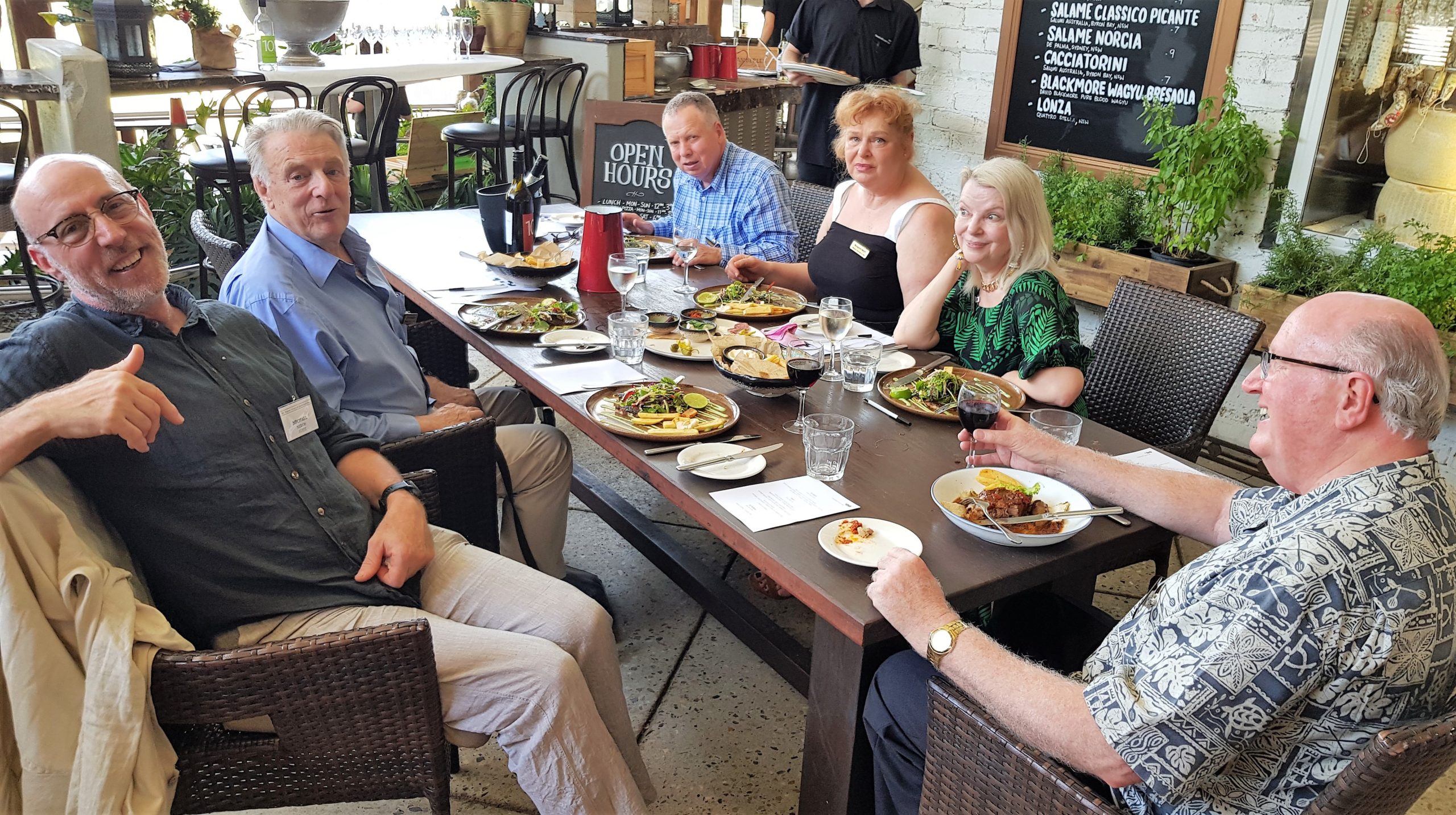
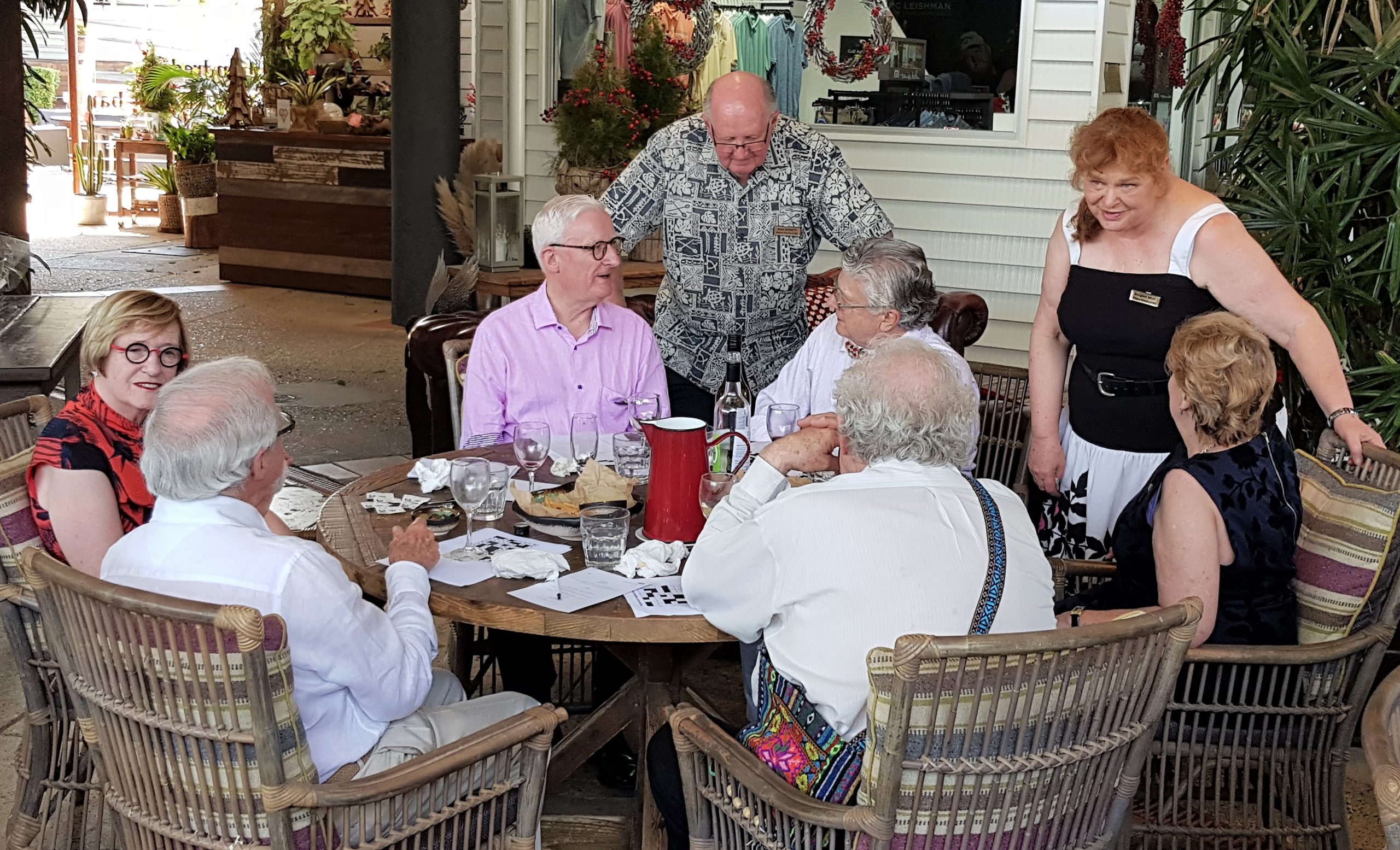
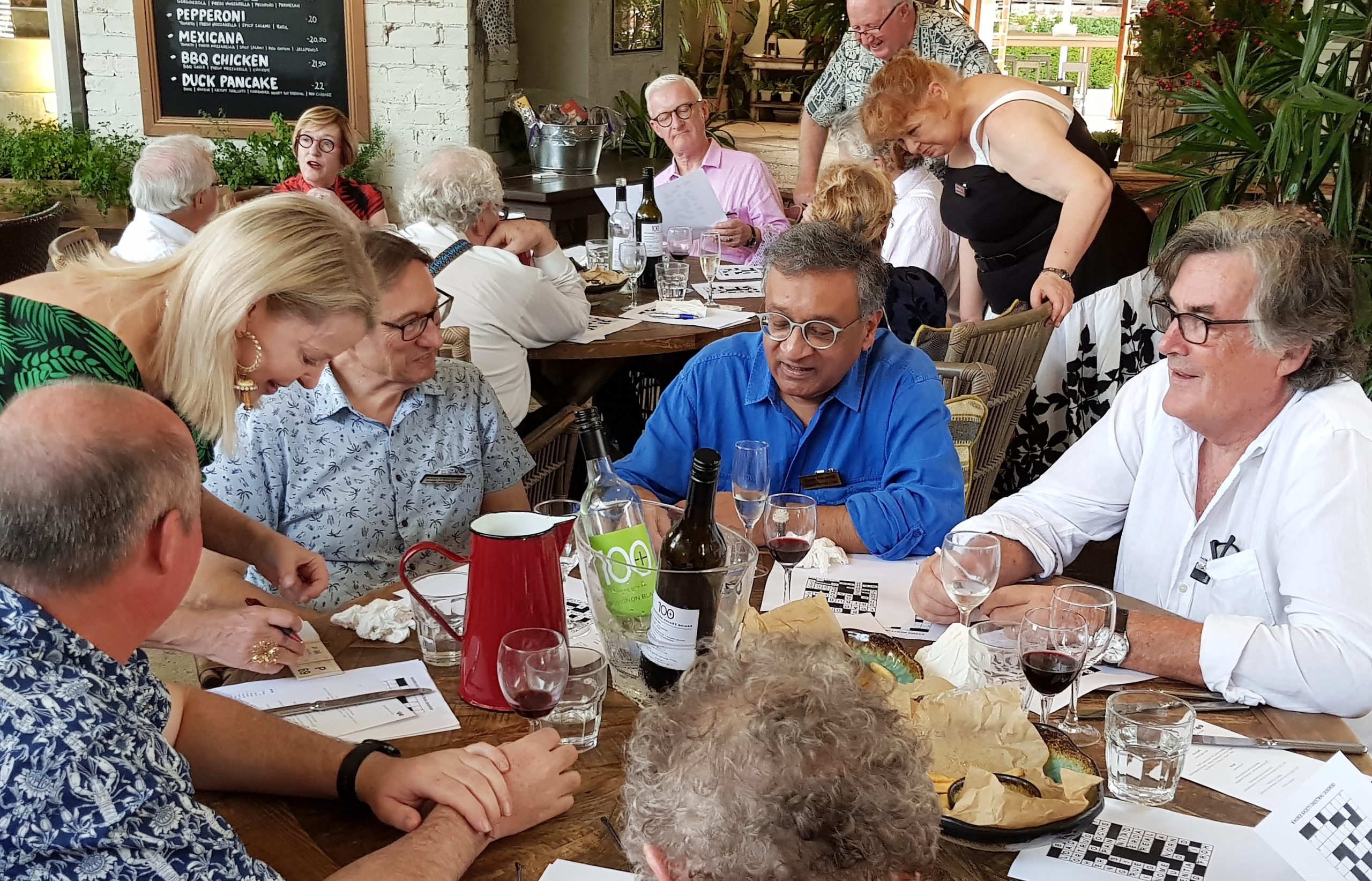
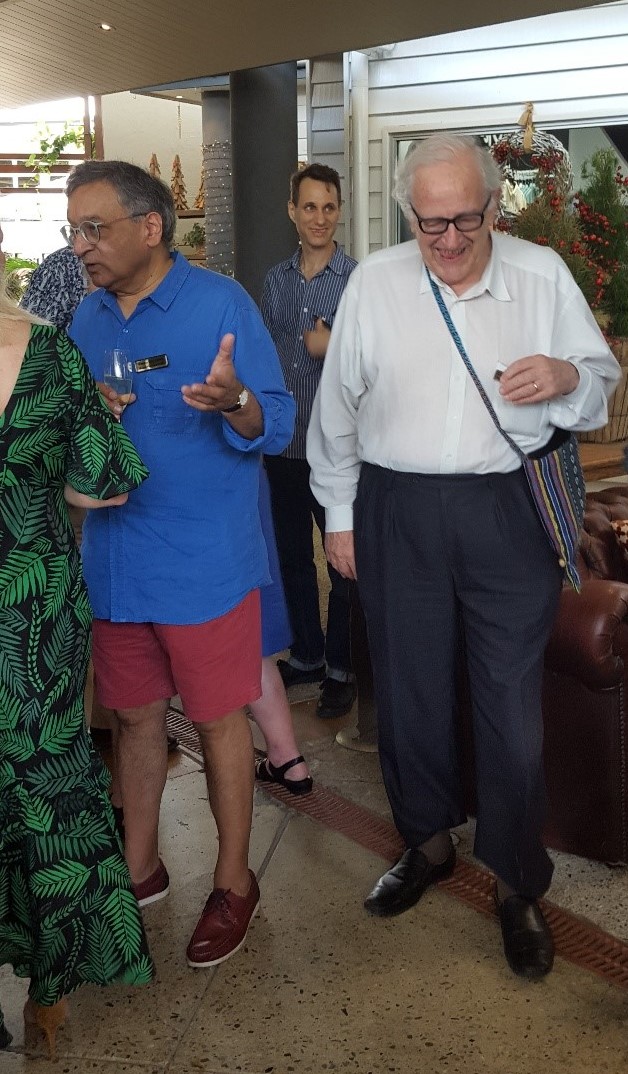
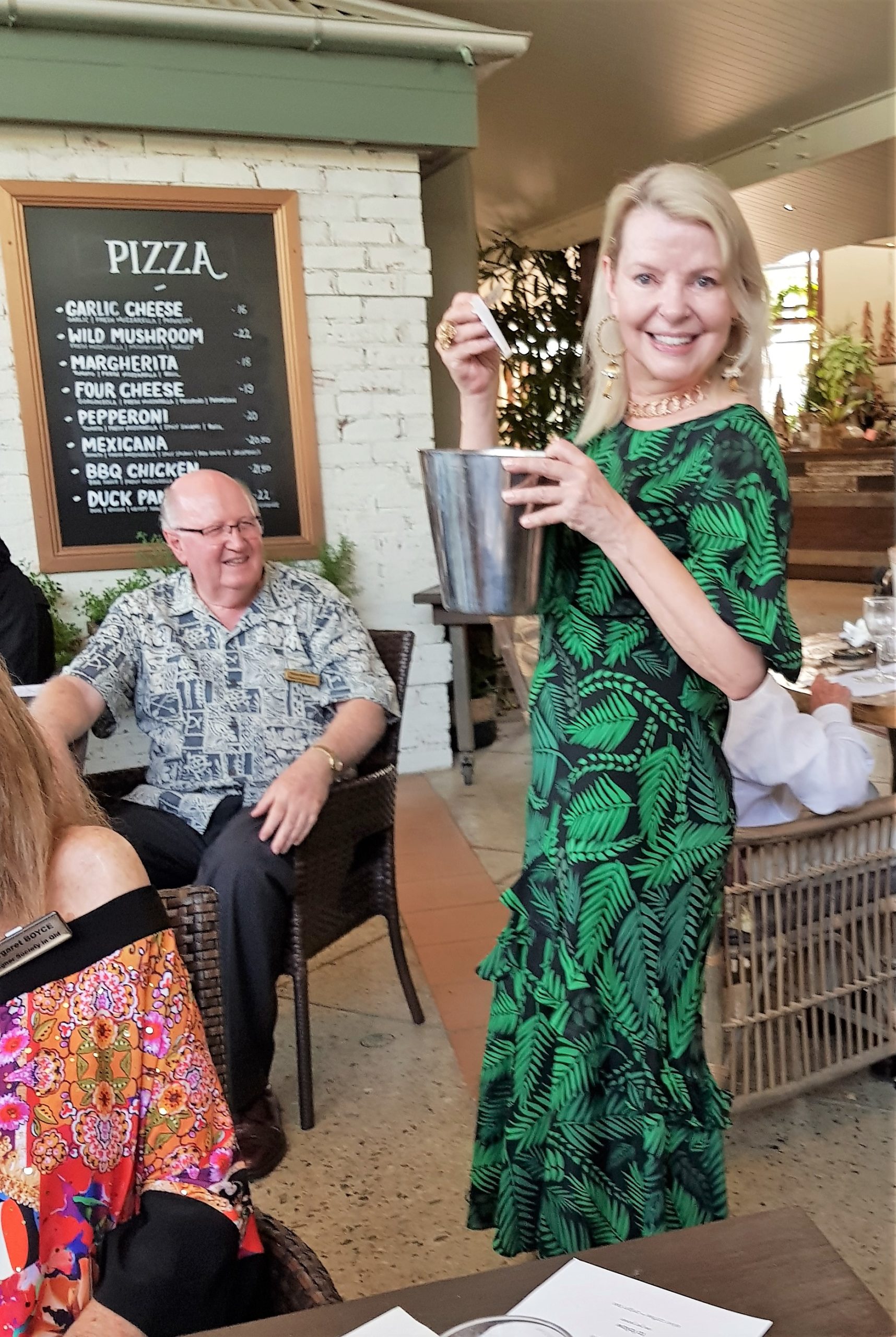
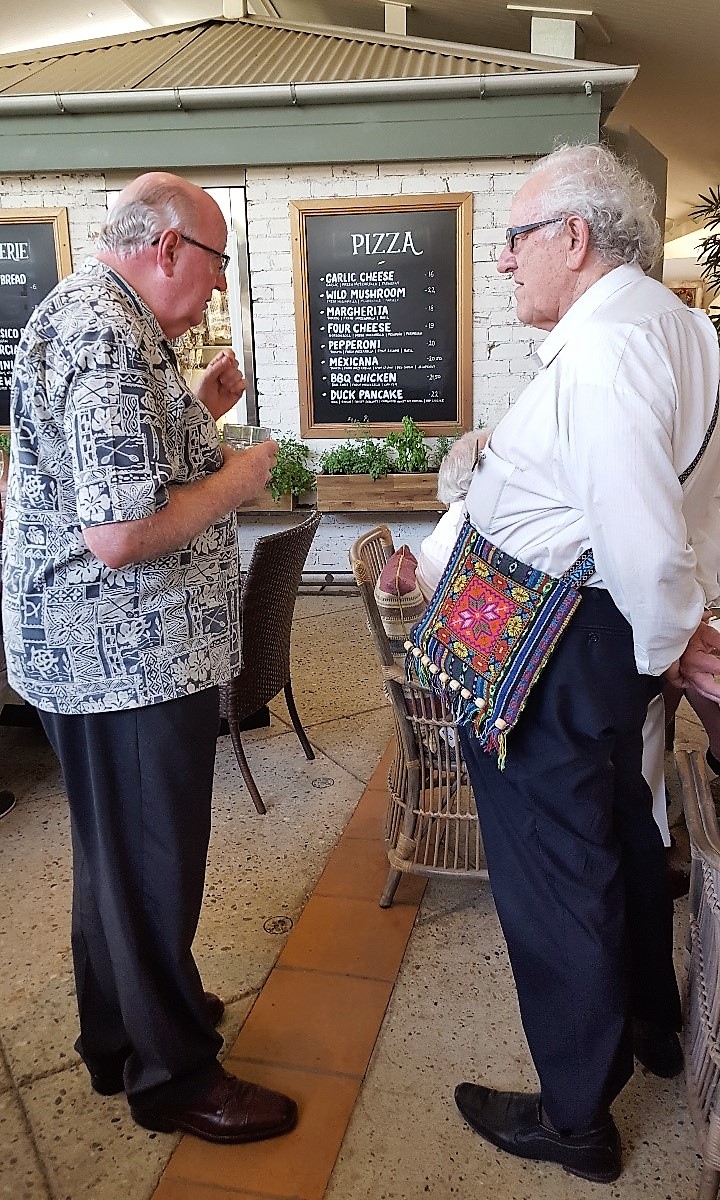

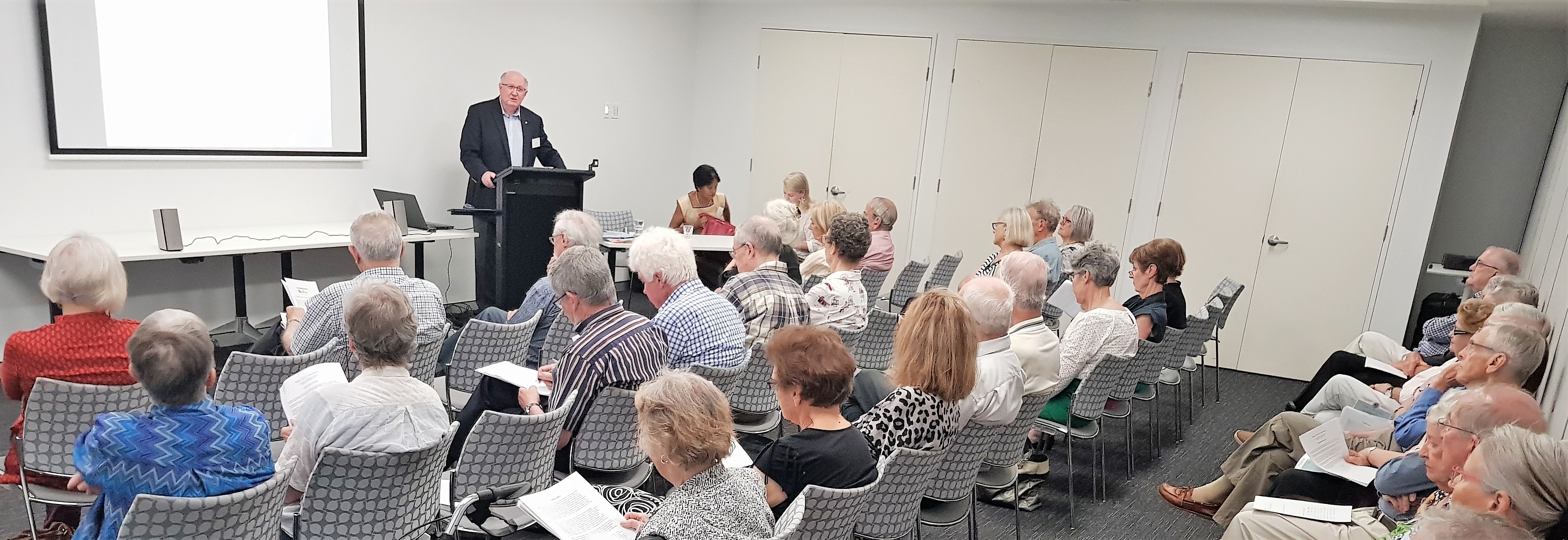
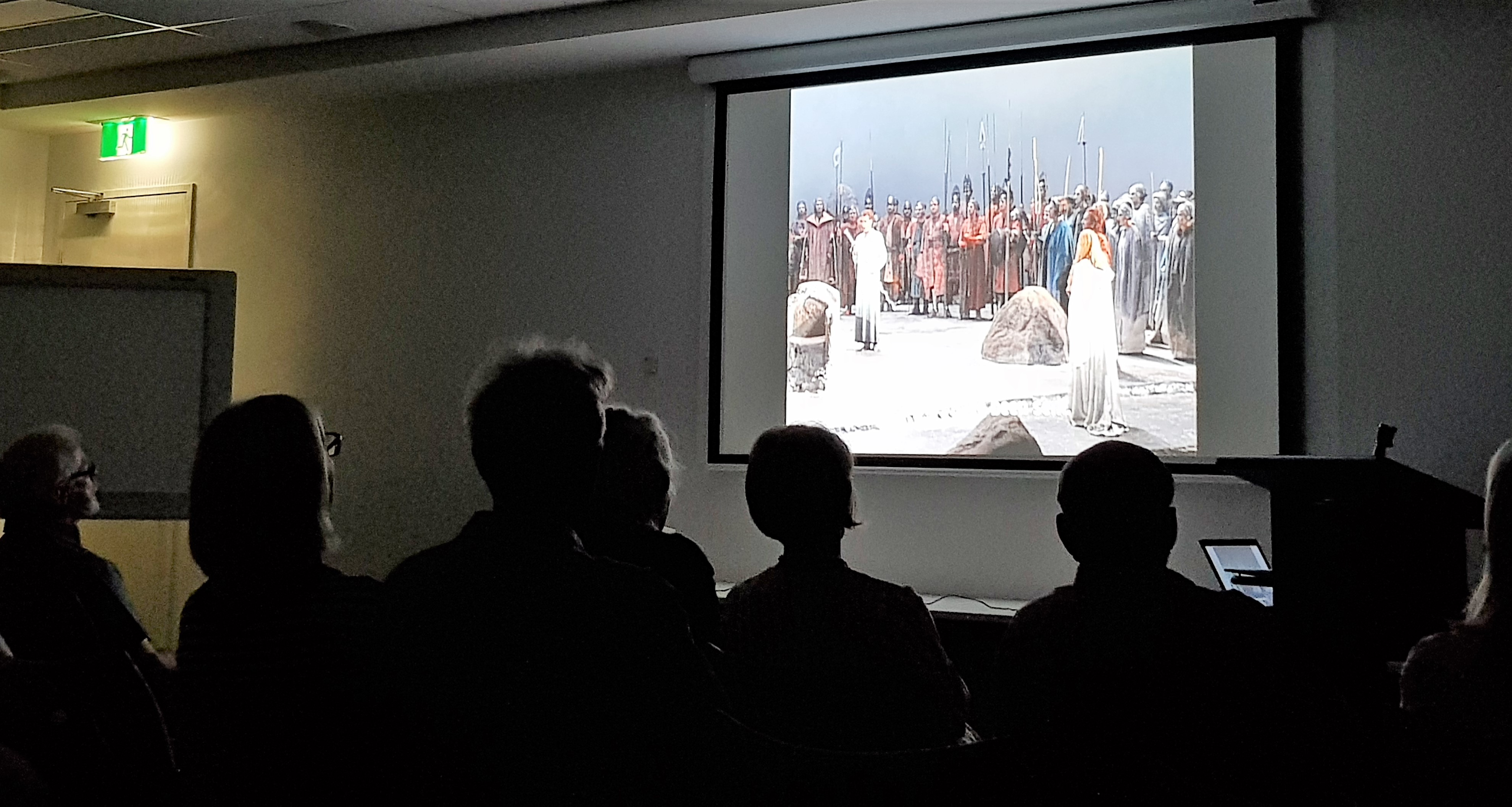
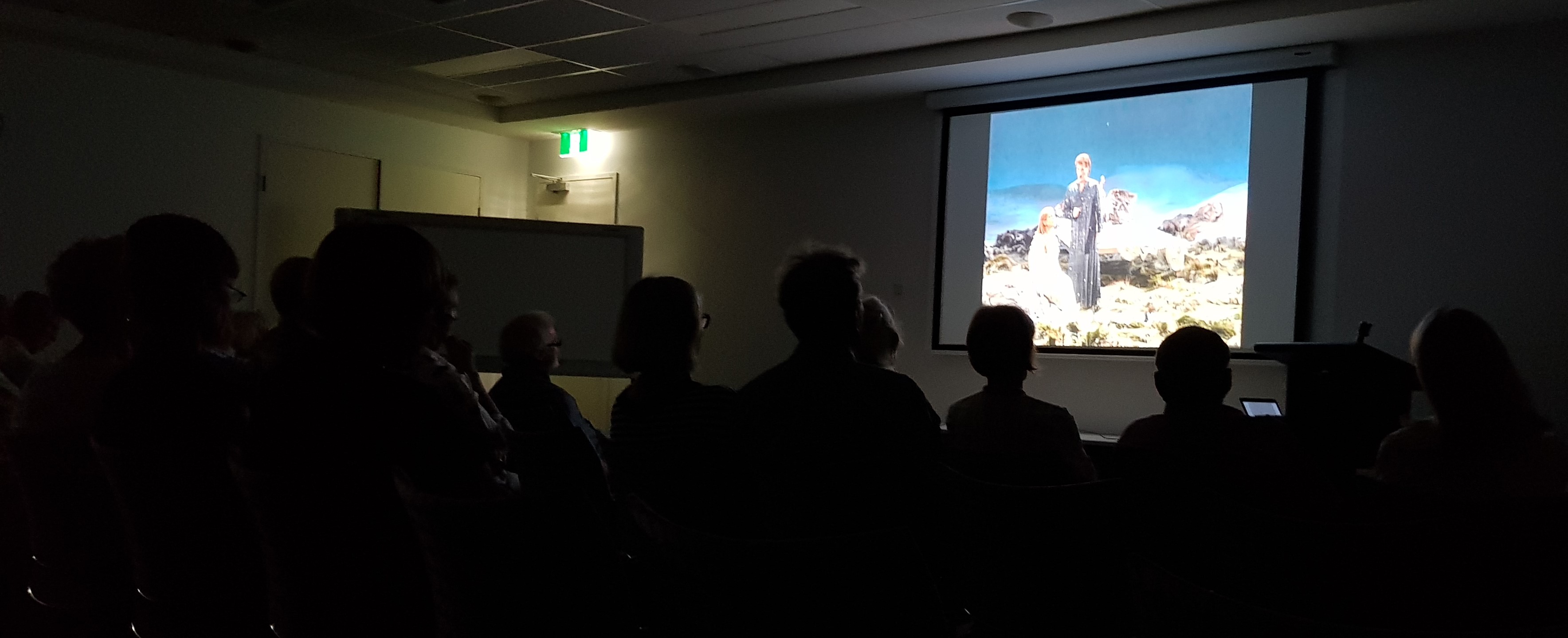
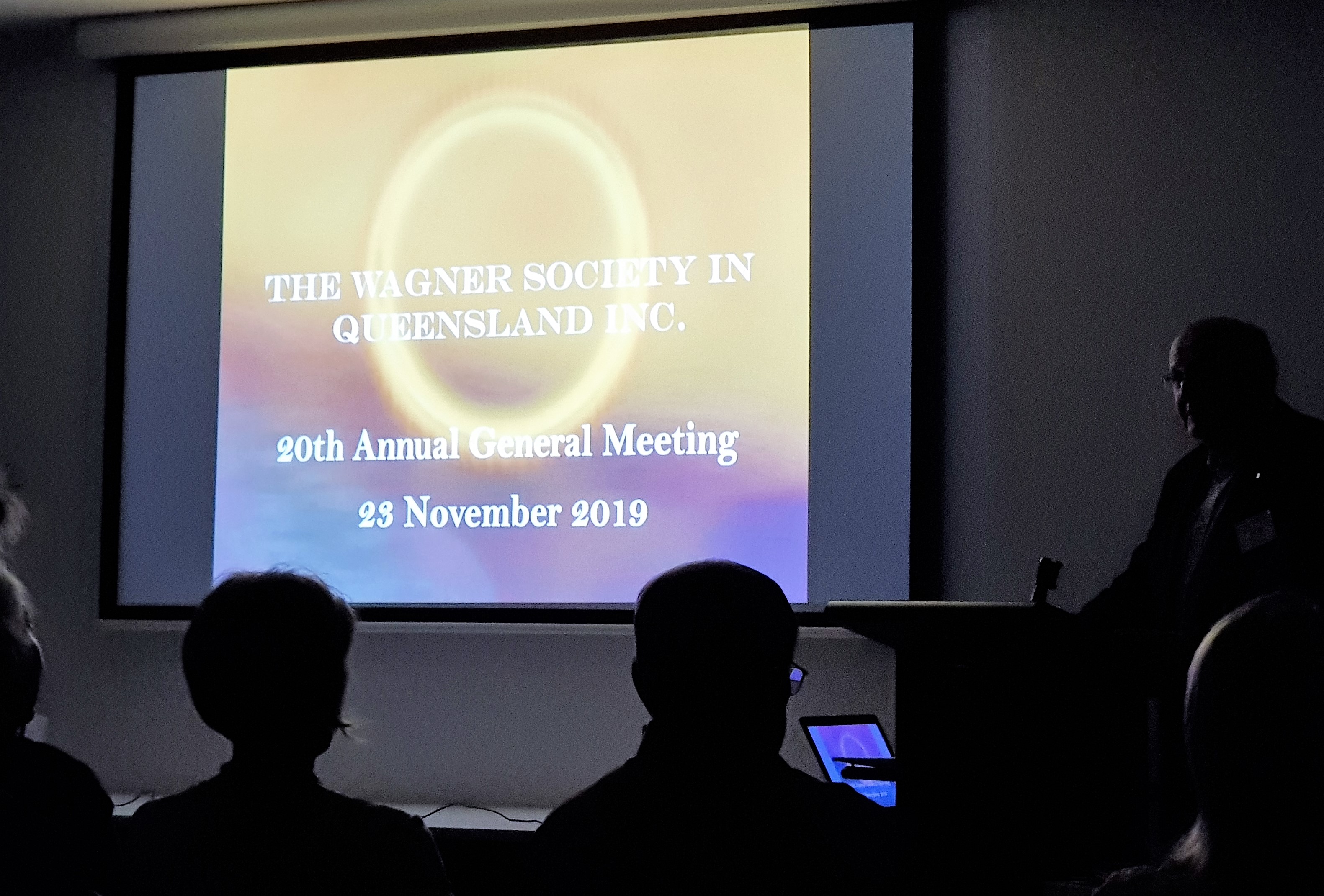
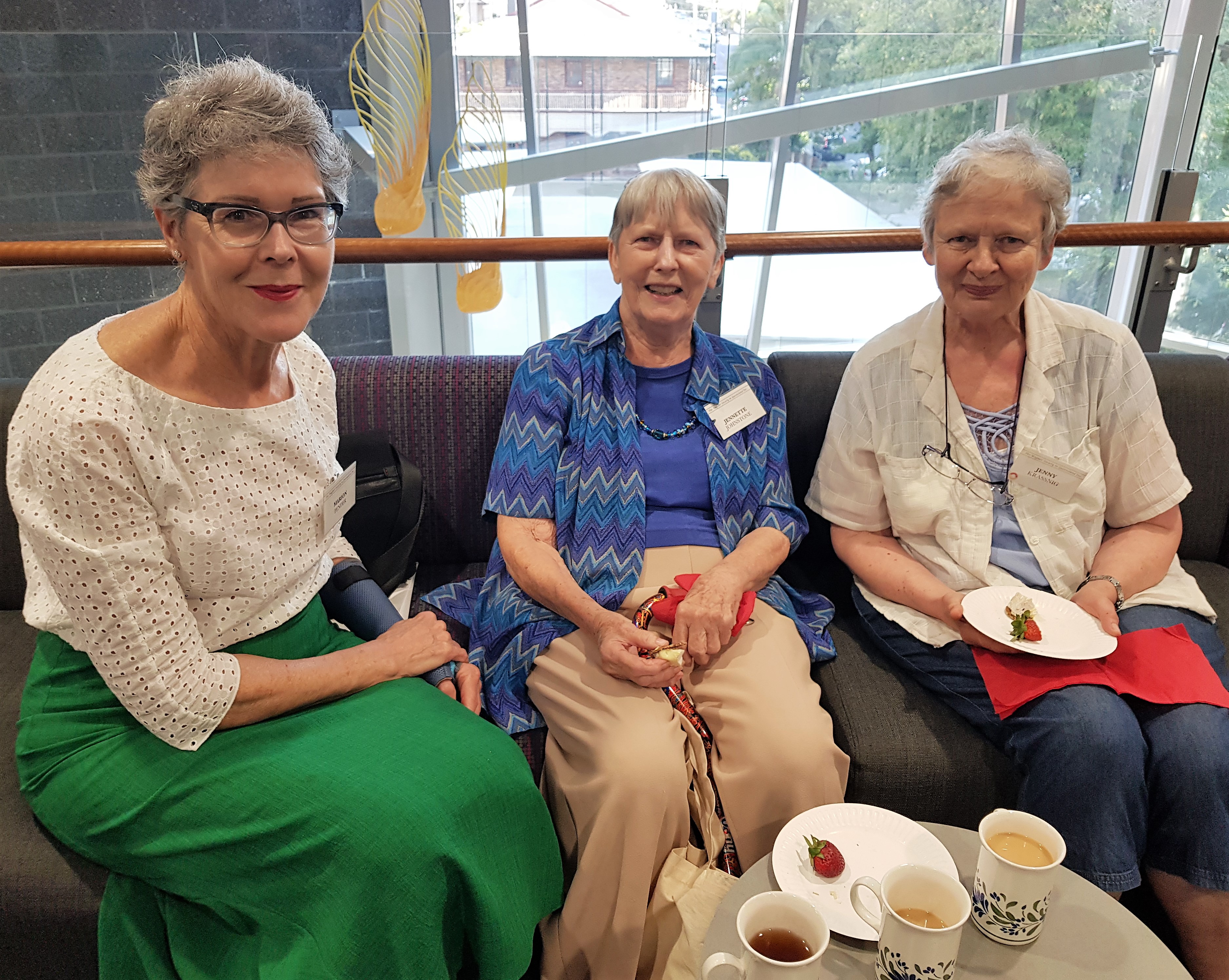
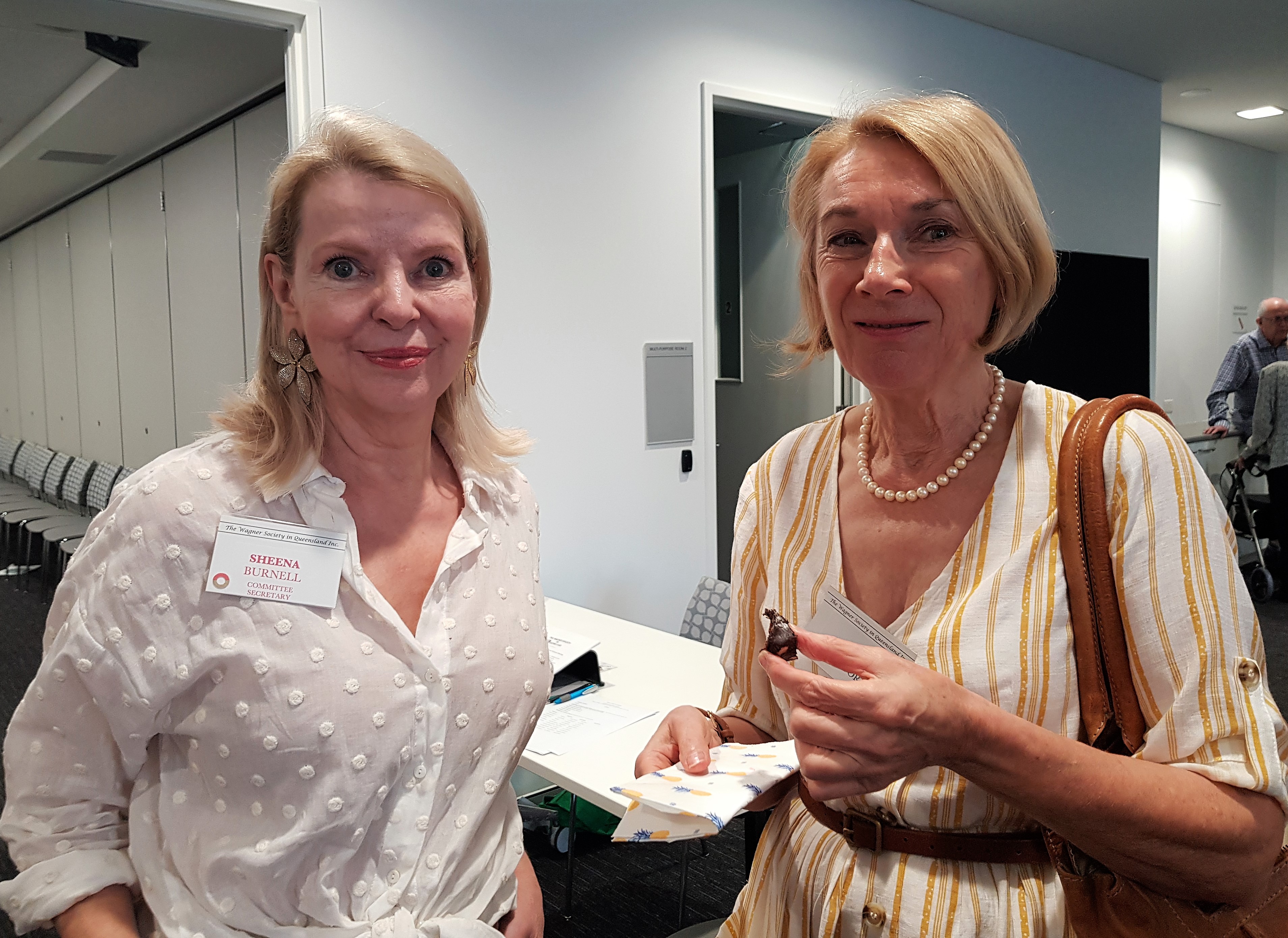
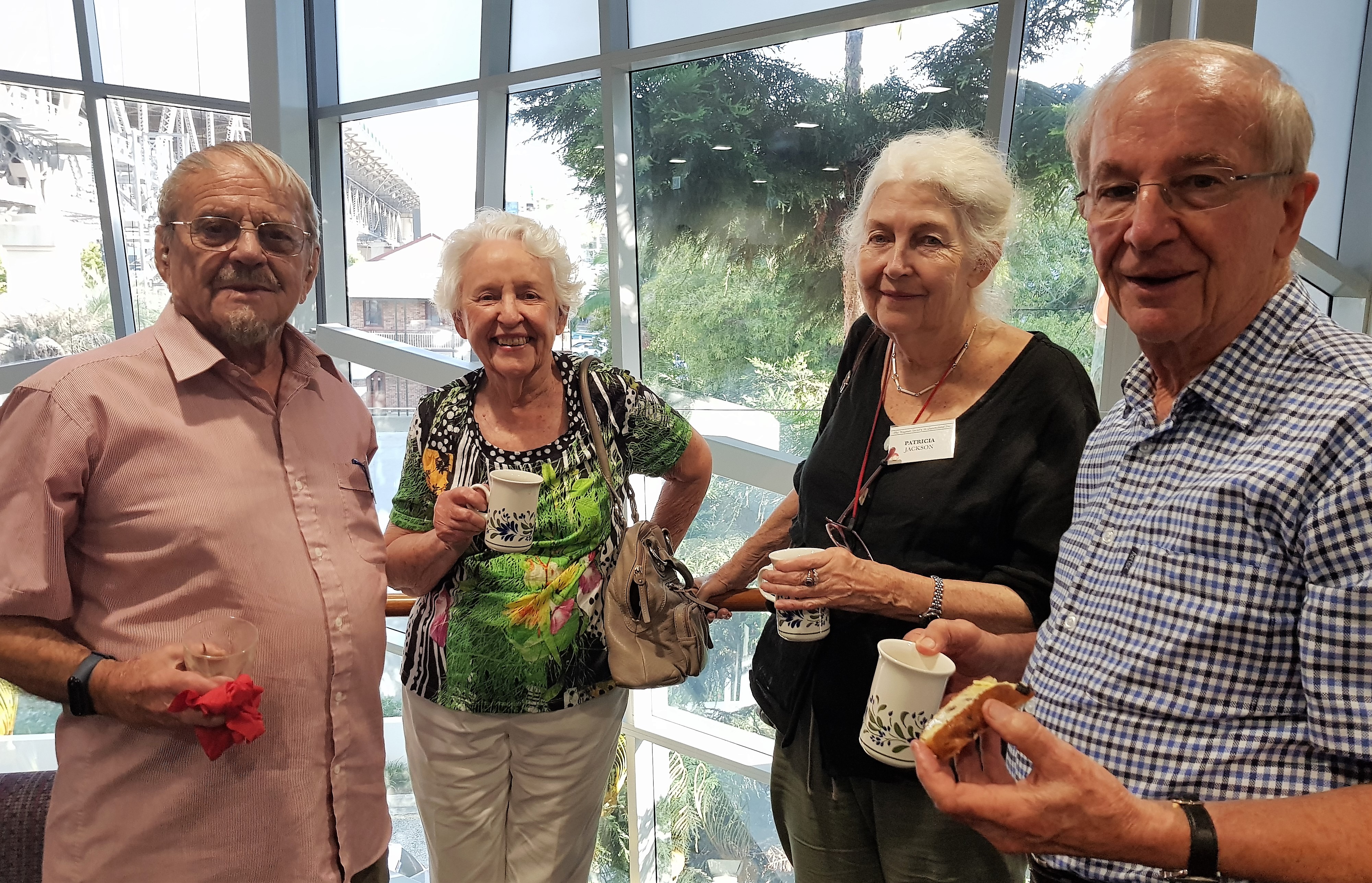
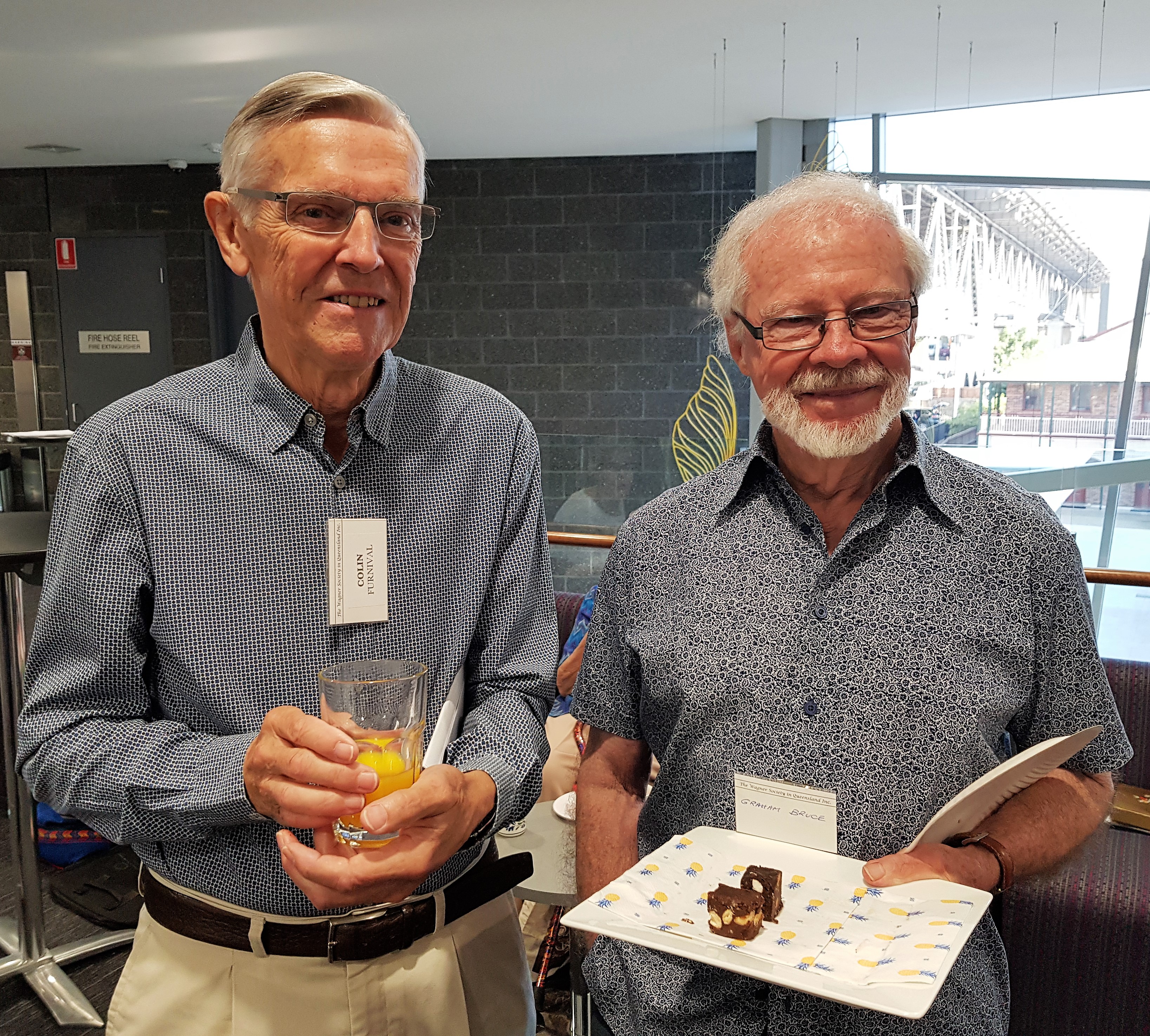
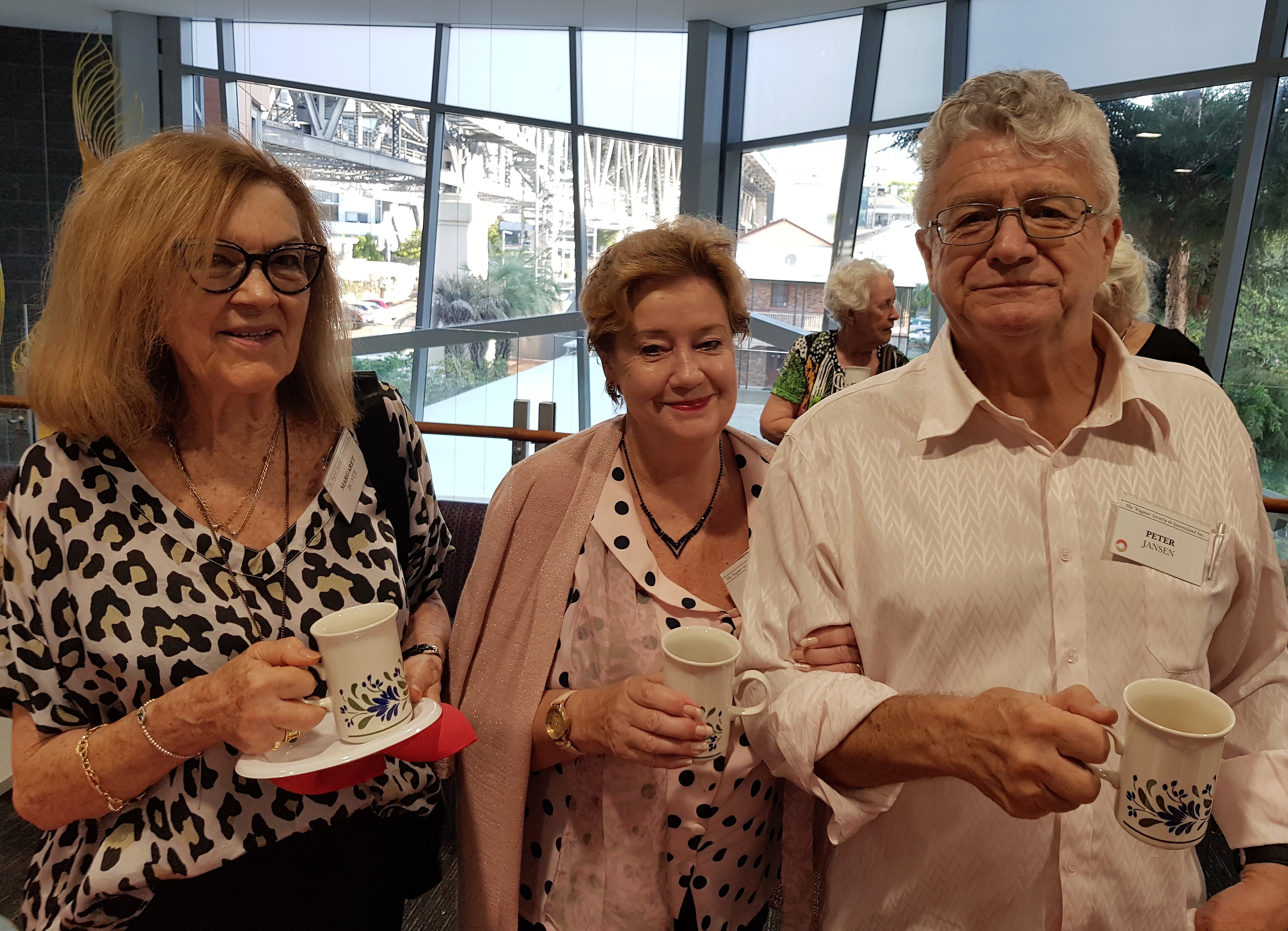
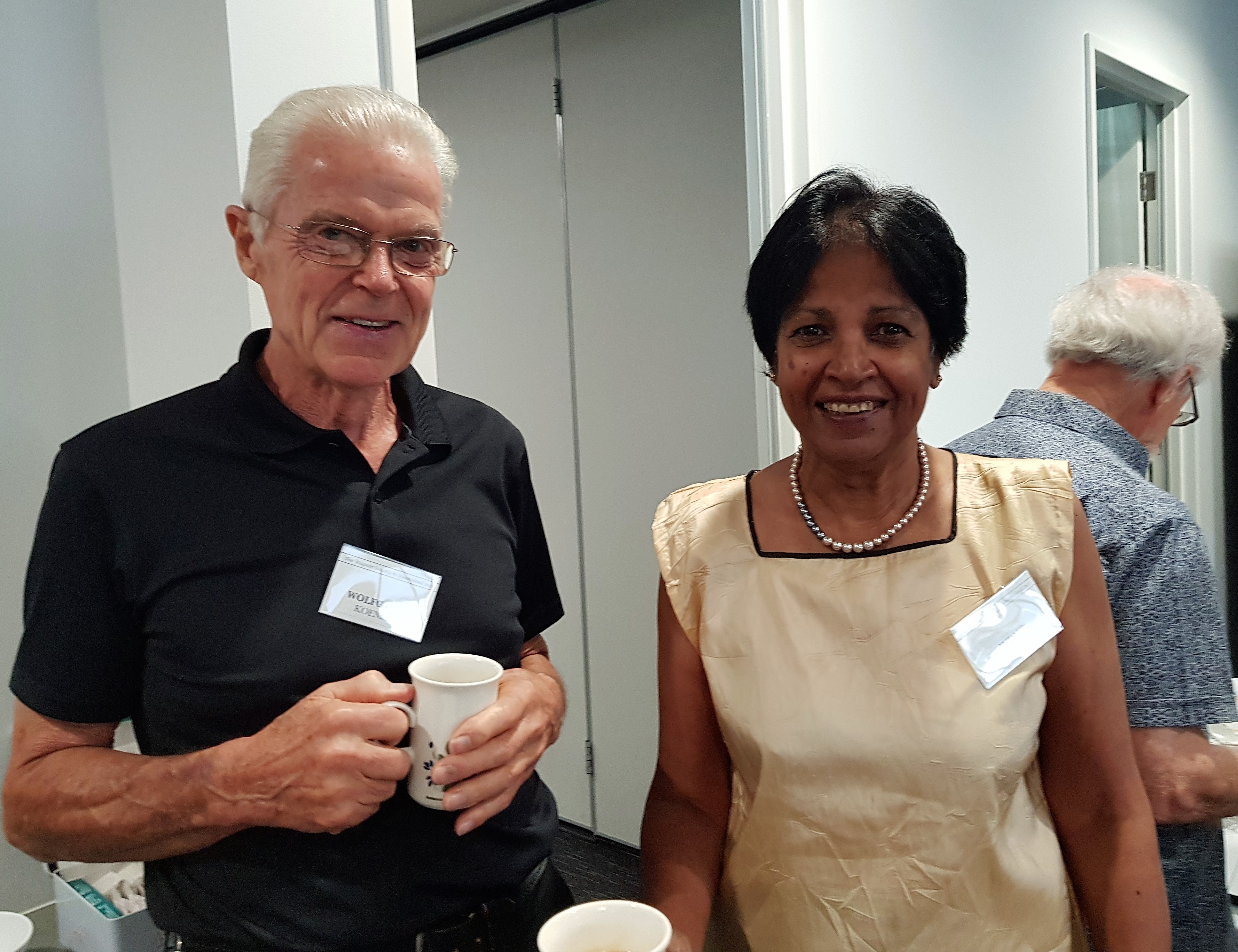
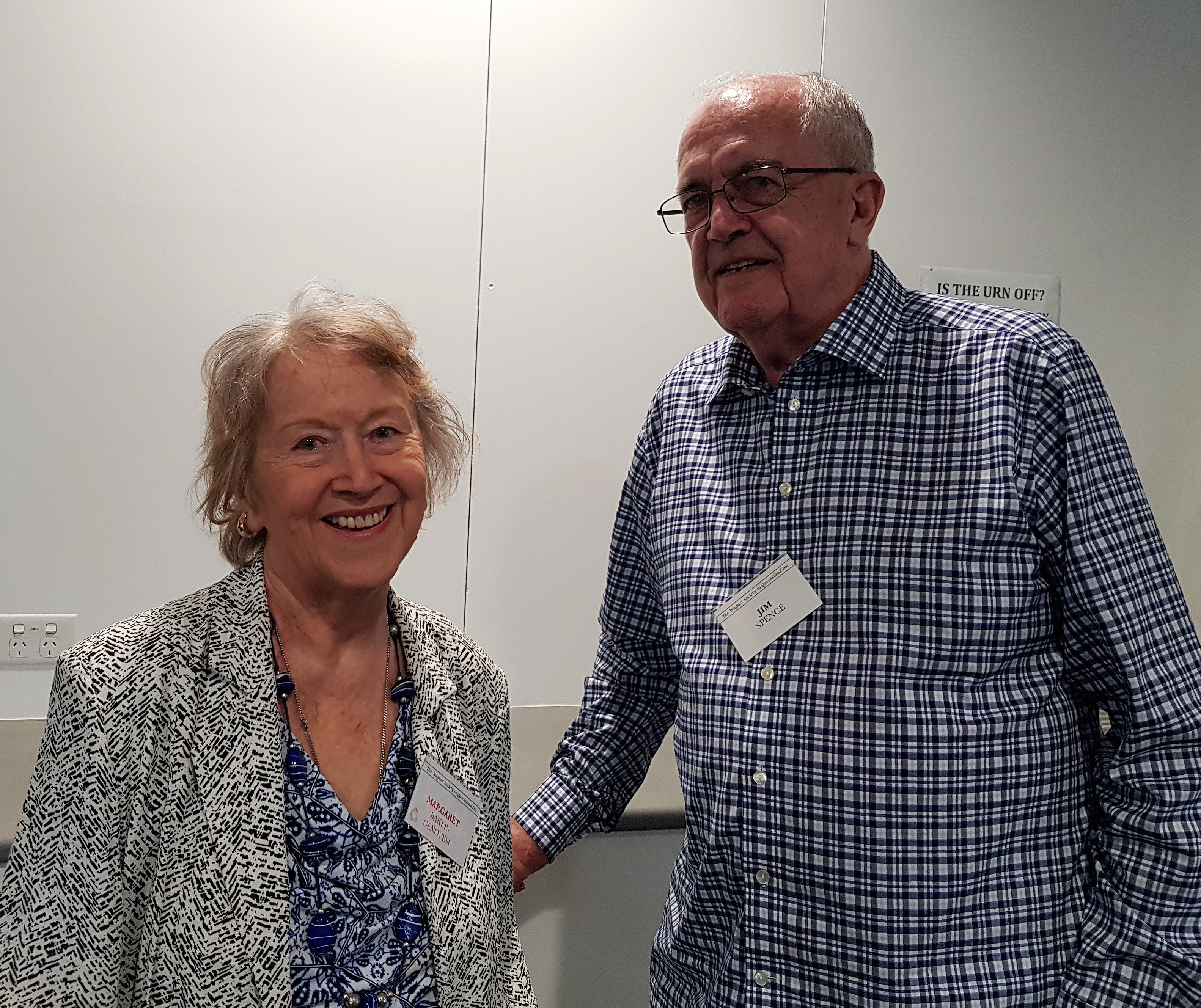
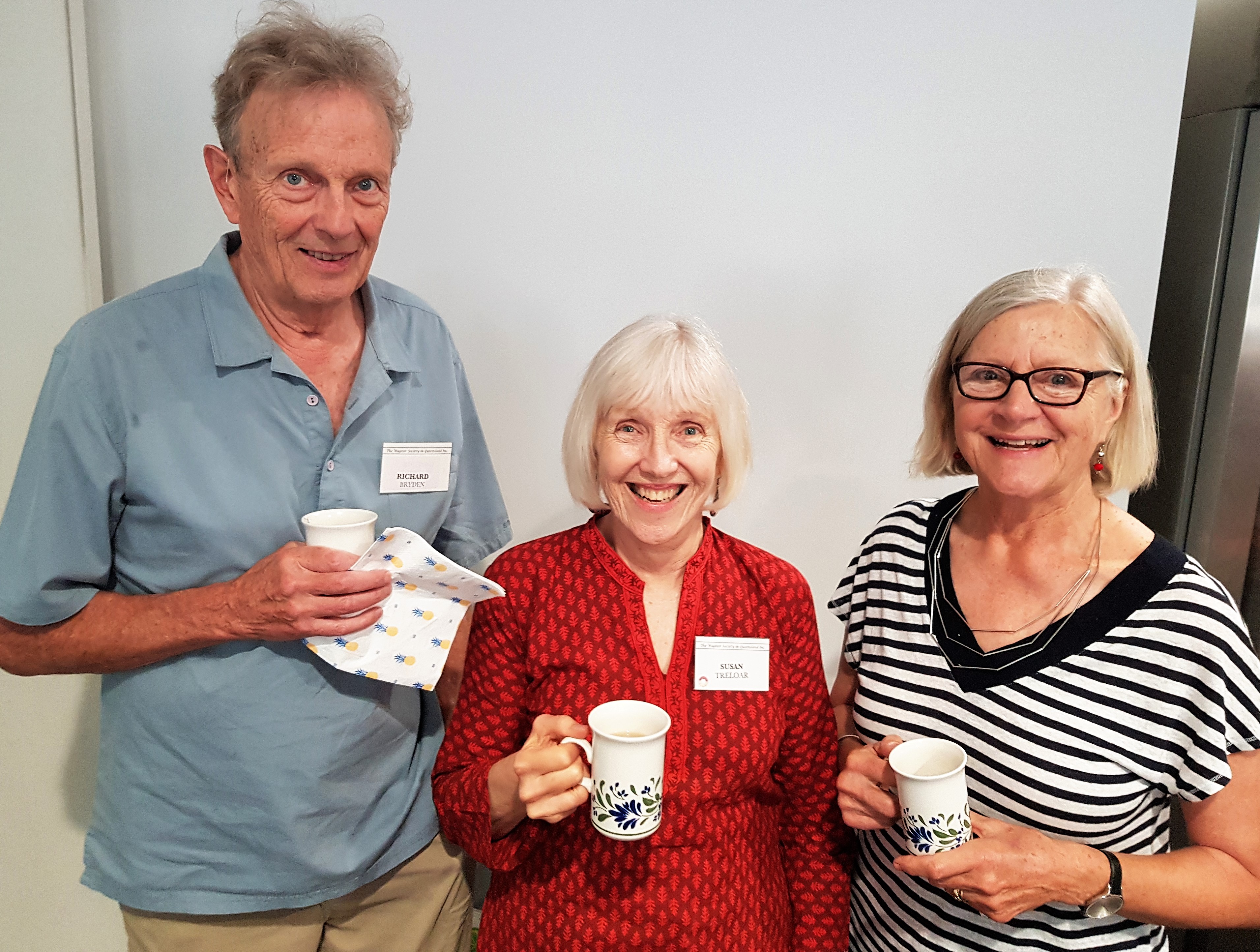
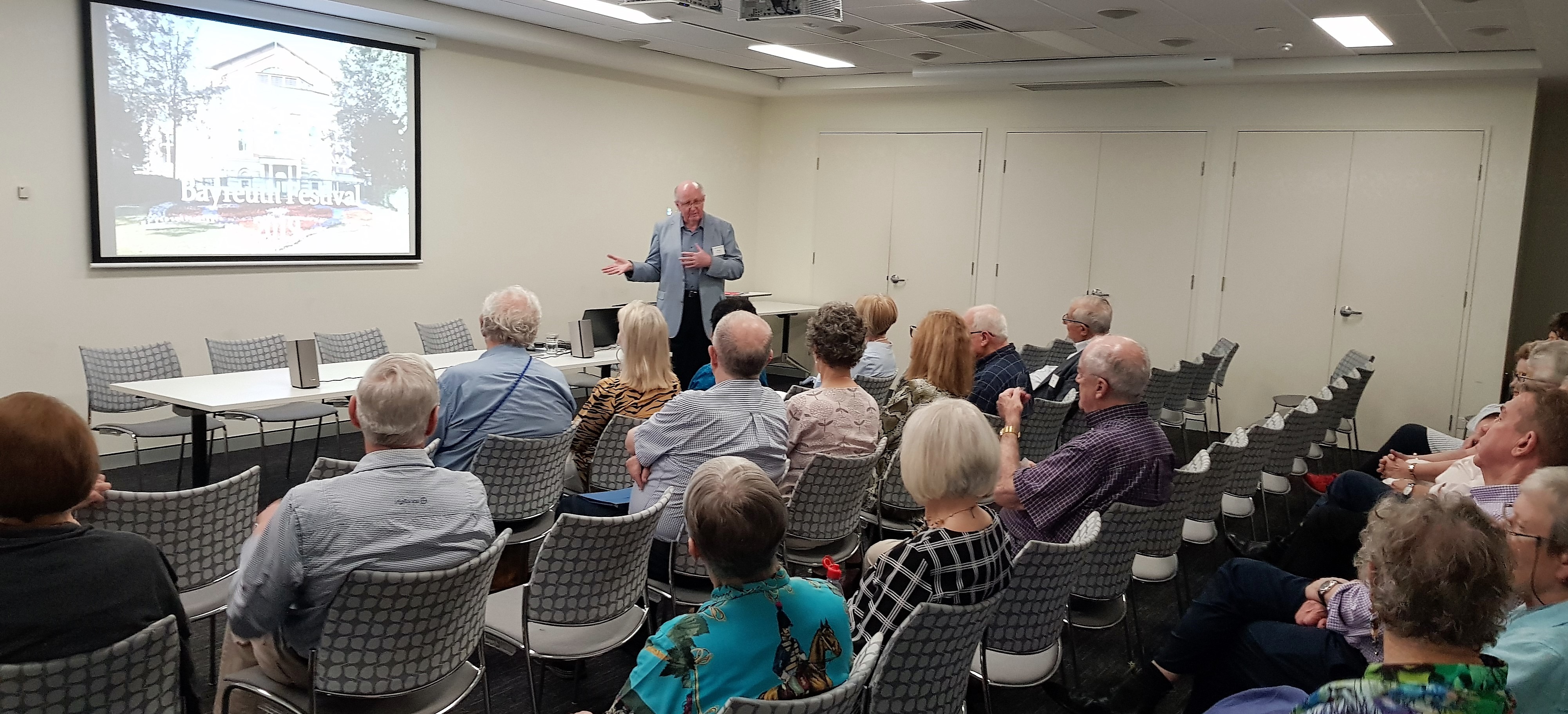
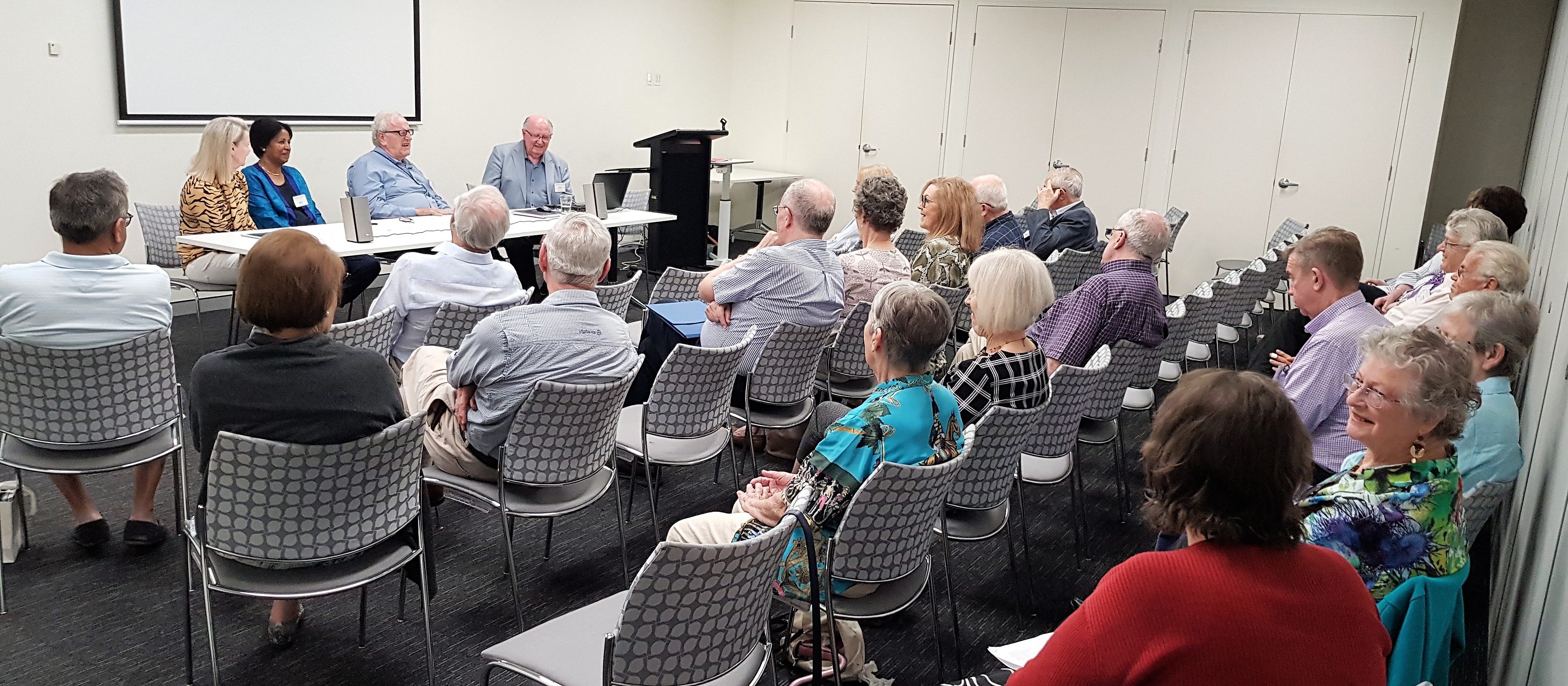
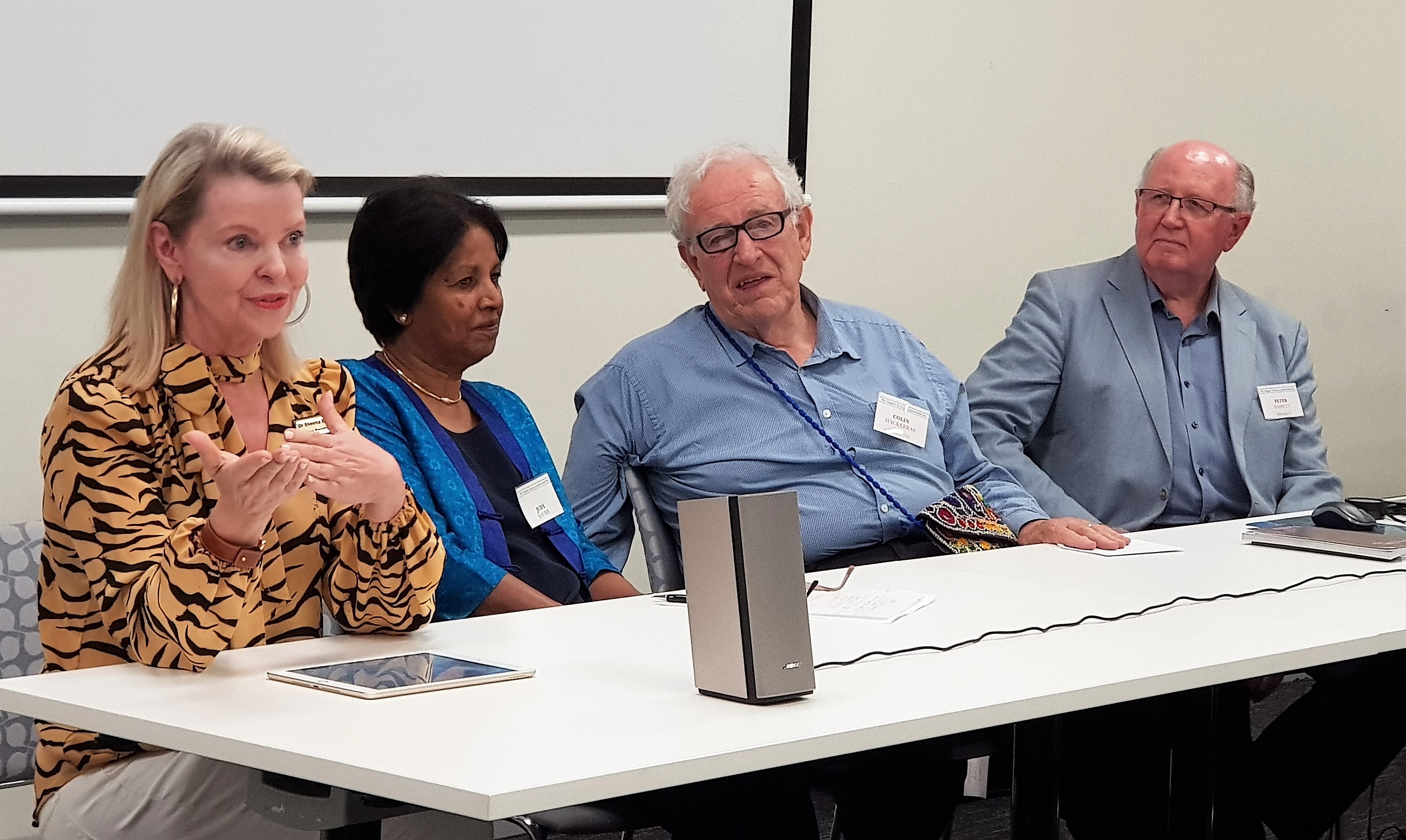
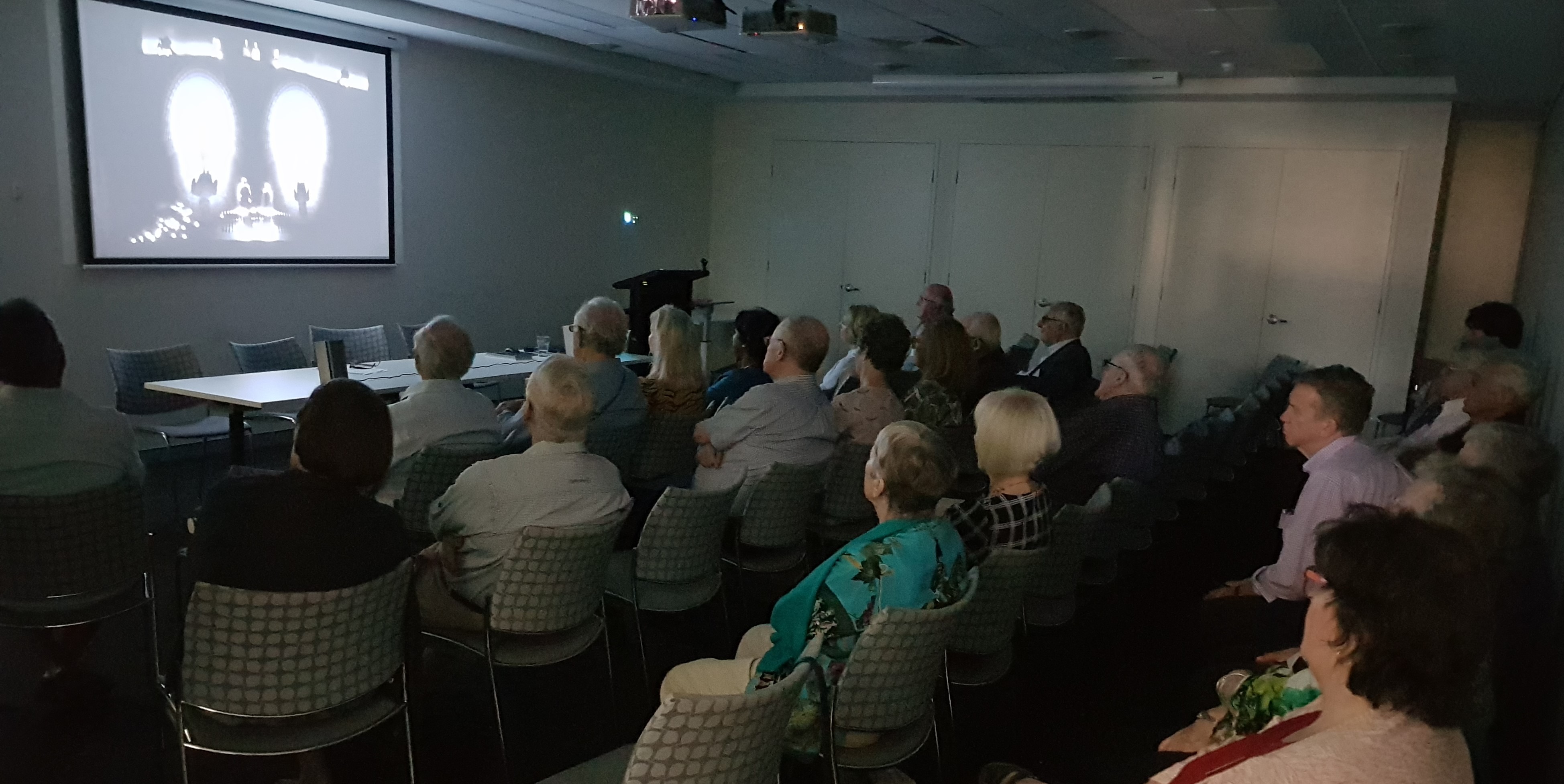
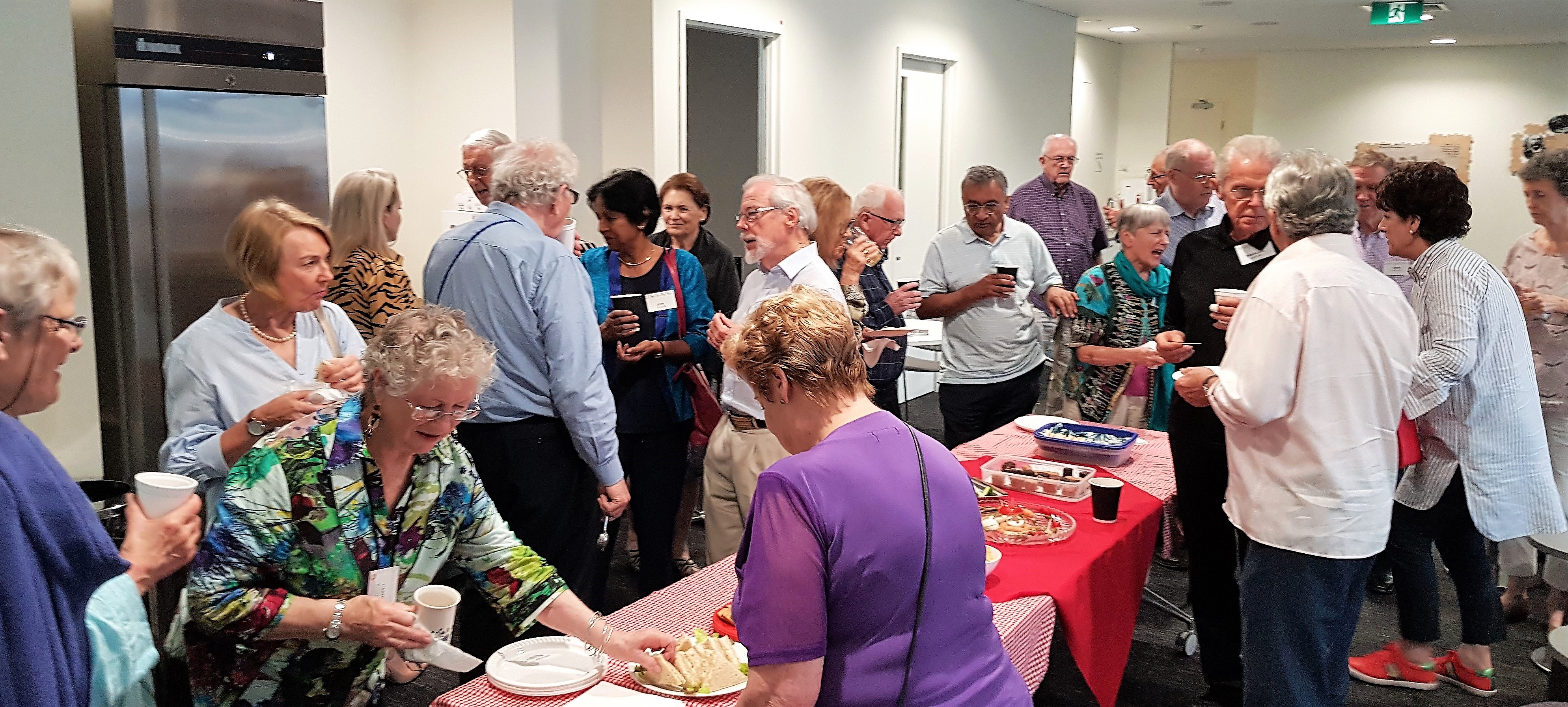
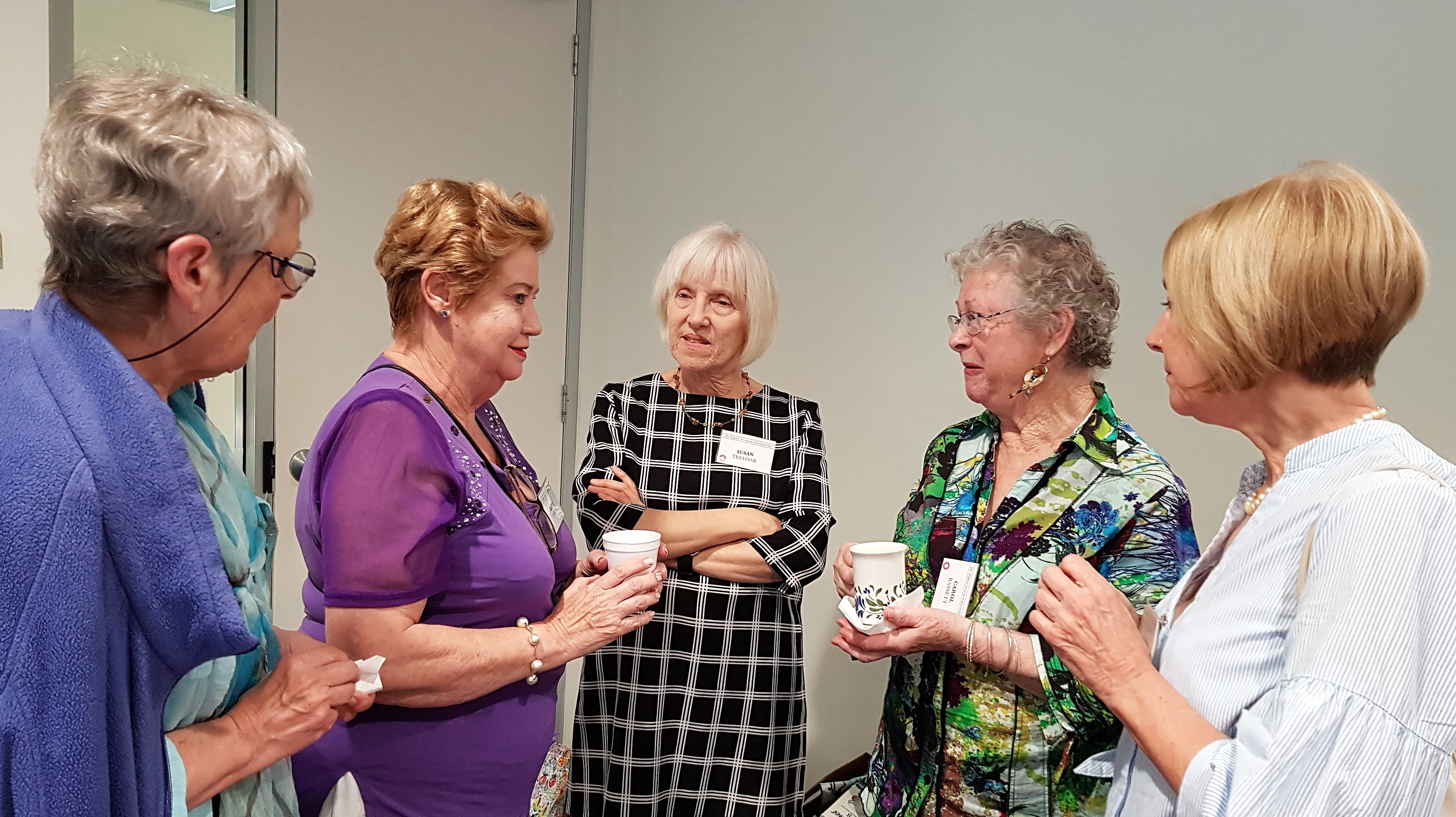
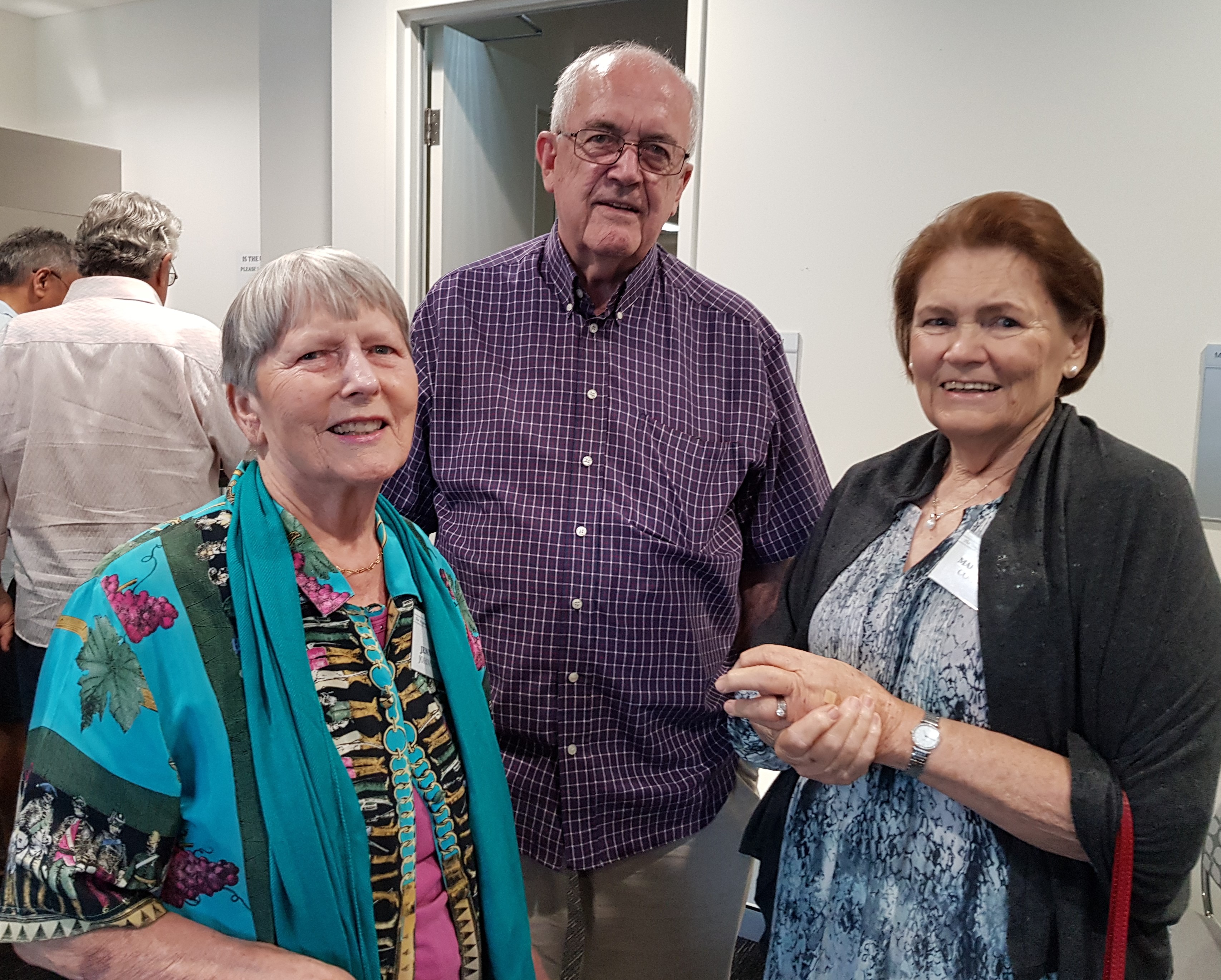
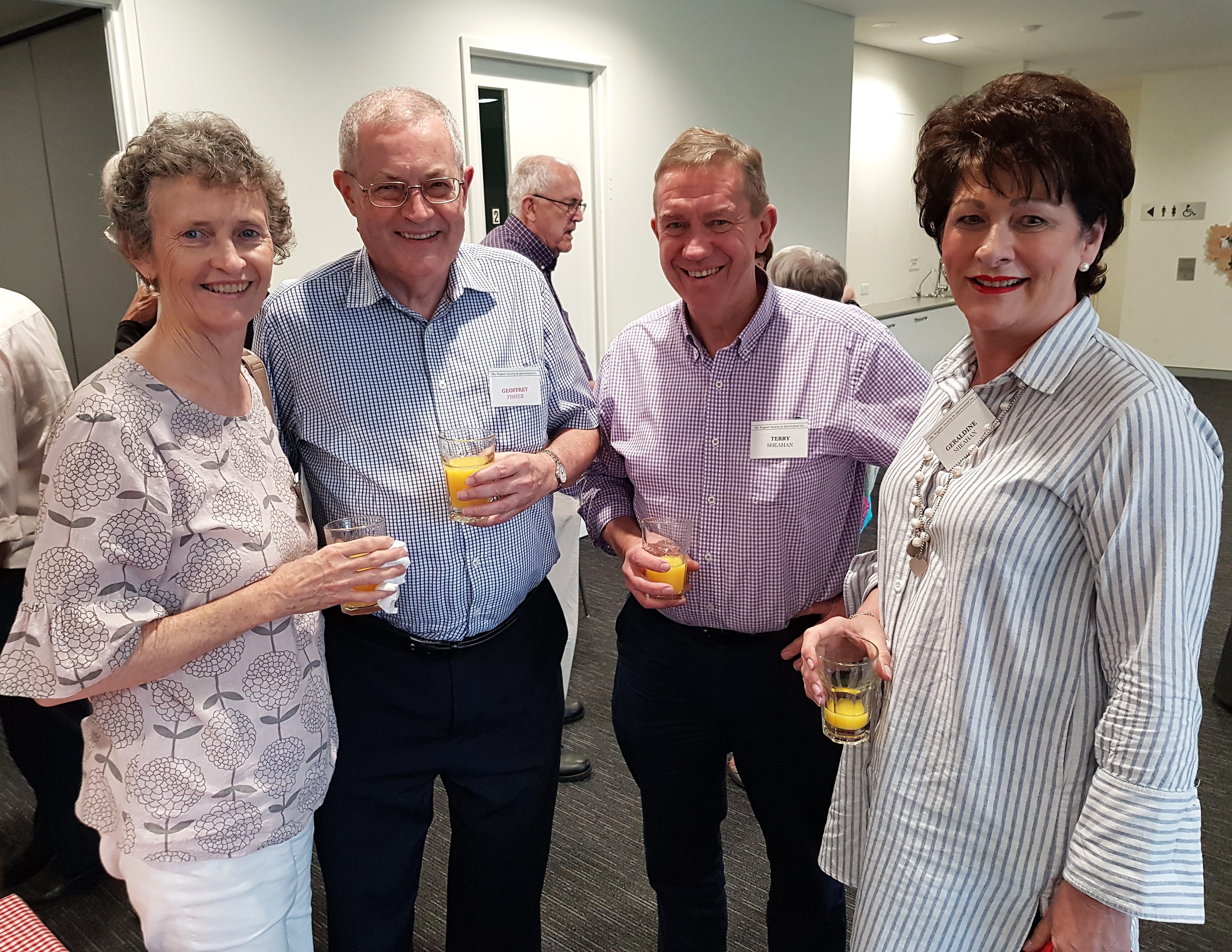
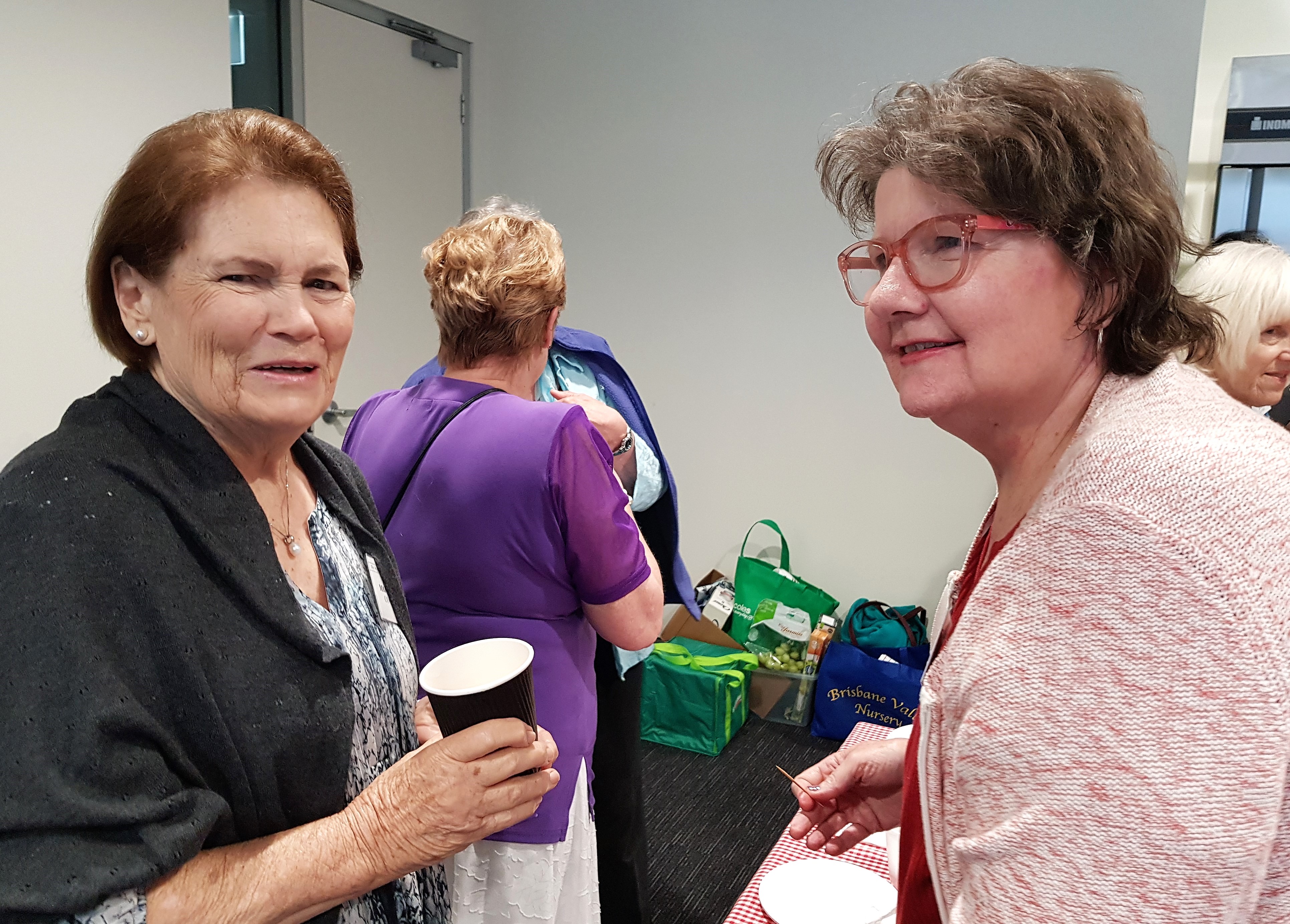
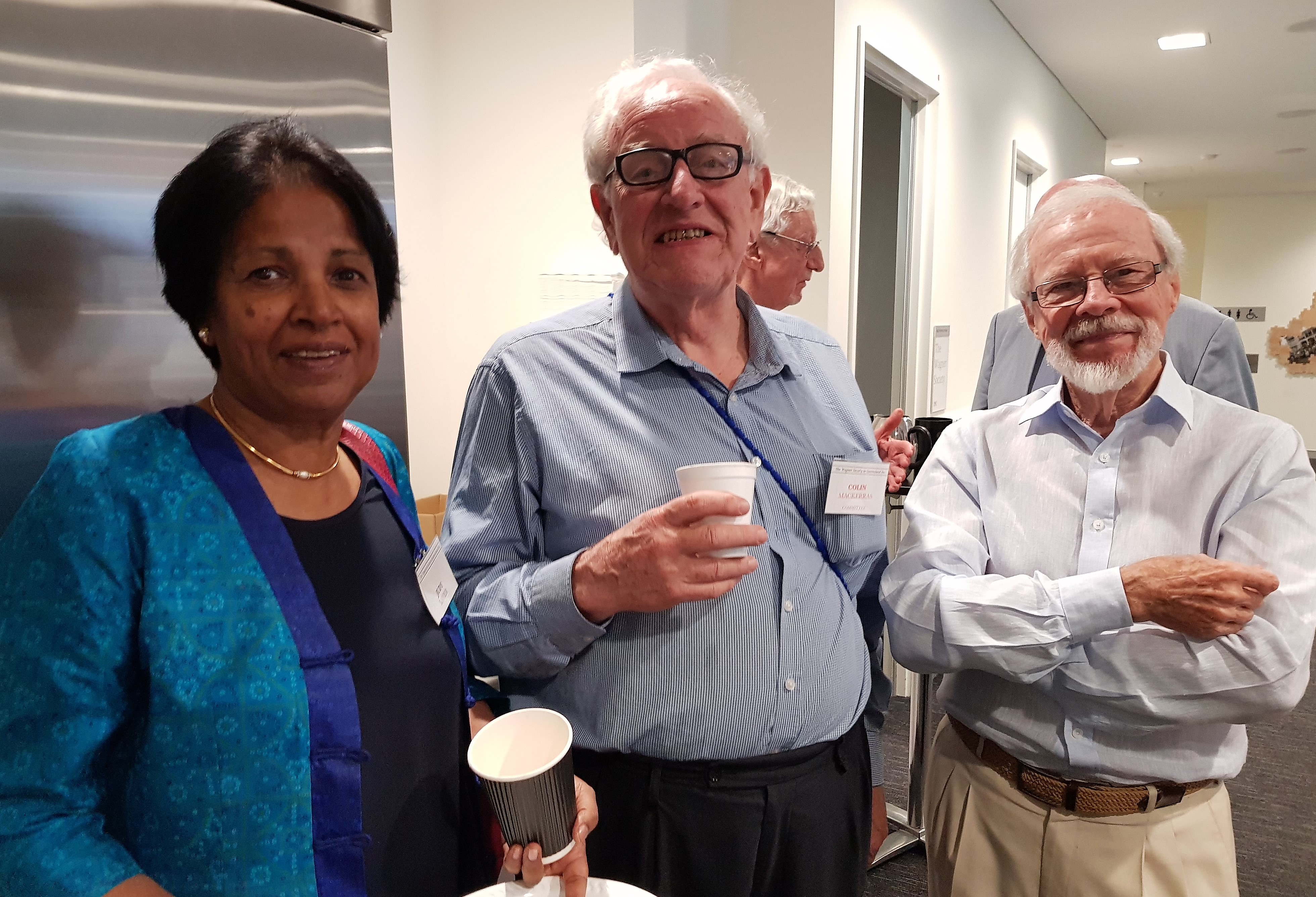
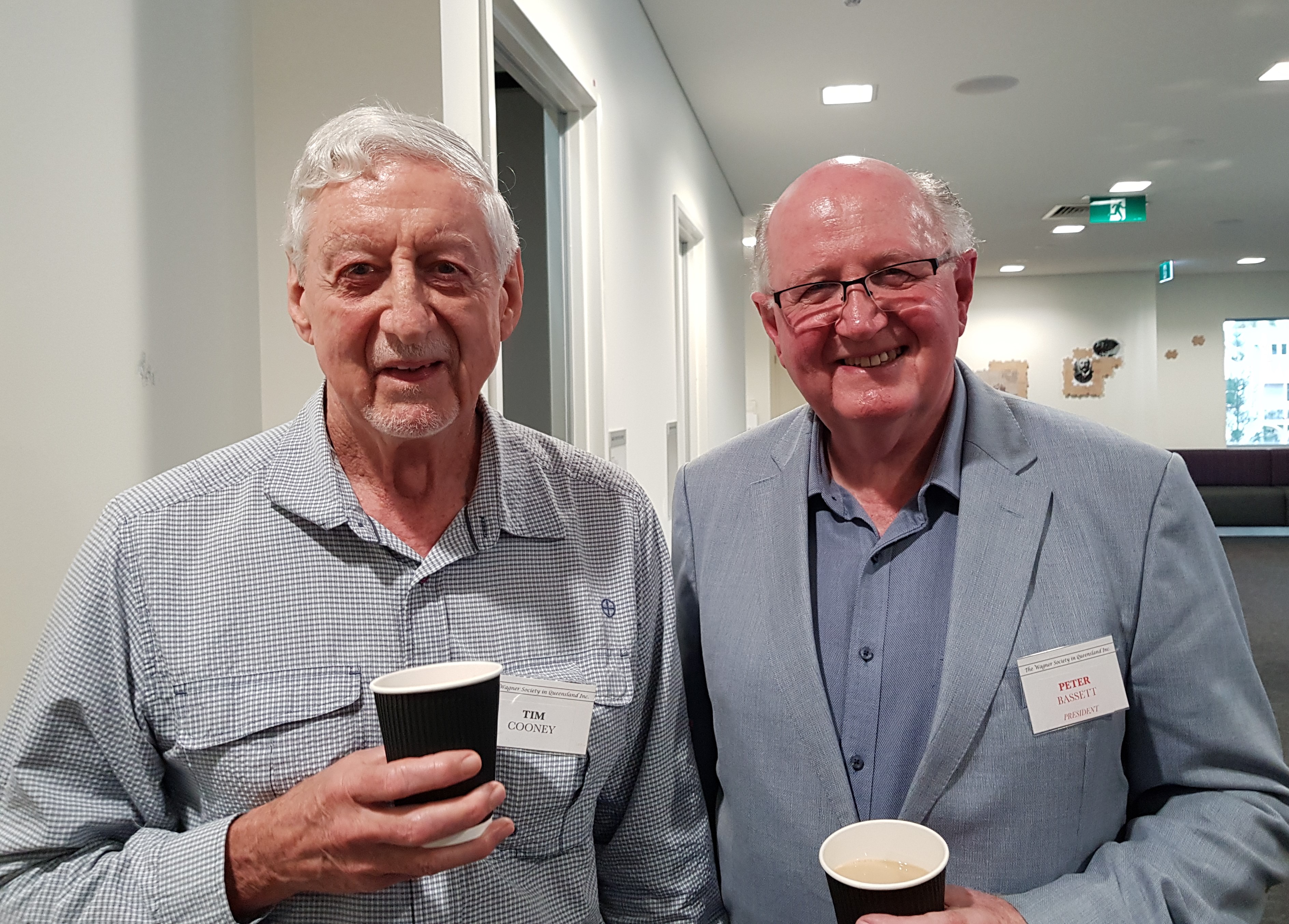
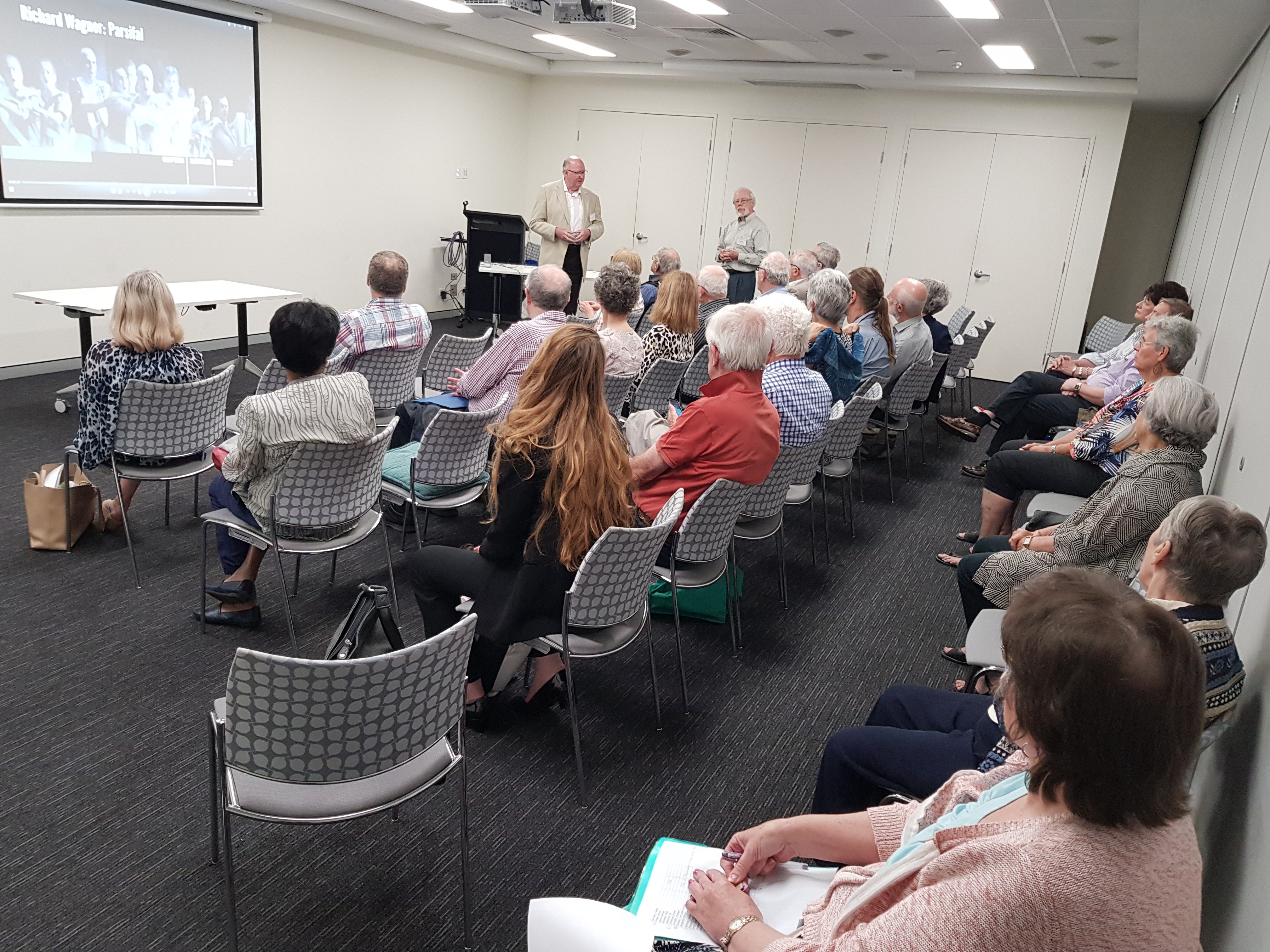
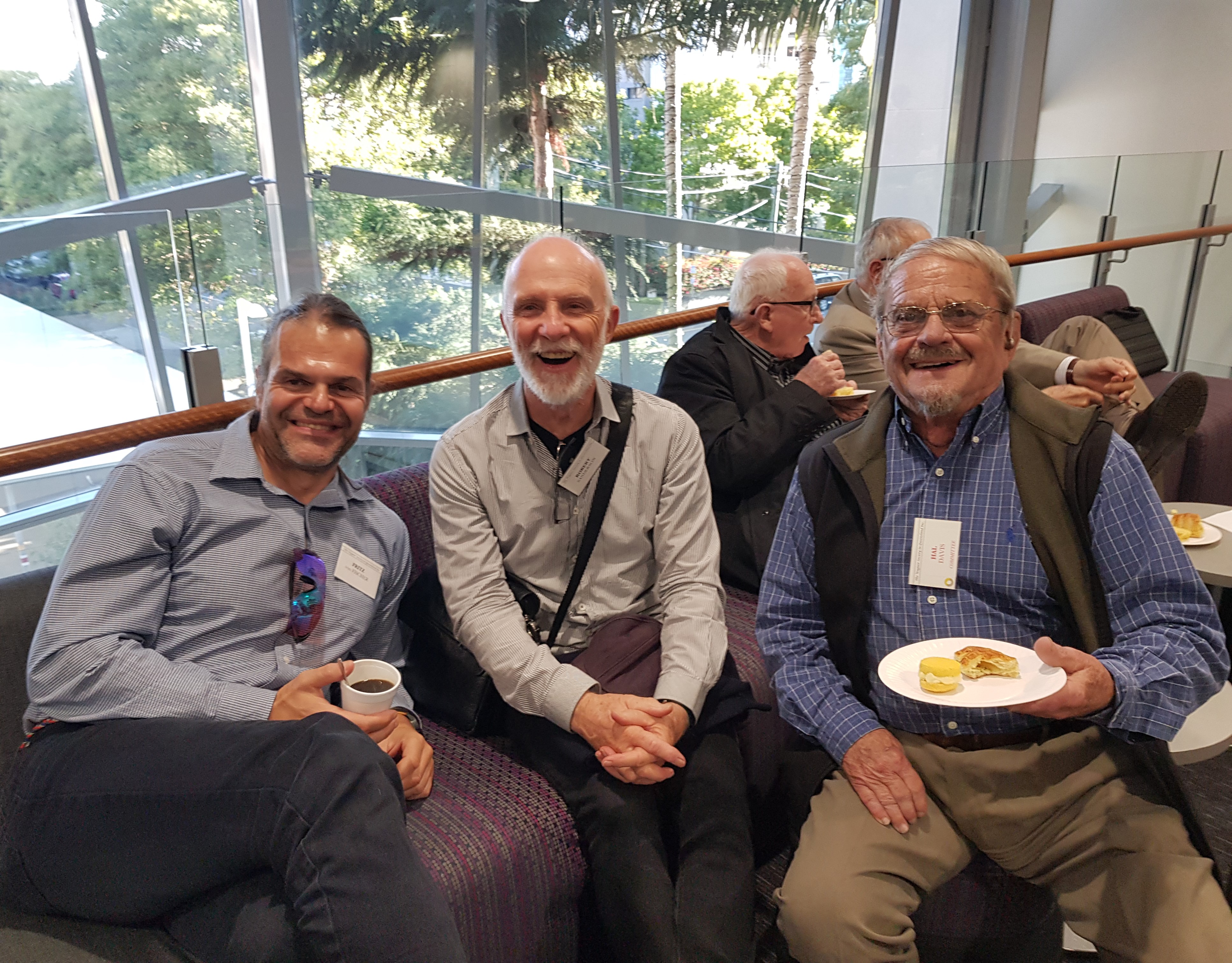
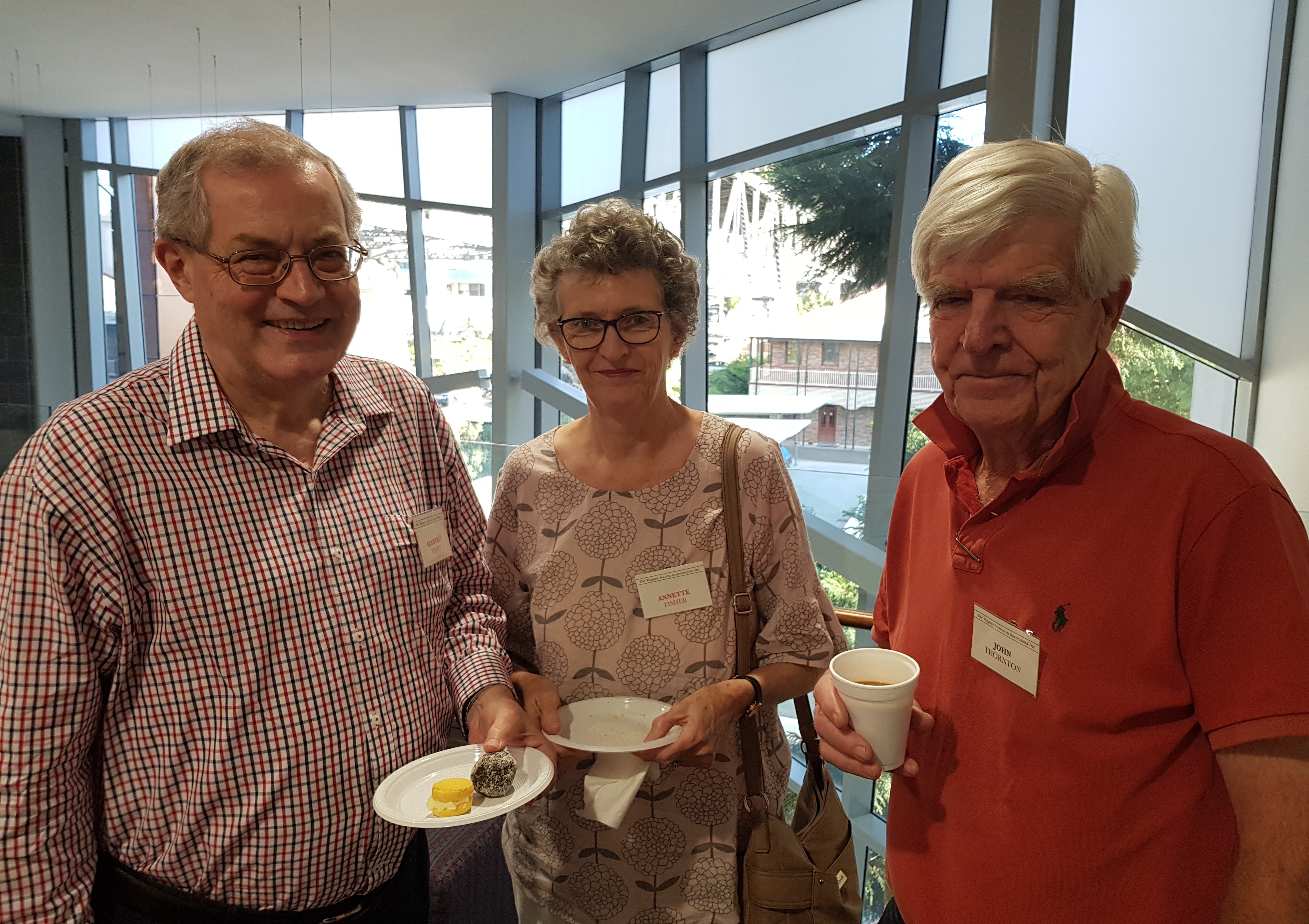
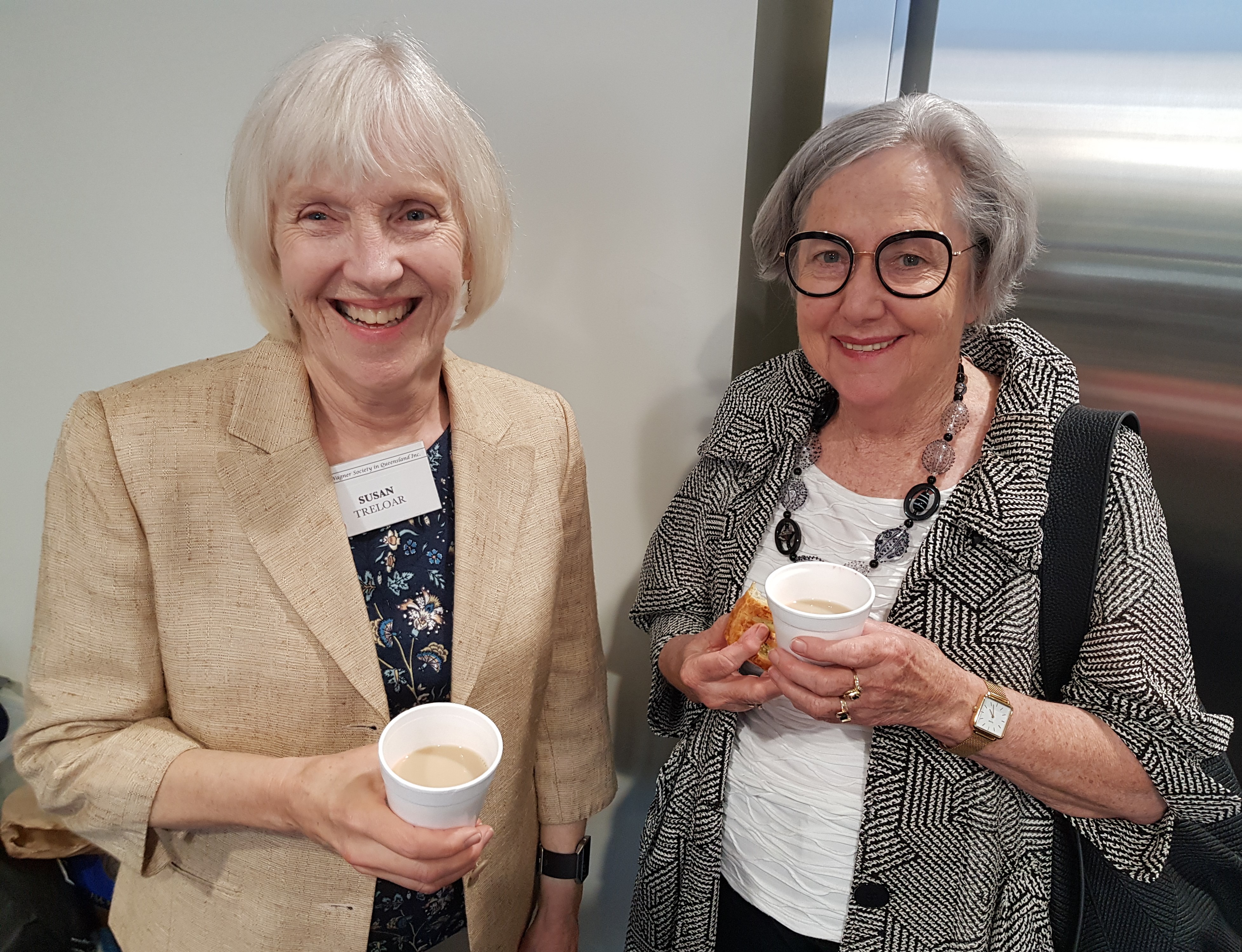
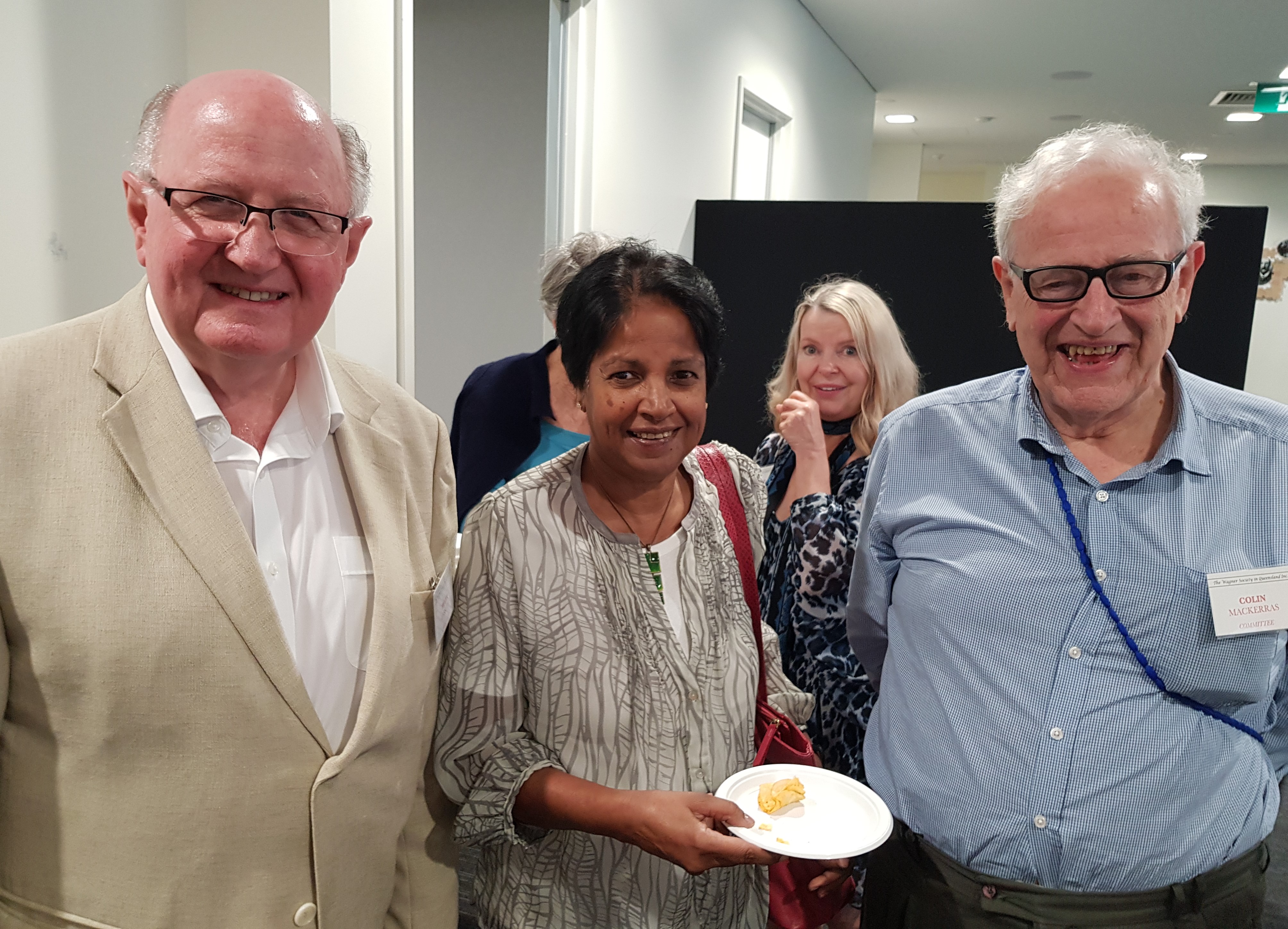
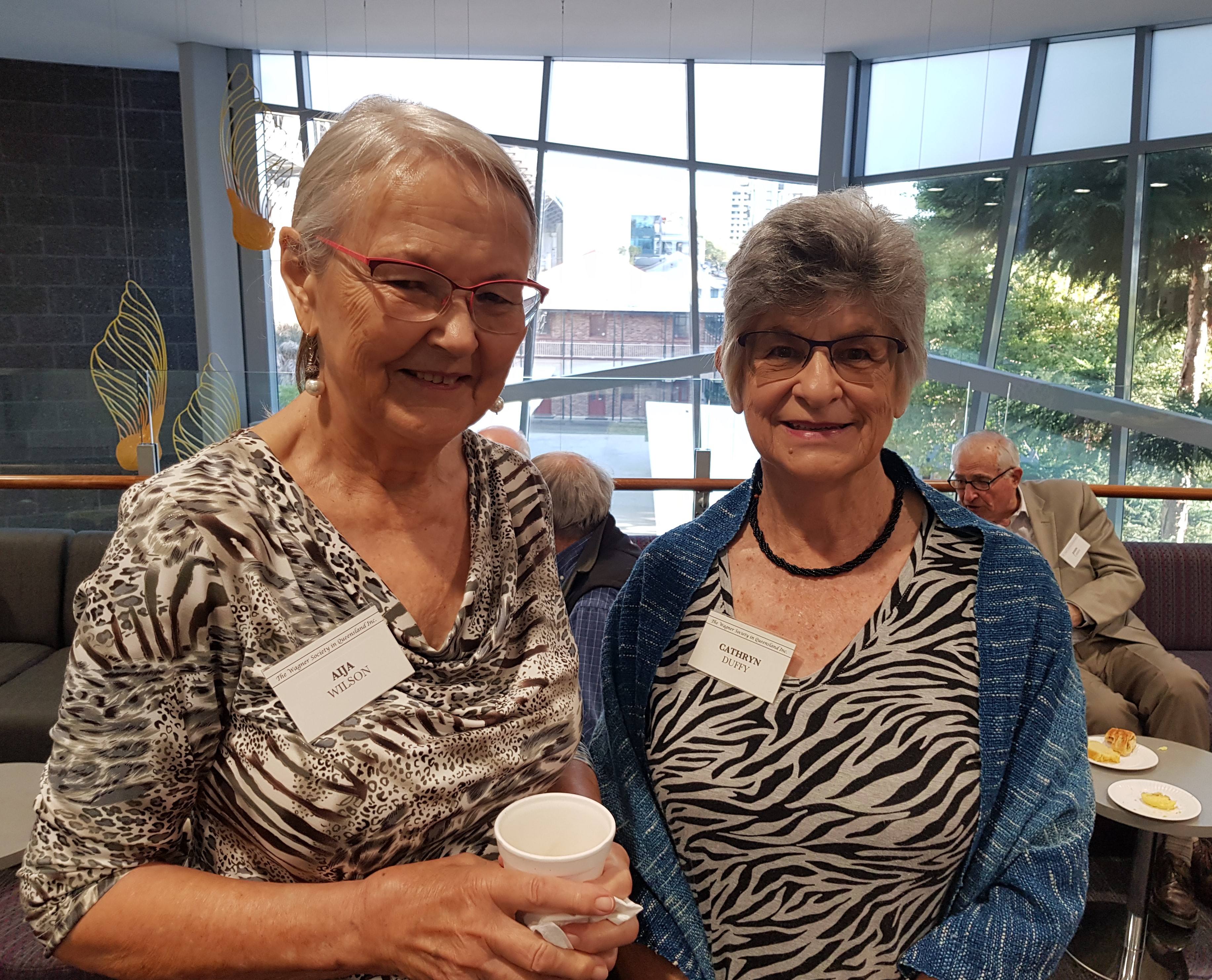
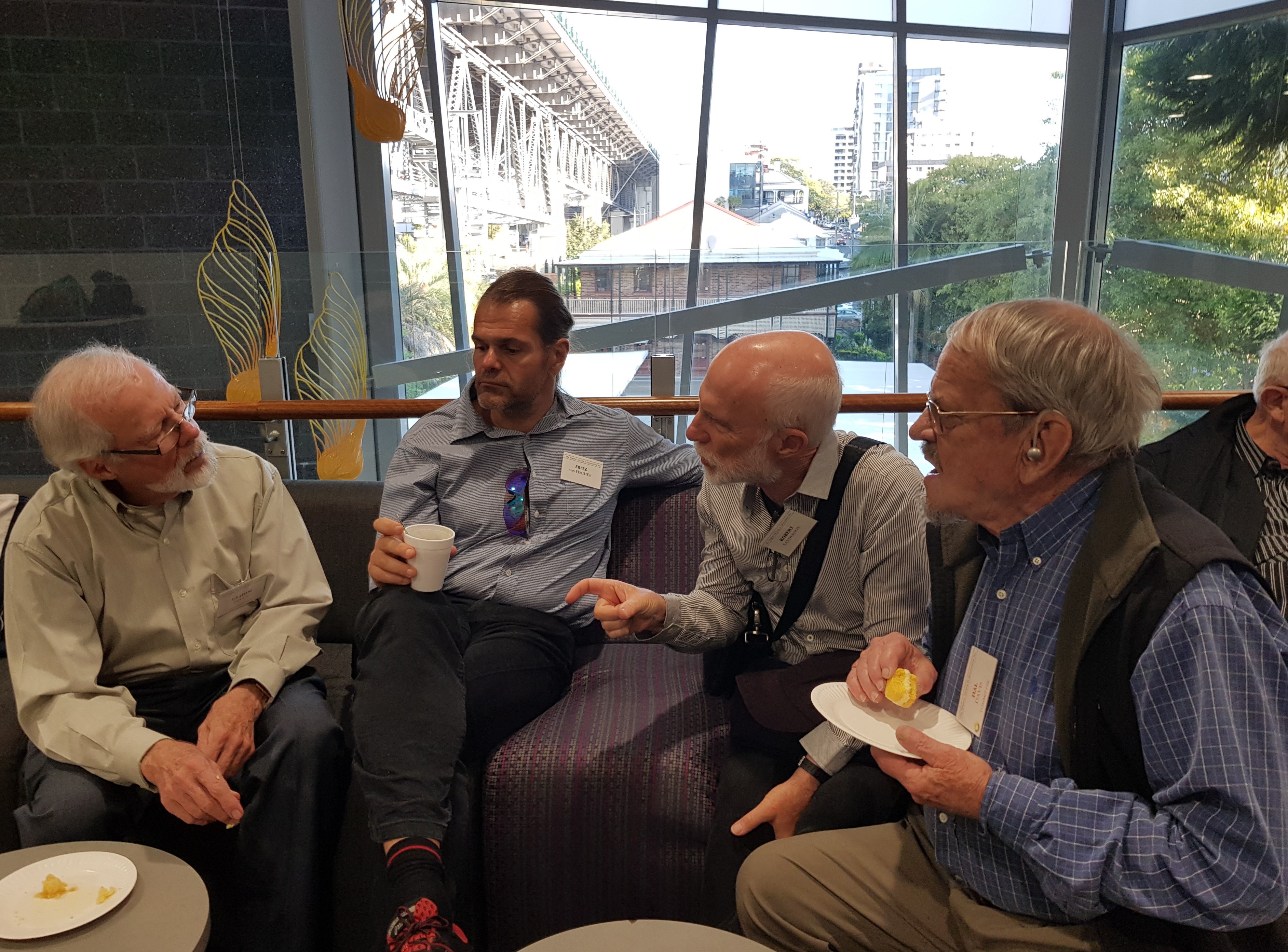
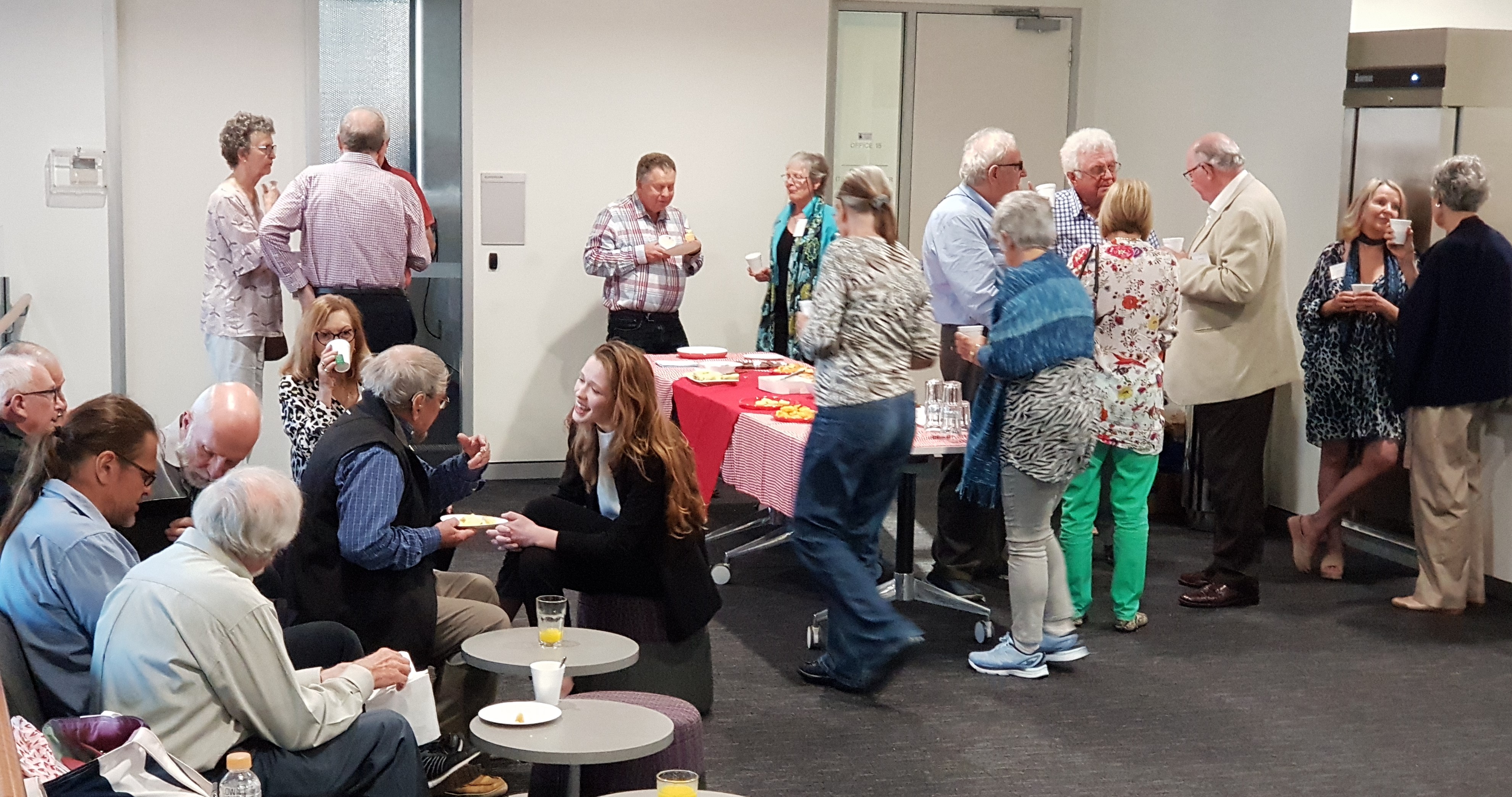
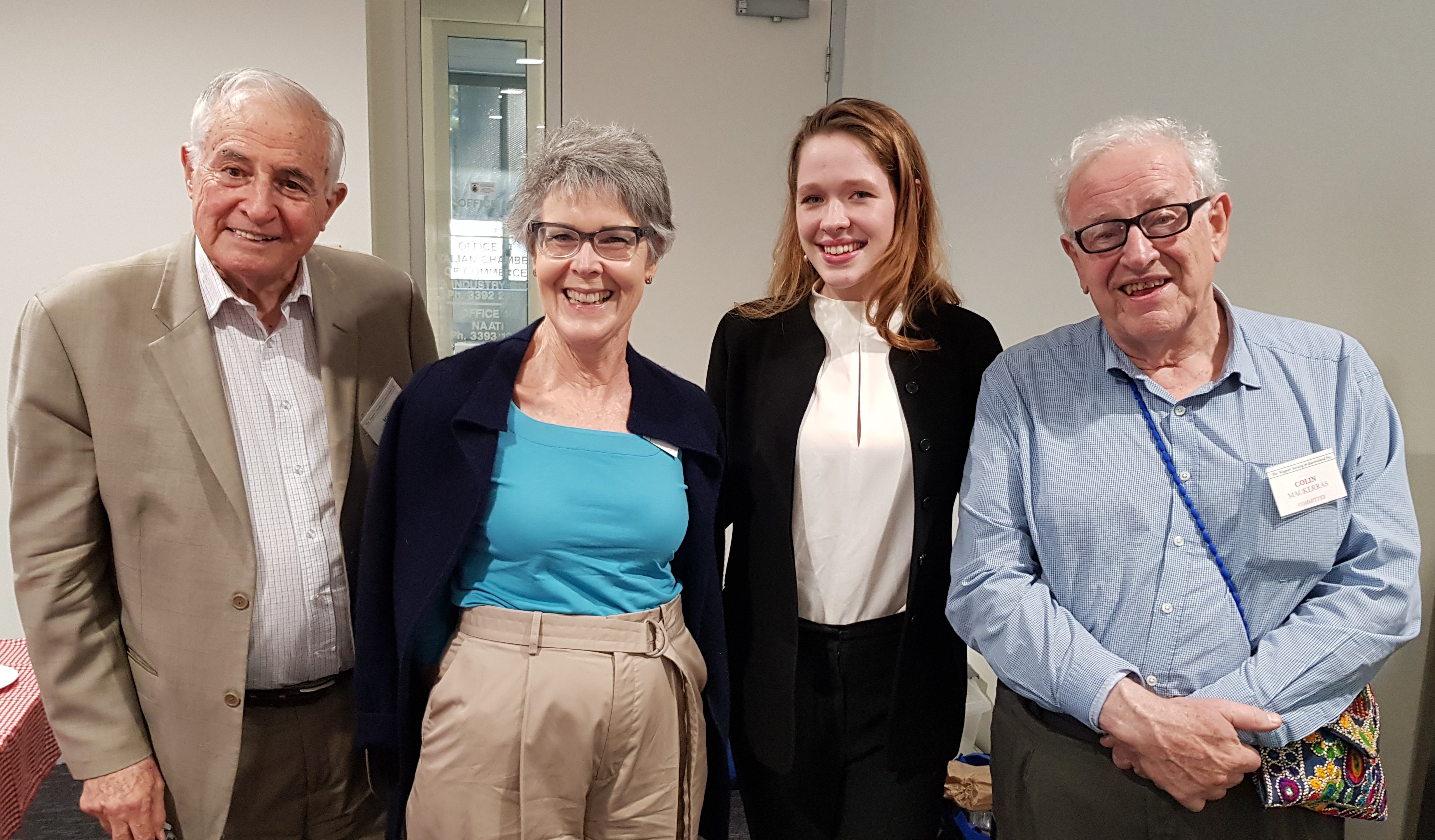
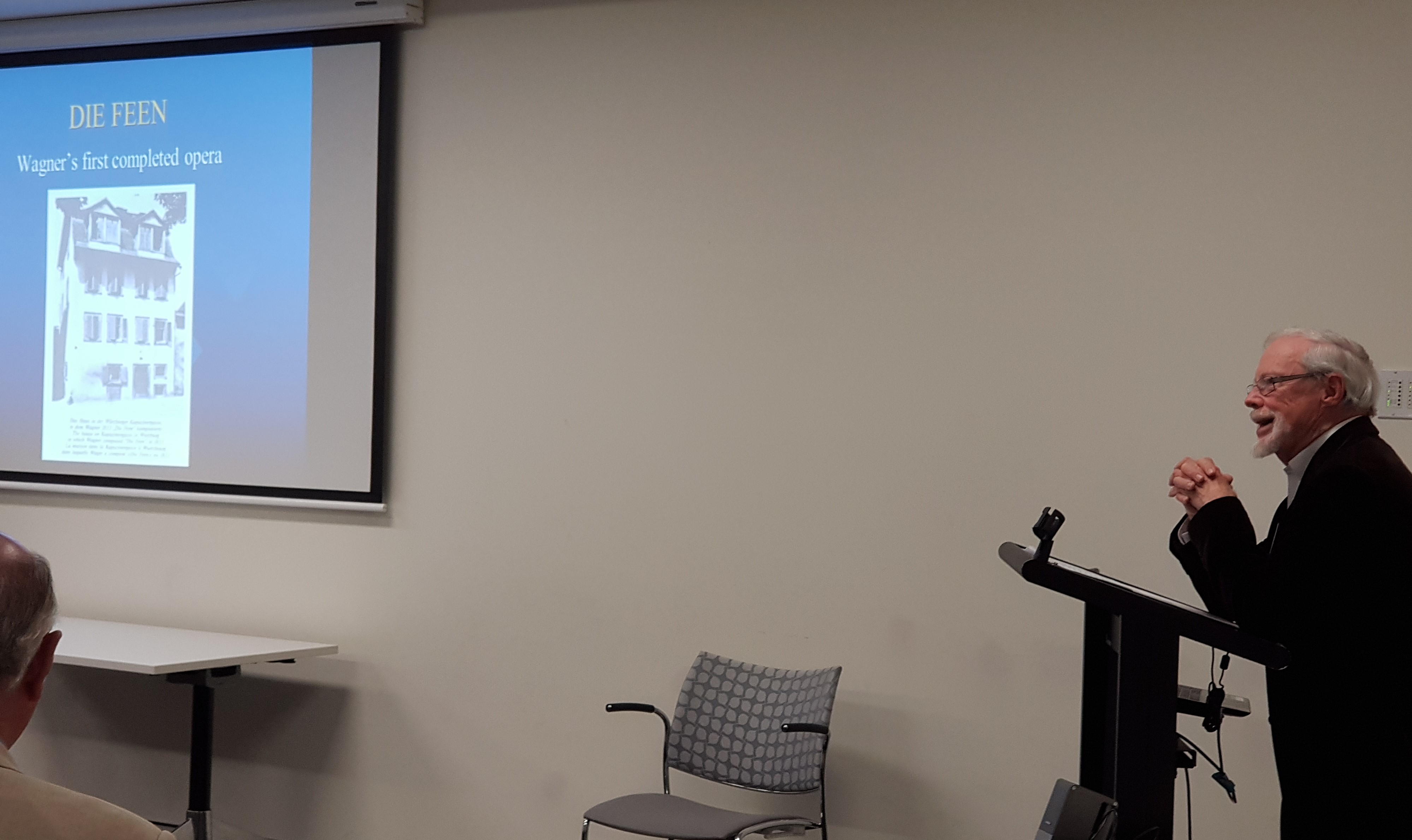
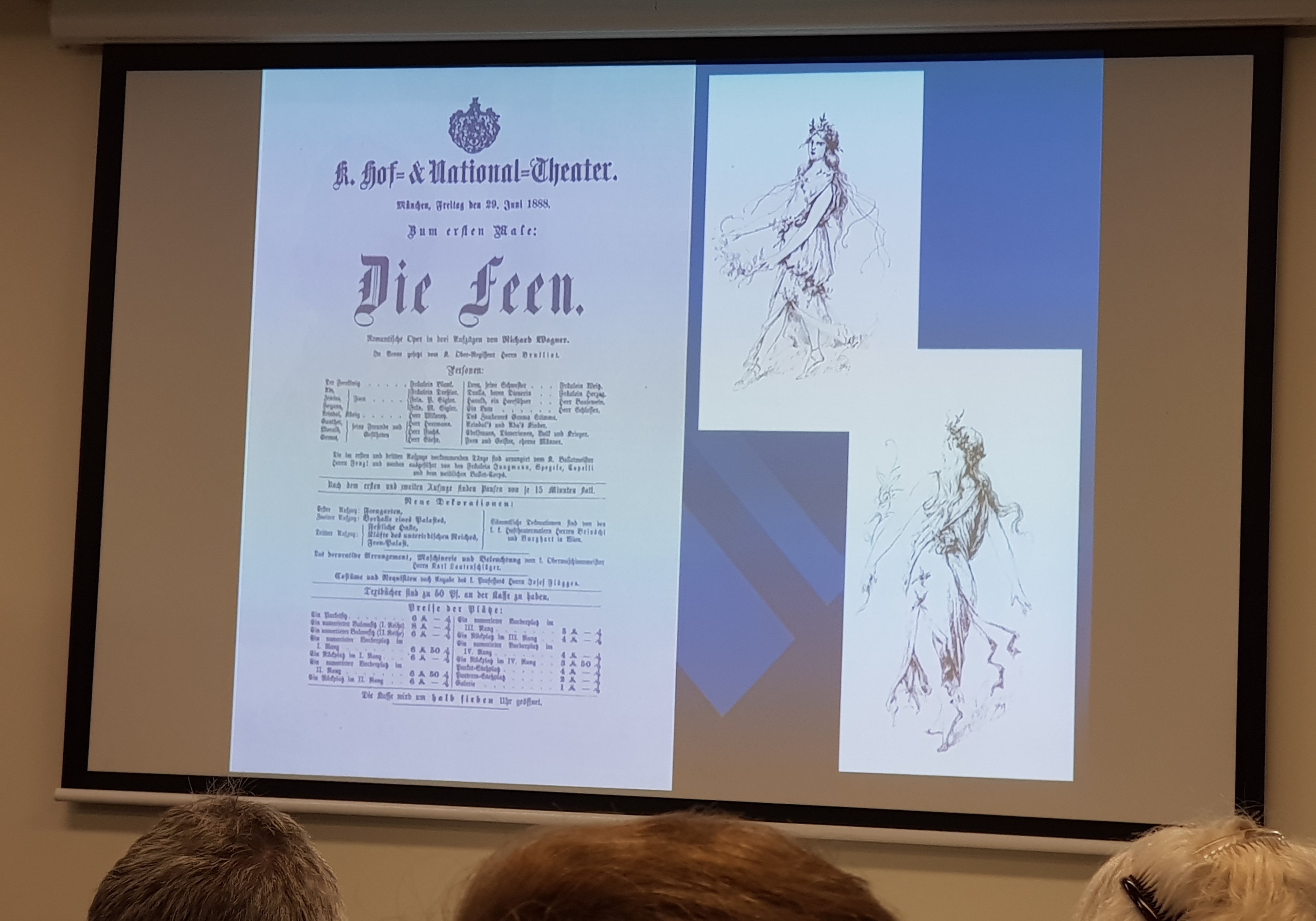
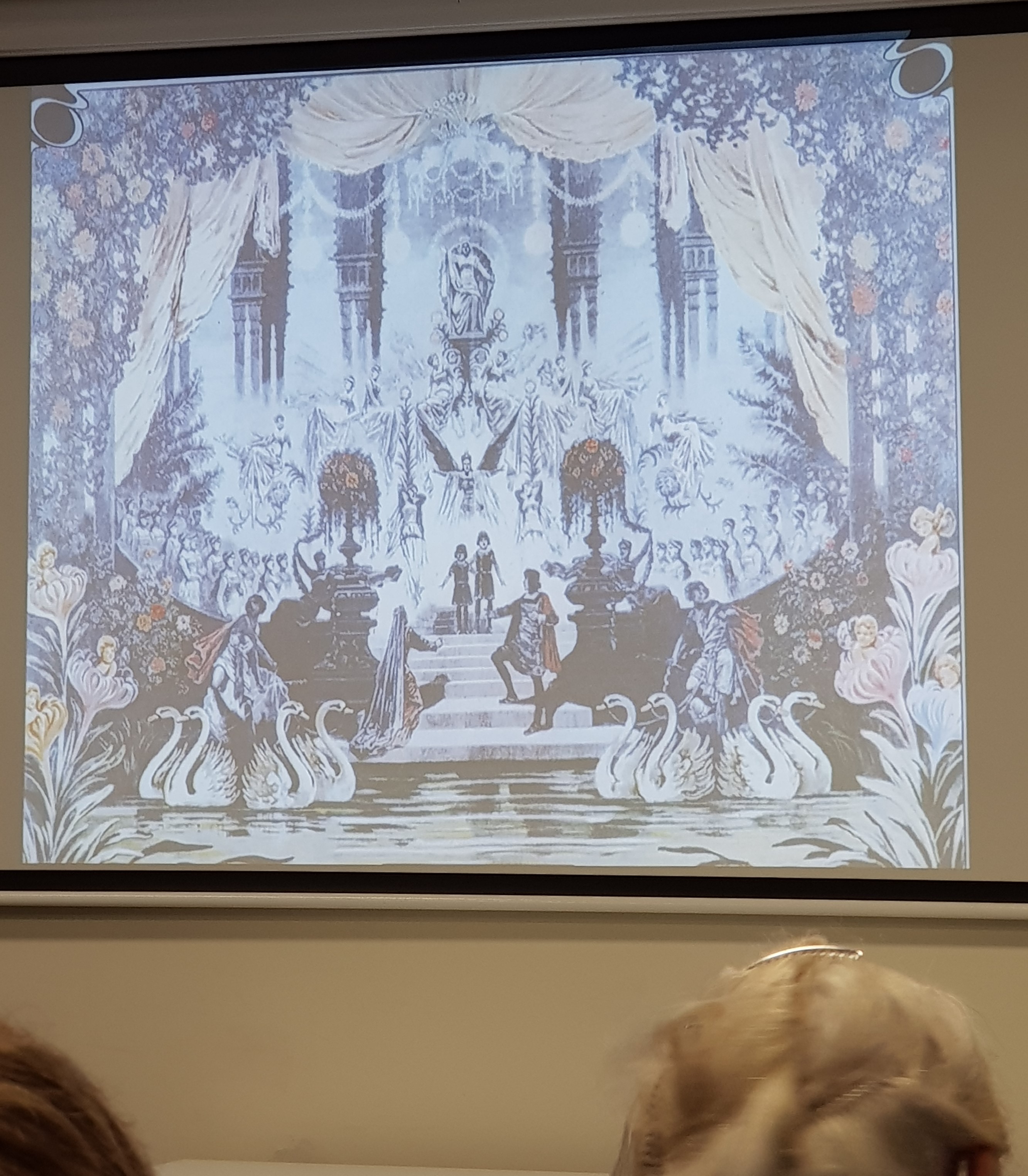
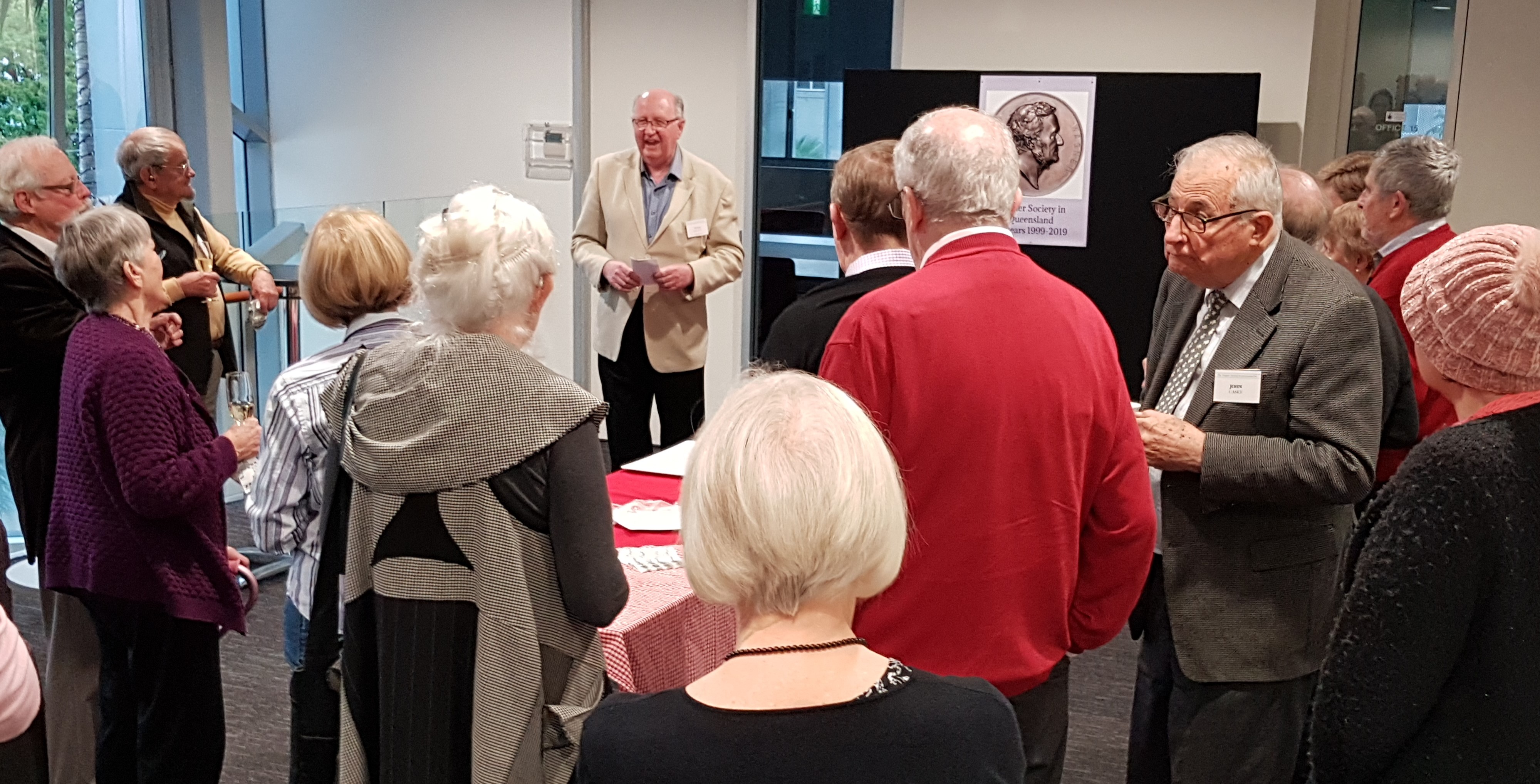
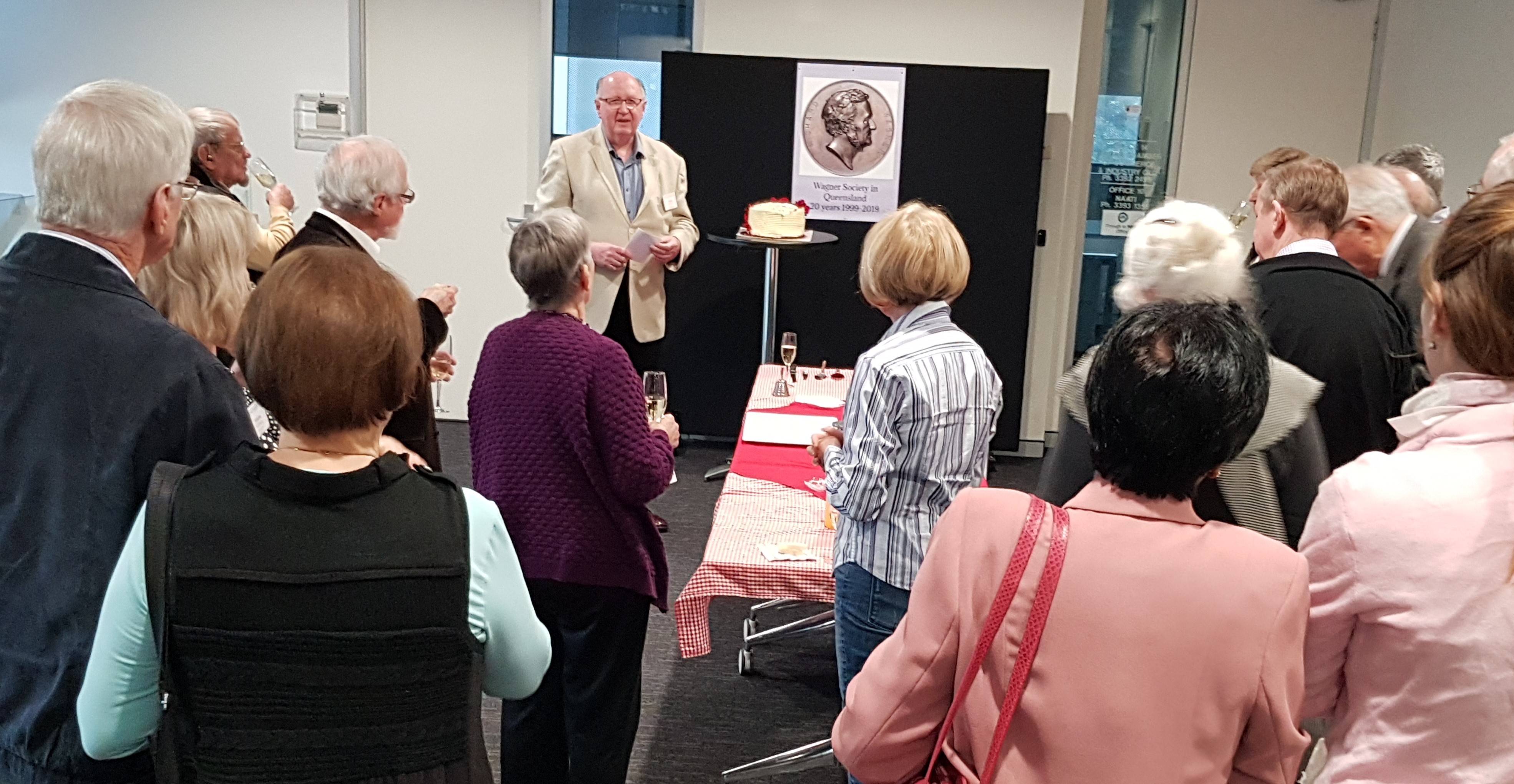

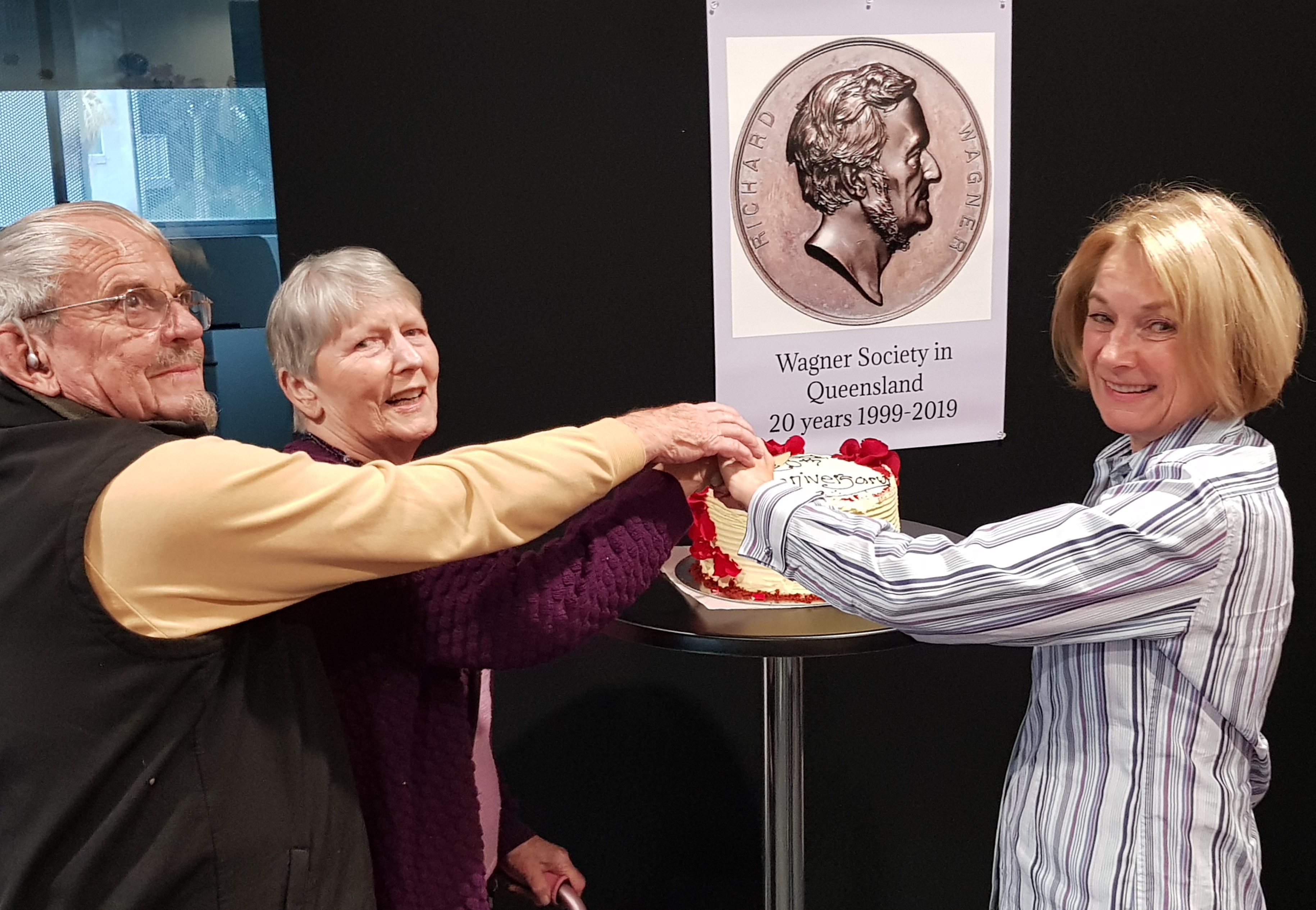
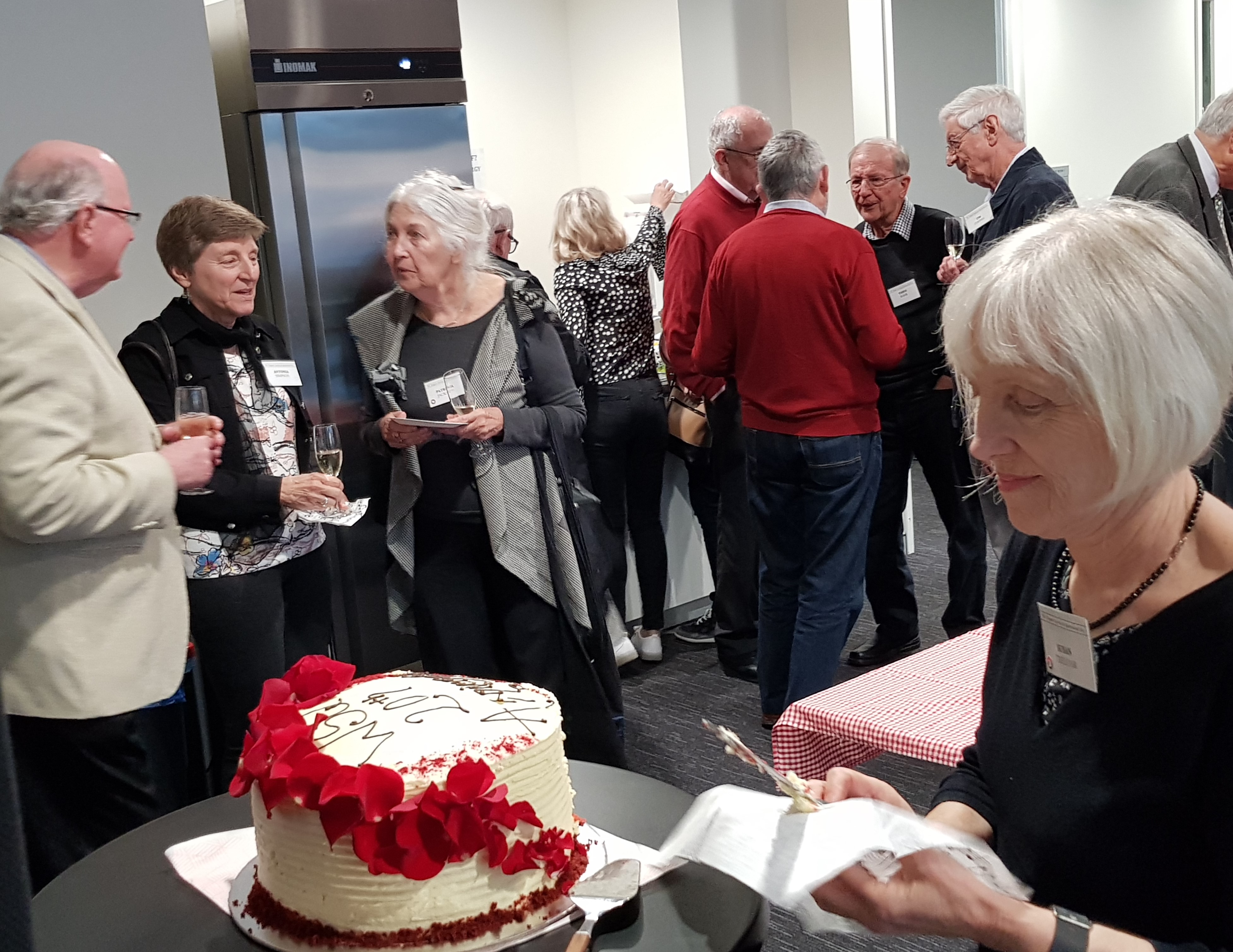
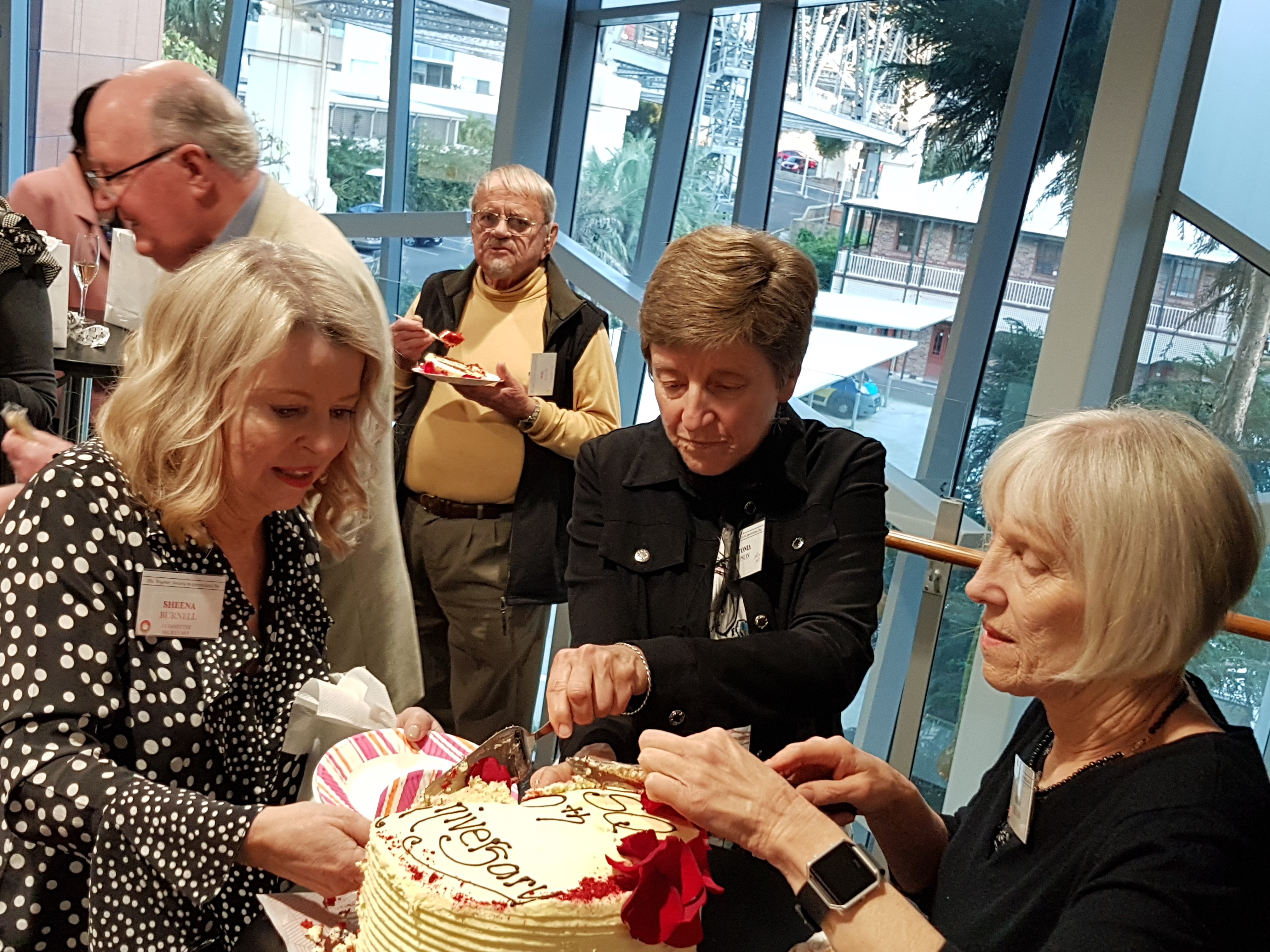
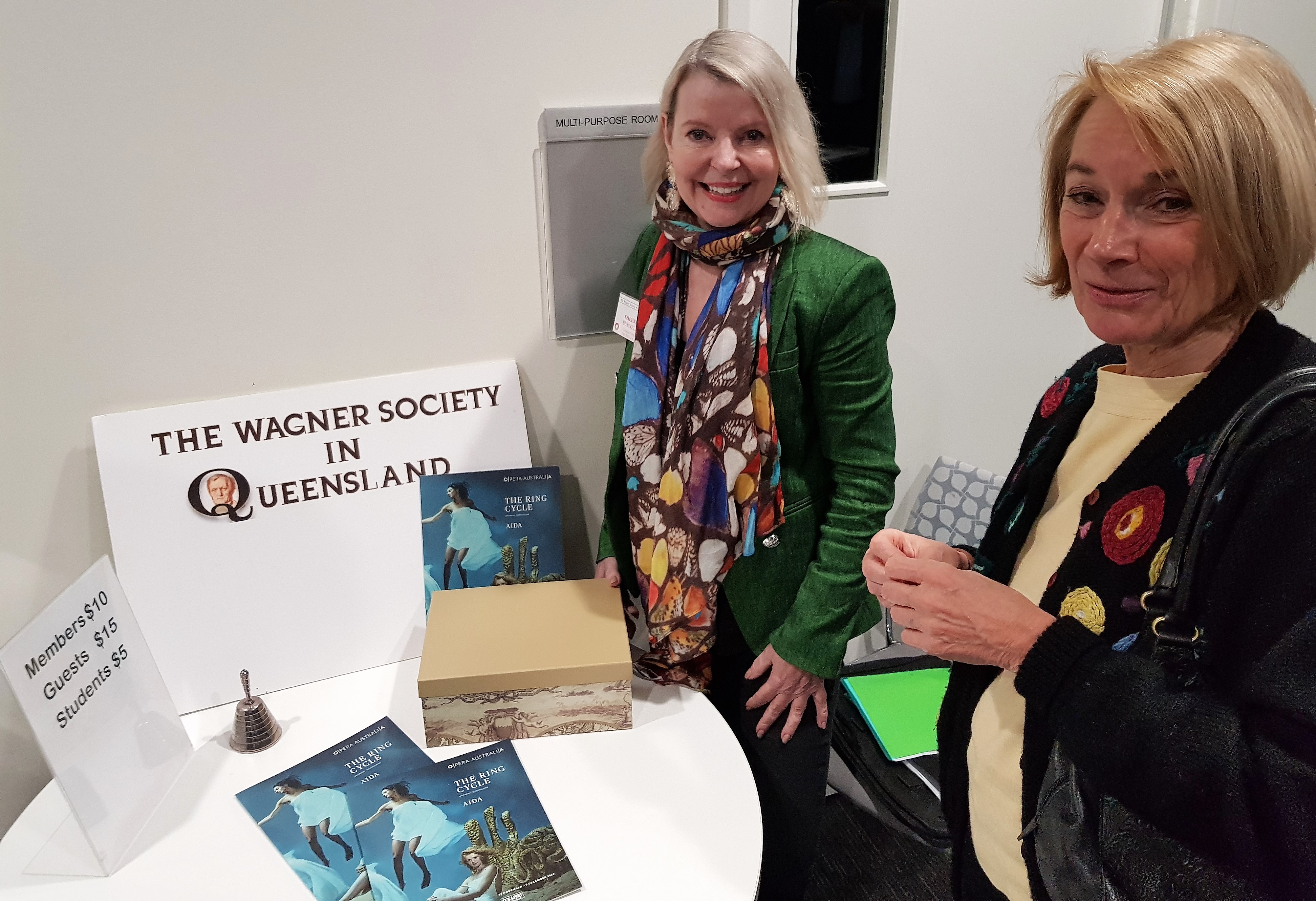
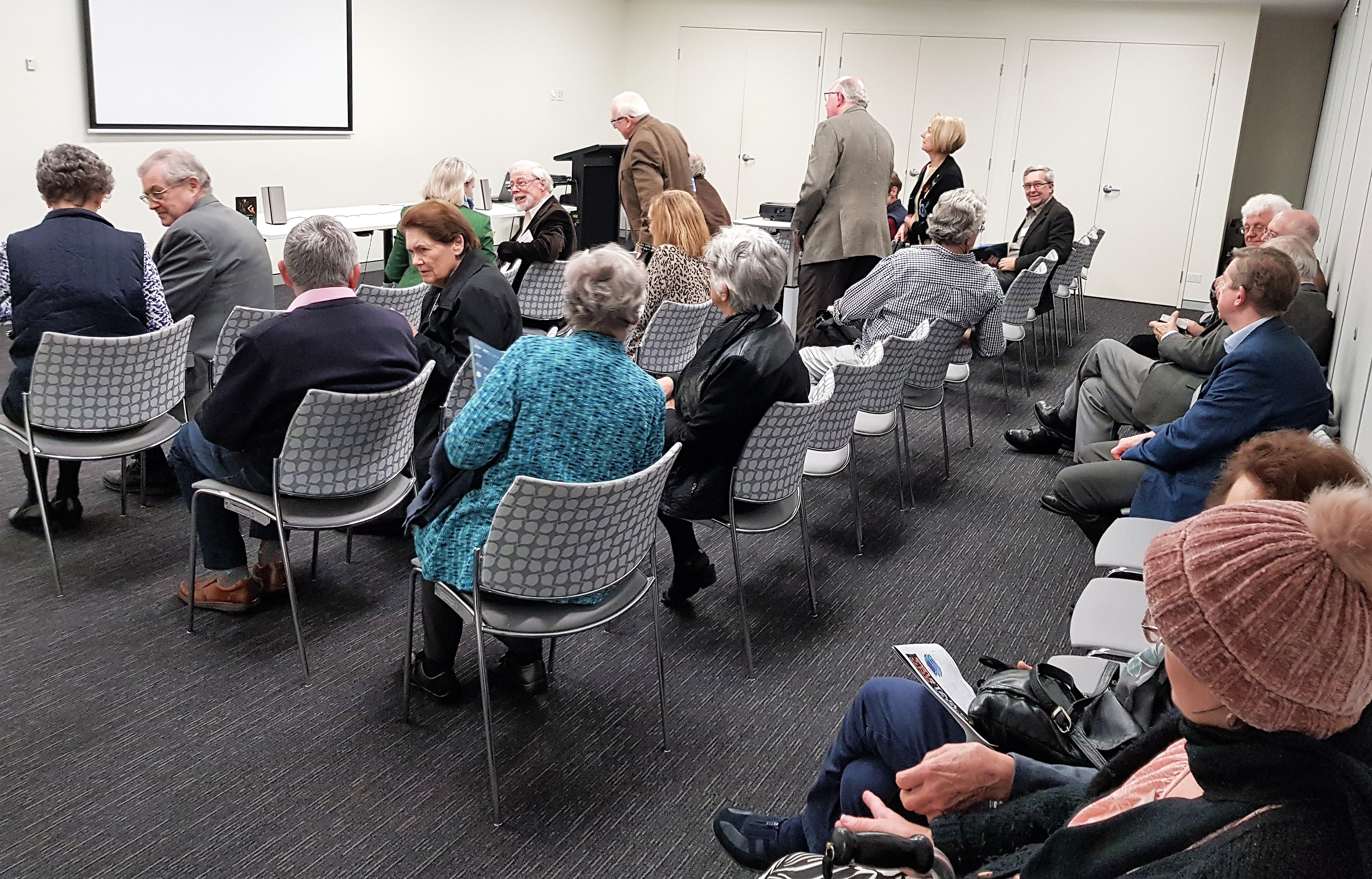
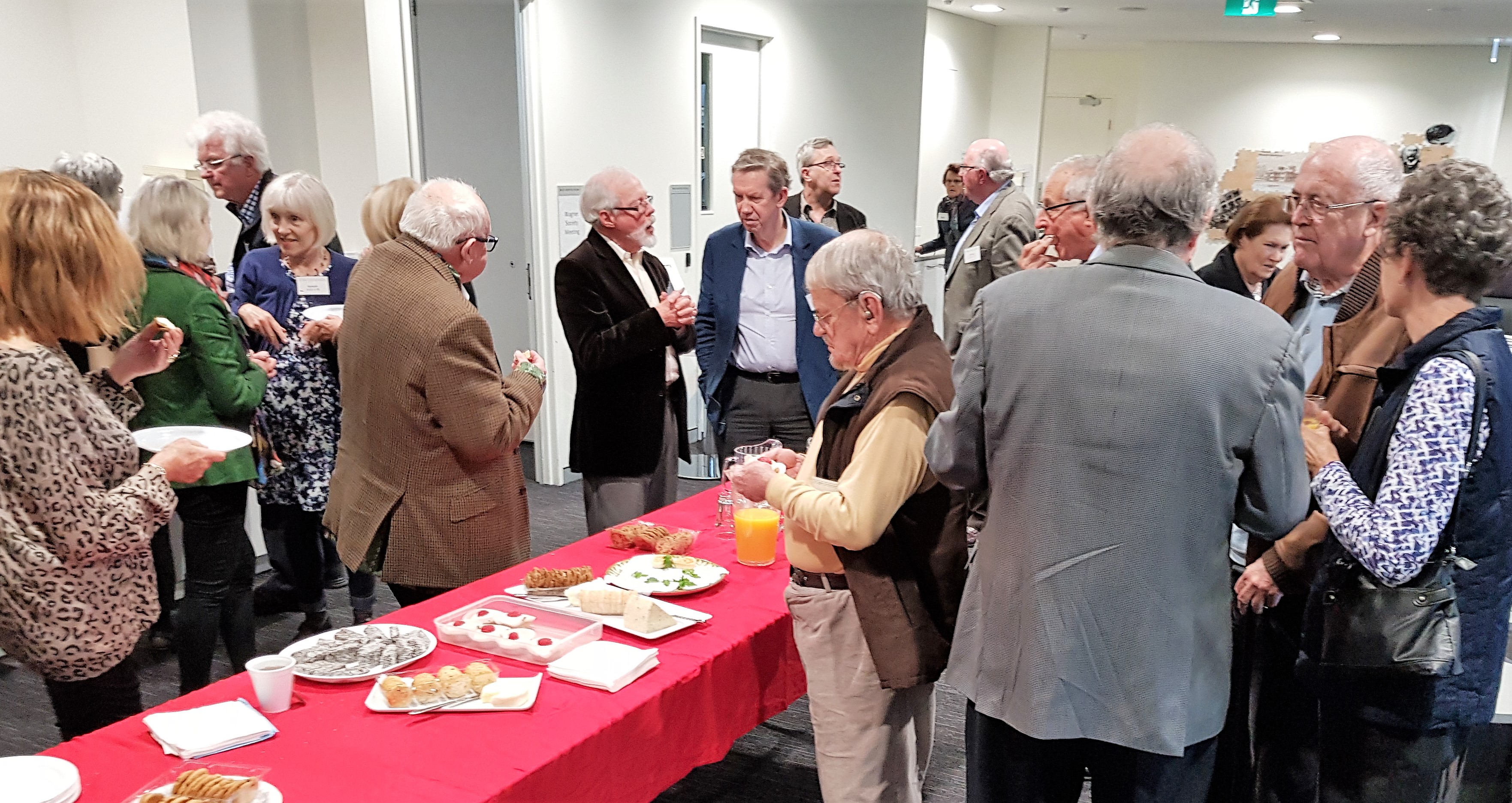
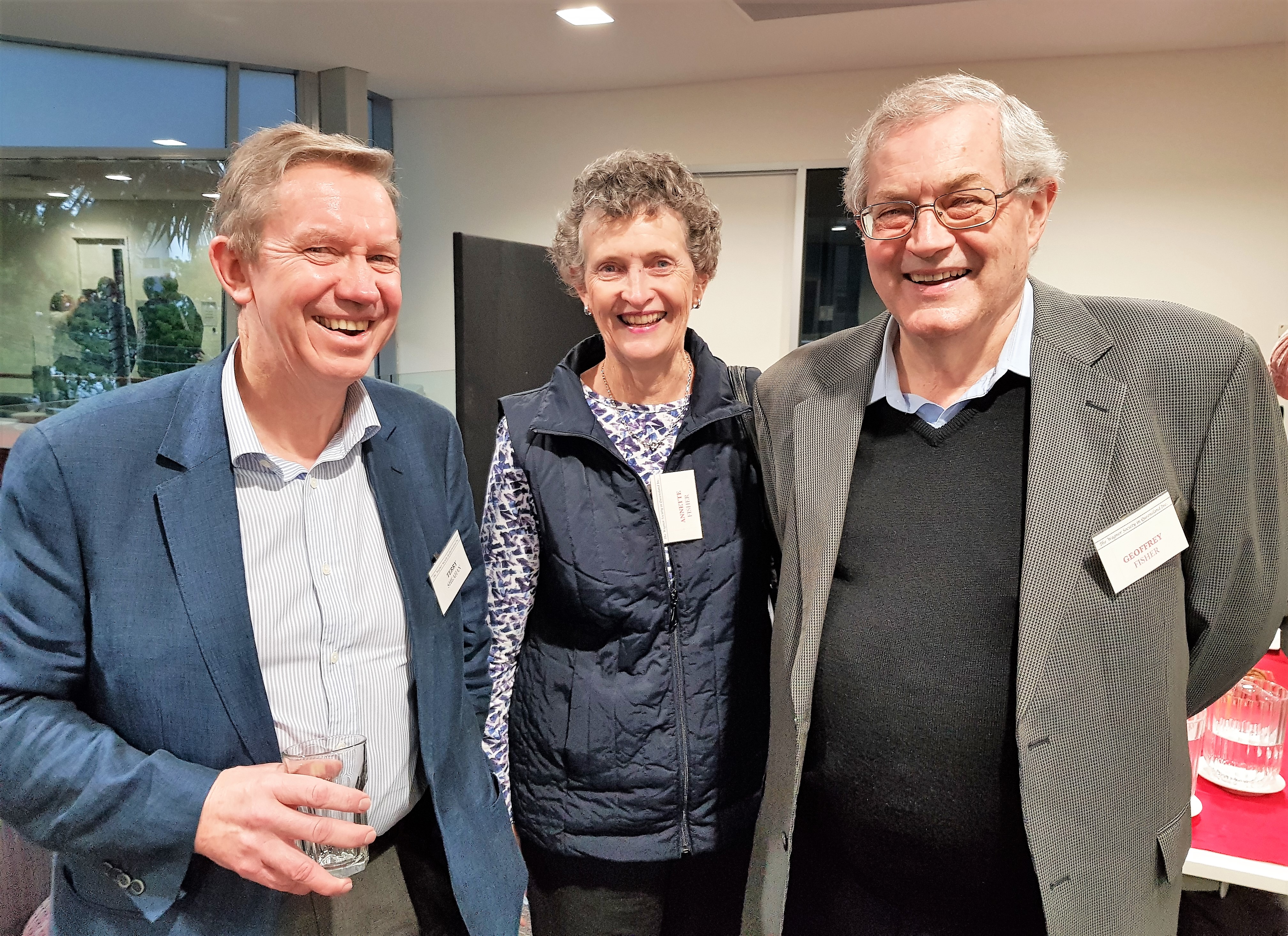
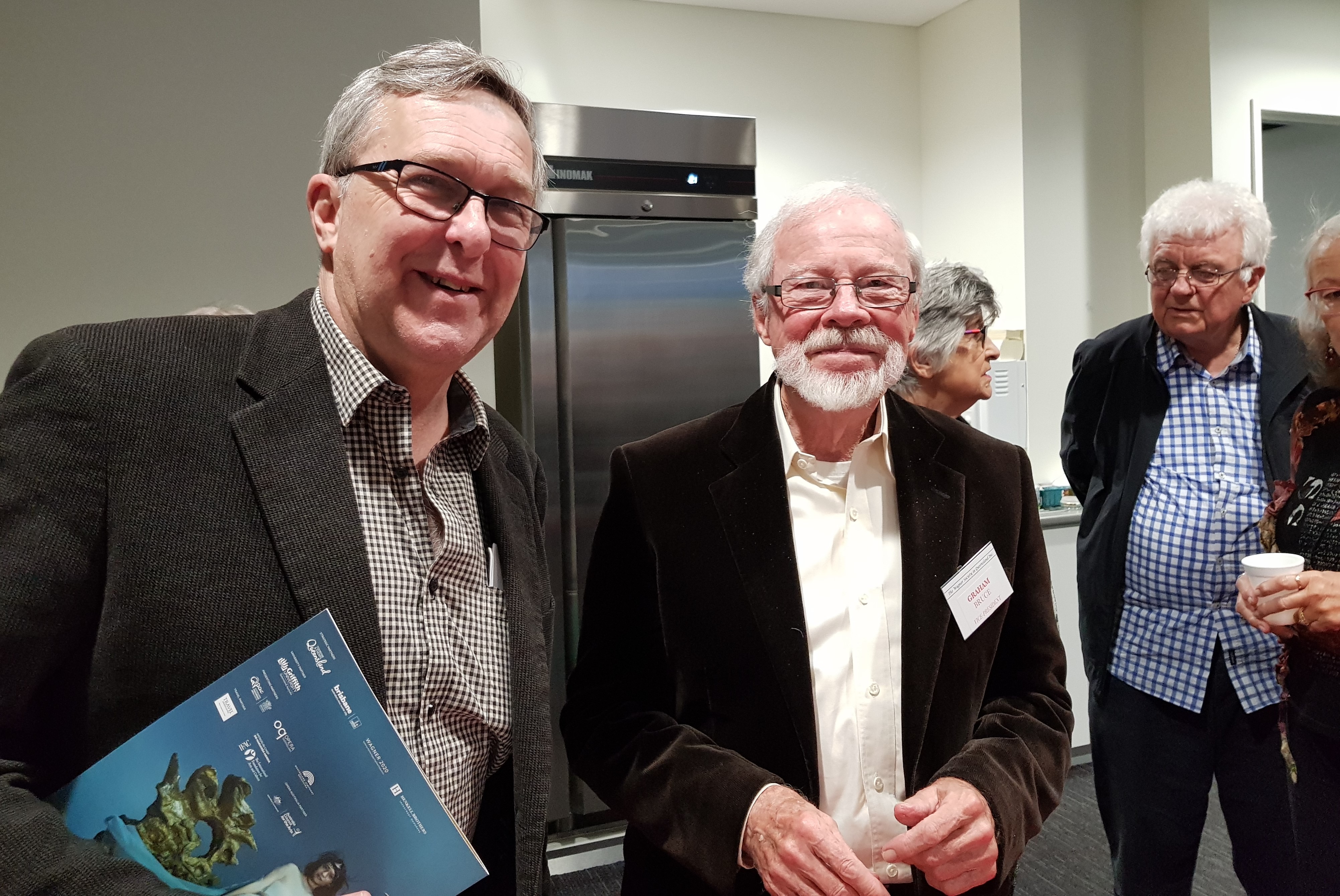
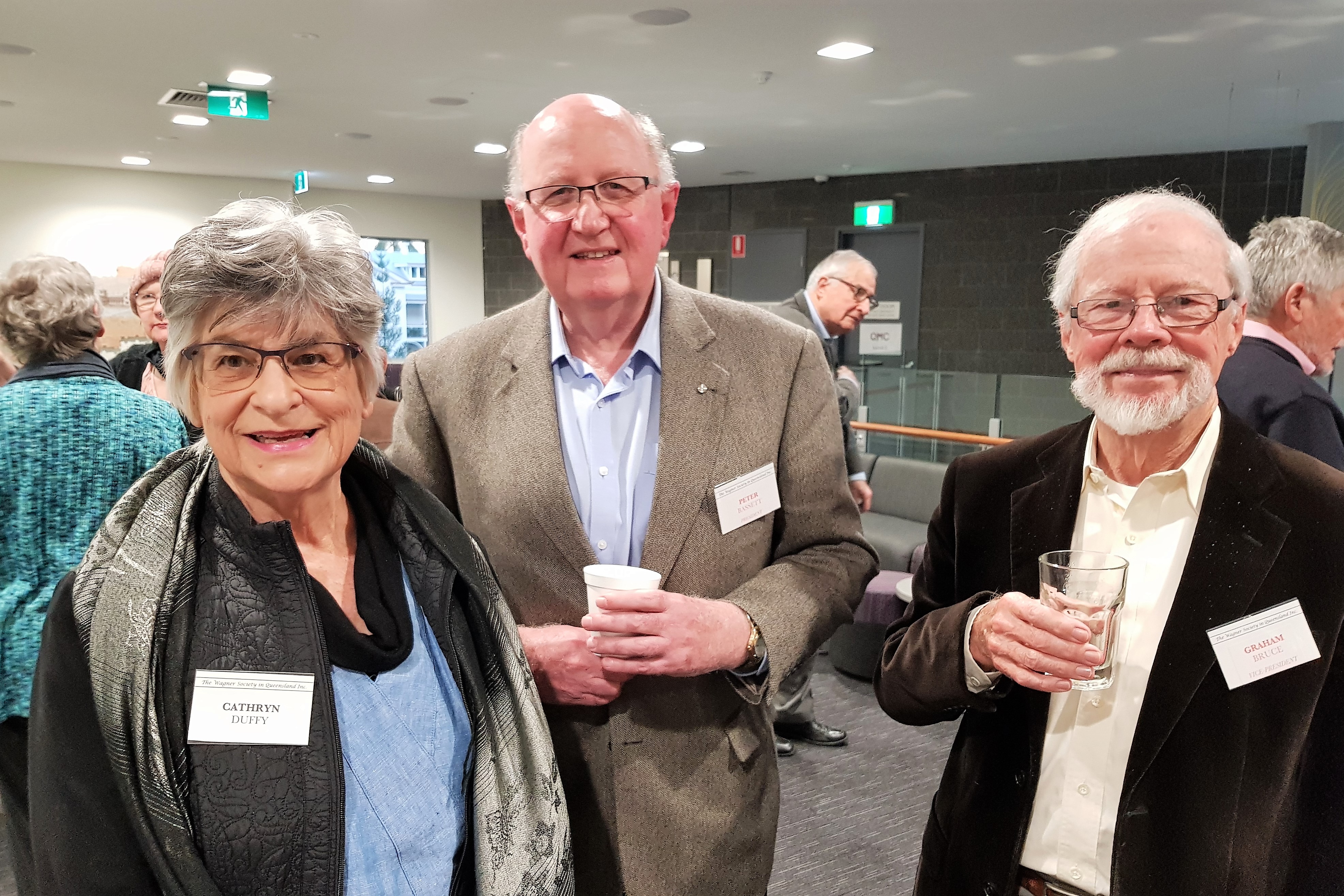
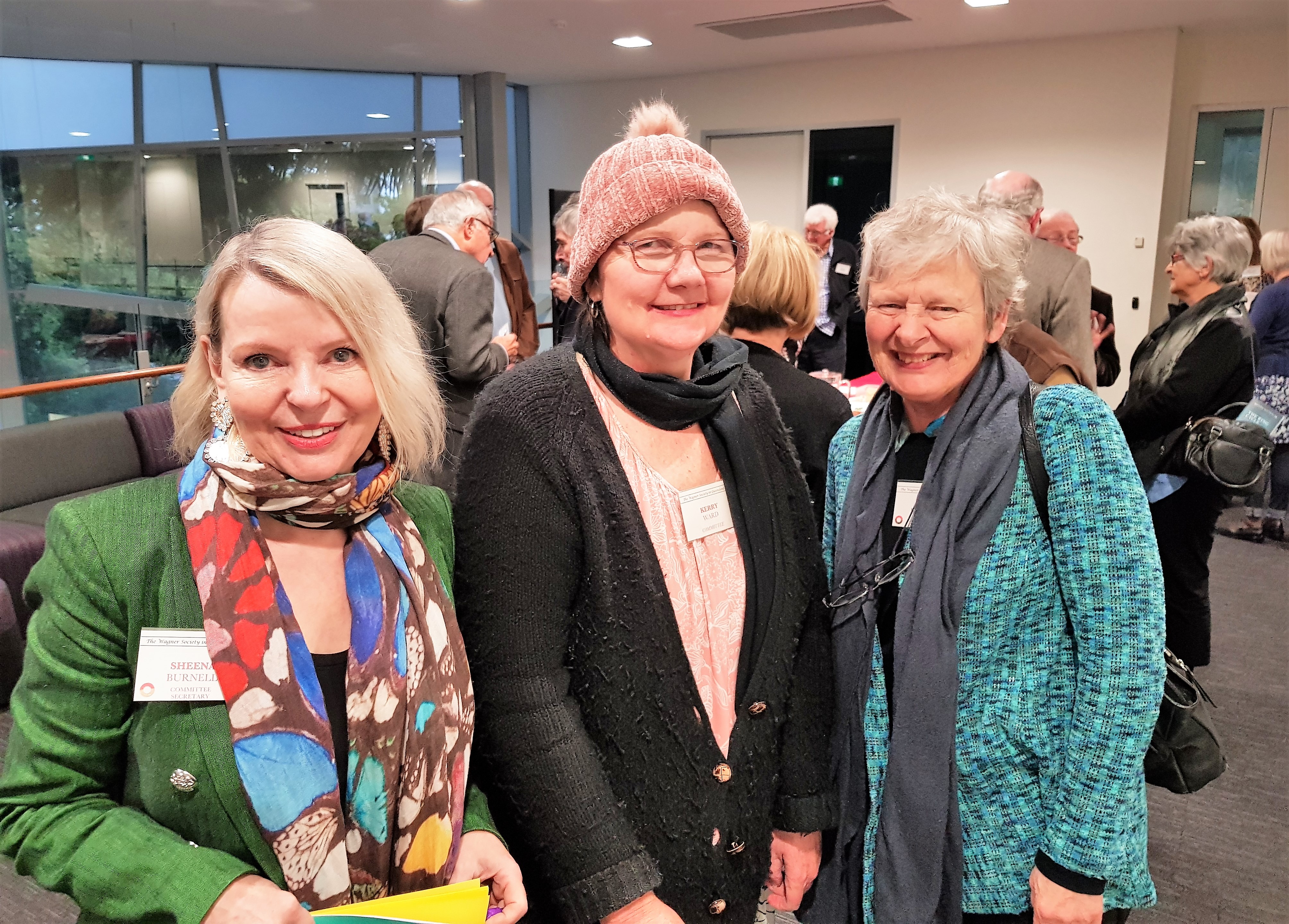
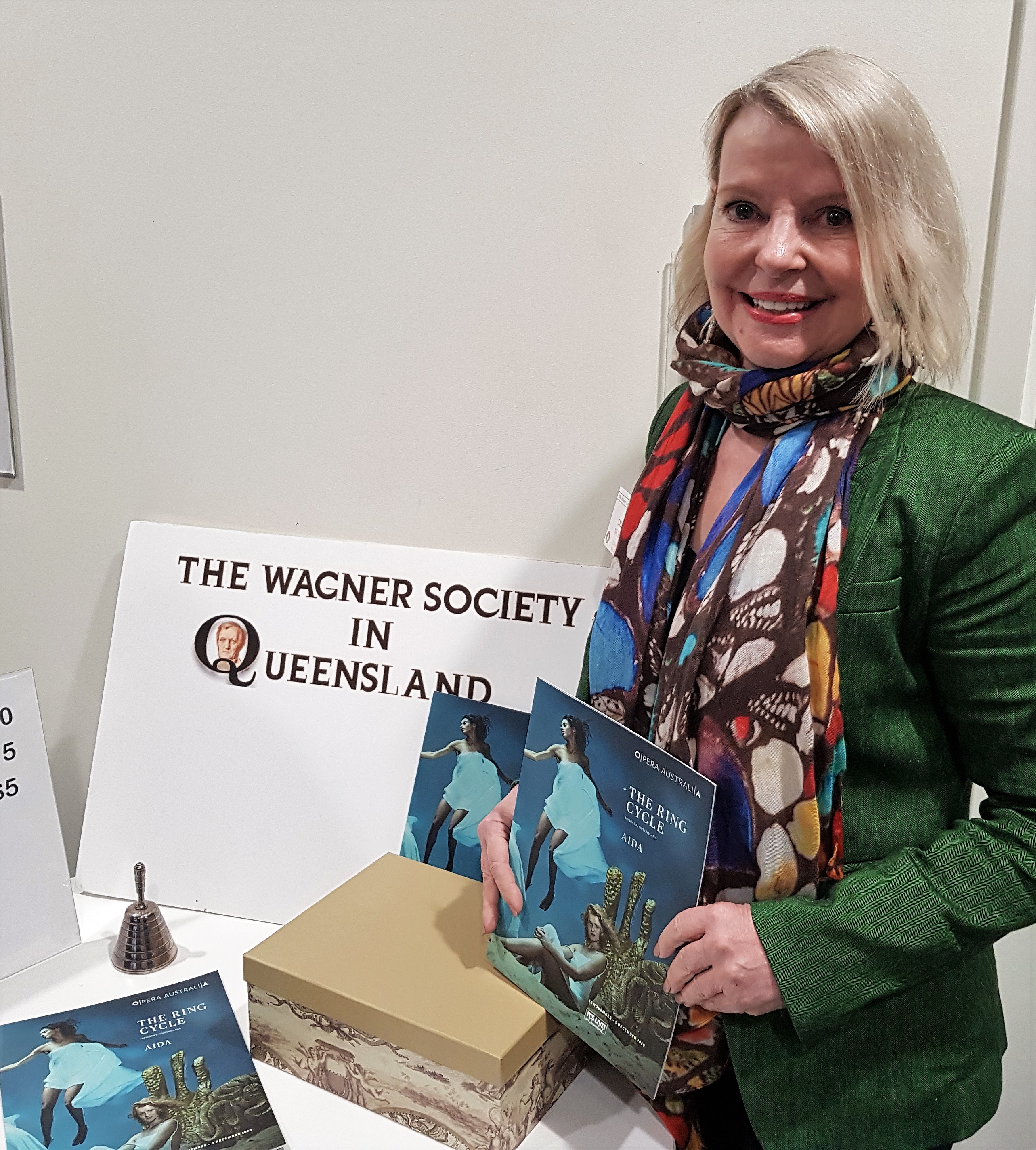
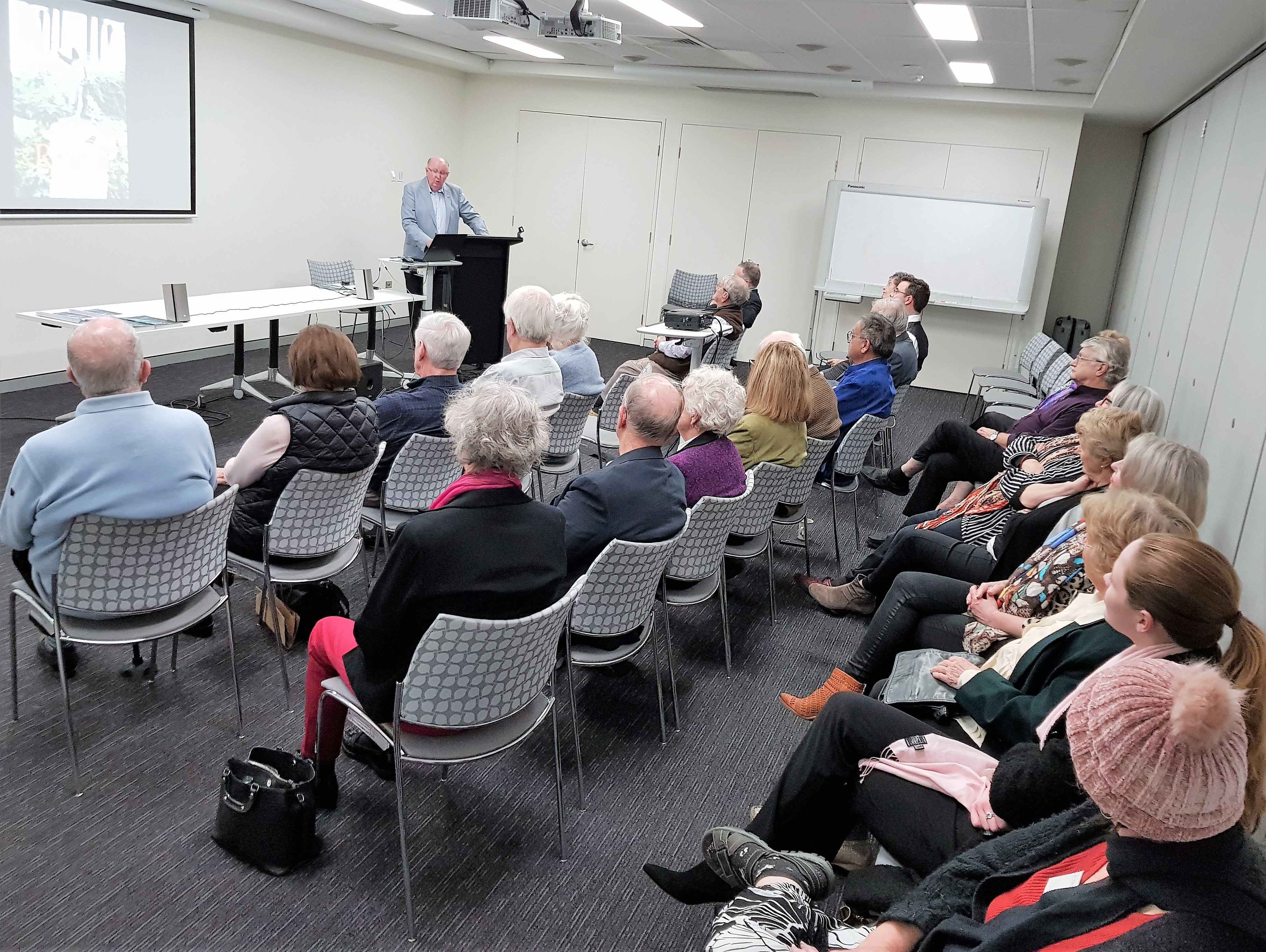
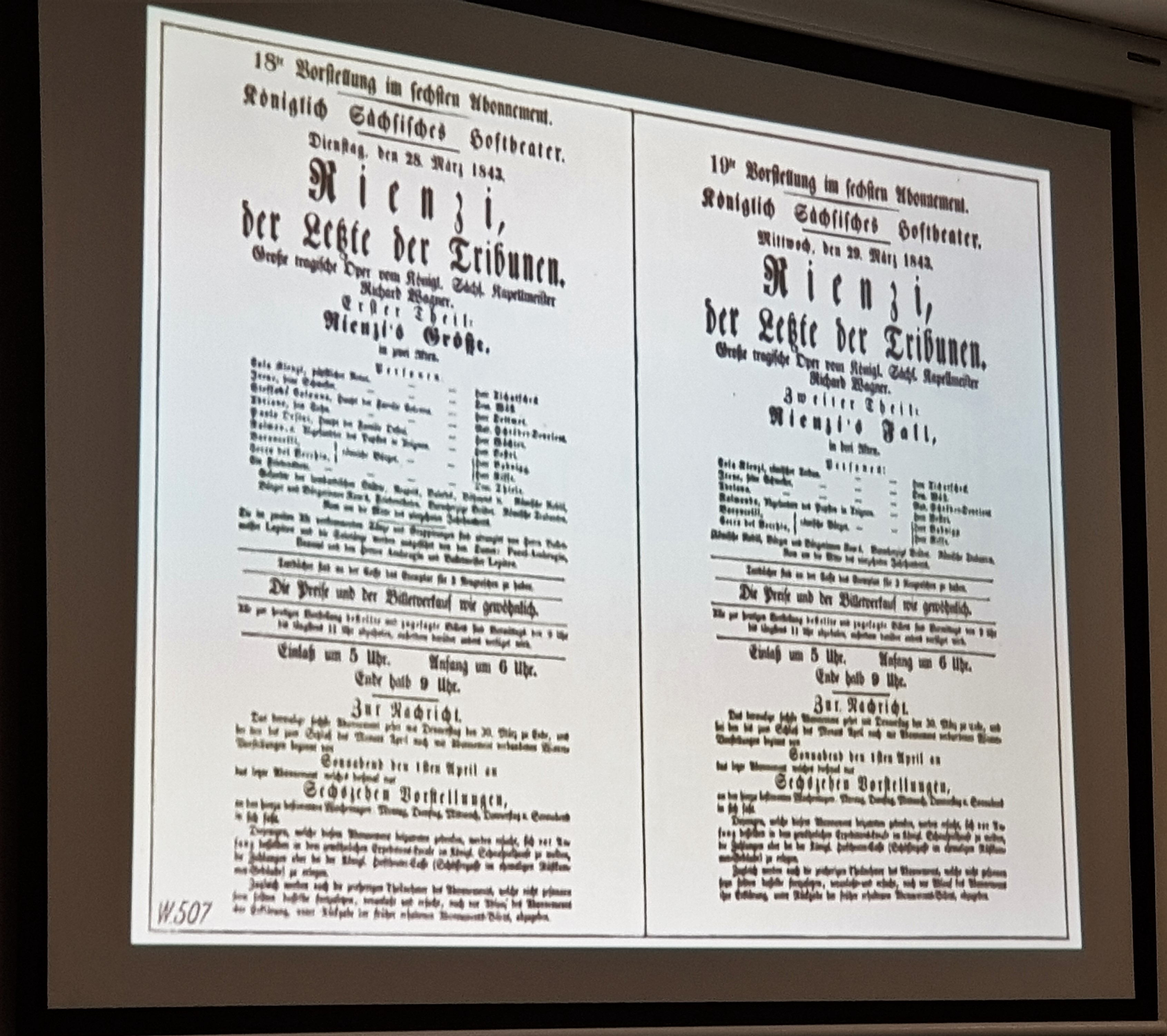
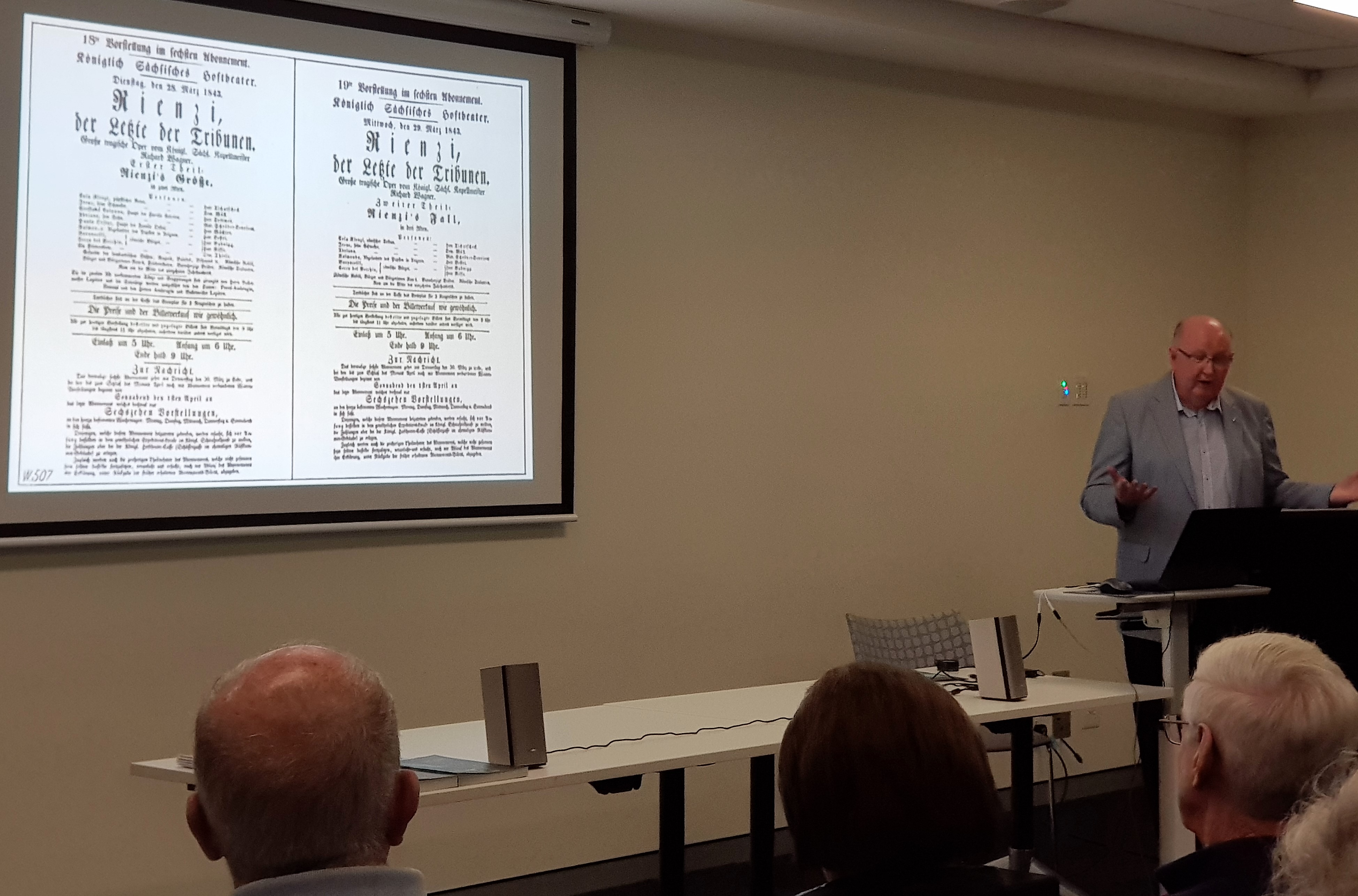
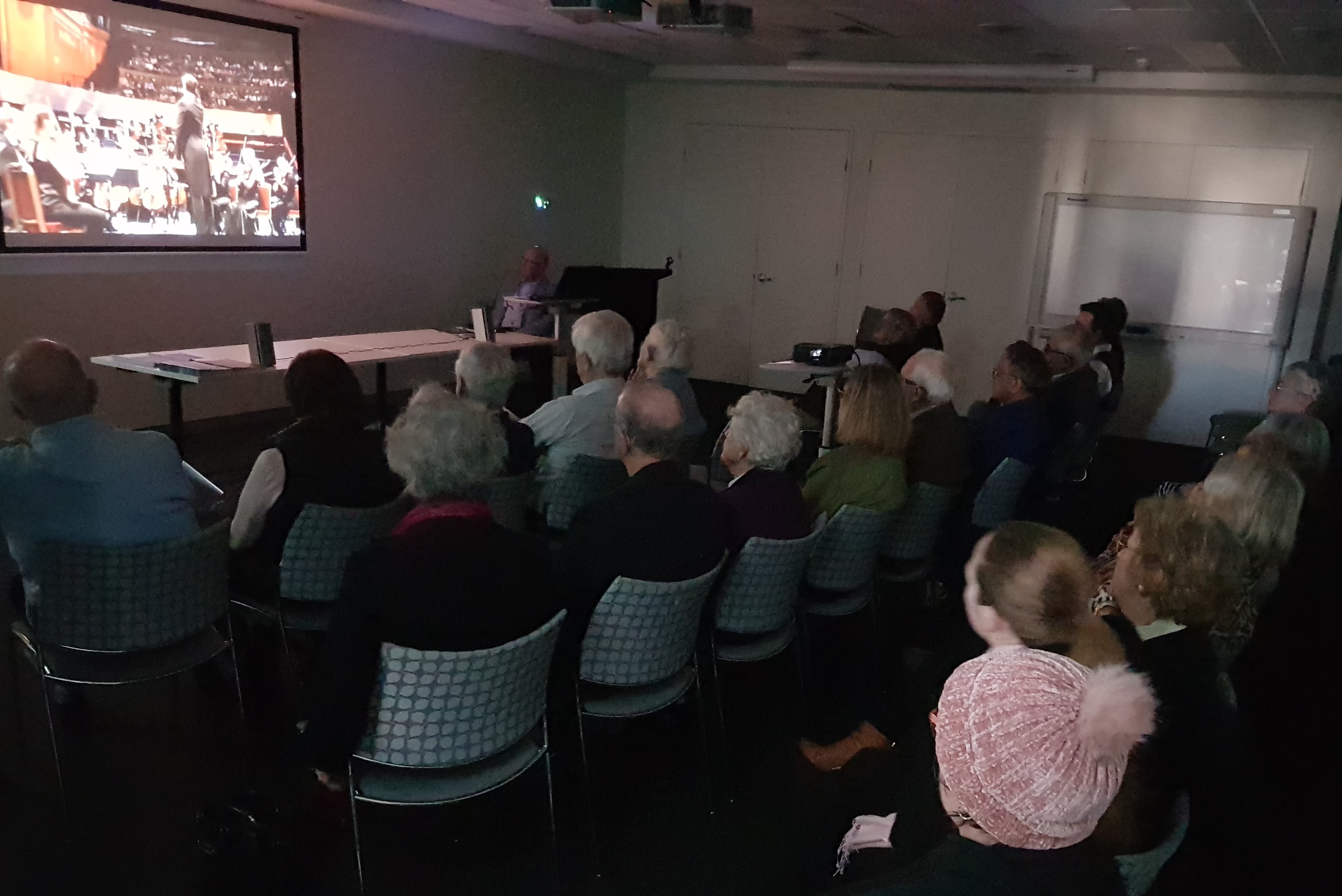
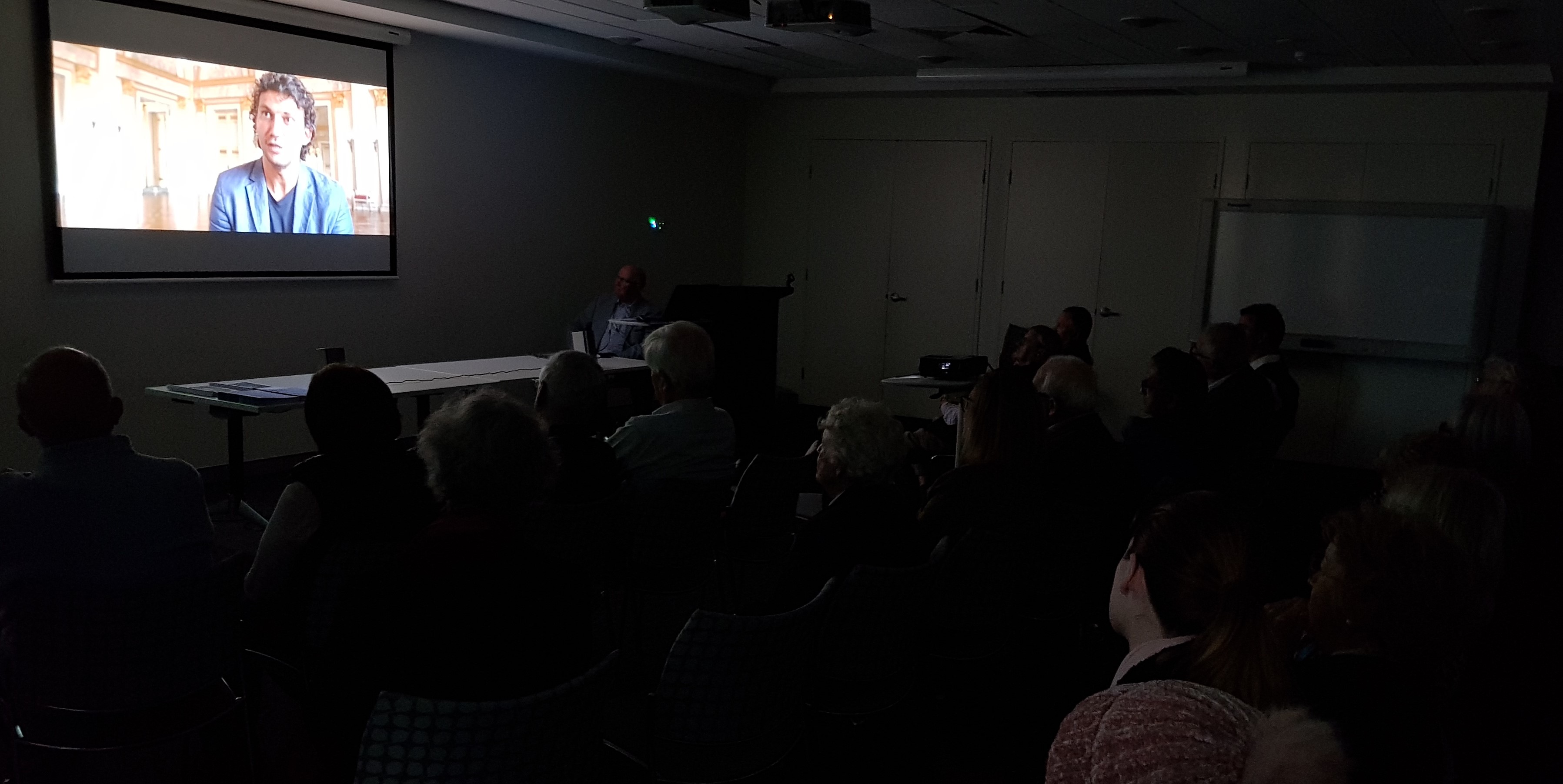
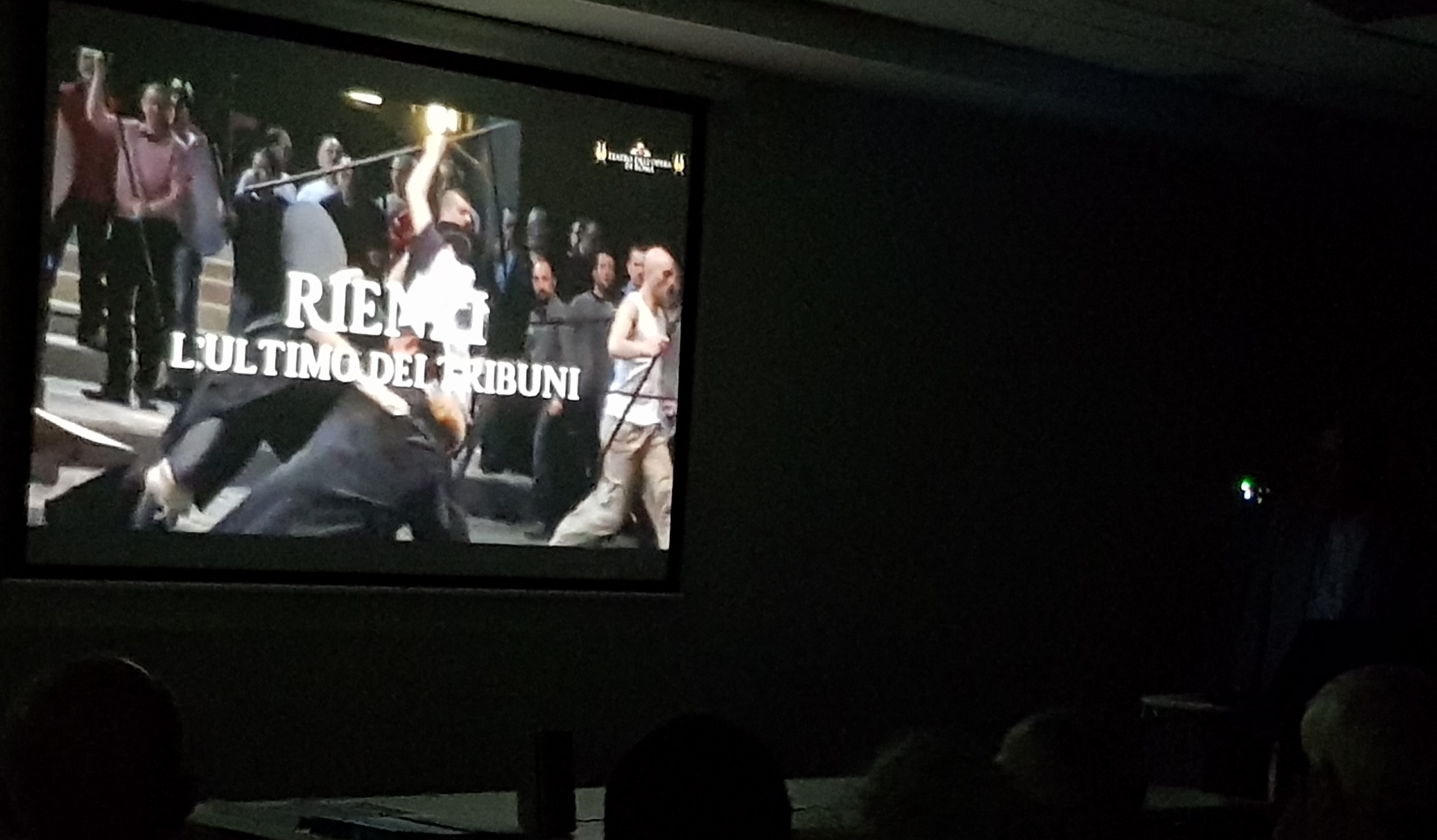
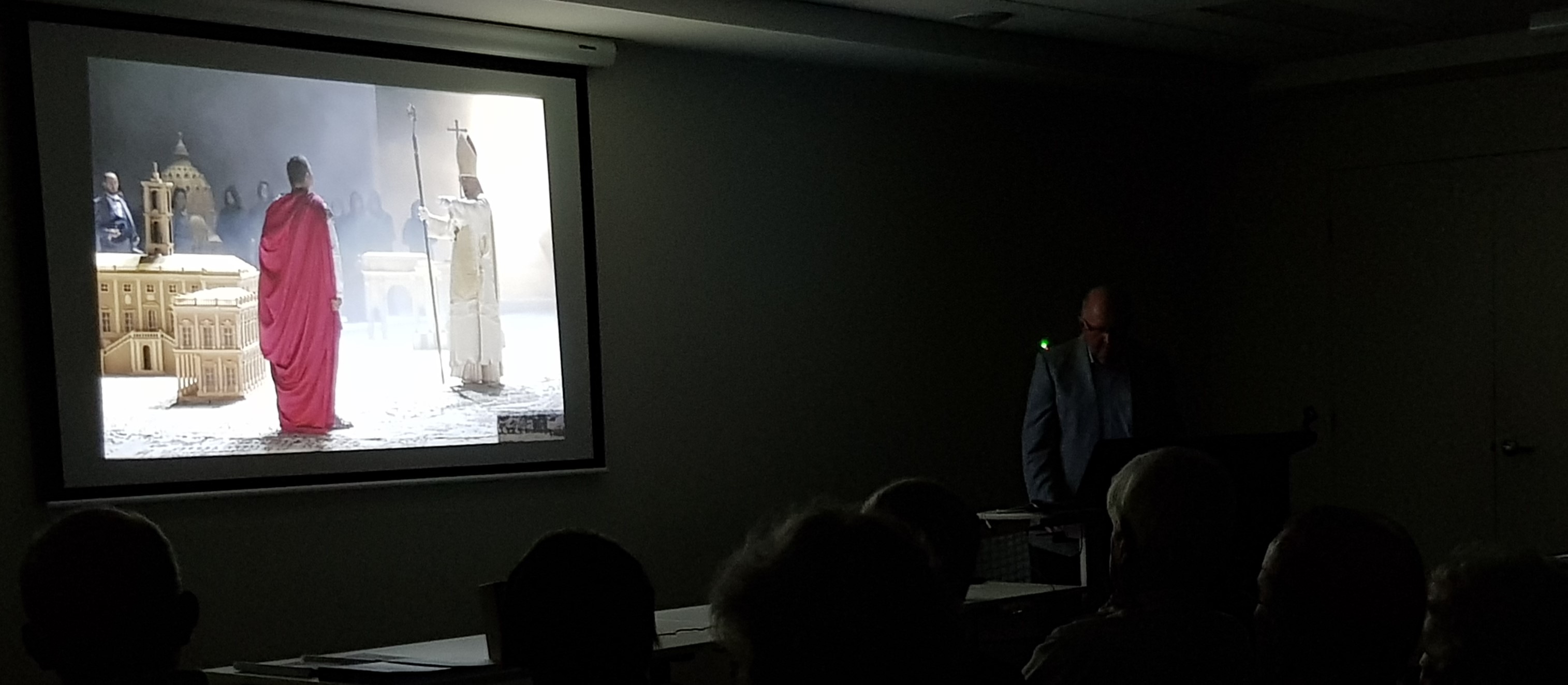
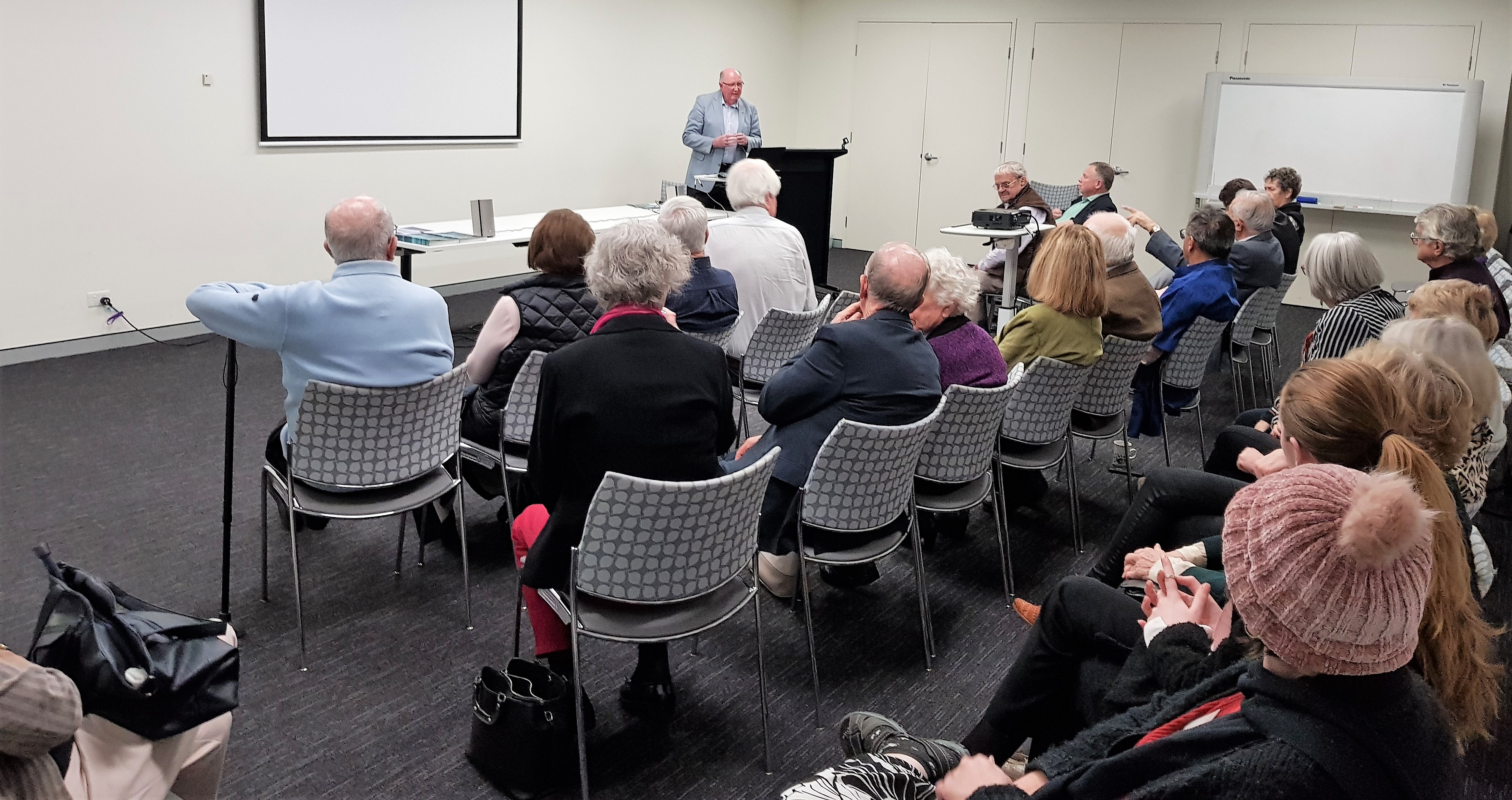
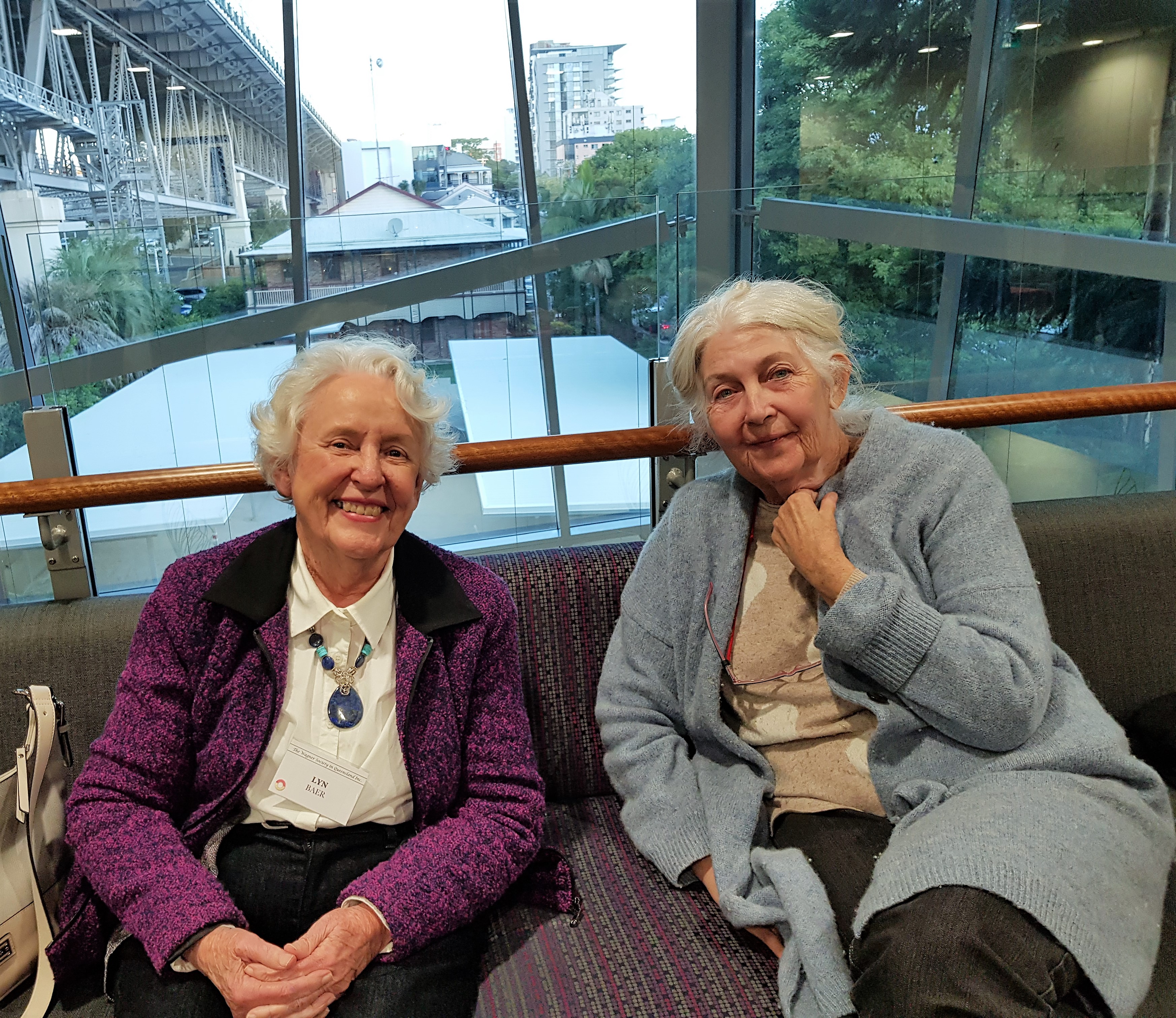
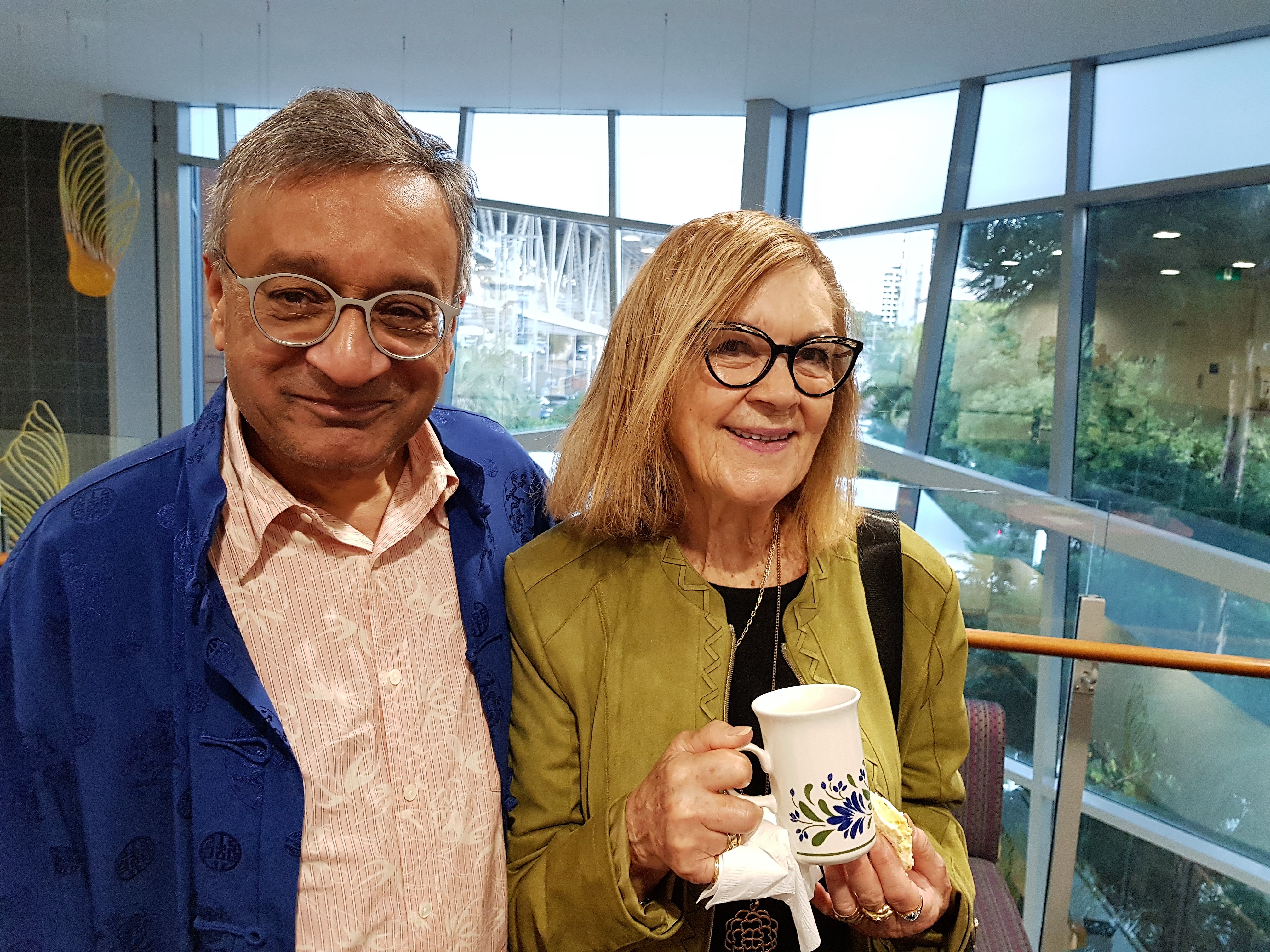
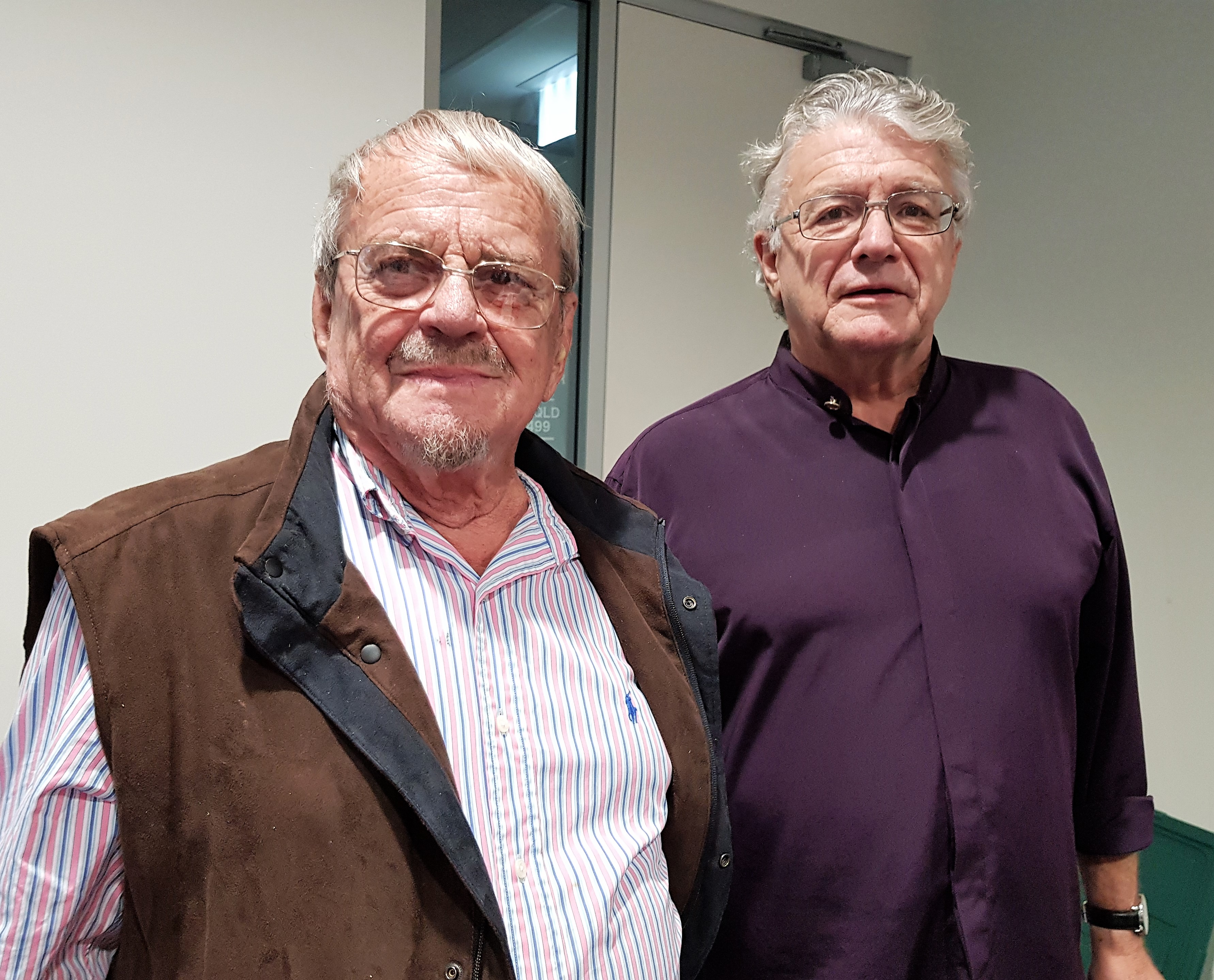
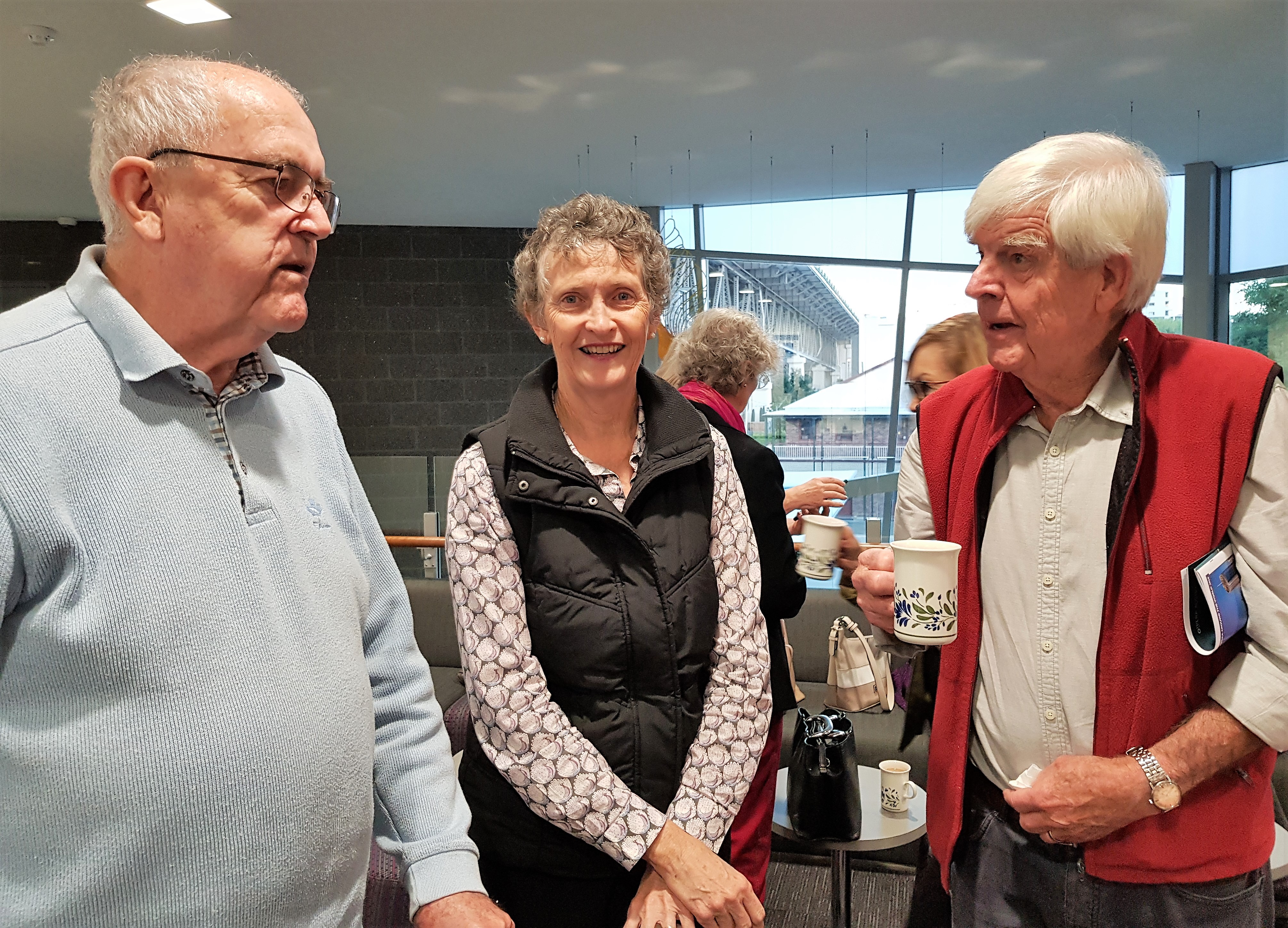
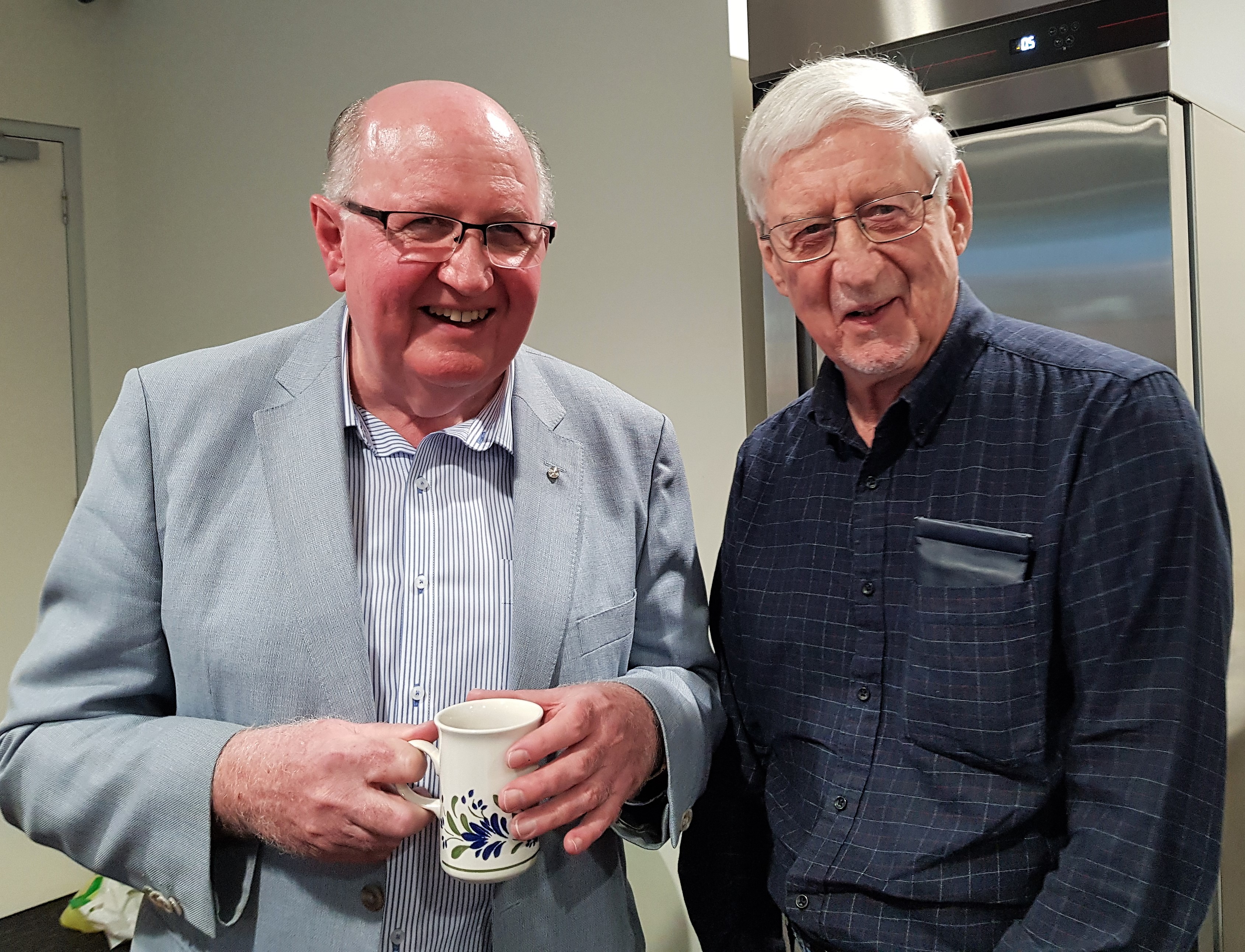
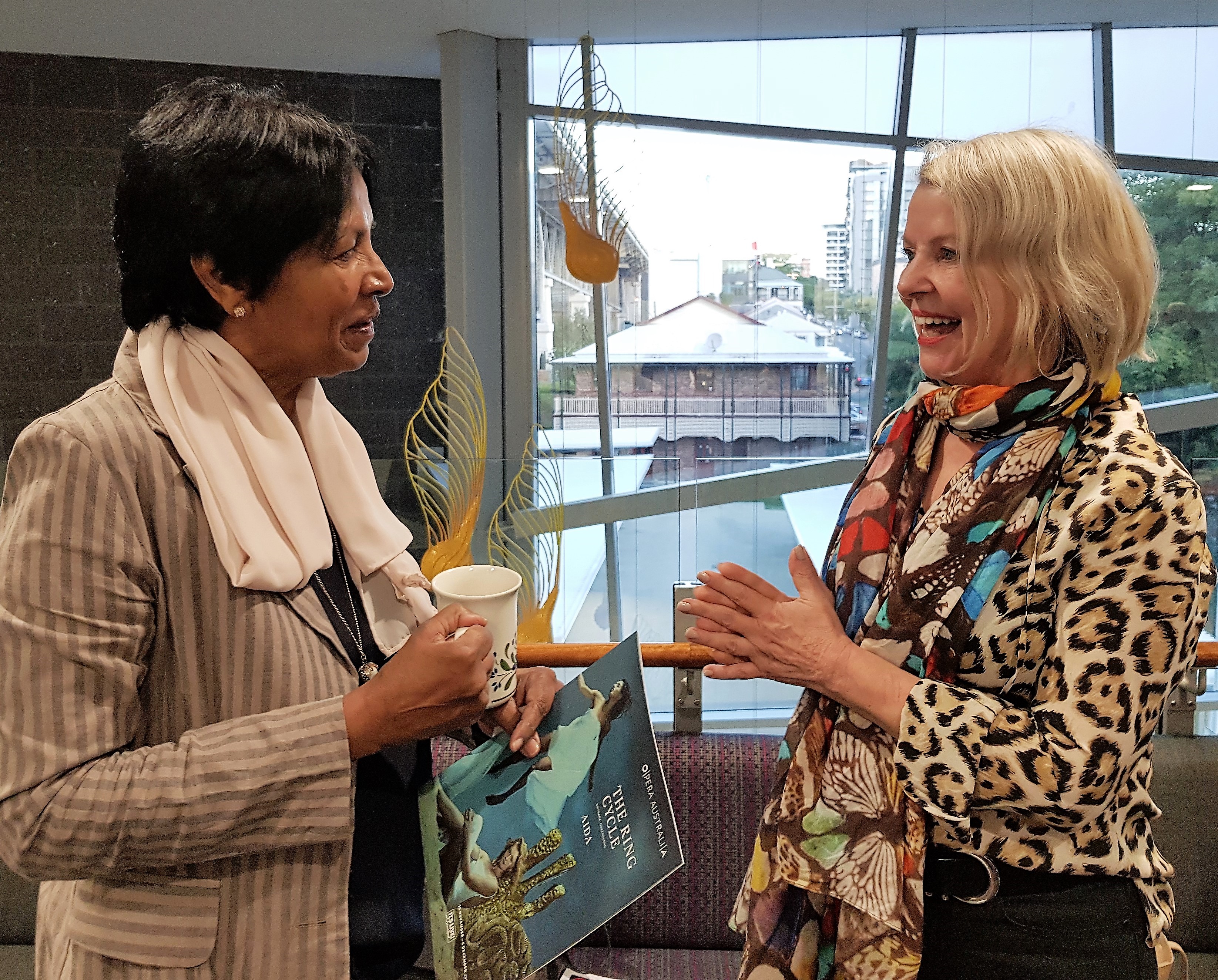
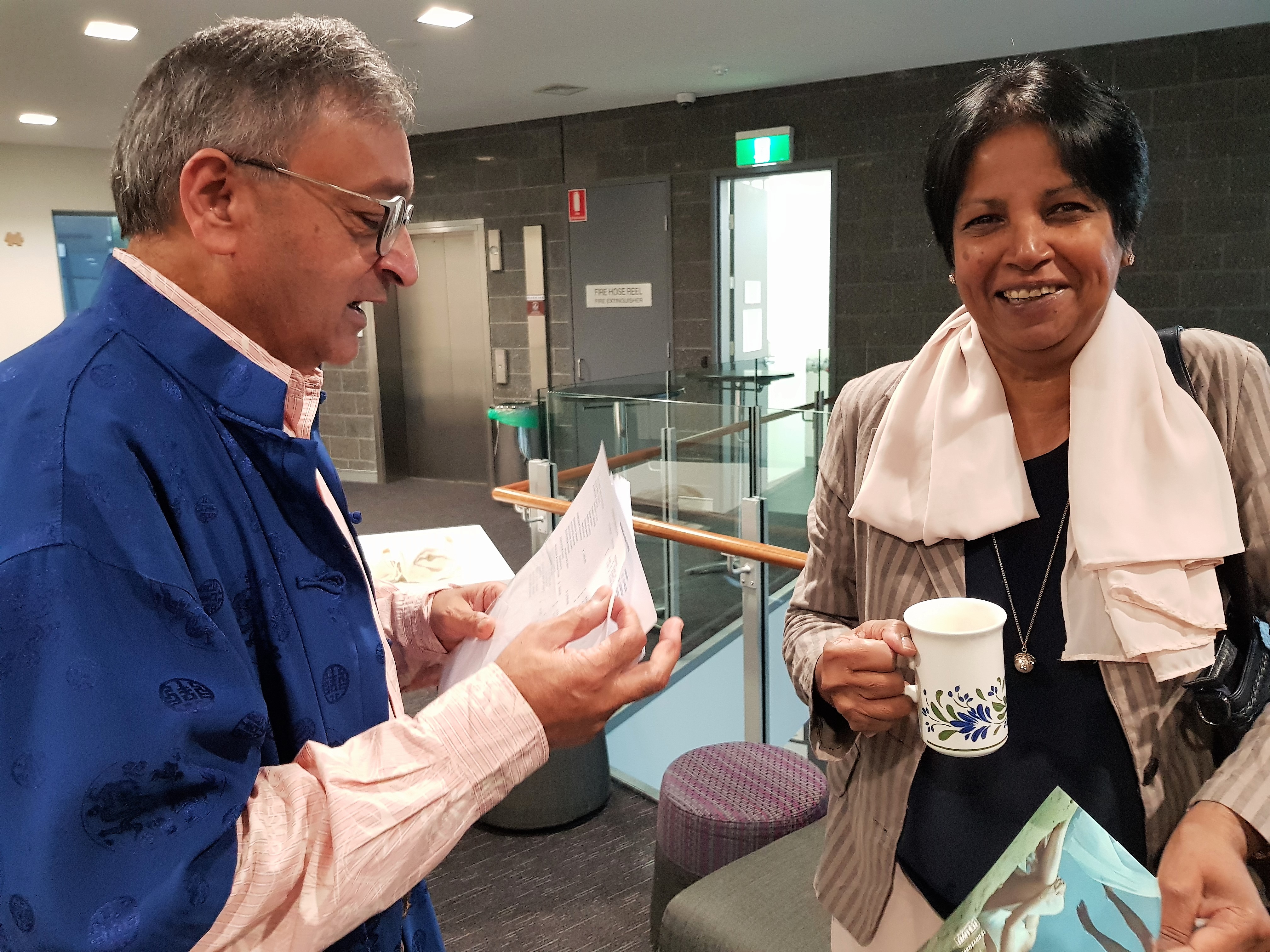
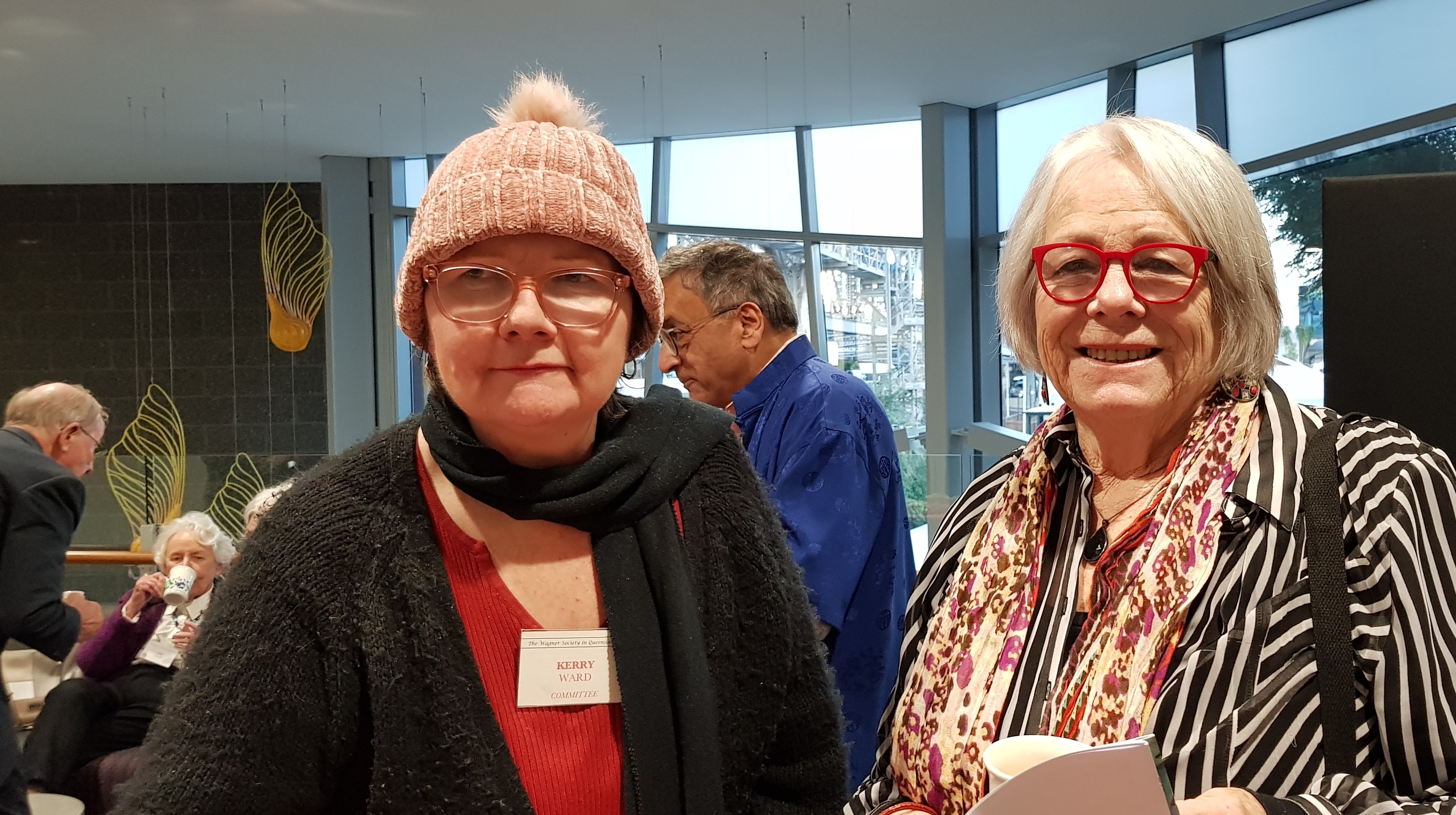
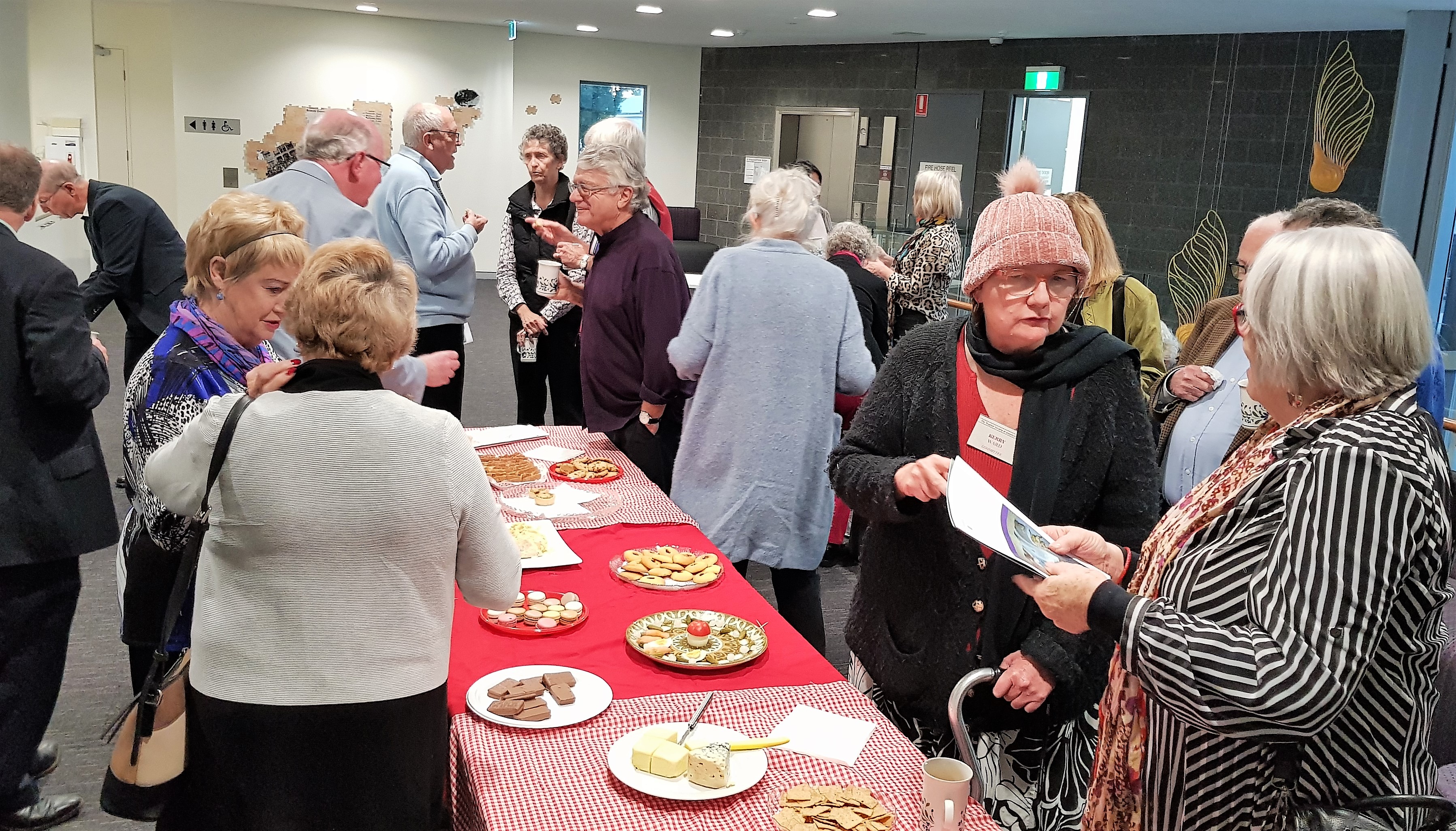
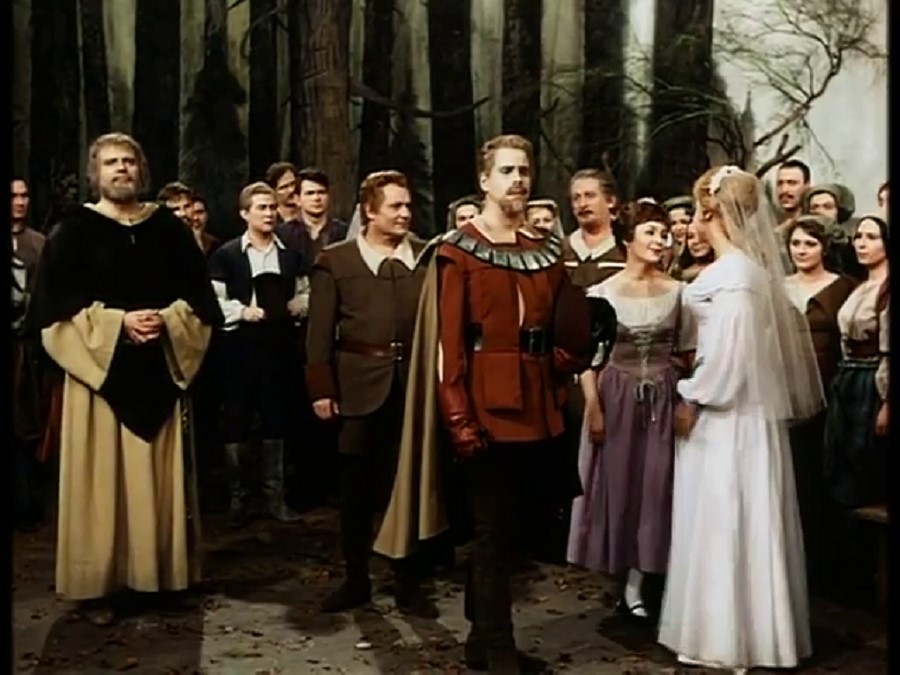
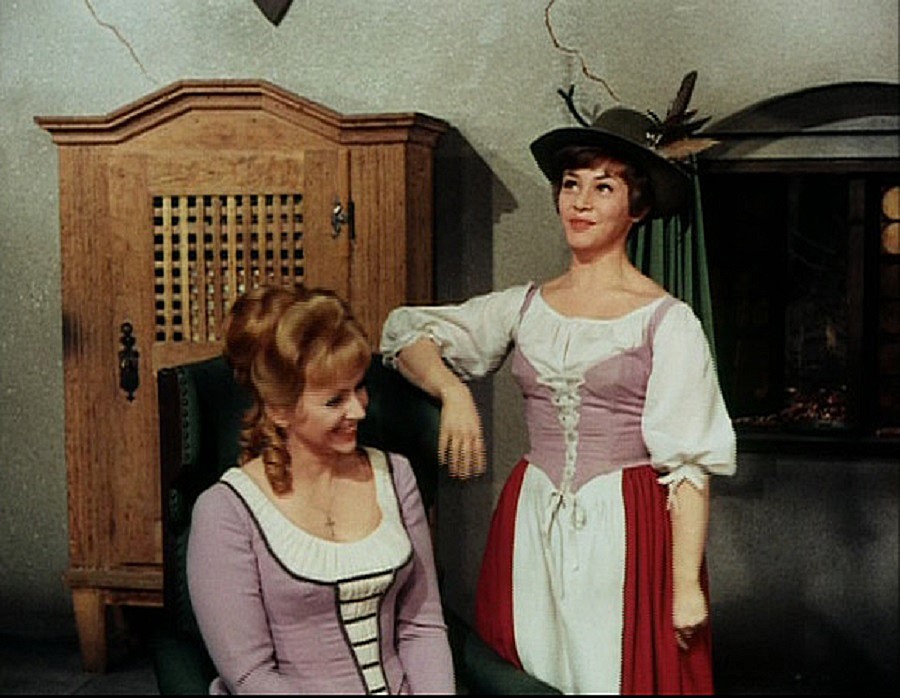
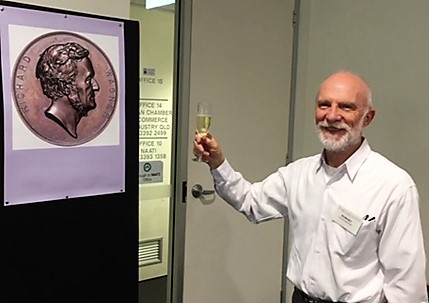
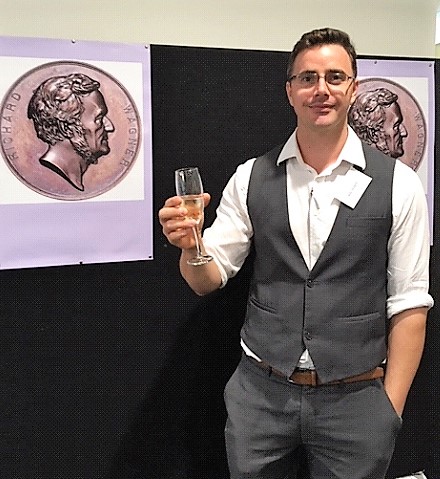
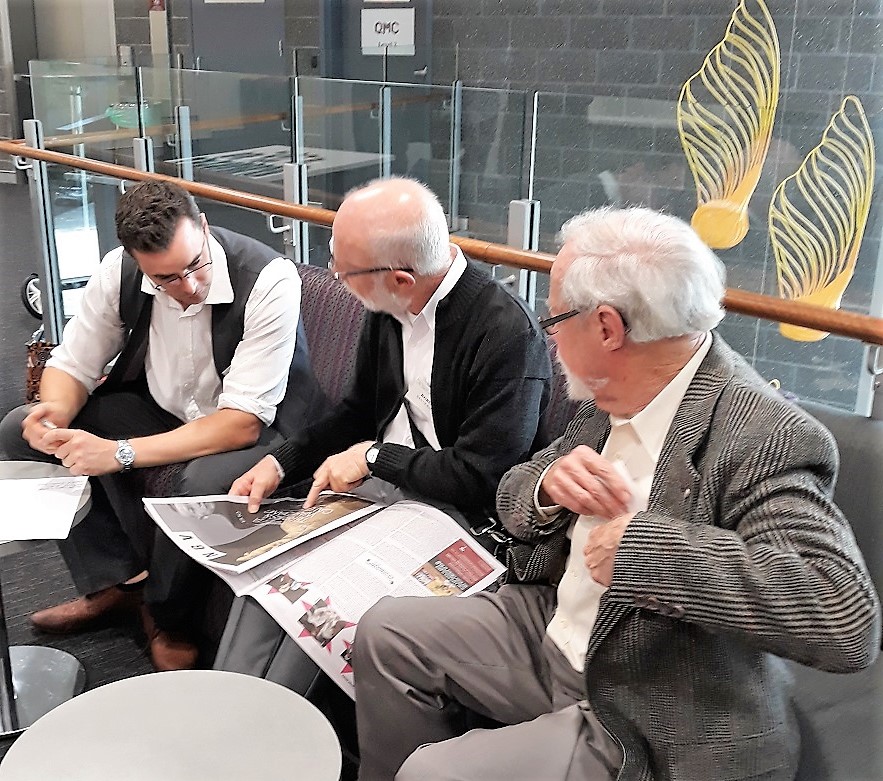
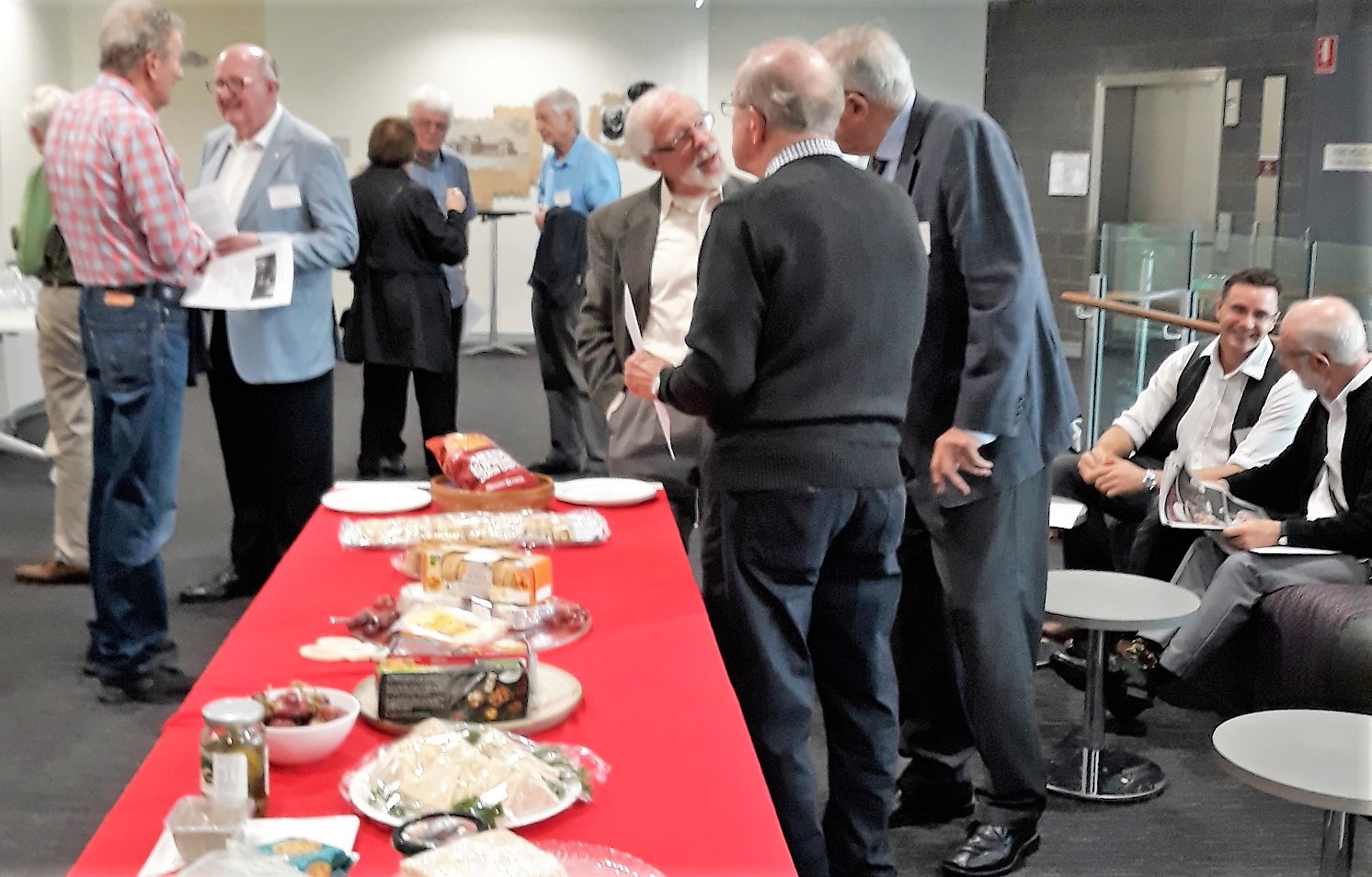
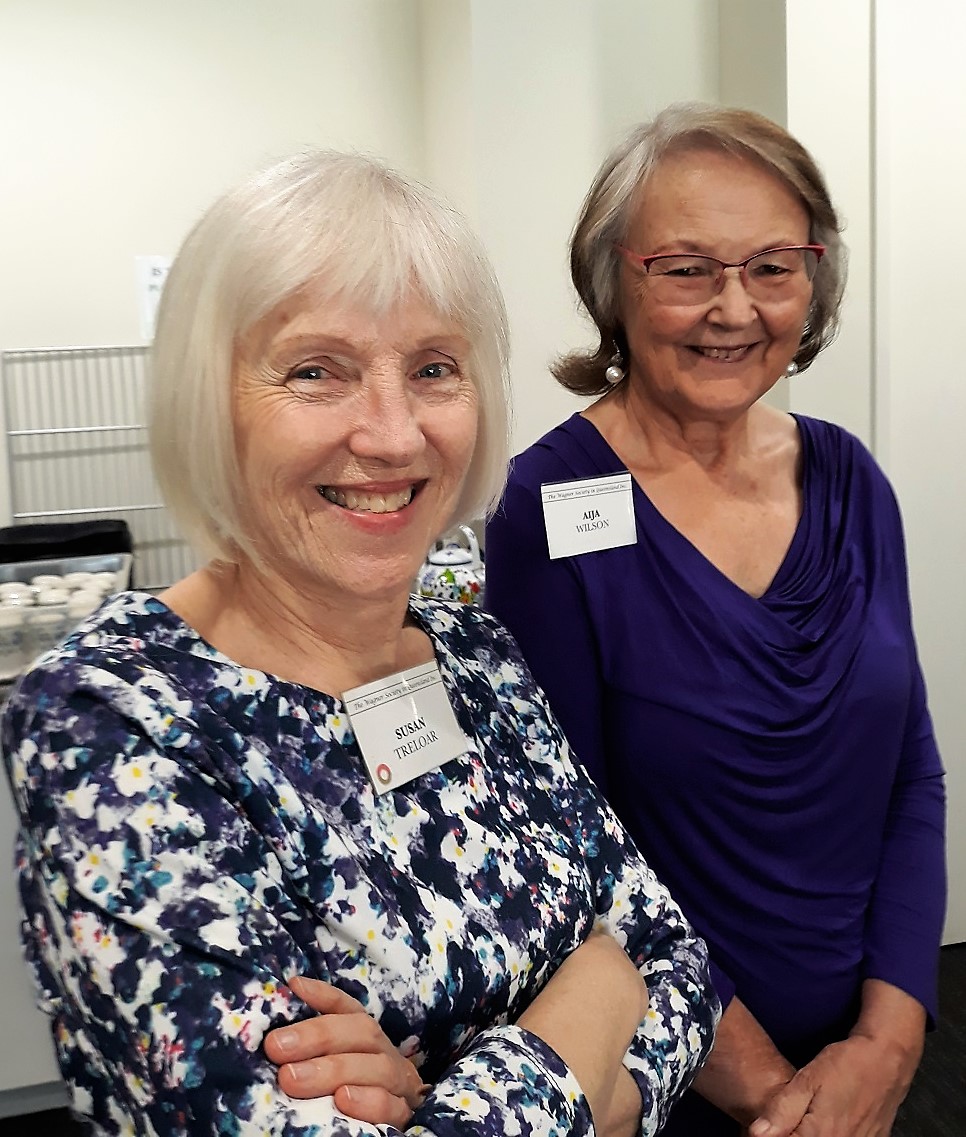
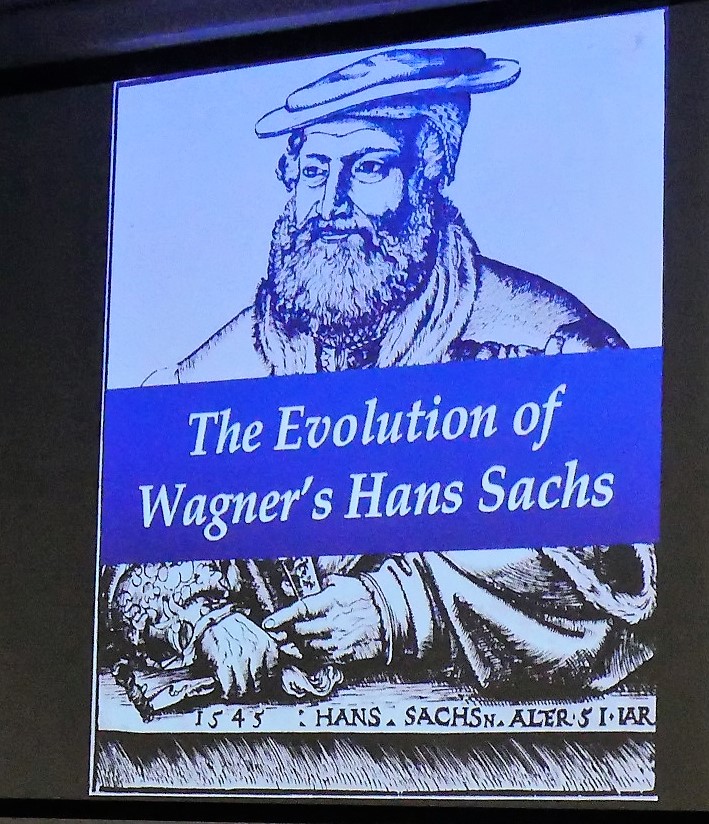
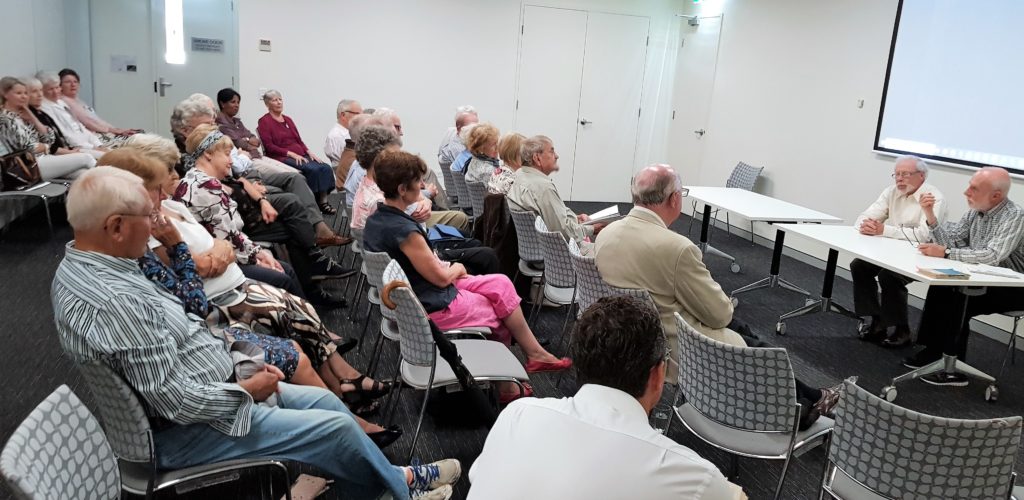
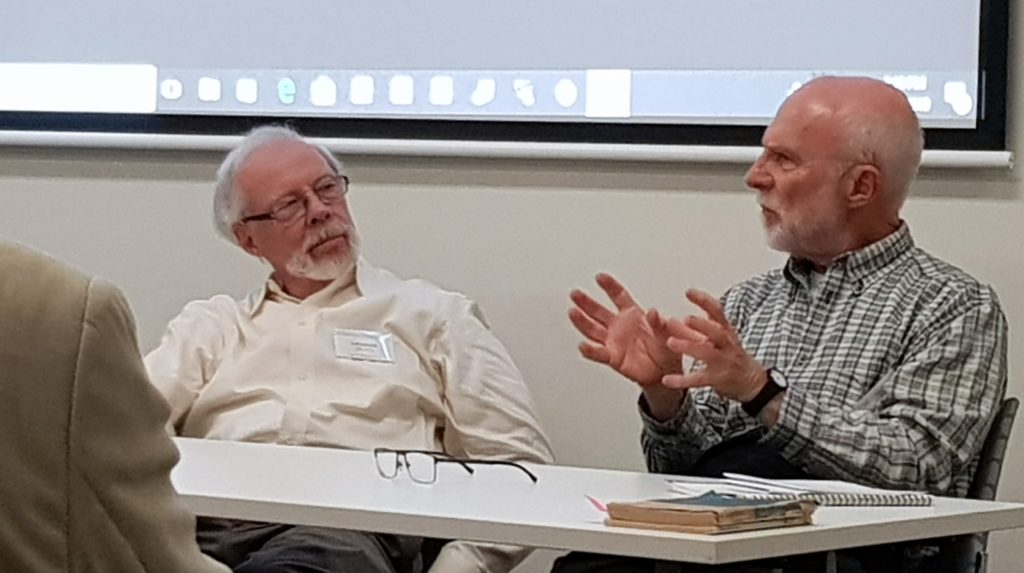
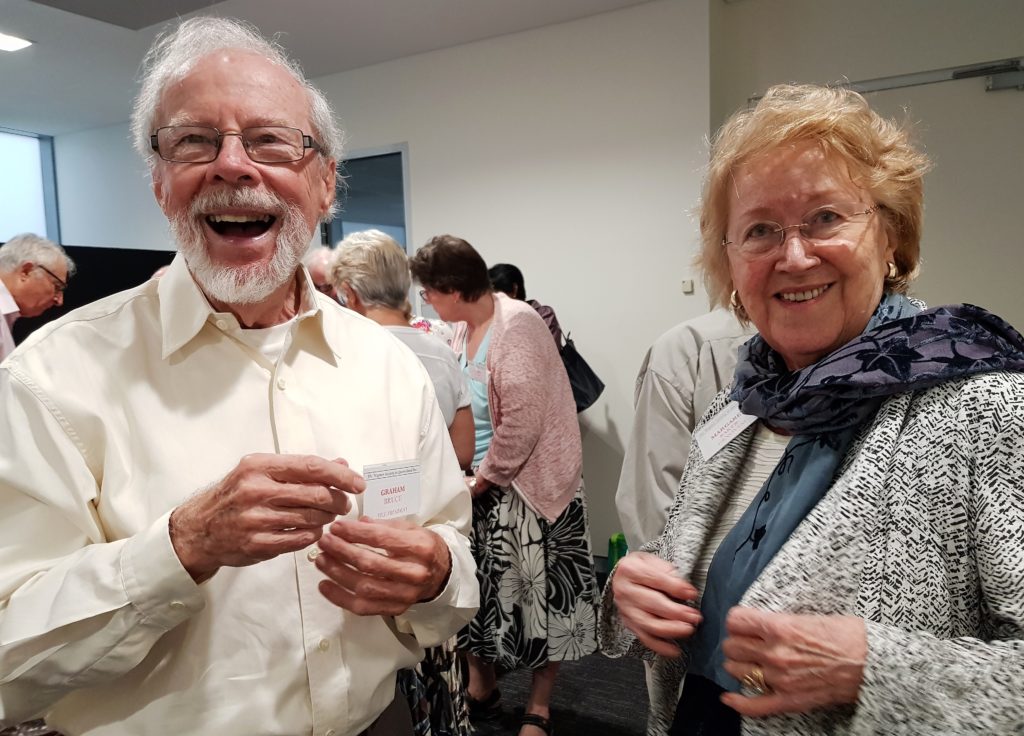
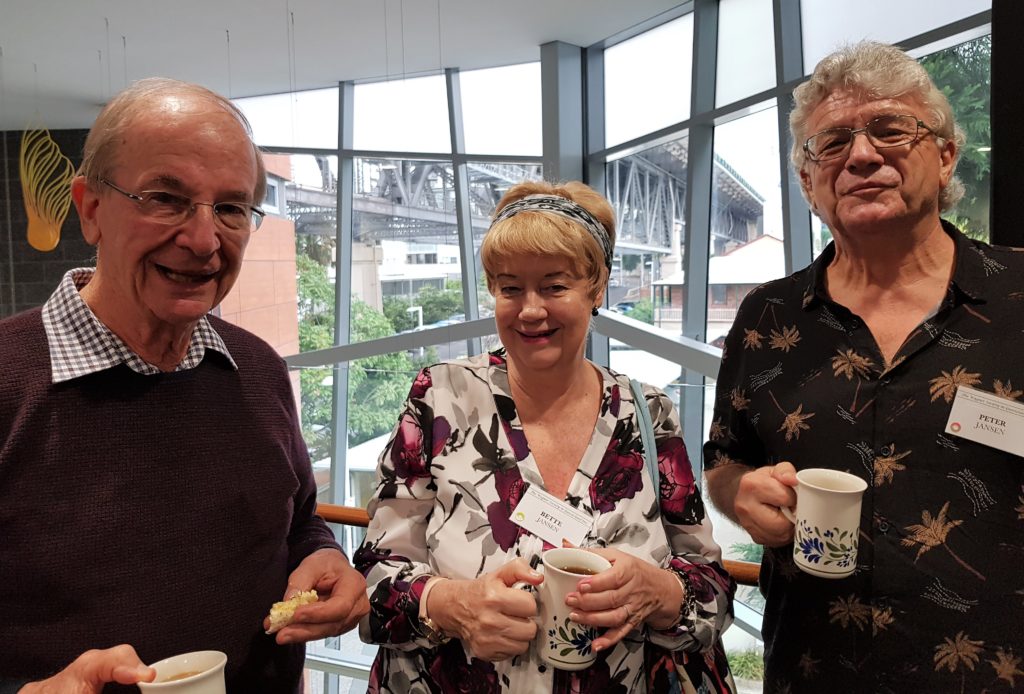
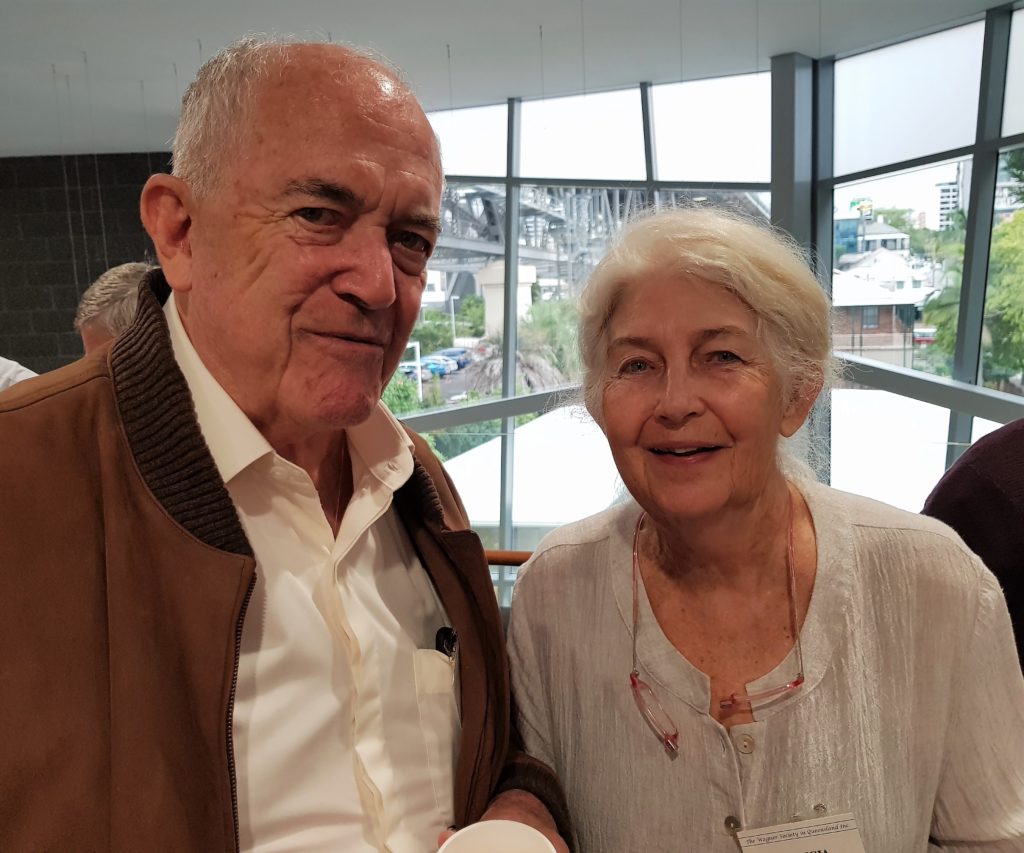
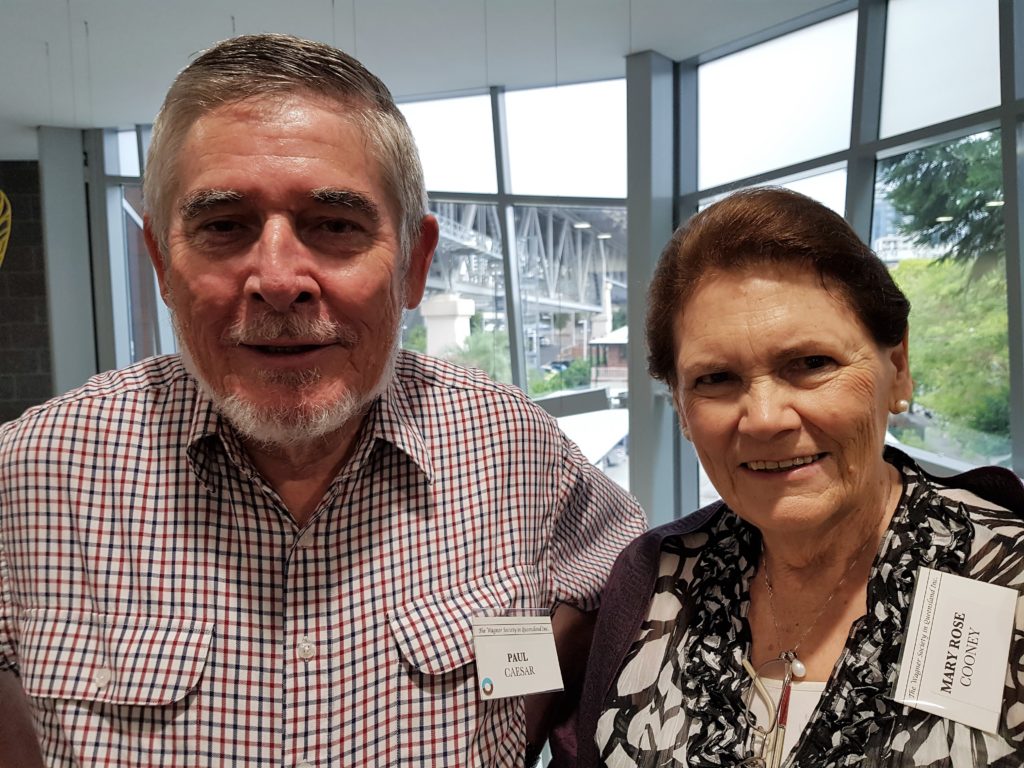
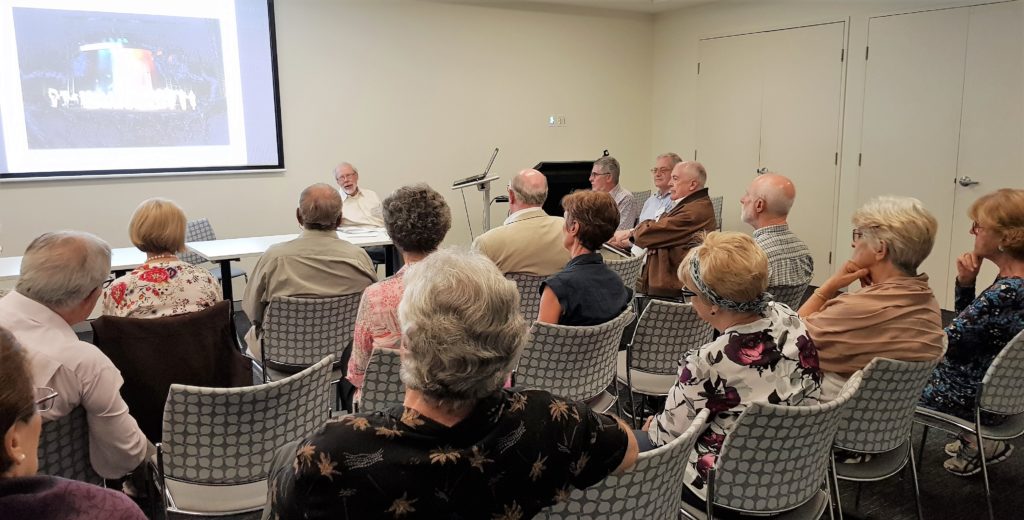
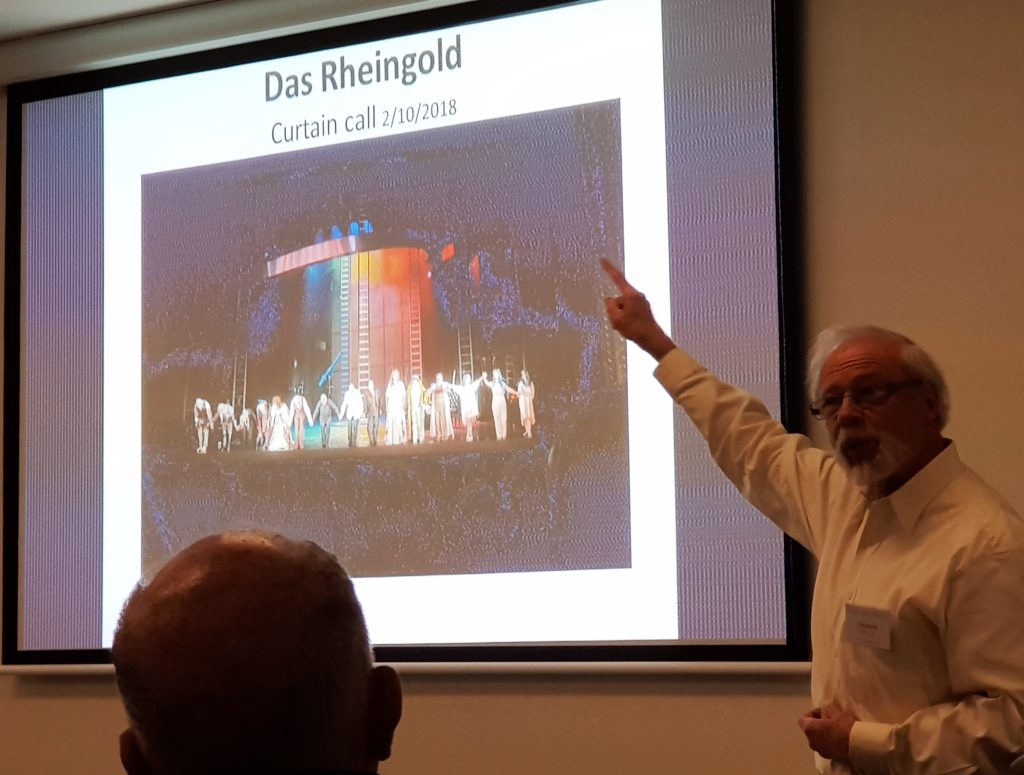
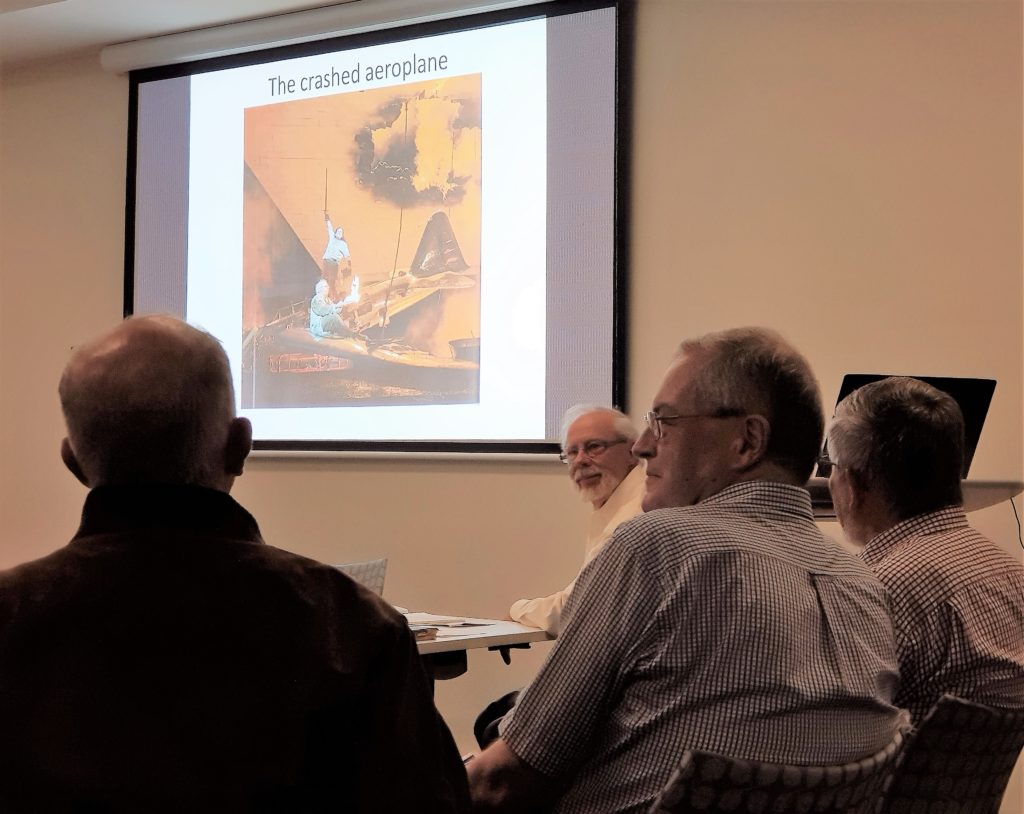
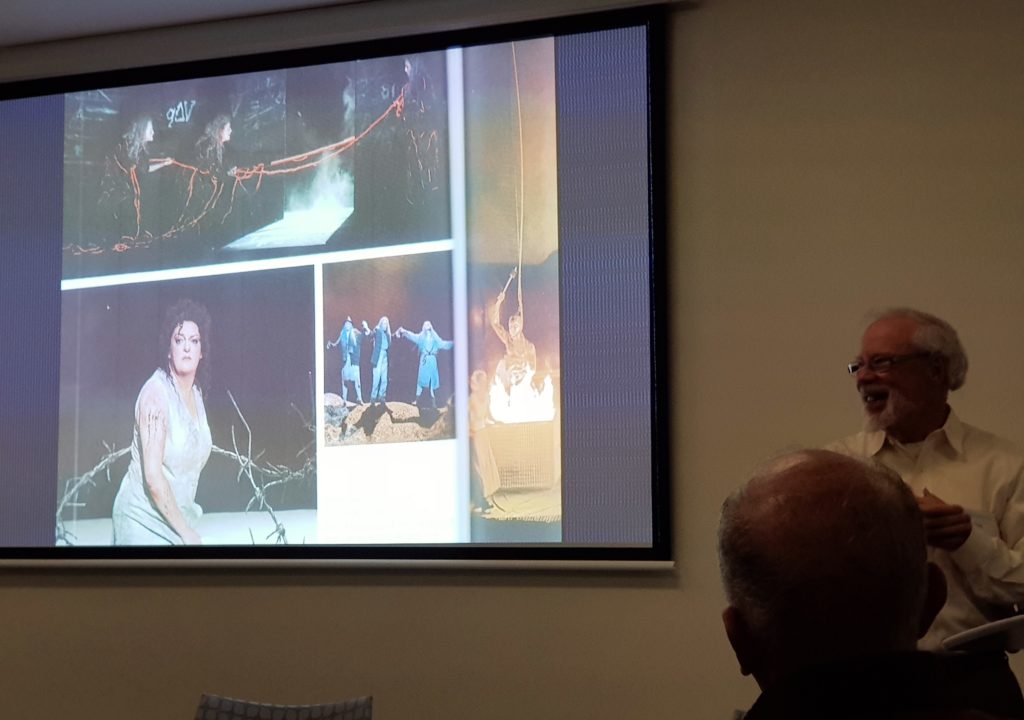
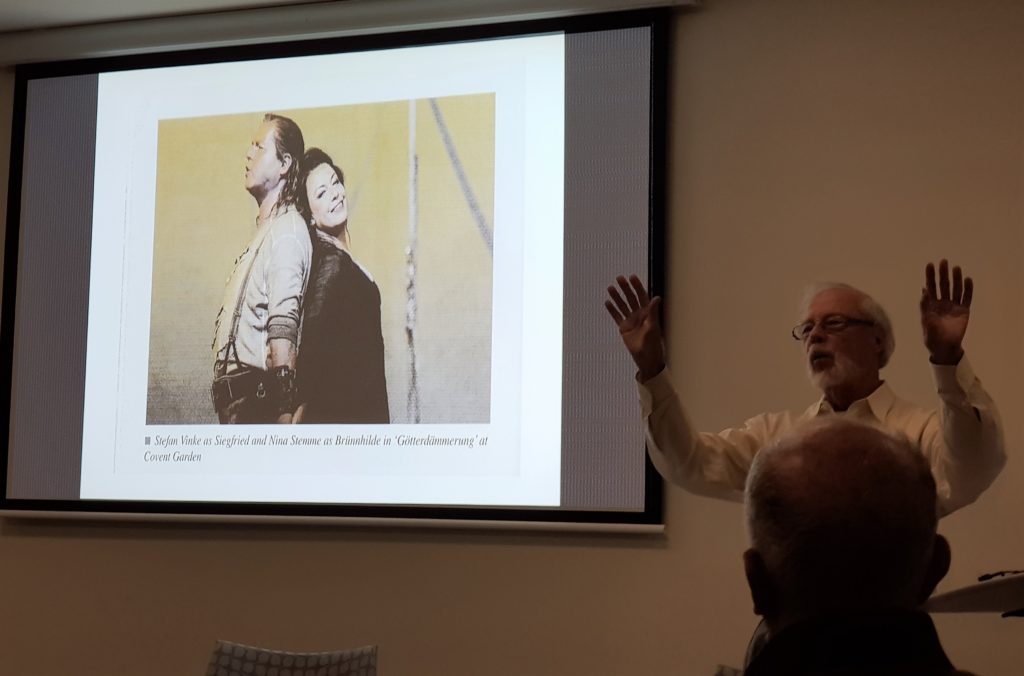
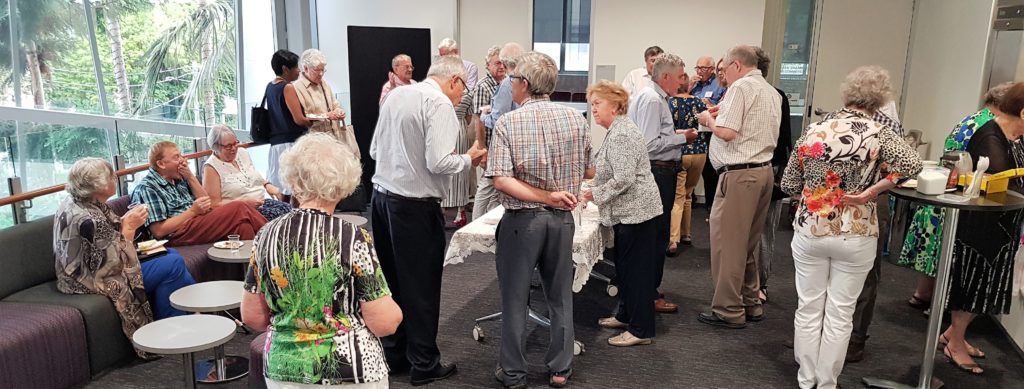
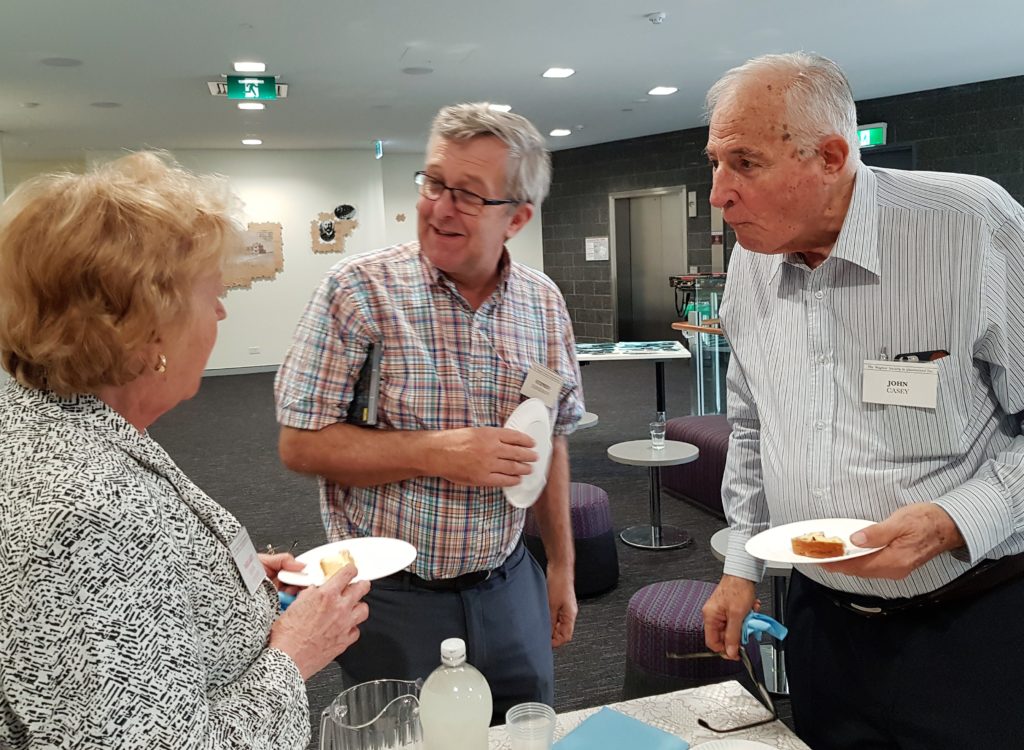
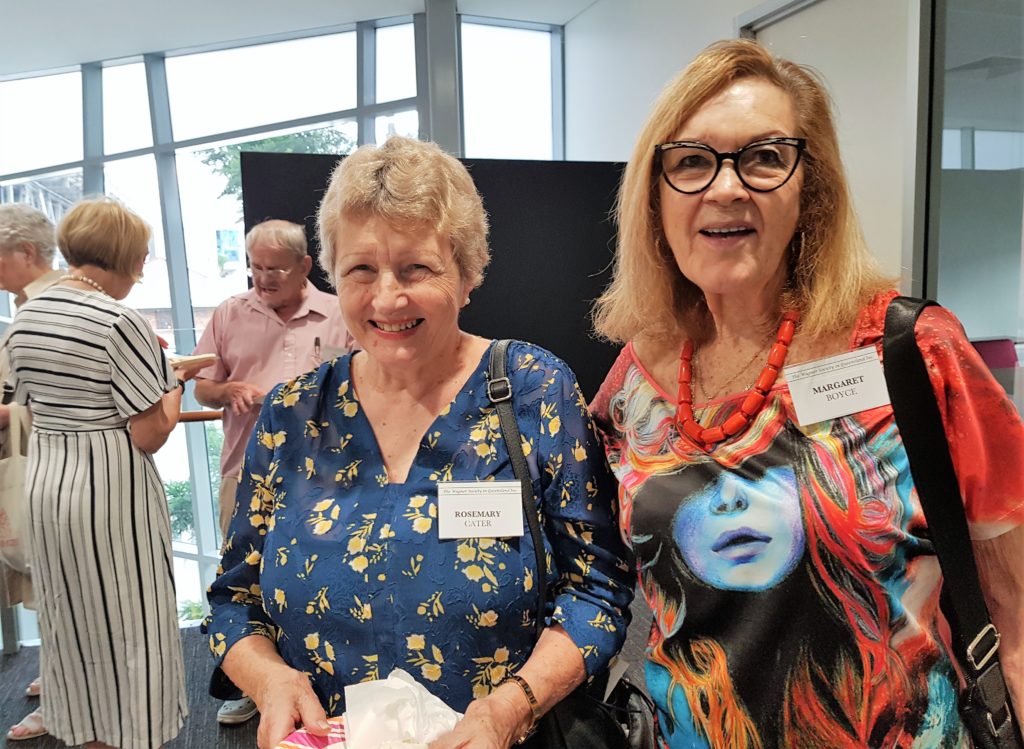
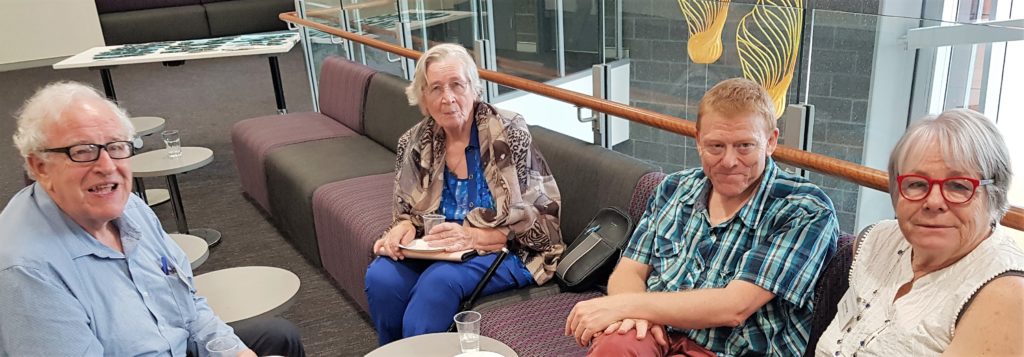
 all of whom enjoyed a learned commentary on Wagner’s ideas of theatre design – and also enjoyed very humorous illustrations of the “winged-helmet” characters that became inextricably linked to Wagner’s operas, to the point that they often bore no relation to the plot or characters at all.
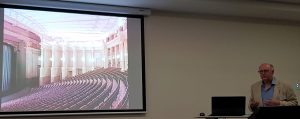 Dr Bassett discussed in detail how Wagner wanted his dramas to be performed in a theatre of the community – egalitarian and with the seating inspired by the amphitheatres of ancient Greece and Rome – as opposed to the traditional theatres of kings and queens with their “horseshoe” shape more suited to a social occasion than serious musical appreciation.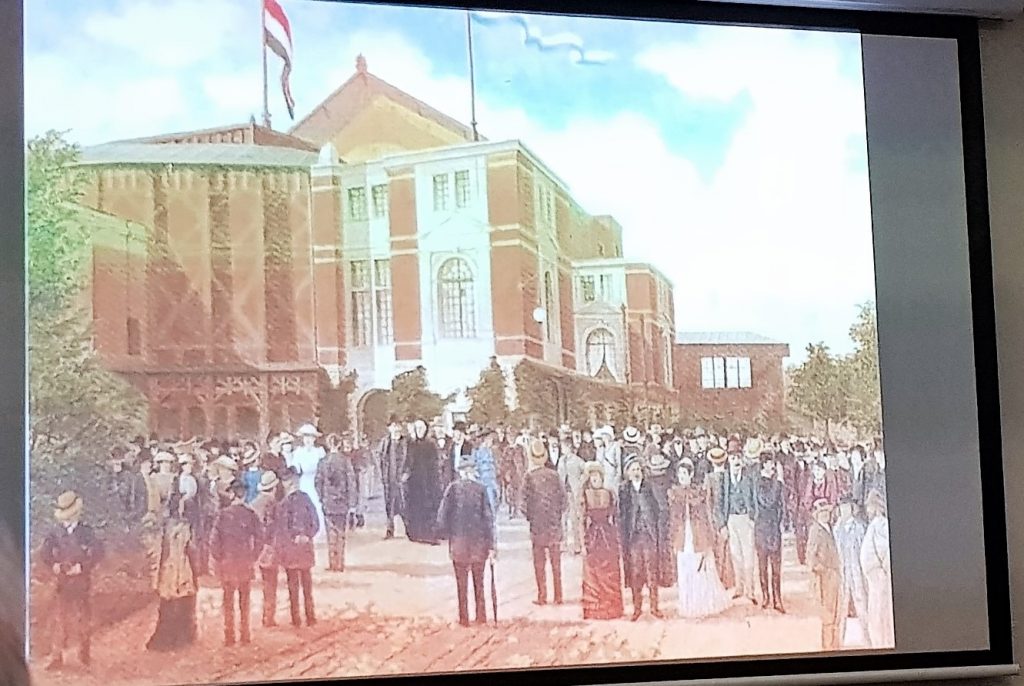
 Wagner’s philosophical and aesthetic approach to theatre design culminated in the building of the Bayreuth Festspielhaus. The size and scale of this building was due in large part to the idolization of Wagner by King Ludwig II combined with the financial extravagance of that king, making this remarkable construction possible. In addition the innovative designs of Gottfried Semper also had influence on Wagner’s theatre ideas, reaching its apotheosis in the unique lines of the building which stands today.
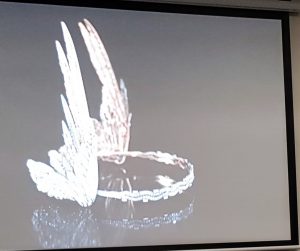 The talk was very much appreciated by all who attended and after Peter’s very amusing illustration of the head-dresses worn in early Wagner productions, many Members were heard pondering aloud if perhaps it will become “de rigueur” to arrive winged-helmeted at future society meetings!
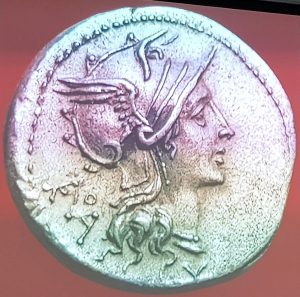
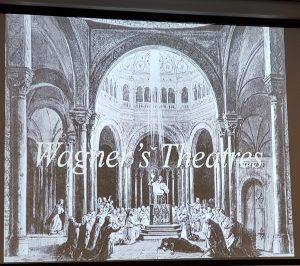
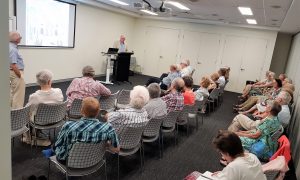
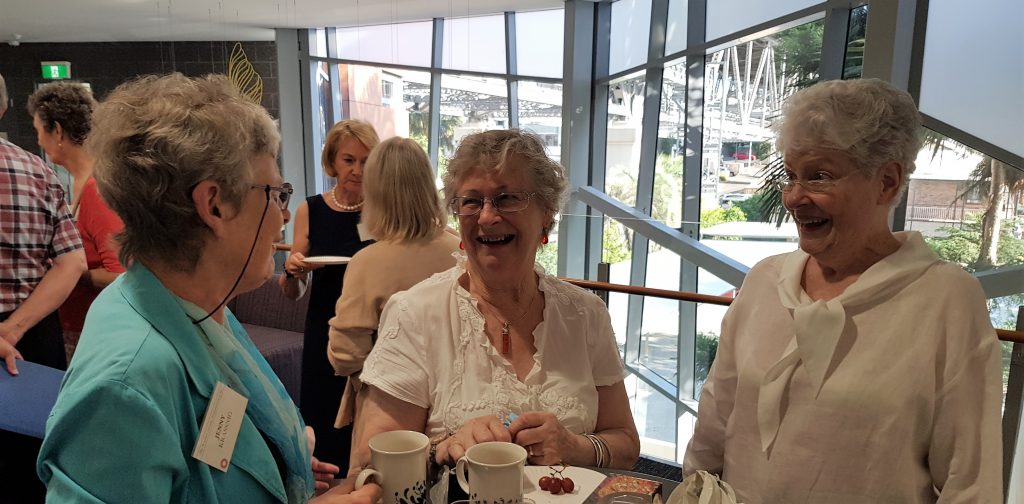
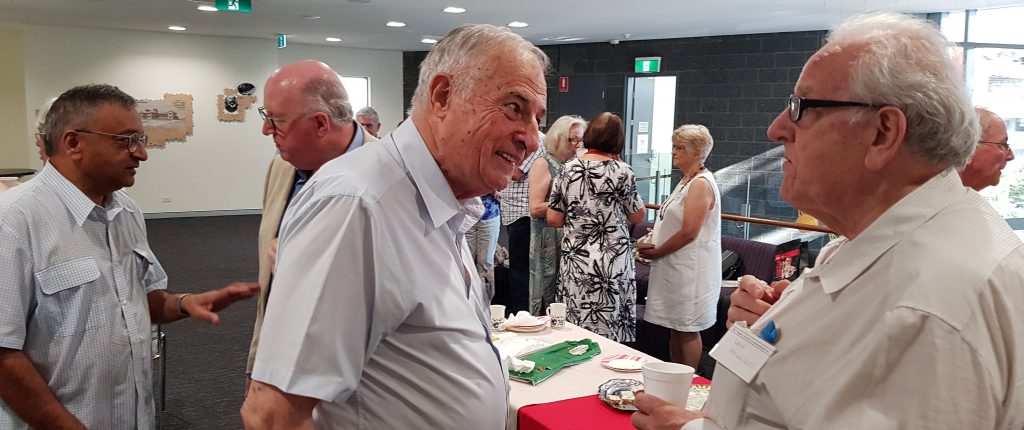
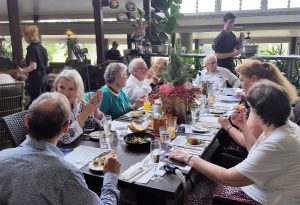
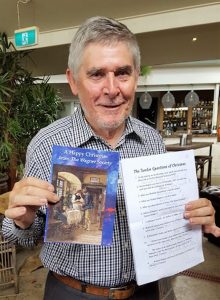
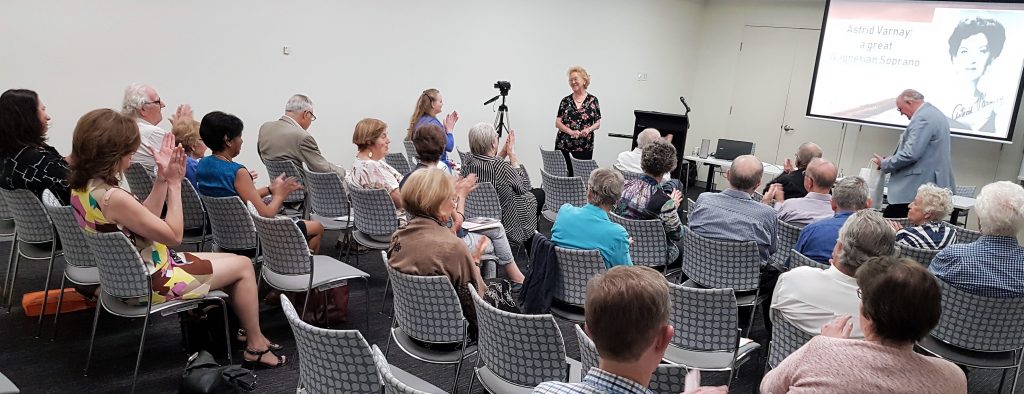
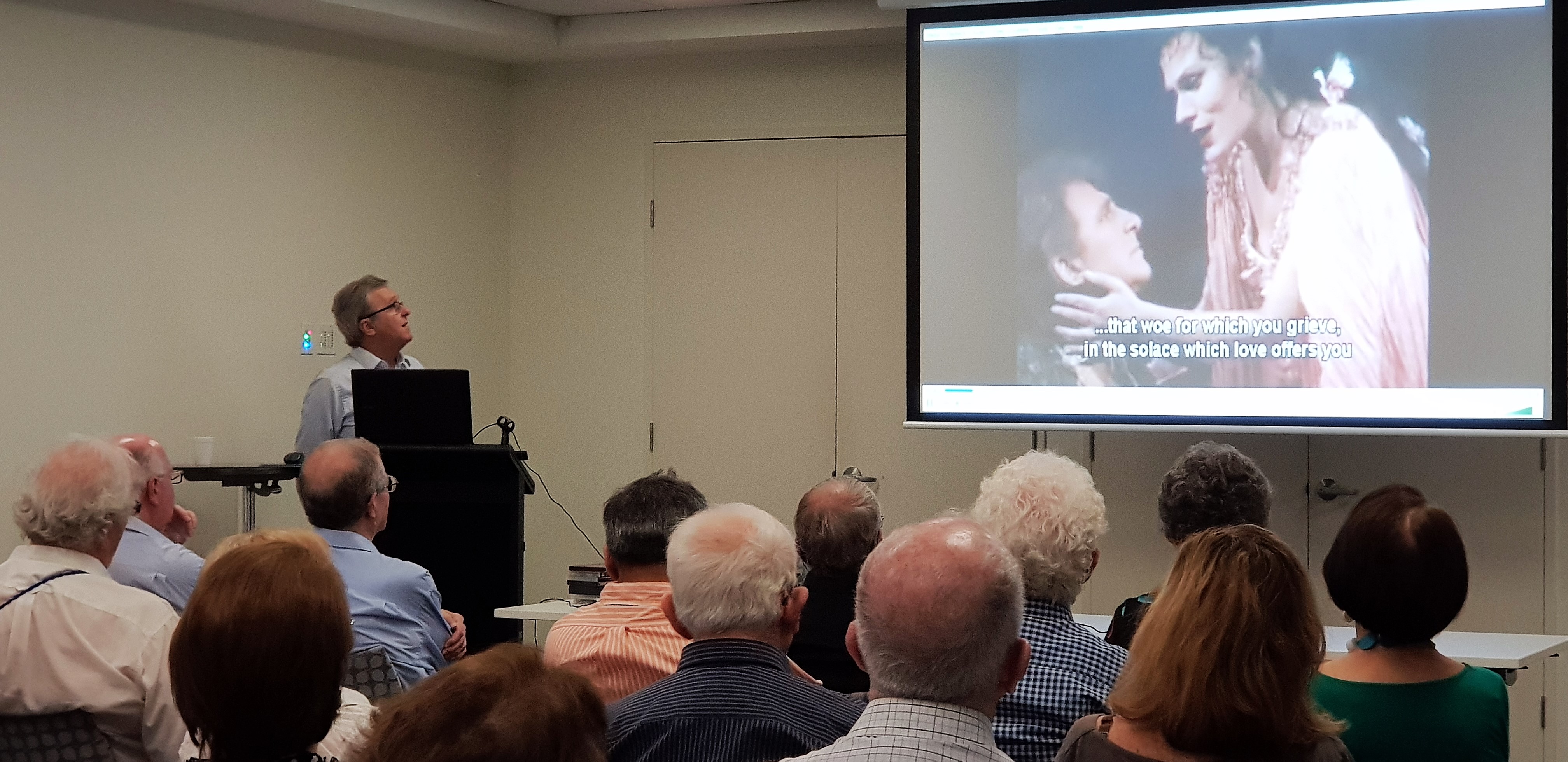

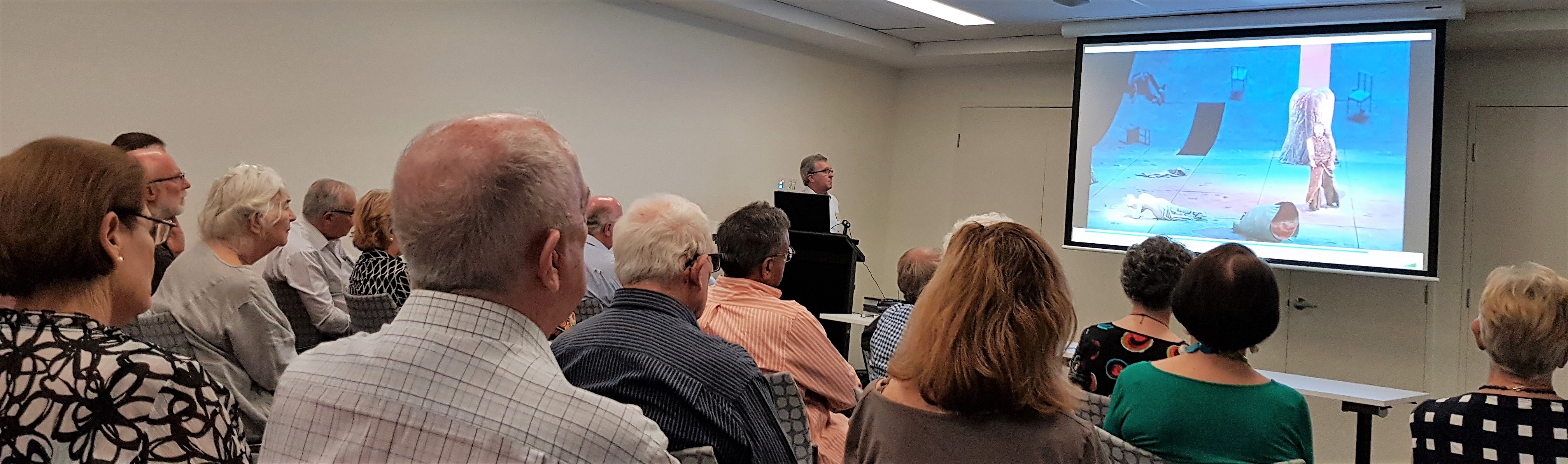
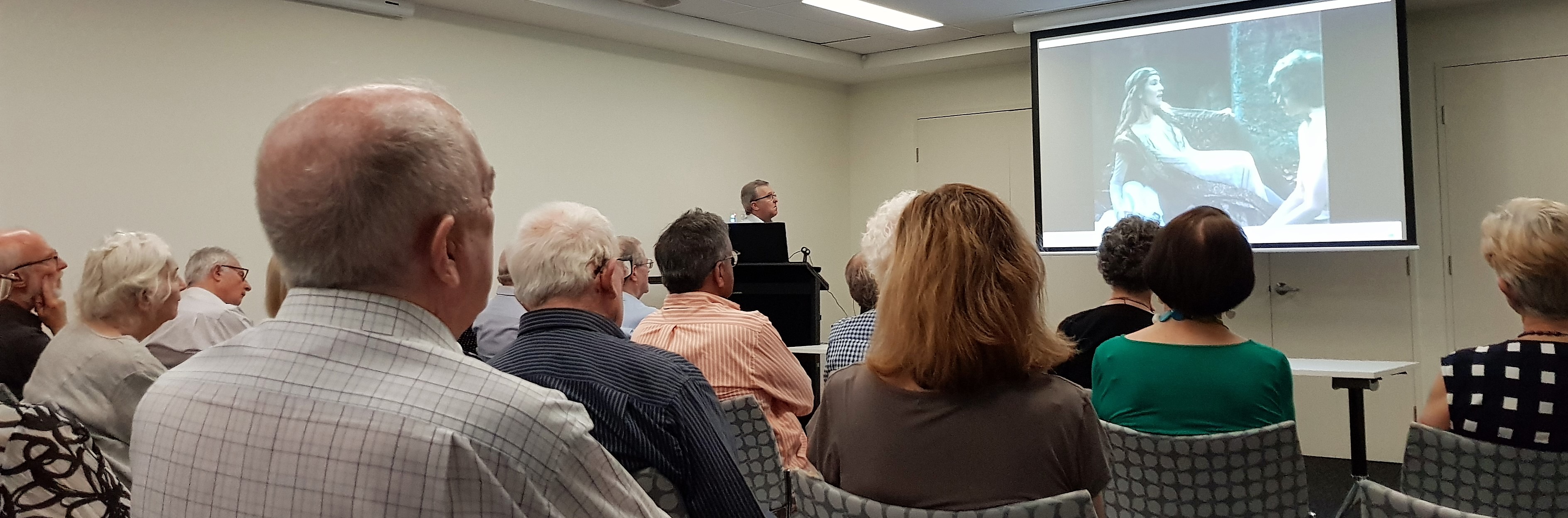
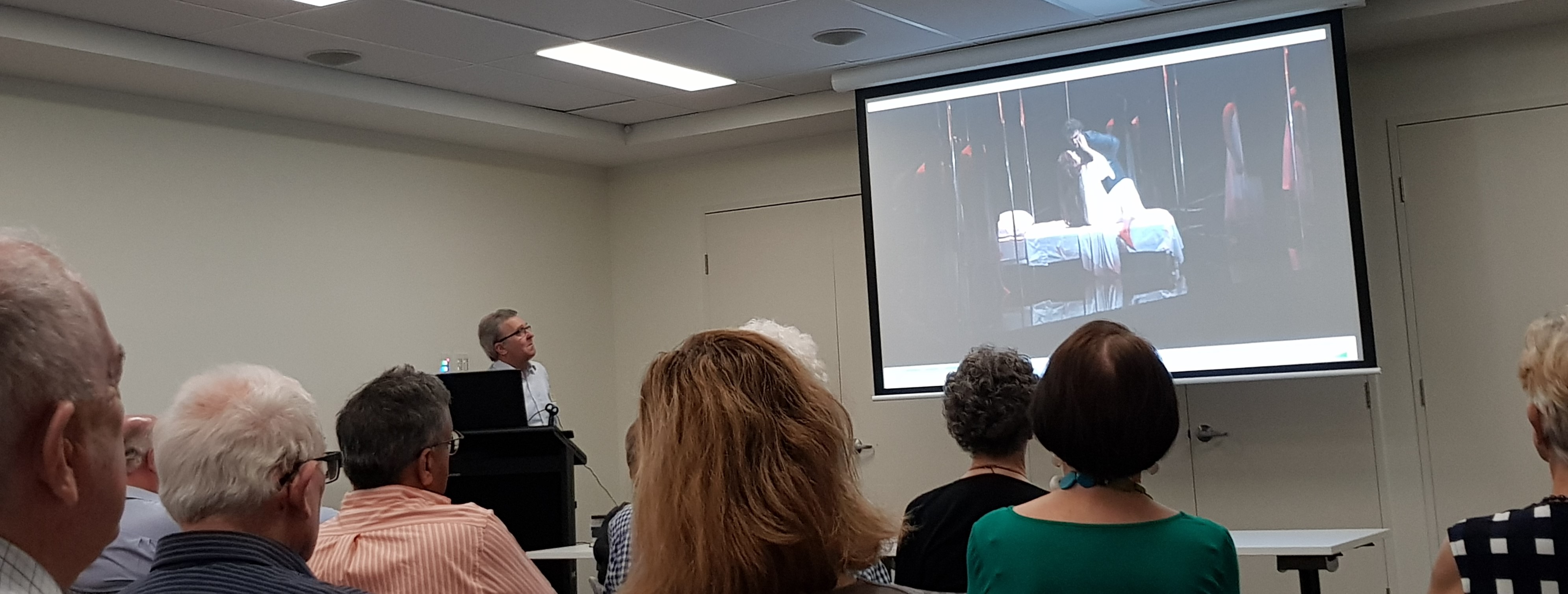
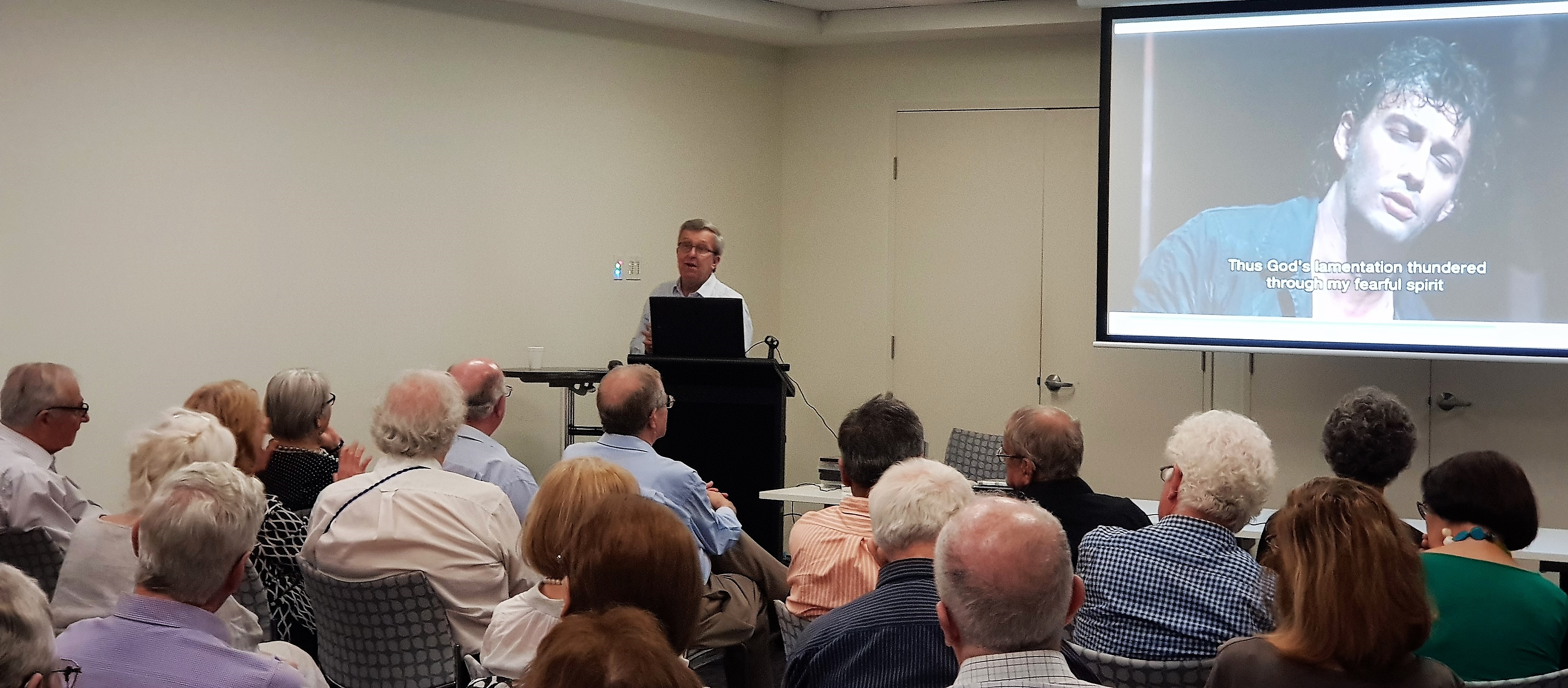
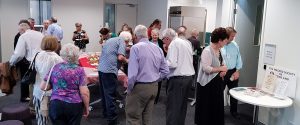
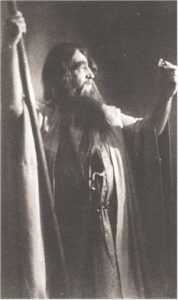
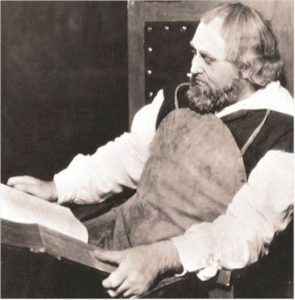 according to Colin, was his interpretation of the role of Hans Sachs in Die Meistersinger von Nürnberg, and the two great monologues of this role, followed by the presentation (the baptism, as it were) of the Prize Song, and the marvellous quintet, were undoubtedly the most sublime moments of the afternoon.